


'%3E%3Cpath%20stroke='%23000'%20stroke-width='4'%20d='m-35-37-13%2020m5%203%2013-20m5%203-13%2020m63%2042%206-9m1-2%206-9m5%203-6%209m-1%202-6%209m5%203%206-9m1-2%206-9m-96%200%2013%2020m5-3-6-9m-1-2-6-9m5-3%2013%2020m63-42-6-9m-1-2-6-9m5-3%2013%2020m5-3-6-9m-1-2-6-9'/%3E%3Ccircle%20r='24'%20fill='%23cd2e3a'/%3E%3Cpath%20fill='%230047a0'%20d='M0%200a12%2012%200%201%201%2020%2013%2024%2024%200%201%201-40-26A12%2012%200%201%200%200%200'/%3E%3C/g%3E%3C/svg%3E)


'/%3E%3Cpath%20fill='%23b2b2b2'%20d='M241%20382q0%2016%2017%2026%2017%2011%2042%2011t42-11q16-11%2017-26V269H241'/%3E%3Cpath%20fill='%239f7e00'%20d='M241%20379q0%2014%208%2023%209%209%2021%209%2014%200%2021-9%209-9%209-23V269h-59'/%3E%3Cpath%20d='M241%20339v-70h59v110q0%2014-9%2023l-6%205v-68h-15v72q-8%200-14-4v-68zm59%2040c0%2022%2015%2032%2029%2032%2021%200%2030-18%2030-32v-40h-59'/%3E%3Cpath%20fill='%239f7e00'%20d='M266%20277v5h2v12h-3v-5h2v-5h-9v5h2v5h-4v9h3v18h-5v10h34v-10h-5v-18h3v-9h-4v-5h2v-5h-9v5h2v5h-3v-12h2v-5zm42%20101q0%2010%206%2017%206%206%2015%207%2010-1%2016-7%206-7%206-17v-29h-43'/%3E%3Ccircle%20fill='%230044ad'%20cx='329.5'%20cy='372'%20r='6'/%3E%3Cellipse%20fill='%230044ad'%20cx='300'%20cy='340'%20rx='16'%20ry='21'/%3E%3C/svg%3E)




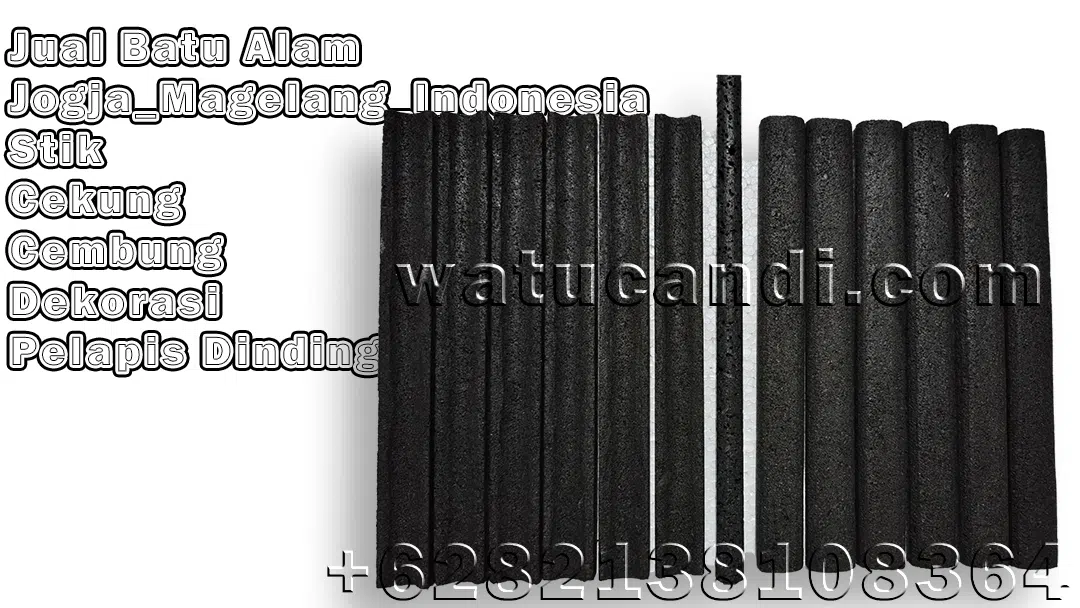
As a Black Temple Stone Manufacturer, we serve the needs of Black Natural Stone Tile Artisans in Yogyakarta, Magelang, and throughout Central Java, Indonesia. We act as a Distributor and Main Supplier of Natural Stone Materials that function as decorative complements, ornaments, and finishing touches for your building construction projects.
Discovering the Charm of Volcanic Lava Temple Stone
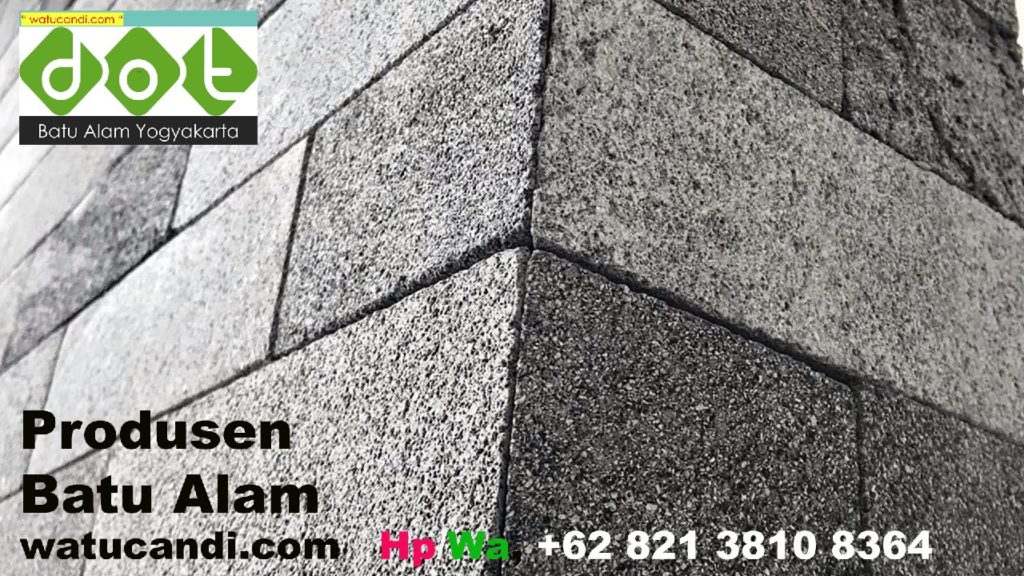
Are you planning a renovation or new construction project and want to decorate your dream building or home using natural elements? If you desire an atmosphere that is not only sturdy but also displays a traditional, historical, and charming impression, then Black Volcanic Lava Temple Stone is the best alternative choice that can turn your architectural vision into reality.
In the world of landscape architecture and interior design, material selection is not just about function, but also about narrative. Temple stone brings thousands of years of Nusantara history into your modern home. This material is not just ordinary rock; it is a silent witness to past civilizations that is now brought back to life through the skilled hands of local artisans.
Temple stone is a type of rock formed from sediment or deposits of volcanic lava that underwent cooling and hardening processes when emerging to the earth’s surface. This geological process creates a unique rock structure that is dense yet retains characteristic porous features. It is called “temple stone” because historically, this material was widely found and used as the main material for constructing stupas, reliefs, and structures of Hindu-Buddhist temple remnants in Indonesia, such as Borobudur and Prambanan Temples.
Because it is formed from volcanic activity, deposits of this stone are found in areas around active or dormant volcanoes, especially along the island of Java. One of the best quality sources comes from the Special Region of Yogyakarta, specifically on the slopes of Mount Merapi. Merapi lava is known to have superior chemical and physical characteristics, producing stone with elegant deep black color and extraordinary durability against tropical weather.
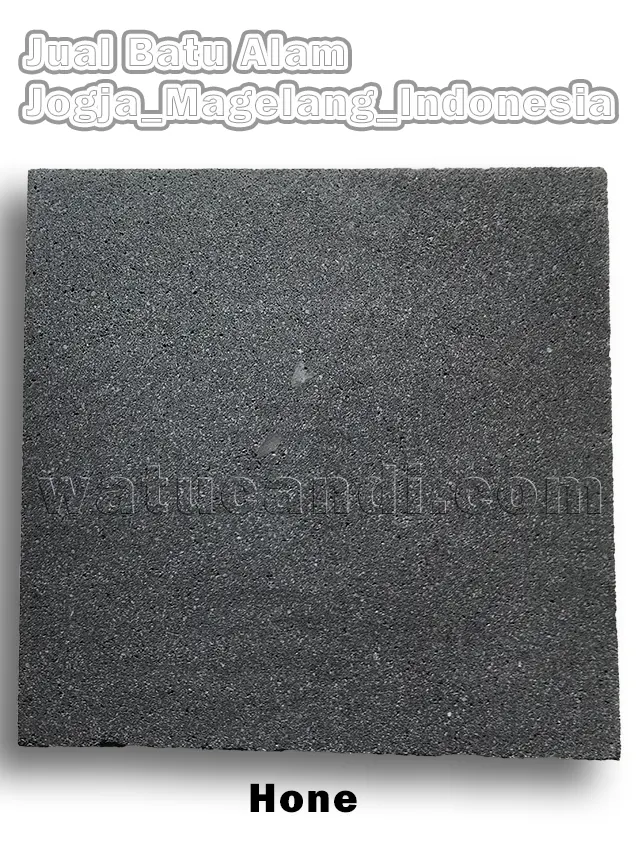
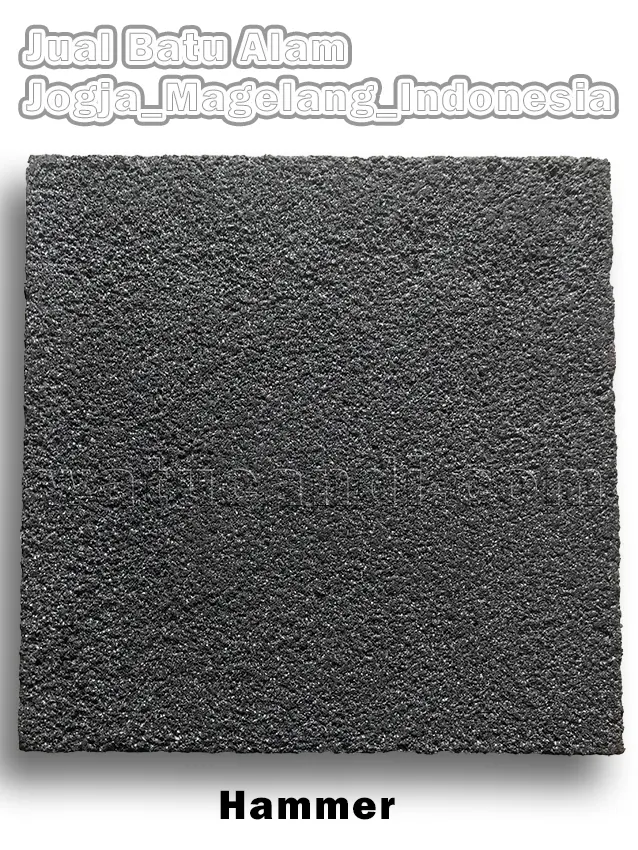
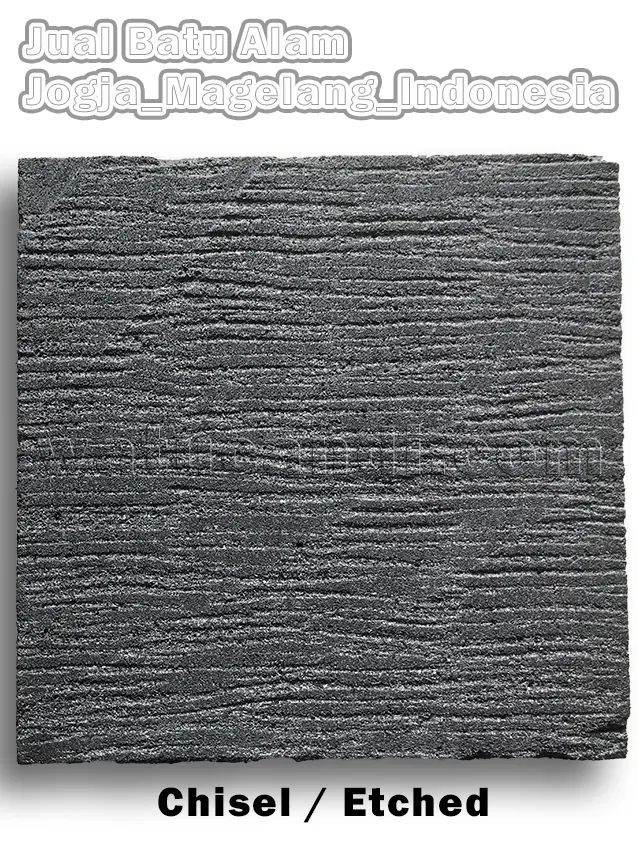
Types of Volcanic Lava Temple Stone Based on Finishing
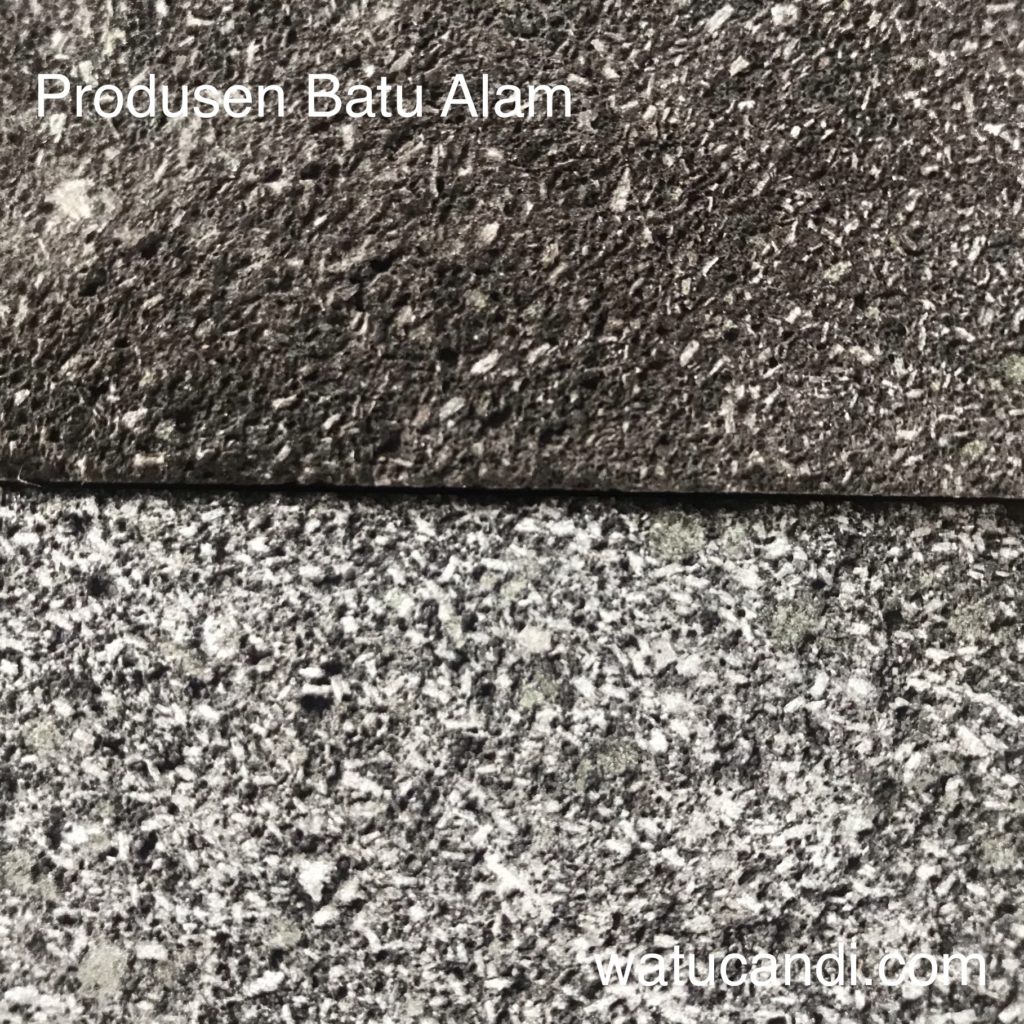
Temple stone available in the market has several variations classified based on hardness levels and surface finishing methods. There are variants that are very hard because they are formed from ancient lava flows that have been buried under soil for tens or even hundreds of years, undergoing geological pressure that compacted their structure. There are also variants with medium hardness originating from relatively newer eruptions, such as material from Mount Merapi eruptions, which still retain more open volcanic pores.
Understanding the type of finishing is crucial because it will determine the application, maintenance, and final aesthetics of your project. Here is a detailed breakdown of volcanic lava temple stone types based on their finishing process:
1. RTM Temple Stone (Machine Flat)
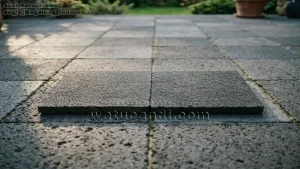
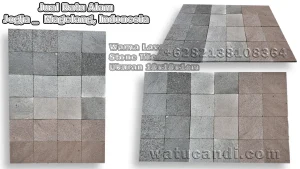
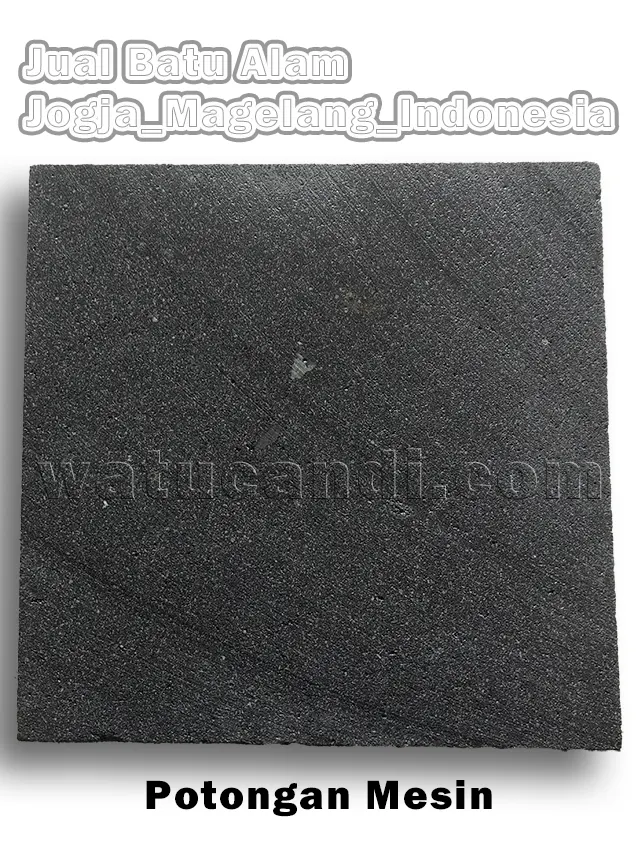
RTM stands for “Rata Mesin” (Machine Flat). In this process, after the stone is cut from a large block, all surfaces of the stone—top, bottom, and sides—are flattened using high-precision cutting machines. The result is a very smooth, flat, and square surface on all sides.
The main advantage of RTM finishing is ease of application. Due to its precise dimensions and flat surface, installing RTM temple stone becomes faster, neater, and minimizes material waste. This certainly helps save labor costs and production time. Additionally, the smooth surface makes daily cleaning easier, making it a favorite choice for indoor areas or floors requiring high cleanliness.
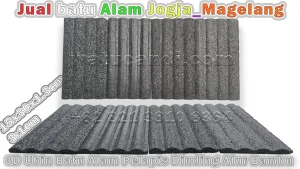
The types of cuts or groove motifs in this RTM temple stone finishing are generally divided into two popular categories: Napoly Groove (small, tight grooves that provide a fine texture effect but are not slippery) and Straight Groove (parallel lines that give a modern and elongated impression). To see various premium flooring options using this technique, you can explore our premium natural stone flooring collection.
2. RTA Temple Stone (Natural Flat)
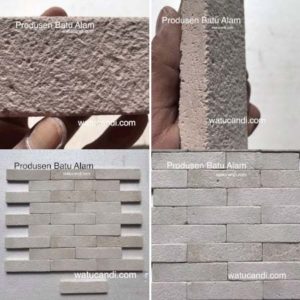
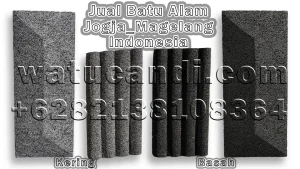
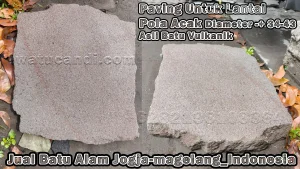
RTA stands for “Rata Alam” (Natural Flat). Unlike RTM, in the RTA finishing process, one side of the stone—usually the front side that will be visible—is left to retain its original uneven, wavy, or rough texture according to the natural fracture of the rock. The other sides (back and sides) are still flattened using saw machines to make them easy to install and stick firmly to the cement mixture.
The main purpose of this technique is to display a strong natural, rustic, and natural impression. RTA temple stone has a more lively and dynamic visual character compared to RTM because light reflection on its uneven surface creates a sense of depth and three-dimensional dimension on walls or floors.
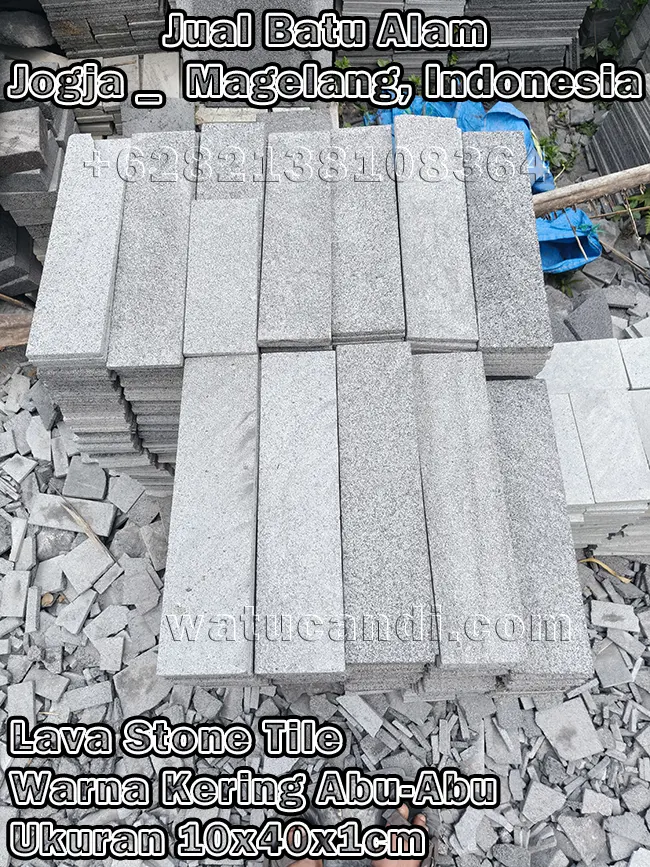
However, there are technical limitations to RTA temple stone. Because its formation process relies on natural splitting or manual chiseling following the stone’s grain, this stone cannot be produced in overly large slab sizes. If the stone width is too large, the risk of cracking or breaking during the chiseling or transportation process becomes very high. Therefore, RTA temple stone sizes are usually smaller, ranging from 3×30 cm, 3×40 cm, 10×10 cm, 10×20 cm, 5×30 cm, 5×40 cm, 15×30 cm, up to a maximum of 30×60 cm for those with very solid structures.
For those interested in this natural aesthetic, we suggest looking at our guide on authentic manually chiseled stone flooring for artistic installation inspiration.
In-Depth Characteristics of Volcanic Lava Temple Stone
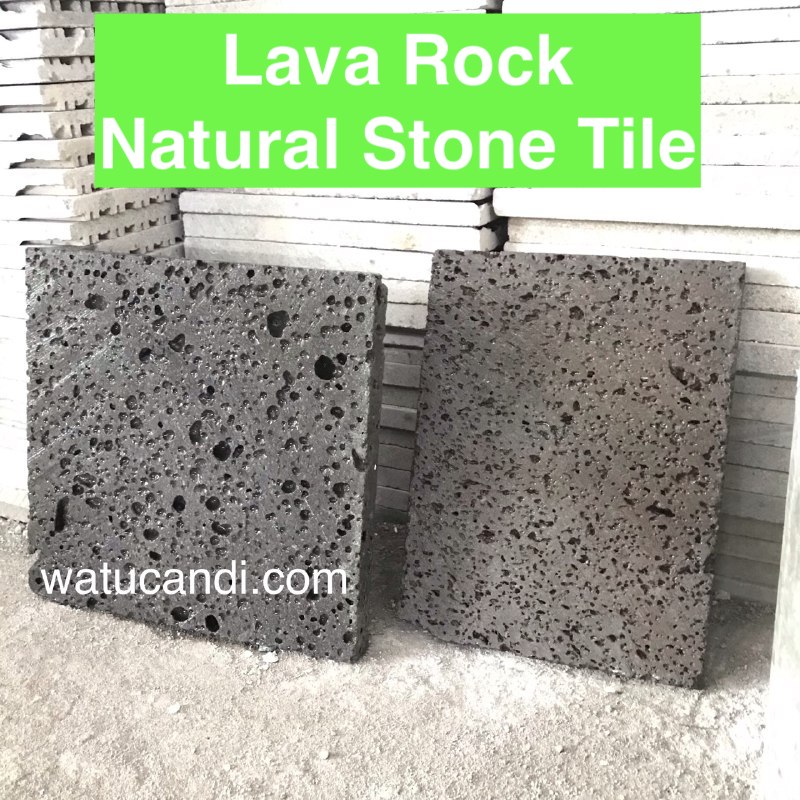
Black Volcanic Lava Temple Stone has several unique characteristics or distinctive features that distinguish it from other rock types such as granite, marble, or limestone. Understanding these characteristics is important for determining appropriate care and application:
1. Porous Texture
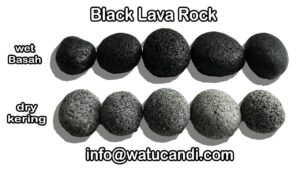
The word porous means having many microscopic cavities or small pores within the rock structure. This occurs because temple stone is formed from liquid lava sediment containing gas. When lava cools and hardens quickly on the surface, these gases get trapped and leave small gaps. This porous nature gives temple stone good water absorption capabilities, contributing to a cool effect in rooms, but also requires special attention in preventing moss if installed in damp areas.
2. Dominance of Elegant Dark Colors
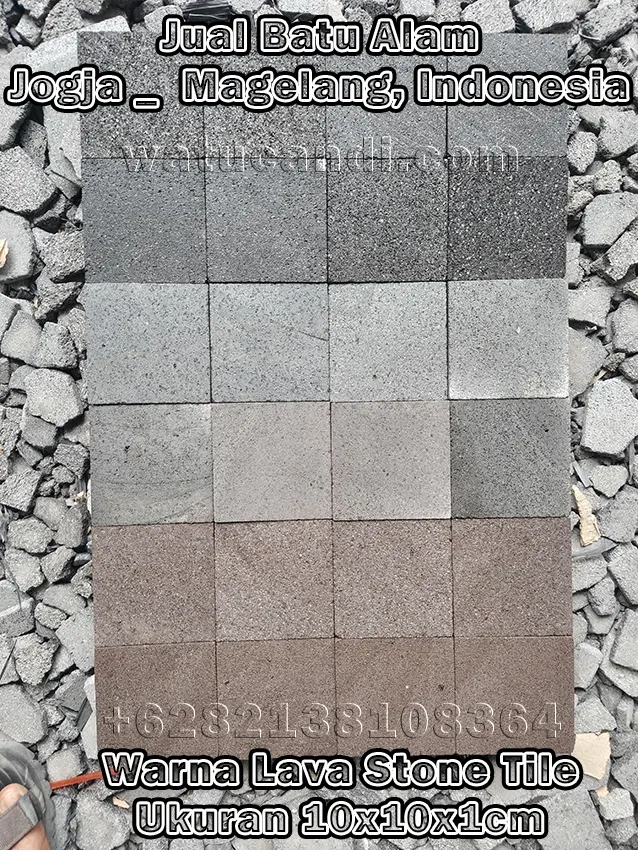
Temple stone naturally has colors that tend to be dark, ranging from dark gray to jet black. This dark color is caused by basal mineral content and mixing with volcanic ash, soil, and other organic particles during volcanic eruptions. Among these color variations, black is the most sought after by architects and interior designers because of its ability to display an elegant, luxurious, mysterious, and charming impression. Black is also neutral, making it easy to combine with other design elements such as wood, glass, or metal.
3. Relatively Easy to Shape and Carve
Although it looks sturdy, black volcanic lava temple stone is categorized as a volcanic sedimentary rock that is relatively “soft” compared to granite. “Soft” here does not mean fragile, but rather has a Mohs hardness level that allows this stone to be chiseled, carved, or shaped more easily using hand tools or machines. This property is what allowed our ancestors to carve intricate reliefs on ancient temples. For modern artisans, this property facilitates the creation of custom motifs, profile edges, or other artistic shapes.
To learn more about the color spectrum and other types of volcanic rocks, you can read our black lava stone guide.
Functions and Applications of Black Volcanic Lava Temple Stone
1. Building Interior Design
Black volcanic lava stone is increasingly popular in modern and classical home interior design. Its main advantage is its ability to create a strong focal point. Some popular interior applications include:
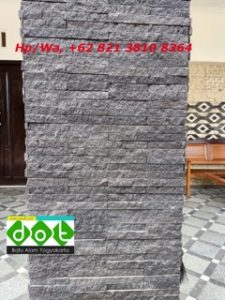
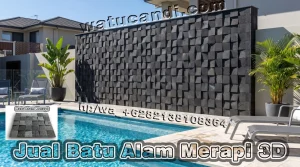
- Accent Wall (Feature Wall): Using RTA or split face temple stone to create a textured wall in the living room or bedroom.
- Main Room Flooring: RTM temple stone with a smooth finish gives a cool and luxurious impression to the family room floor.
- Bathroom Flooring: Its non-slip nature (especially if grooved) and water resistance make it ideal for spa-themed bathroom floors.
2. Building Exterior Design
In exterior areas, black volcanic lava temple stone displays toughness and natural beauty. However, due to its porous nature, exterior applications require special treatment in the form of coating or waterproof and anti-moss sealing to keep the color deep black and prevent fungal growth.
Examples of exterior applications utilizing the advantages of temple stone include:
- Pillars and Gates: Giving a sturdy impression and welcoming guests with authority.
- Garden Walls and Fences: Combining temple stone with green plants creates stunning visual contrast. See our natural stone garden wall guide for more ideas.
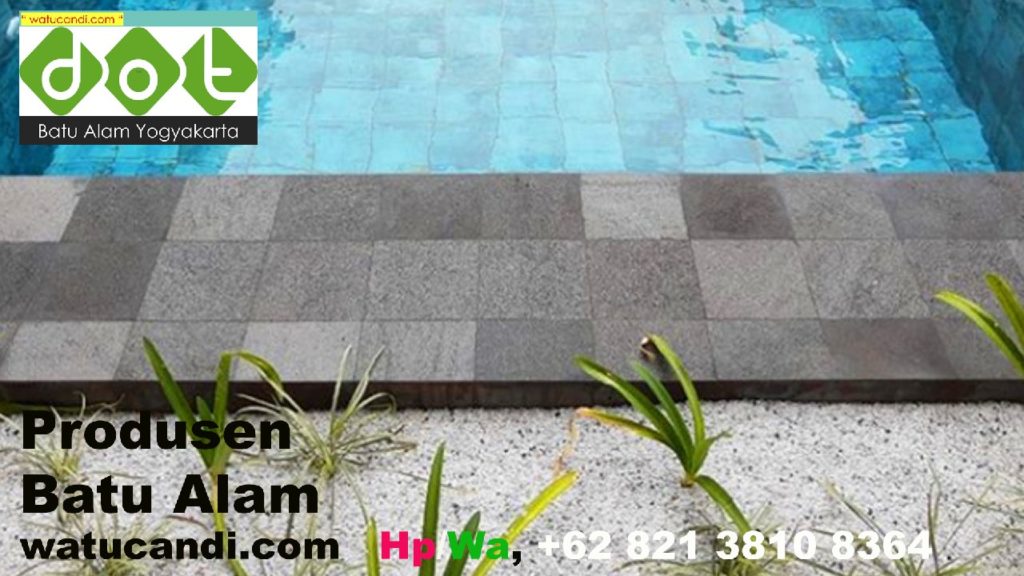
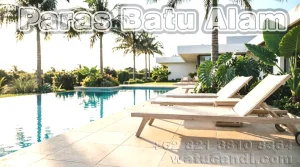
- Swimming Pool Edges: Black temple stone provides elegant contrast against blue pool water. Ensure you use anti-slip types. Check our lava stone tiles for swimming pools.
In-Depth Analysis: Advantages and Disadvantages of Black Temple Stone
Every building material has its own performance profile. Limestone paras or temple stone has advantages and disadvantages that need to be considered before making a decision. Here is an objective analysis:
Main Advantages of Natural Temple Stone
1. Elegant, Luxurious, and Charming Impression
The deep black color of volcanic lava temple stone is psychologically associated with luxury, power, and elegance. Using this stone can instantly elevate the aesthetic value of a building. Buildings using black temple stone often look more expensive and classy compared to using plain wall paint.
2. Traditional and Historical Nuance
The use of temple stone brings an aura of nostalgia and appreciation for Nusantara cultural heritage. It reminds us of the glory of past kingdoms. For homeowners who want a “Modern Joglo” or “Tropical Classic” concept, temple stone is a mandatory element that connects the present with cultural roots.
3. Natural Impression and Harmony with Nature
As a natural product, temple stone has color and texture variations that cannot be replicated by synthetic materials. Its installation helps “ground” the building, making it feel more integrated with the surrounding environment, especially when combined with wood and plant elements.
4. Thermal Effect: Feels Cooling
Natural stone has high thermal mass. This means the stone can absorb heat during the day and release it slowly at night. Additionally, the black color that absorbs light and the porous nature that allows micro-moisture circulation, makes rooms with temple stone floors or walls feel cooler than rooms with ceramic or plain concrete materials.
5. Durability and Non-Fragility
Although classified as a relatively soft rock for carving, black volcanic lava temple stone is actually very dense and not easily fragile like white paras limestone. It is capable of withstanding foot traffic loads and structural pressure well, making it safe for use in high-traffic floor areas and stair treads.
Disadvantages and Maintenance Solutions
1. Potential for Moss Growth
Due to its porous structure, temple stone is susceptible to absorbing rainwater and soil moisture, which becomes an ideal medium for moss and fungus growth, especially in shady and damp areas. Moss can change the black color of the stone to greenish or dull black.
Solution: Do not avoid using it in exteriors, but perform coating or sealing using high-quality penetrating chemicals (sealer) every 1-2 years. This will close the surface pores without changing the natural appearance of the stone. For reference on pool maintenance prone to moss, read our ultimate green stone for swimming pools guide.
Price Guide and Investment for Black Volcanic Lava Temple Stone
Prices for volcanic lava natural stone in the market vary greatly, influenced by several key factors: dimensional size, finishing difficulty level, thickness, and stone grade quality (free from defects or not).
Generally, standard sizes available start from small formats like 10×10 cm to large formats of 40×40 cm or even larger slabs for special purposes. The current price range is between Rp145,000 and Rp395,000 per square meter (prices may change at any time depending on raw material fluctuations and operational costs). This price is commensurate with the aesthetic value and durability offered.
It should be noted that deep black colored temple stone is usually priced higher than gray variants due to scarcity and higher market demand for an elegant impression. Additionally, in terms of finishing, RTA (Natural Flat) temple stone often has a slightly higher or equivalent production cost to RTM depending on the complexity of its natural pattern, due to stricter selection processes to obtain aesthetic shapes.
Integration of Temple Stone in Various Architectural Styles
Black Merapi Temple Stone is not just for classical styles. Its flexibility allows integration into various contemporary architectural styles:
- Modern Minimalist Style: Use plain black RTM temple stone on one accent wall to create sharp contrast with clean white walls.
- Industrial Style: Combine RTA temple stone with exposed iron elements and exposed concrete cement for a chic city warehouse nuance.
- Tropical Bali Style: Pair black temple stone with Sukabumi green stone and teak wood to create a resort vibe in your home. See our Sukabumi green stone collection.
Complementary Natural Stone Products and Accessories
To create total harmony, consider using complementary products made from the same material. Tables and chairs made of natural stone can be the center of attention in the garden or living room. See our collection of handmade stone tables and chairs. For bathrooms, natural stone sinks provide a luxurious spa touch. We offer unique black basalt sinks and rough surface marble sinks.
Even for small details like soap dispensers, natural stone can be used. Check our natural stone liquid soap dispenser. All these products are designed to last long and are easy to maintain, reflecting our commitment to quality.
Conclusion: Choosing Natural Heritage for the Future
Black Merapi Temple Stone is more than just a construction material; it is an aesthetic and cultural investment. With its elegant black color characteristics, natural texture, and time-tested durability, this stone offers design solutions that are timeless. Whether you are building a residence, villa, hotel, or restaurant, the presence of temple stone will give soul and strong character to your building.
WatuCandi is committed to providing the best natural stone products with professional service. From consultation on stone type selection, material requirement calculations, to installation and maintenance tips, we are here to ensure your project runs smoothly. Explore our complete catalog, including natural stone furniture, carved temple lava stone, and various lava stone exterior design options.
Do not hesitate to contact our expert team to get stone samples and the best price offers. Let’s create living spaces that are not only beautiful to look at, but also comfortable for the soul.
black temple stone, merapi natural stone, volcanic lava stone, temple stone manufacturer, natural stone price, rtm temple stone, rta temple stone, natural stone decoration, temple stone flooring, temple stone wall, yogyakarta natural stone, magelang natural stone, buy temple stone, natural stone supplier, natural stone distributor, black natural stone, elegant natural stone, traditional natural stone, modern natural stone, natural natural stone, exterior natural stone, interior natural stone, swimming pool natural stone, garden natural stone, fence natural stone, pillar natural stone, how to install temple stone, temple stone maintenance, watucandi temple stone

One thought on “Black Merapi Temple Stone: Complete Volcanic Aesthetics for Modern and Classical Architecture”