


'%3E%3Cpath%20stroke='%23000'%20stroke-width='4'%20d='m-35-37-13%2020m5%203%2013-20m5%203-13%2020m63%2042%206-9m1-2%206-9m5%203-6%209m-1%202-6%209m5%203%206-9m1-2%206-9m-96%200%2013%2020m5-3-6-9m-1-2-6-9m5-3%2013%2020m63-42-6-9m-1-2-6-9m5-3%2013%2020m5-3-6-9m-1-2-6-9'/%3E%3Ccircle%20r='24'%20fill='%23cd2e3a'/%3E%3Cpath%20fill='%230047a0'%20d='M0%200a12%2012%200%201%201%2020%2013%2024%2024%200%201%201-40-26A12%2012%200%201%200%200%200'/%3E%3C/g%3E%3C/svg%3E)


'/%3E%3Cpath%20fill='%23b2b2b2'%20d='M241%20382q0%2016%2017%2026%2017%2011%2042%2011t42-11q16-11%2017-26V269H241'/%3E%3Cpath%20fill='%239f7e00'%20d='M241%20379q0%2014%208%2023%209%209%2021%209%2014%200%2021-9%209-9%209-23V269h-59'/%3E%3Cpath%20d='M241%20339v-70h59v110q0%2014-9%2023l-6%205v-68h-15v72q-8%200-14-4v-68zm59%2040c0%2022%2015%2032%2029%2032%2021%200%2030-18%2030-32v-40h-59'/%3E%3Cpath%20fill='%239f7e00'%20d='M266%20277v5h2v12h-3v-5h2v-5h-9v5h2v5h-4v9h3v18h-5v10h34v-10h-5v-18h3v-9h-4v-5h2v-5h-9v5h2v5h-3v-12h2v-5zm42%20101q0%2010%206%2017%206%206%2015%207%2010-1%2016-7%206-7%206-17v-29h-43'/%3E%3Ccircle%20fill='%230044ad'%20cx='329.5'%20cy='372'%20r='6'/%3E%3Cellipse%20fill='%230044ad'%20cx='300'%20cy='340'%20rx='16'%20ry='21'/%3E%3C/svg%3E)


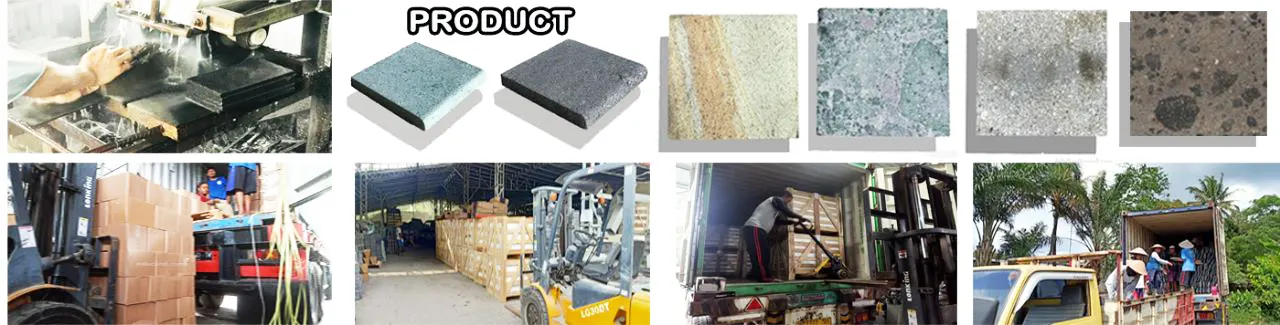
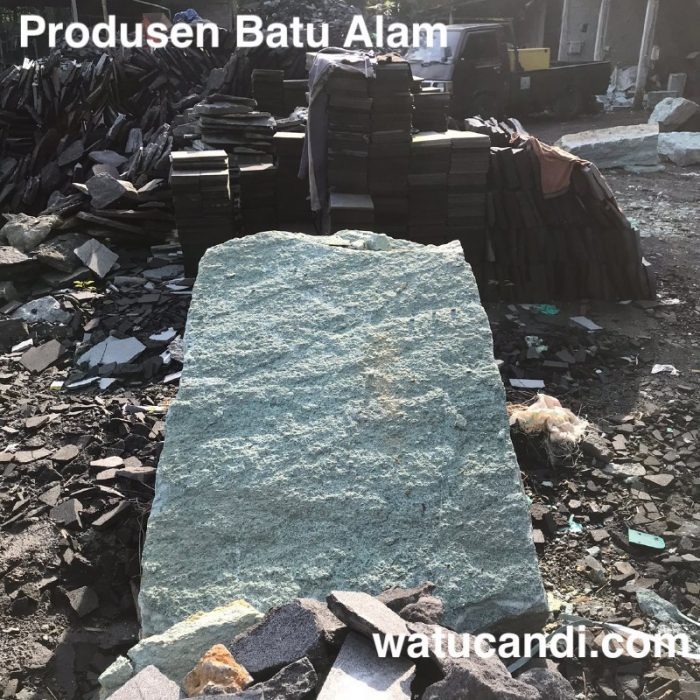
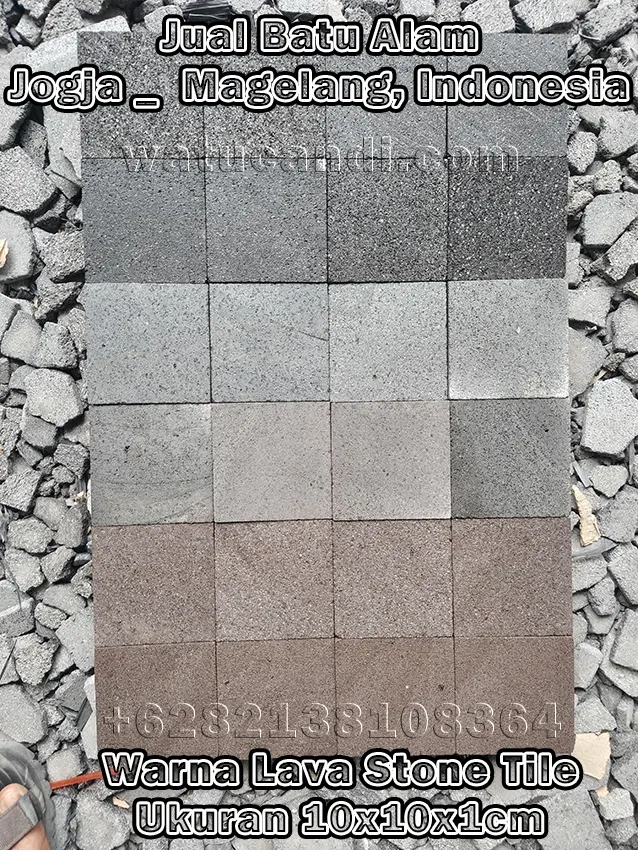
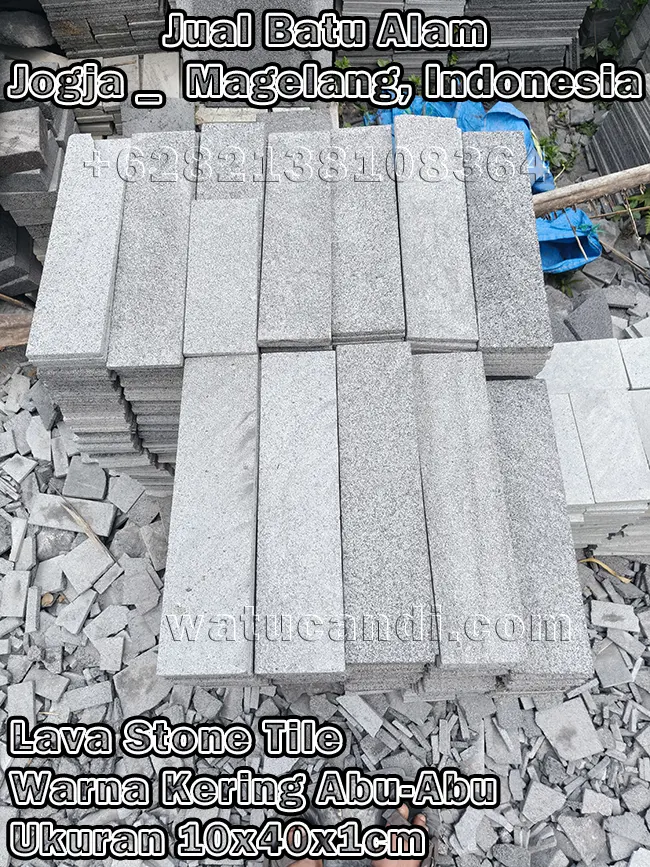
“Tired of pool water that quickly becomes cloudy and temperatures that are too hot? Switch to Sukabumi Green Zeolite Stone and Merapi Black Lava Stone Tiles from Jogja-Magelang, Indonesia. This rare volcanic material works as a natural 24/7 filter, reducing reliance on harsh chemicals and suppressing algae growth. A smart investment for a cleaner, healthier, and easier-to-maintain swimming pool all year round.”
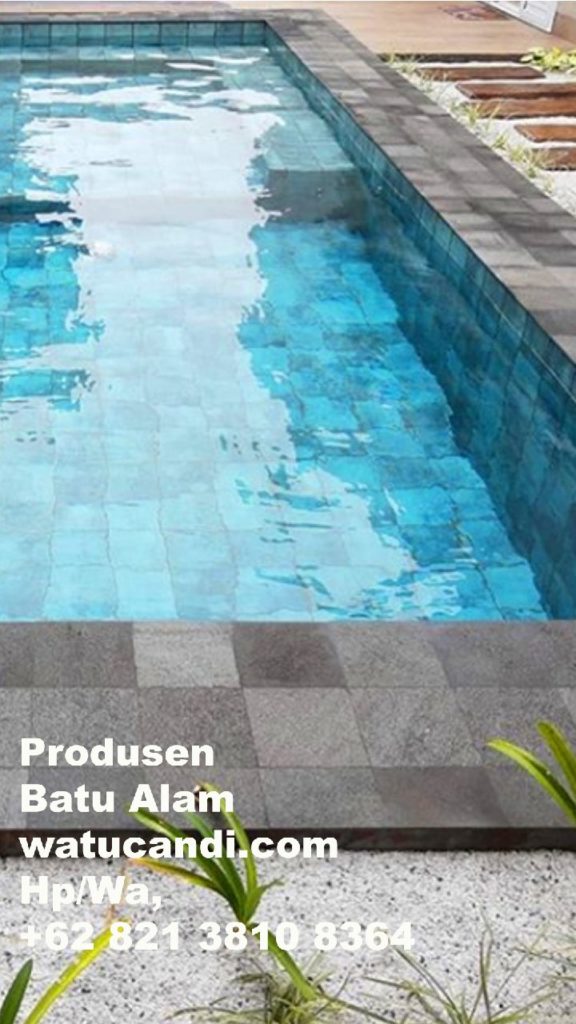
“Imagine swimming in a private emerald lagoon that reflects the tranquility of nature. Green Swimming Pool Stone from Sukabumi offers more than just visual beauty; it provides a natural anti-slip texture and a cool touch that soothes the skin. Transform your backyard into a luxurious tropical retreat with materials that harmonize seamlessly with water and light elements.”
Are you planning to build a private swimming pool in your backyard? Or perhaps you are a contractor looking to renovate commercial pool facilities to make them look more luxurious and natural? Choosing natural stone for pool lining is not just about visual beauty, but also involves functionality, safety, and environmental sustainability. This is where Green Swimming Pool Stone, technically known as green zeolite stone from Sukabumi, becomes an irreplaceable favorite.
Many laypeople may only see it as beautiful green tiles. However, behind its calming emerald color lies a complex geological structure and extraordinary chemical benefits. This stone is not just ordinary ceramic; it is a hydrated silica crystal mineral with unique abilities to maintain water quality, regulate temperature, and provide a swimming experience that blends with nature. In this comprehensive guide, we will thoroughly discuss everything about green zeolite stone, from its microscopic structure and types to installation and maintenance tips to keep your swimming pool a luxury oasis all year round.
Understanding the Chemical and Geological Structure of Zeolite Stone
To understand why this green stone is so special, we need to delve into the science behind it. Zeolite is a group of porous aluminosilicate minerals formed through ancient volcanic processes. Chemically, this stone is composed of alumina (AlO4) and silica (SiO4) tetrahedra. This basic structure is not a random pile, but a very regular and hollow three-dimensional network.
These tetrahedra are connected by oxygen atoms, creating a strong crystal framework full of empty spaces or “cavities”. These cavities are the key to the magic of zeolite stone. Usually, these cavities are filled with alkali or alkaline earth metal cations (such as Sodium, Potassium, Calcium) and water molecules that can move freely within the crystal structure. This phenomenon makes zeolite often referred to as a “molecular sieve”.
Geologically, these rocks originate from the reaction between volcanic lava rocks (usually basaltic or andesitic) and groundwater or seawater rich in alkali metals over thousands to millions of years. This hydrothermal alteration process converts volcanic glass into stable zeolite minerals. In Indonesia, particularly in the Sukabumi region of West Java, these geological conditions strongly support the formation of high-quality zeolite deposits with a characteristic green color derived from certain chlorite and iron oxide mineral contents.
Unique Characteristics of Green Zeolite Swimming Pool Stone
Based on its unique structure, zeolite has various physical and chemical characteristics that make it an ideal material for swimming pool applications. Here is an in-depth analysis of these properties:
1. High Porosity and Framework Structure
The most fundamental characteristic of zeolite is its highly porous nature. This is because zeolite crystals are frameworks formed from a network of SiO4 and AlO4 tetrahedra. This porosity is not directly visible to the naked eye, but at the microscopic level, the stone’s surface has a very large area. This large internal surface area allows maximum interaction between the stone and pool water, increasing the efficiency of absorbing dirt and harmful ions.
2. Selective Molecular Pore Size
Zeolite pores are very small, on a molecular scale. Zeolite pores are formed from stacks of rings consisting of 6, 8, 10, or 12 tetrahedra. This precise size allows zeolite to act as a selective filter. Only molecules of a certain size can enter the crystal cavity, while larger molecules are rejected. This property is very useful in water filtration, where zeolite can trap fine dirt particles without clogging the overall water flow.
3. Bronsted and Lewis Acidity Properties
Zeolite can be made into a solid with acidic properties. Replacing neutralizing cations (such as Na+ or Ca2+) with protons (H+) makes zeolite a Bronsted acid solid. Additionally, the presence of aluminum atoms in the silica framework creates Lewis acid centers. This acidity is important in ion exchange and catalysis processes, helping to break down complex organic compounds that may enter the swimming pool, keeping the water clear and free from unpleasant odors.
4. Flexibility of Chemical Modification
One of the advantages of zeolite is the ease of modification. Each tetrahedron in its crystal structure can be reacted or contacted with specific modifying materials. This means that before being processed into tiles, zeolite stone can undergo a special activation stage to increase its cation exchange capacity or strengthen its resistance to extreme weather. This process ensures that the green stone tiles installed in your pool have maximum performance in the long term.
Types of Zeolite: Natural vs. Synthetic in Architectural Context
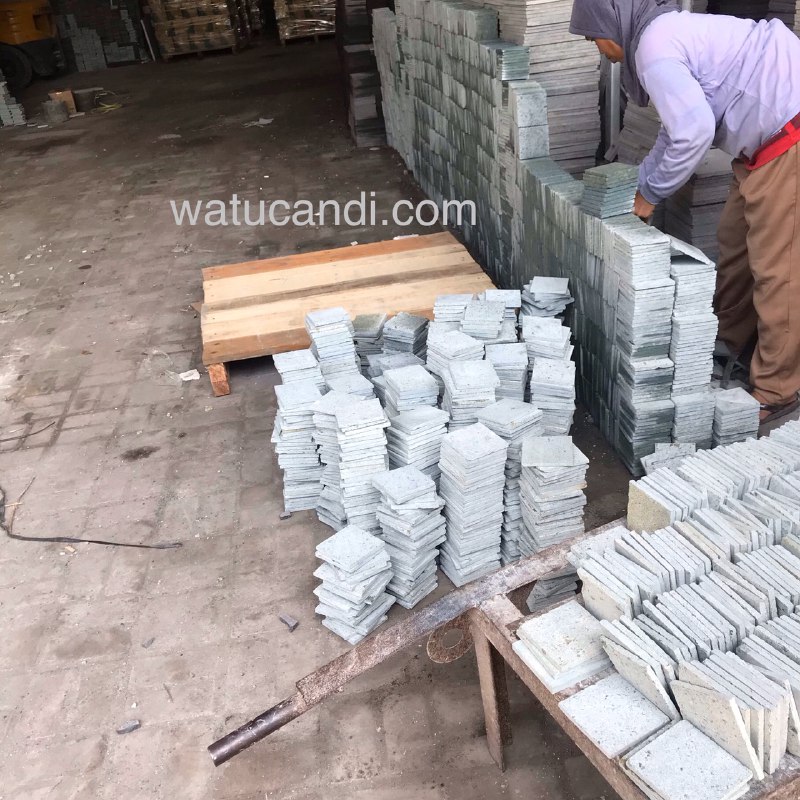
In the building material industry, it is important to distinguish between natural zeolite and synthetic zeolite, as both have different applications and characteristics. Although this article focuses on natural stone for pool aesthetics, understanding the difference will help you appreciate the authentic value of the material you choose.
1. Natural Zeolite Stone
Natural zeolite stone is rock obtained directly from mining or excavation in nature, such as in the Sukabumi region of West Java. Because it comes directly from the earth, this rock carries unique geological traces. Its composition is not entirely chemically pure because it is mixed with other metals and minerals such as quartz, feldspar, and clay minerals. To date, more than 50 types of natural zeolite-forming minerals have been discovered worldwide, including analcime, chabazite, clinoptilolite, erionite, ferrierite, heulandite, laumontite, mordenite, phillipsite, natrolite, and wairakite.
In Indonesia, the dominant types of zeolite minerals found are mordenite and clinoptilolite. Although consisting of diverse compositions, the main components of natural zeolite remain silica and alumina, accompanied by minor elements such as Sodium (Na), Potassium (K), Calcium (Ca), Iron (Fe), and Magnesium (Mg). The presence of these minor elements, especially iron, is what gives Sukabumi stone its beautiful natural green color. However, the presence of these impurities is sometimes considered a weakness in industrial chemical applications as it can reduce pure catalytic activity. Therefore, before being used as premium tiles, natural zeolite often undergoes cleaning and activation processes to ensure color stability and structural strength.
2. Synthetic Zeolite Stone
Synthetic zeolite stone is created through human engineering in laboratories or factories. The principle of its creation is to synthesize various components containing silica and alumina with very precise ratios. The raw materials can be pure chemicals like NaOH (Sodium Hydroxide) or utilize industrial waste such as coal fly ash and rice husks. The result is zeolite with a uniform crystal structure, high purity level, and very stable composition.
Common types of synthetic zeolite include Zeolite A, Zeolite X, Zeolite Y, and others. Due to their consistent quality and freedom from natural impurities, synthetic zeolites are more widely used in heavy industrial applications such as oil refining, detergents, and large-scale wastewater treatment. However, for architectural and decorative applications like swimming pools, synthetic zeolite is less preferred because it loses the “soul” and natural aesthetic variation offered by natural stone. Natural stone offers uniqueness in each sheet that cannot be replicated by machines.
Functional Functions of Zeolite Stone Tiles in Swimming Pools
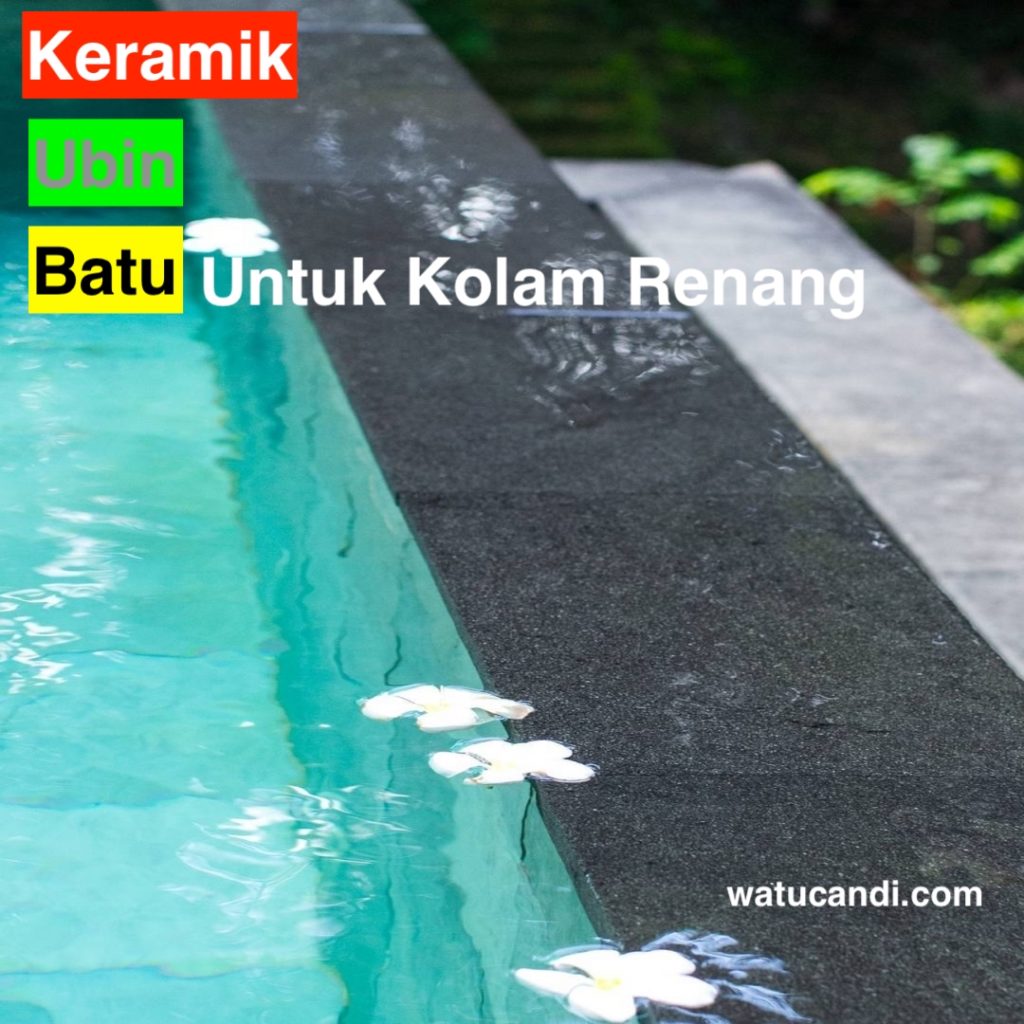
Why do architects and luxury homeowners choose green zeolite stone over ordinary ceramics or glass mosaics? The answer lies in three main functions of zeolite: as a catalyst, ion exchanger, and adsorption medium. Let us dissect one by one how these chemical functions directly impact your swimming experience.
1. As a Natural Catalyst
Zeolite can function as a catalyst due to its hollow characteristics. This structure allows zeolite to accommodate far more molecules than amorphous catalysts of the same volume. In the context of swimming pools, the large surface area of the stone provides active centers for natural chemical reactions. These active centers are formed from Bronsted and Lewis type acid functional groups. When pool water circulates past walls and pool bottoms lined with zeolite, acceleration of light organic decomposition reactions occurs, helping to maintain water clarity passively.
2. Ion Exchange Mechanism
This is the most crucial feature for water quality. Zeolite contains alkali and alkaline earth metal cations loosely bound in its cavities. These cations can move freely and be exchanged with other cations present in the pool water. For example, if pool water contains ammonium ions (NH4+) from sweat or swimmer urine, zeolite will exchange its sodium or calcium ions with the ammonium ions, trapping them inside the crystal structure. This process effectively reduces the workload of mechanical and chemical filtration systems, making water healthier and safer for the skin.
3. Superior Adsorption Capacity
Zeolite functions as a very strong adsorbent. Due to its hollow structure, zeolite is able to absorb large amounts of molecules sized appropriately for its pores. Data shows that zeolite can absorb gas molecules up to 30% of its dry weight, water up to more than 70%, and hydrocarbons up to 90%. In swimming pools, this means green stone can adsorb unpleasant odors, sharp chlorine residues, and micro organic pollutants. The dimensions of zeolite pores make it a natural molecular sieve that works continuously for 24 hours.
Thermal Advantages: Secret to Keeping Pools Cool During the Day
One common problem in tropical countries like Indonesia is pool water temperature becoming too hot during the day due to direct sunlight exposure. Green zeolite stone offers a smart thermal solution through the mechanism of water adsorption-desorption.
When zeolite is heated by the afternoon sun, water molecules stored in its microscopic pores will evaporate out. This evaporation process requires heat energy (latent heat), so solar heat energy is absorbed by the stone to convert water into vapor, not to raise the temperature of the stone itself. As a result, the stone surface and surrounding water feel cooler than if using solid materials like polished ceramics or plain concrete.
Conversely, when night falls and air temperature drops, zeolite will re-adsorb water vapor from the air. This process releases the previously stored heat energy. This causes the pool water to feel slightly warmer at night, providing extra comfort for swimmers. This natural temperature regulation effect makes zeolite stone a very comfortable choice for tropical climates.
Green Color Aesthetics: Design Philosophy and Psychology
Color choice for swimming pools is not a trivial matter. Zeolite stone is available in various color gradations, but green color—from light green, leaf green, to emerald green—is the most popular and recommended. Why?
In color psychology, green symbolizes tranquility, balance, freshness, and closeness to nature. When swimming in a pool lined with green stone, the water will reflect a clear blue-green color, creating an illusion of depth and clarity similar to natural lagoons or mountain springs. Unlike dark blue tiles that can make water look dark and mysterious, or white tiles that quickly look dirty, Sukabumi green stone can mask fine dust while still maintaining a clean and fresh impression.
Additionally, the natural texture of the stone provides non-glare light reflection, unlike glossy ceramics. This reduces eye strain and creates an atmosphere of total relaxation. The combination of natural green color with surrounding garden elements creates a smooth visual transition between buildings and landscape, a main principle in modern tropical architecture.
Finishing Variations and Design Applications
Green zeolite stone for swimming pool surface lining is sold in tile forms with various standard or custom sizes. Its surface can be adjusted to functional and aesthetic needs:
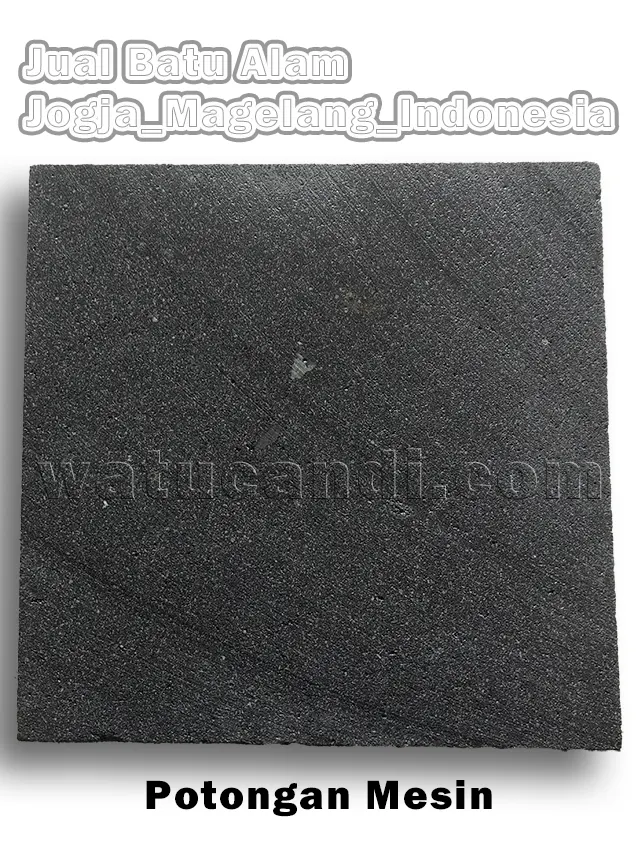
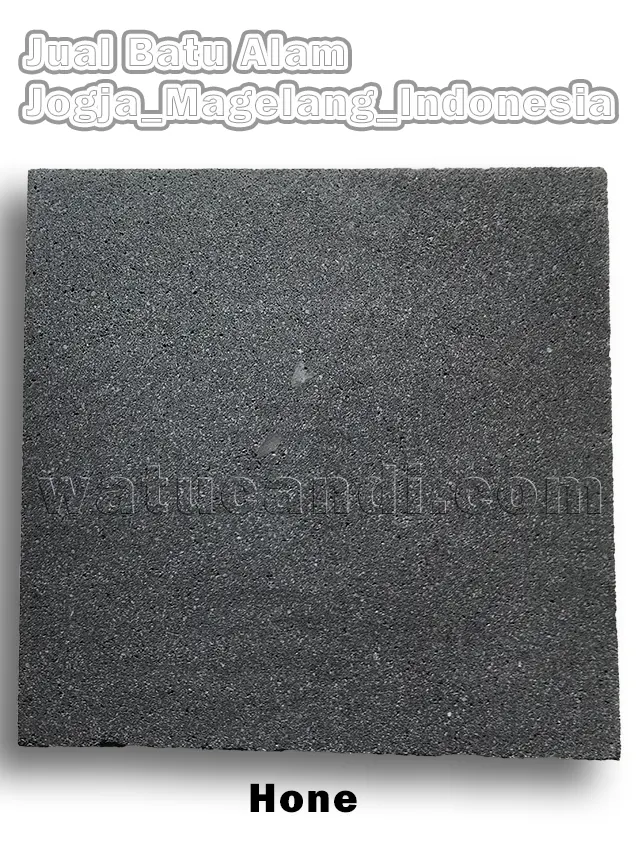
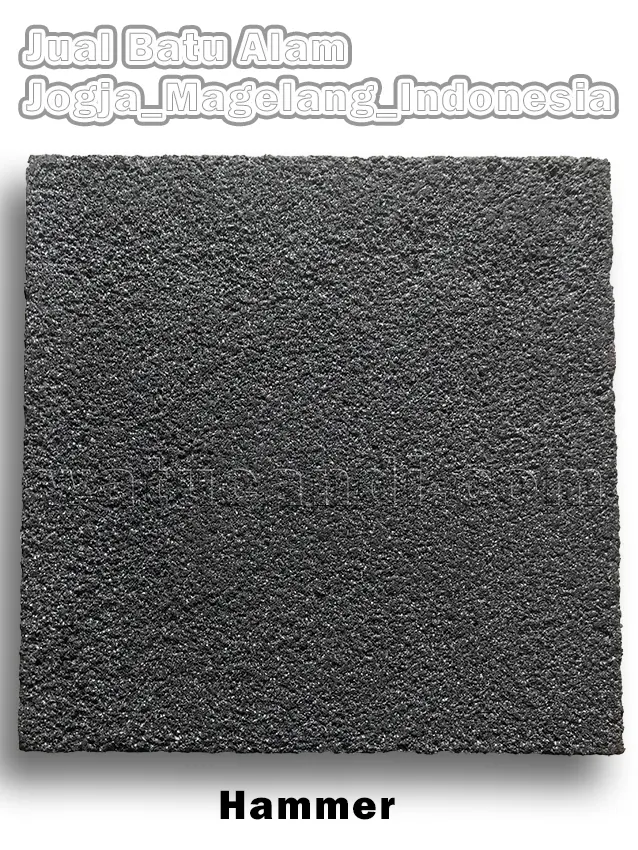
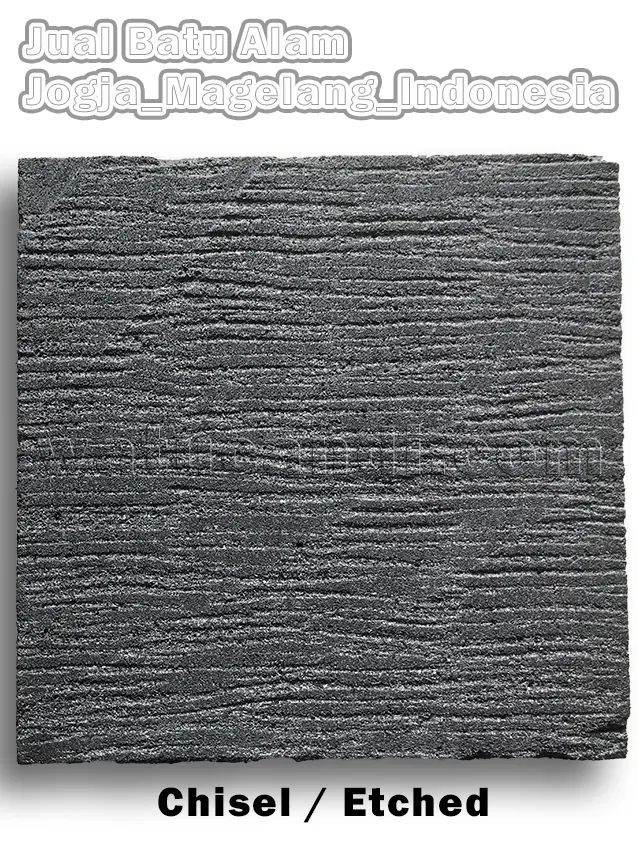
- Honed Finish (Smooth): Surface ground until flat and smooth. Suitable for pool walls where minimal friction is needed. Provides a more formal and neat appearance.
- Rough/Chiseled Finish: Surface left natural or slightly carved to add texture. Highly recommended for pool bottoms and stair areas due to its anti-slip properties, increasing swimmer safety, especially for children and the elderly.
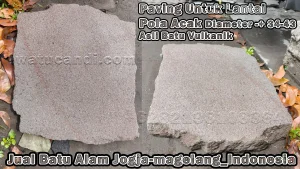
For design inspiration for floor areas around the pool (decking) that harmonize with green stone, you can consider using our premium natural stone flooring collection. The combination of wood deck, gray andesite stone, and green pool creates a very elegant earth-tone color palette.
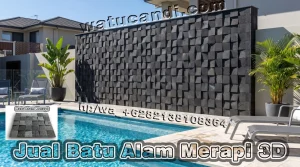
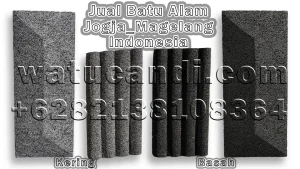
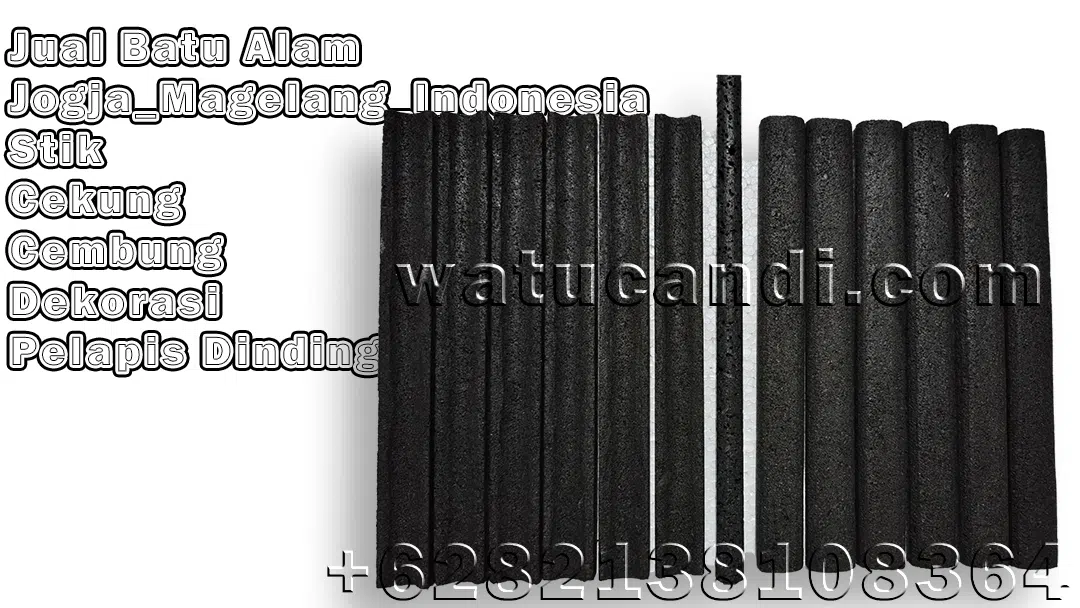
If you want a more dramatic look on pool edge walls, combining green stone with black Merapi lava stone is a classic choice. The contrast between bright green and deep black highlights the beauty of each material. For more technical details regarding differences in local stone quality and precision, you can read our article on comparison of local vs precision green stone.
Installation and Maintenance of Green Swimming Pool Stone
Although zeolite stone is known for its durability, correct installation is crucial to prevent leakage and peeling. Use special flexible and water-resistant natural stone adhesive. Ensure the pool wall substrate is completely dry and clean before installation. After installation, perform grouting with special stain-resistant cement to prevent moss growth in tile gaps.
Green stone maintenance is relatively easy. Due to its porous nature, avoid using overly harsh or strong acid pool cleaning chemicals in the long term, as they can damage the zeolite crystal structure. Simply brush the pool walls regularly to remove attached algae. If calcium buildup (white crust) occurs, use dilute acid cleaners periodically as advised by professionals. For further reference on maintenance, check our guide on ultimate guide to green stone tiles for swimming pools.
Inspiration for Complementary Products from WatuCandi
To create a perfect swimming pool ecosystem, WatuCandi provides various other natural stone products that can be integrated with Sukabumi green stone:
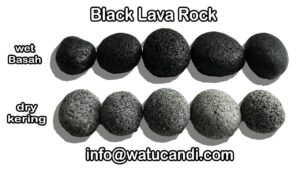
- Black Lava Stone: For wall accents or volcanic pebbles at the bottom of water gardens.
- Candi/Mosaic Stone: Use candi lava stone mosaic for artistic details on fountain features in the pool.
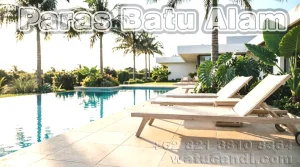
- Paras/Palimanan Stone: For decking areas or companion walls, palimanan paras stone tiles offer soft cream colors that contrast beautifully with pool green.
- Natural Stone Accessories: Complete the poolside area with handmade stone tables and chairs for relaxing, or natural stone soap dispensers for outdoor showers.
- Stone Sinks: For changing room bathrooms in the pool area, choose black basalt sinks or rough surface marble sinks that are moisture resistant.
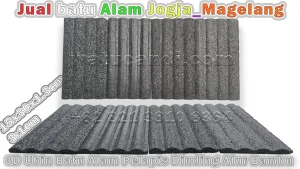
We also provide complete solutions for pool coping stone tiles that are safe and aesthetic, as well as various options for lava stone exterior design for fences or boundary walls around the pool area.
Conclusion: Long-Term Investment for Quality of Life
Choosing Green Swimming Pool Stone Sukabumi zeolite is not just a design trend, but an investment for health, comfort, and property aesthetic value. With natural abilities to filter water, regulate temperature, and provide a calming natural nuance, this stone offers a swimming experience unmatched by synthetic materials. Its natural uniqueness, where each tile has a slightly different pattern, guarantees that your swimming pool will be a one-of-a-kind work of art in the world.
WatuCandi is committed to providing export-quality green zeolite stone with strict quality control. We understand that every project is unique, so our expert team is ready to assist you from selecting finishing types, calculating material needs, to technical installation consultation. Explore our complete catalog, including our online natural stone store, to find more inspiration about Sukabumi green stone and various other Indonesian natural stone variants.
Do not hesitate to contact us to get stone samples and the best price offers. Let us create your private oasis with the eternal natural touch of Green Swimming Pool Stone.
green swimming pool stone, green zeolite stone, sukabumi stone, green pool tiles, sukabumi green stone price, zeolite stone manufacturer, pool natural stone distributor, anti moss natural stone, zeolite stone advantages, how to install green pool stone, pool stone maintenance, watucandi natural stone, authentic zeolite stone, export green stone, minimalist pool design, tropical natural stone, cheap green stone, zeolite stone specifications, smooth green stone, rough green stone, west java natural stone, non slip pool stone, natural zeolite stone, premium green stone, buy green stone online, fish pond natural stone, natural green stone, sukabumi zeolite stone, watucandi green stone, export quality natural stone,

One thought on “Green Swimming Pool Stone: Complete Sukabumi Green Zeolite for Pure Aesthetics and Function”