
Cream limestone slabs are a finishing material that brings warmth, softness, and natural luxury into every space. Sourced from the best types of limestone such as Paras Jogja and Palimanan, this material has long been the primary choice for architects and designers to create an elegant, lush, and classy atmosphere. Its soft cream color reflects light beautifully, making rooms feel more spacious, bright, and inviting.
The specialness of cream limestone slabs lies not only in their beautiful color but also in the unique characteristics of the material. Limestone has a relatively smooth texture and is easy to shape, allowing natural stone craftsmen to create various surface finishes, ranging from smooth like honed to rough like bush hammered. This flexibility makes it very versatile for applications on walls, floors, and other decorative elements.
This article will discuss in depth cream limestone slabs, from their types and characteristics to their production process and various applications in interior and exterior design. As a direct producer from Yogyakarta-Magelang, Watu Candi proudly presents premium quality limestone products to meet your project needs.
Getting to Know Types of Cream Limestone
The term “cream limestone” actually refers to several types of natural stone with similar characteristics, namely a base color of cream or light cream. In Indonesia, some of the most popular types include:
- Paras Jogja: Limestone originating from the Yogyakarta area and its surroundings. Famous for its light cream to yellowish cream color, its relatively soft texture which makes it easy to carve, and its affordable price. Learn more about Paras Jogja.
- White Palimanan / Super White: Limestone from Palimanan, Cirebon, famous for its very bright color, almost pure white with a slight cream nuance. Denser and harder than Paras Jogja. See the Super White Palimo stone collection.
- Hard Cream: A type of limestone that has a higher density and hardness level than common limestone. This makes it more durable and suitable for floor applications that receive high traffic loads.
The choice of limestone type will greatly affect the final result and durability of your project. For high-traffic areas such as floors, it is recommended to use harder types such as hard cream or super white palimanan. Meanwhile, for decorative walls, Paras Jogja is an excellent choice due to the beauty of its texture.
Visualization: Large Slabs for Luxurious Wall Cladding
The first image displays large cream limestone slabs, 60×120 cm in size, ready to be used as wall cladding. This large size minimizes the number of grout lines, creating a cleaner, more modern, and luxurious look. Its soft cream color reflects light beautifully, making the room feel more spacious and bright.

The use of large-sized stone slabs is a modern design trend that is becoming increasingly popular. With fewer grout lines, walls will look smoother and more elegant. This is a perfect choice for living rooms, hotel lobbies, or accent walls in commercial buildings.
Production Process of Limestone Slabs
The production of cream limestone slabs involves a series of careful processes, from mining to final finishing. Natural stone factories like Watu Candi use a combination of modern technology and traditional expertise to produce products with the best quality.
- Mining: Limestone is mined from locations proven for their quality. The mining process is carried out carefully to avoid damage to the stone blocks.
- Block Cutting: Large stone blocks are then cut into slabs of specific thickness using precision saw machines.
- Thickness Calibration: For projects requiring uniform thickness, stone slabs undergo a calibration process using special machines. This process ensures each slab has precise thickness, facilitating installation and resulting in a flat final surface.
- Surface Finishing: This is the stage where natural stone craftsmen give the final touch to the stone surface. Various finishes can be applied, such as sawn cut, honed, bush hammered, or acid wash.
Each stage requires precision and skill. A small mistake can ruin the entire stone slab. That is why it is important to choose an experienced and reputable producer like Watu Candi.
Gallery: Supplier of Cream Natural Stone Tile Slabs
The following image shows cream natural stone tile slabs made from hard paras stone. Its large size, 60×120 cm with a thickness of about 3 cm, makes it sturdy and ideal for various applications. Note its bright and even cream color, indicating good raw material quality.

As a producer and supplier, Watu Candi ensures that every product shipped has undergone strict quality checks. We only use the best raw materials and process them with the highest standards to ensure your satisfaction.
The Beauty of Limestone Surface Finishes
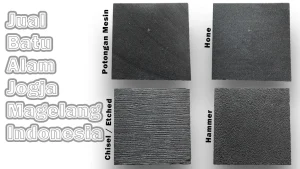
One of the main advantages of cream limestone is its ability to accept various types of surface finishes. Each finish provides different character and function, allowing you to customize the material to your design needs and application. Here are some of the most common finishes:
- Sawn Cut: The stone surface is left rough with saw cut marks. The texture is smooth but not slippery, giving a natural and modern impression. This finish is very popular for exterior walls.
- Honed: The stone surface is sanded until smooth and soft to the touch. The original color of the stone becomes more prominent. This finish is suitable for interior floors wanting a luxurious impression.
- Bush Hammered: The stone surface is struck with a serrated hammer, creating a flat rough texture that is anti-slip. Ideal for bathroom floors, pool areas, or pathways.
- Acid Wash: The stone surface is washed with an acid solution to etch the outer layer, creating a texture that is smooth yet natural. This finish gives an antique and classic impression.
To see a comparison between various types of finishes on limestone, you can read the guide to honed and sawn cut finishes on paras stone.
Visualization: Bright Cream Surface from Finishing
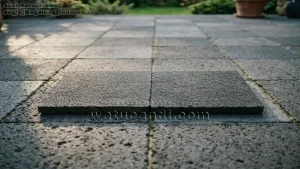
This image displays the bright cream surface of natural stone slabs resulting from a specific finish. Its smooth texture and soft color give a clean and elegant impression. A surface like this is very suitable for interior or exterior walls wanting a smooth yet natural look.
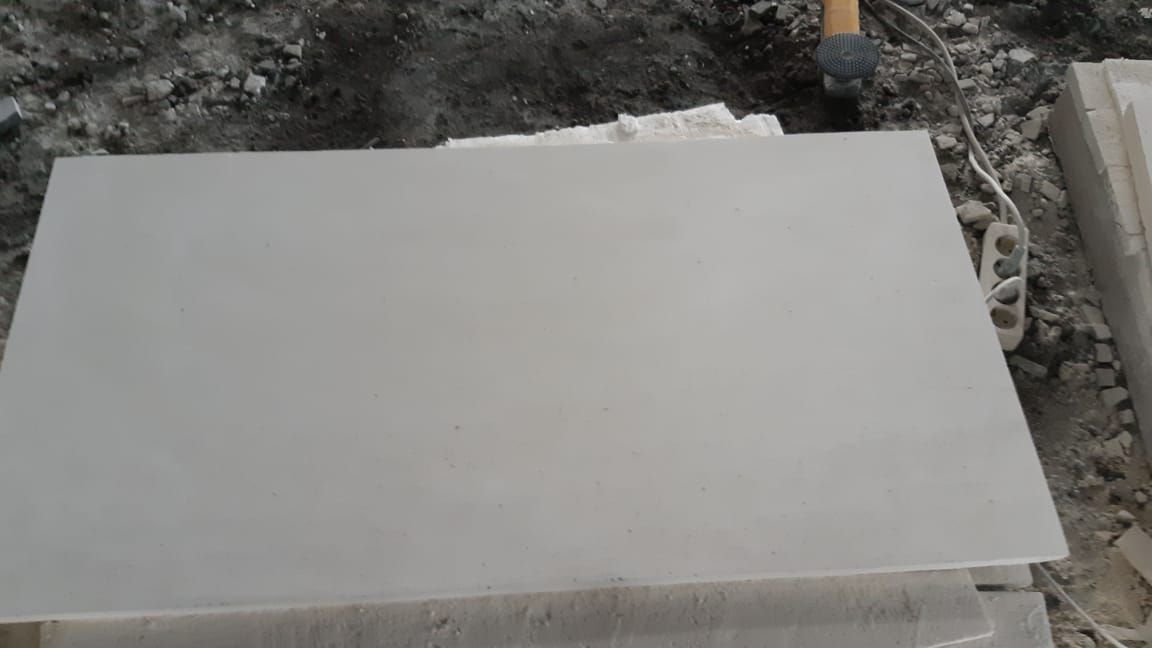
The light cream color on limestone has the ability to reflect both natural and artificial light, creating a brighter and glowing room effect. This is a smart choice for rooms with minimal lighting or to save on lamp energy.
Texture Differences: Sawn Cut vs Honed
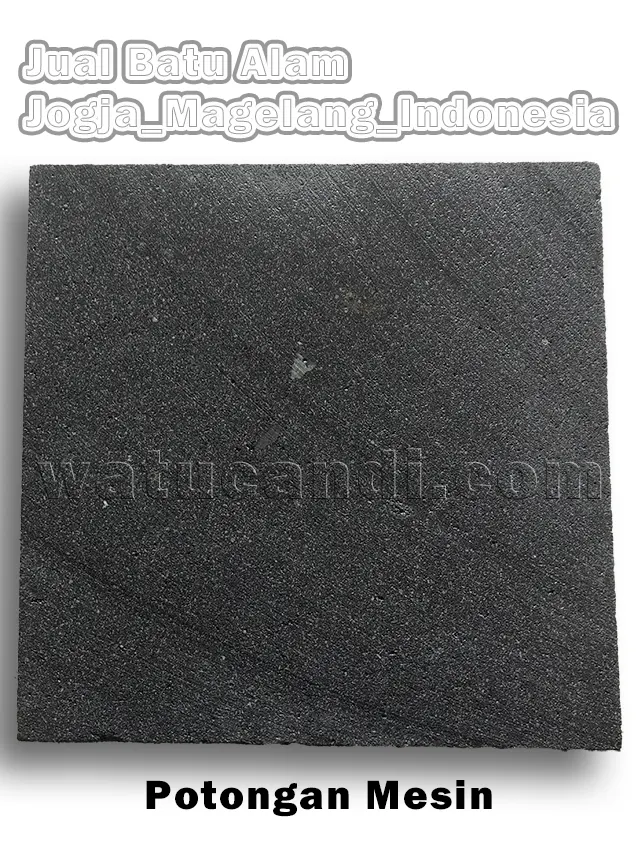
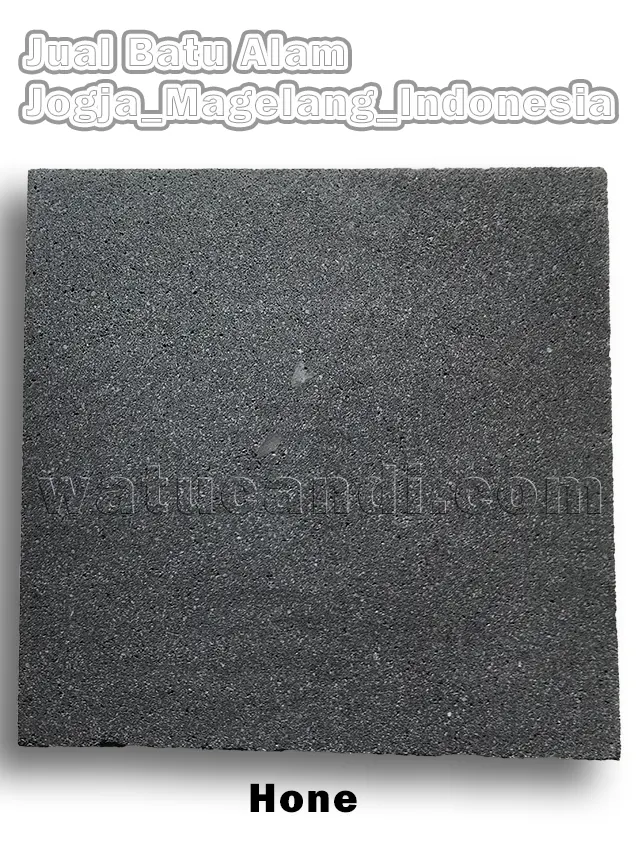
Understanding the difference between sawn cut and honed finishes is very important for choosing the right material. Sawn cut retains the natural texture from the saw cut, which tends to be rougher and has better grip. Meanwhile, honed goes through an additional sanding process that makes its surface smoother and softer.
Visually, they are also different. Sawn cut gives a more rustic and industrial impression, while honed gives a smoother, more luxurious, and classic impression. The choice between the two depends on the design style you want to achieve and the function of the application area.
Gallery: Comparison of Limestone Face Textures
The following image directly compares the honed and sawn cut face textures on cream limestone. You can clearly see the difference in texture. The left side which is honed looks smoother and flatter, while the right side which is sawn cut has characteristic fine line textures.
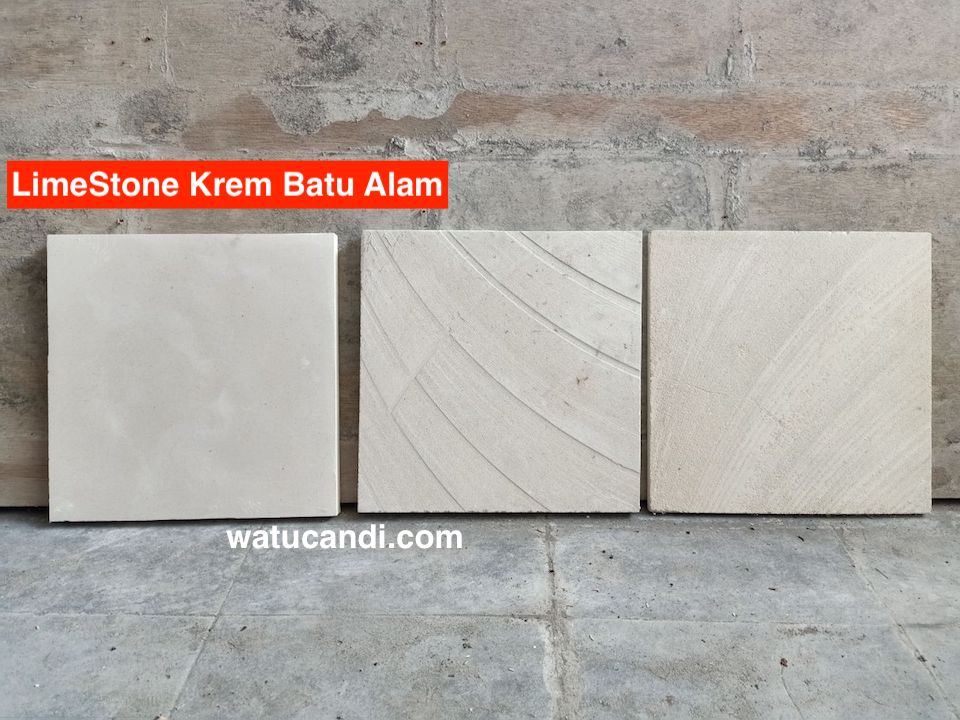
By understanding this difference, you can make a more informed decision. For bathroom floors, for example, sawn cut or bush hammered finishes will be safer because they are not slippery. Meanwhile for living room walls, honed will provide an unmatched luxurious impression.
Uniqueness of Natural Limestone Patterns and Colors
One of the main attractions of cream limestone slabs is the uniqueness of their patterns and colors. Although sourced from the same quarry location, each stone slab has slightly different visual characteristics. This is a hallmark of natural material that cannot be replicated by factory-made products.
Some common pattern variations found in cream limestone include:
- Plain Cream: Even cream color across the entire surface, without prominent patterns or veins. Gives a clean and minimalist impression.
- Pure White: Very clean and bright white color, almost without cream nuances. Suitable for designs wanting a very bright and sterile impression.
- Brownish Veins (Travertine Light Beige): White cream base surface with fine light brown veins. Gives a warm and artistic impression, similar to imported travertine stone.
This variation allows you to choose the material that best suits the color palette and design style of your project. You can view our complete limestone collection in the Watu Candi product catalog.
Gallery: Closer Look at Sawn Cut
This image displays a closer look at the face of cream paras natural stone tile slabs from sawn cut finishing. You can see the fine lines from the cutting process that create a unique texture. This texture is not only visually attractive but also provides good grip, making it safe for use as flooring.
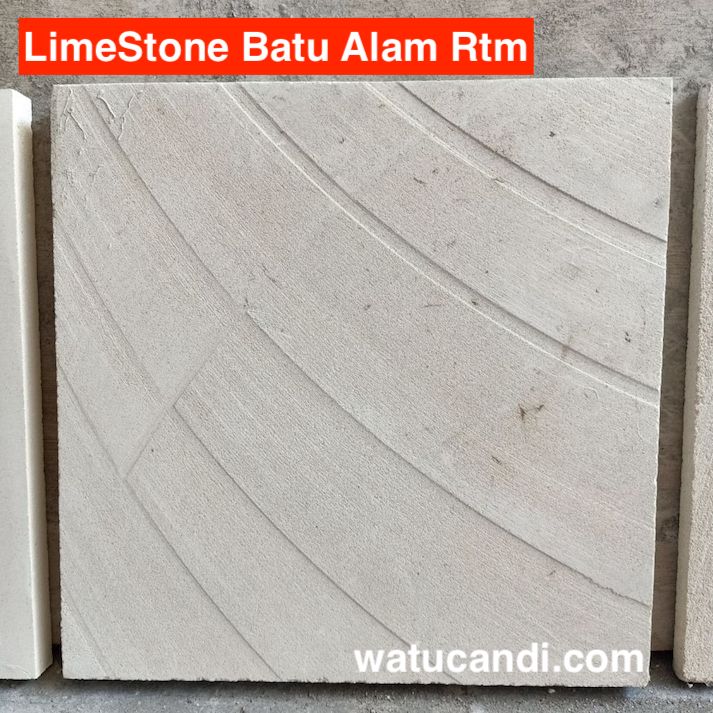
Sawn cut finishing is an excellent choice for exterior applications due to its weather resistance and non-slip properties. It is also a popular choice for industrial and contemporary design styles.
Applications of Cream Limestone Slabs
Cream limestone slabs are a very versatile material. Their beauty and unique characteristics make them suitable for various applications, both interior and exterior. Here are some of the most popular applications:
- Wall Cladding: The most common application. Limestone slabs provide texture and warmth to walls, both indoors and outdoors.
- Flooring: With the right finish, cream limestone can be used as beautiful and durable flooring.
- Top Table and Countertop: Thick limestone slabs can be made into unique tables, kitchen countertops, or bathroom vanities.
- Decorative Elements: Pillars, wall moldings, or other carved elements can be made from limestone to add aesthetic value to the building.
Gallery: Beauty of Honed Finish on Limestone
The following image shows the face view of cream paras natural stone tile slabs from honed finishing. The surface looks very smooth and soft, highlighting the bright and even cream color. This finish gives the most luxurious and elegant impression among all types of finishes.

Floors or walls with honed finish will reflect light beautifully, creating a warm and inviting atmosphere. This is a perfect choice for living rooms, bedrooms, or other areas where you want to create a luxurious and comfortable impression.
Abstract Random Limestone: Irregular Natural Art
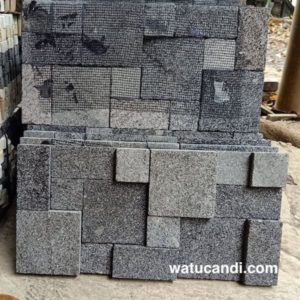
In addition to slabs with precise sizes, cream limestone is also available in abstract random forms. These are stone pieces with irregular sizes and shapes, arranged like a puzzle to create a wall with very unique texture and pattern. This style is very popular for creating artistic exterior walls that blend with nature.
The beauty of abstract random limestone lies in its irregularity. Every wall produced will always be different, creating a truly unique work of art. This random pattern also helps to camouflage the joints between stones, creating the illusion of a natural stone wall.
For further inspiration on natural stone installation patterns, you can read the guide to random pattern candi stone wall cladding.
Gallery: Beauty of Random Pattern Limestone Skin
This image displays the beauty of cream limestone skin with a natural rough face, illustrated in an irregular random installation pattern. Notice how stone pieces of various sizes and shapes interlock, creating a dynamic and attractive composition.

This installation style is very suitable for garden walls, fences, or building facades that want to highlight a natural and organic impression. Cream limestone will add a warm and elegant touch to your landscape.
Conclusion: An Elegant Choice for Every Project
Cream limestone slabs are a material that offers a perfect combination of beauty, warmth, and flexibility. With various types, finishes, and installation patterns available, this material can meet almost all architectural design needs. From smooth luxurious walls to textured rustic floors, cream limestone always succeeds in creating an elegant and inviting atmosphere.
As a direct producer, Watu Candi is committed to providing premium quality limestone products at the best prices. We are ready to help you choose the material that best suits your project and provide the technical support you need. Contact us today for a free consultation and get an attractive offer.
Cream Limestone Slabs, Paras Jogja Stone, White Palimanan Stone, Cream Limestone Tile, Natural Stone Wall Cladding, Limestone Tile, Super White Limestone, Paras Stone Producer, Honed Finishing, Custom Natural Stone.