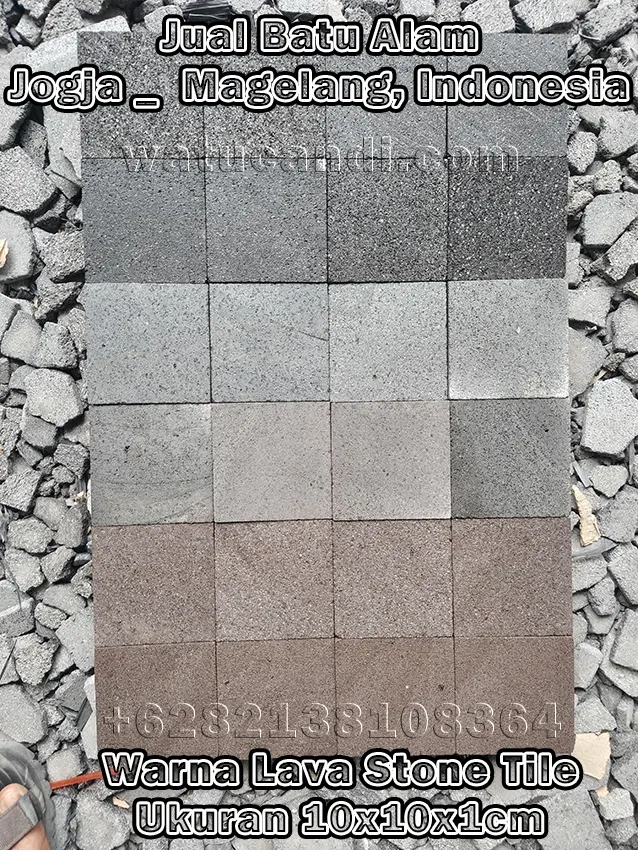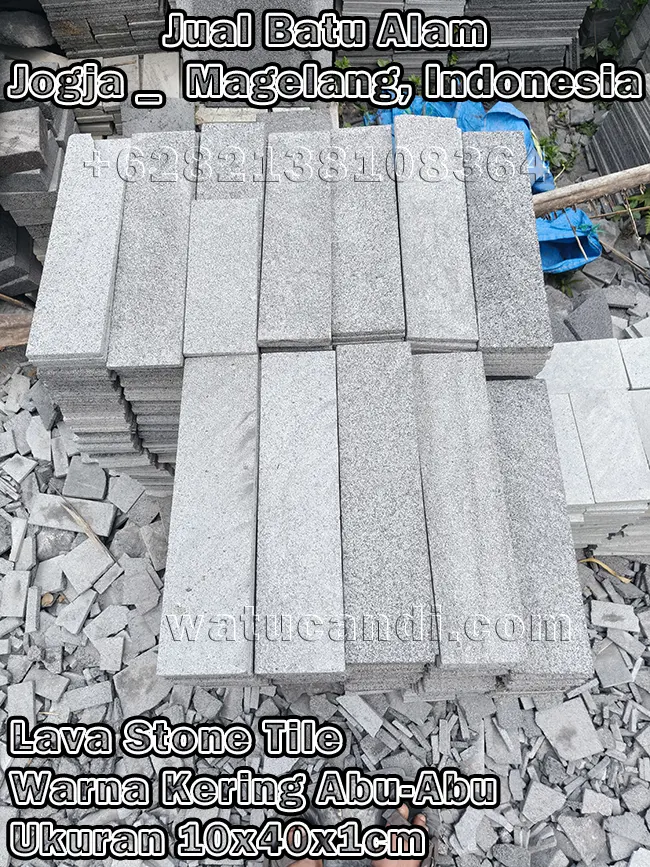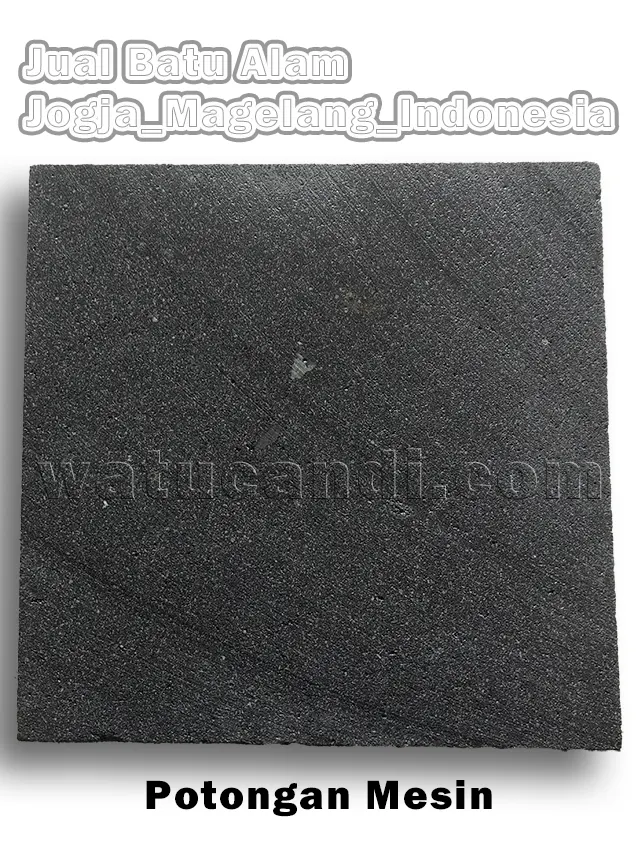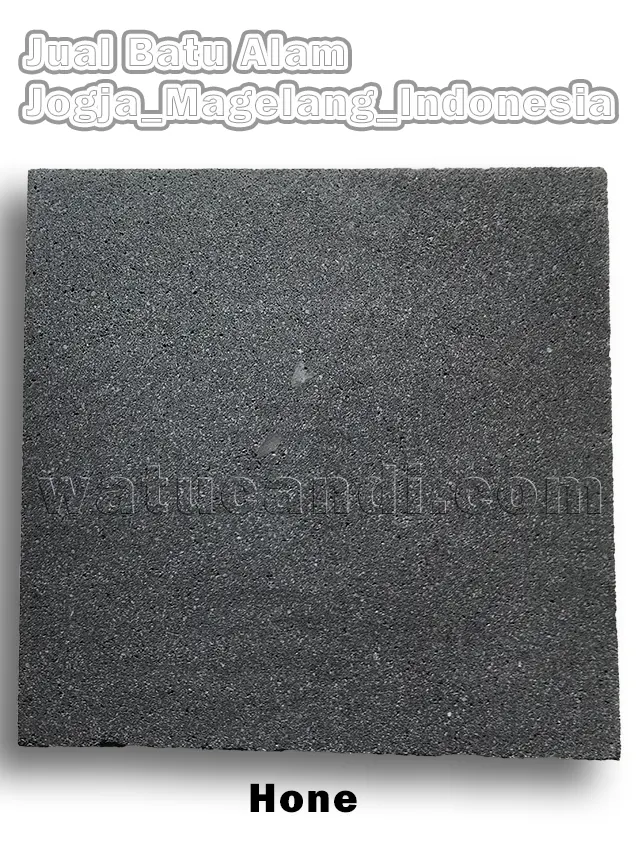
“True luxury does not always shout; sometimes it whispers elegantly. Jogja Paras Natural Stone redefines the standards of luxury in contemporary design through its sophisticated simplicity. Sourced from the heart of Gunung Kidul, every slab of paras stone carries a unique story of thousands of years of sedimentation. Its bright colors and smooth texture offer a rare sensory experience, transforming ordinary walls into living art galleries that make anyone who enters feel valued and calm.”
Forget the old definition of natural stone as heavy and dark. Jogja Paras Natural Stone is a color revolution in the construction world. It is the answer for those bored with the monotony of painted walls but afraid of the ‘too rustic’ impression of brick. With its chic, minimalist, and versatile character, paras stone bridges the gap between Javanese tradition and global modern lifestyles. Bright, bold, and timeless.
Imagine a canvas where light is the main player. Jogja Paras Natural Stone acts as the perfect medium that captures, reflects, and dances with sunlight. Unlike dark stones that absorb energy, the bright palette of paras stone, ranging from Super White to Golden Cream, creates the illusion of a more spacious, clean, and airy room. For designers seeking a balance between minimalist luxury and organic warmth, this limestone from Jogja land is an unmatched natural masterpiece.”
As a trusted distribution center and producer, we present premium building material solutions that are not only functional but also have high artistic value. Jogja paras stone is not just a wall covering material; it is an aesthetic element that brings the “calm” philosophy typical of Yogyakarta into your modern home. In this comprehensive guide, we will thoroughly discuss everything about paras stone, from its geological formation process, technical characteristics, finishing variations, to maintenance tips so that the eternal beauty of this natural stone remains preserved throughout time.
Getting to Know the Captivating Beauty of Jogja Paras Natural Stone
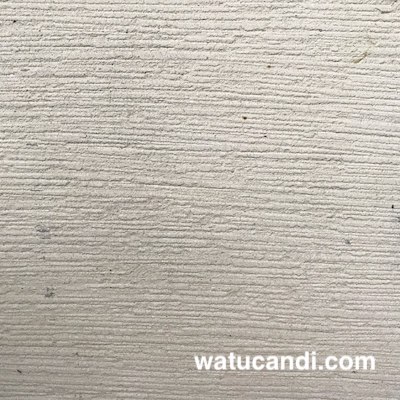
Are you planning a total renovation for your dream home? Or perhaps you are an architect looking for key materials for a luxury villa project with a tropical touch? Or simply want to add a distinctive accent from the Special Region of Yogyakarta to your living room? Jogja Limestone Paras is the answer to all these decorative needs.
This stone is formed through a natural sedimentation process over thousands of years. Its main component is calcium carbonate (CaCO3) derived from deposits of ancient marine organism shells and fine sand grains that compact into sedimentary rock. Unlike igneous rocks such as granite or lava which are formed from hot magma, paras stone has a softer and more porous structure, giving it unique advantages in terms of ease of processing and soft visual aesthetics.
What is Jogja Paras Stone? Definition and Origin
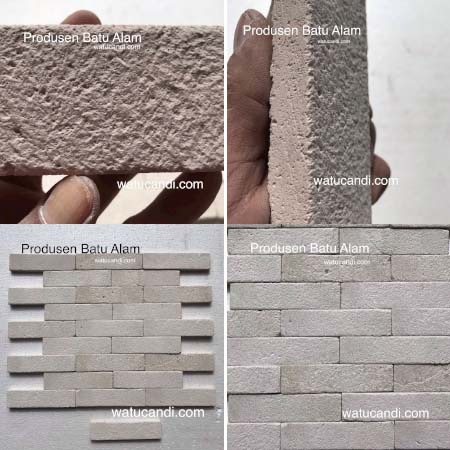
Geologically, paras stone falls into the category of limestone or limestone. However, the term “Paras Jogja” specifically refers to a type of limestone mined in the Gunung Kidul area and its surroundings in Yogyakarta. The name “Paras” itself is often associated with its surface texture which is smooth like “paras” (fine/soft) when touched, unlike limestone from other regions which may be rougher or harder.
The availability of this stone in Yogyakarta makes it an architectural identity of the region. Many heritage buildings, joglo pendopos, to five-star hotels in Yogyakarta utilize this stone to create a cool, refreshing atmosphere that blends with nature. If you want to bring a piece of Yogyakarta’s soul to your home in another city, paras stone is the most appropriate medium.
Main Characteristics of Jogja Paras Limestone
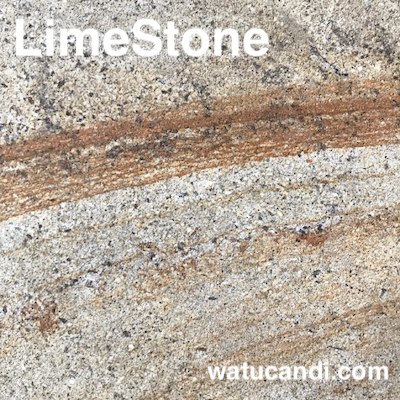
Understanding the physical and chemical characteristics of paras stone is very important before deciding on its use in construction projects. Here is an in-depth analysis of the distinctive features of Jogja paras stone:
1. Smooth and Comfortable Surface Texture
One of the main attractions of paras stone is its smooth texture. Unlike Kerobokan stone from Bali which has large pores and a rough texture, paras stone is formed from fine sand deposits so its surface is flat and soft. This characteristic makes paras stone very safe and comfortable if used as an interior element that comes into direct contact with human skin, such as bedroom walls, bed headboards, or lounge areas.
2. Bright Color Palette: Cream, White, and Yellow
Jogja paras stone is dominated by calming bright colors. Its color variations include:
- Super White: The cleanest and purest color, giving a spacious, hygienic, and very modern impression. Suitable for Scandinavian minimalist or contemporary styles.
- Cream (Beige): A warm neutral color, creating a cozy and inviting atmosphere. Very easy to combine with teak or mahogany furniture.
- Golden Yellow: Provides a classic and luxurious touch, often found in certain paras stone variants that have higher iron oxide mineral content.
These bright colors have the ability to reflect light well, so rooms using paras stone will feel brighter and more spacious, even with minimal lighting.
3. Soft Hardness Level and Easy to Shape
On the Mohs scale, paras stone is classified as a soft rock. This is not a weakness, but an advantage for craftsmen. This soft property allows paras stone to be carved, chiseled, and shaped into various complex motifs relatively easily. This is why paras stone is a favorite for making temple reliefs, 3D wall ornaments, to art statues. For those interested in traditional carving art, you can see our collection of carved temple stone as inspiration, although the base material is different, the artistic principle is similar.
Functions and Applications of Paras Stone in Architecture

The flexibility of paras stone allows it to be applied in various building elements. Here are some popular applications:
1. Minimalist and Elegant Interior Walls
Using paras stone as a feature wall or accent wall in the living room, bedroom, or hallway can drastically change the room’s atmosphere. The combination of cream/white colors with warm lighting (warm white) creates a dramatic and calming effect. For floor inspiration that harmonizes with paras stone walls, you can consider our premium natural stone flooring collection which offers beautiful texture contrasts.
2. Media for Relief Art and Wall Carvings
Because it is easy to carve, paras stone is often used to create relief panels with floral, fauna, or geometric motifs. These panels can be installed as bed headboards, TV backgrounds, or decorative elements in hotel lobbies. The softness of the stone allows for sharp and precise carving details, similar to the techniques used on authentic manually chiseled stone floors, but applied to vertical surfaces.
3. Statues and Indoor Garden Ornaments
The white and cream colors of paras stone are ideal for making Buddha statues, deities, or modern abstract forms. Statues made from paras stone give a spiritual, peaceful, and clean impression. Additionally, paras stone is also used to create indoor garden elements such as large flower pots or mini fountains, although special care is needed due to its porous nature.
In-Depth Analysis: Advantages and Disadvantages of Jogja Paras Stone
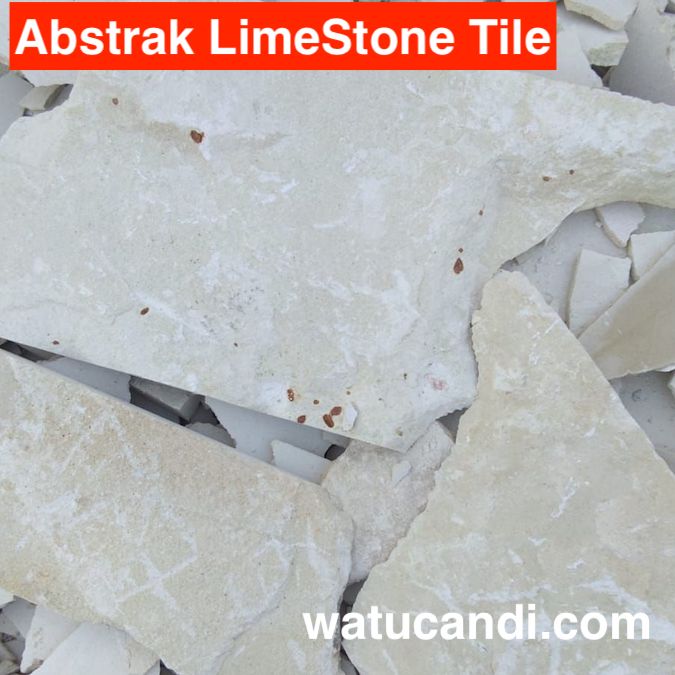
Every building material has its own performance profile. Before deciding to use paras stone, it is important to objectively weigh its advantages and disadvantages.
Main Advantages of Natural Paras Stone
1. Natural, Minimalist, and Elegant Aesthetics
Paras stone brings natural elements into the room without the “heavy” or dark impression like black lava stone. Its bright colors support minimalist design trends that prioritize simplicity and visual cleanliness. The combination of cream and white colors creates a timeless nuance, not easily outdated, and always looks expensive.
2. Yogyakarta Cultural Identity
Using paras stone is a subtle way to respect and display the richness of Yogyakarta culture. The “calm” and smooth nature of this stone reflects the character of Jogja people who are polite and tranquil. For commercial properties such as villas or boutique hotels, the use of local materials adds strong storytelling value for guests.
3. Relatively Easy Maintenance for Indoor Areas
For interior applications protected from rain and direct sunlight, paras stone maintenance is very simple. Just wipe with a damp cloth regularly to remove dust. Light stains can be cleaned with neutral soap. No harsh chemicals are required for daily maintenance.
Disadvantages and Technical Solutions
1. Prone to Moss and Weather Changes
The porous nature of paras stone makes it easy to absorb water. If installed in exterior areas exposed to continuous rain, this stone is prone to moss and fungus growth which can change its bright color to greenish or blackish. Additionally, long-term UV exposure can fade the natural color of the stone.
Solution: If you still want to use it outdoors, it is mandatory to perform a coating process or coating with high-quality waterproof and UV-resistant sealant every 1-2 years. Alternatively, use paras stone only for semi-outdoor areas with large roof overhangs, or combine it with more weather-resistant materials like Merapi lava stone for more open areas.
2. Low Hardness Level (Easy to Break)
As a soft sedimentary rock, paras stone is not as strong as granite or andesite. It is vulnerable to scratches from sharp objects and breaks if subjected to hard impacts. Therefore, paras stone is highly discouraged for use as flooring in high traffic areas or vehicle parking areas.
Solution: Use paras stone primarily for wall cladding applications or non-structural decorative elements. If it must be used as flooring, ensure you choose a minimum thickness of 3-5 cm and avoid areas frequently traversed by high heels or heavy objects. For sturdy exterior flooring, consider lava stone paving slabs which are much more durable.
Jogja Paras Stone Price Guide and Investment
The price of Jogja natural paras stone varies depending on several key factors:
- Color: Super White paras stone is usually priced higher than Cream or Yellow colors due to its rarity and high demand for clean minimalist designs.
- Size: Standard sizes such as 20×20 cm, 30×30 cm, to 40×40 cm have different prices. The larger the size, the more difficult the production process, so the price per square meter can be higher.
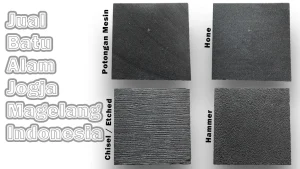
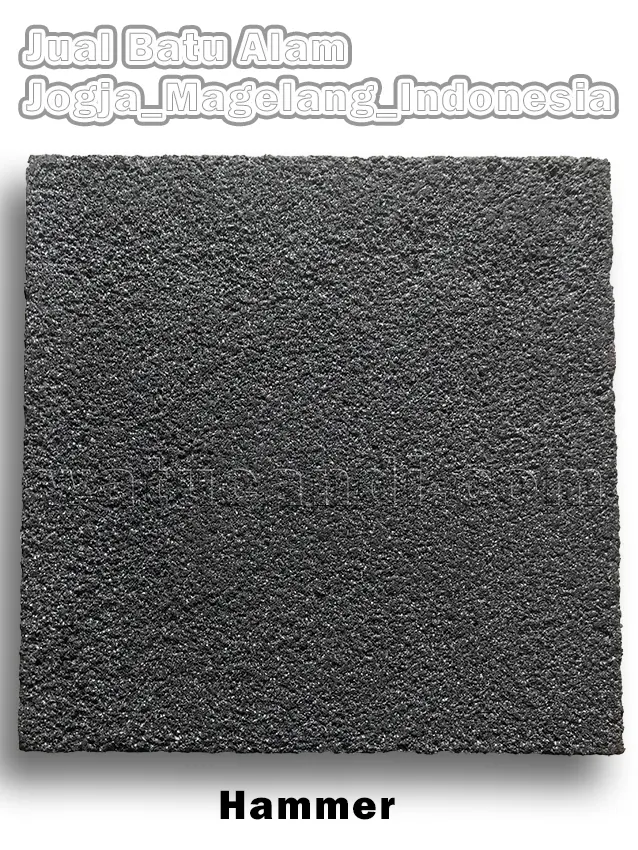
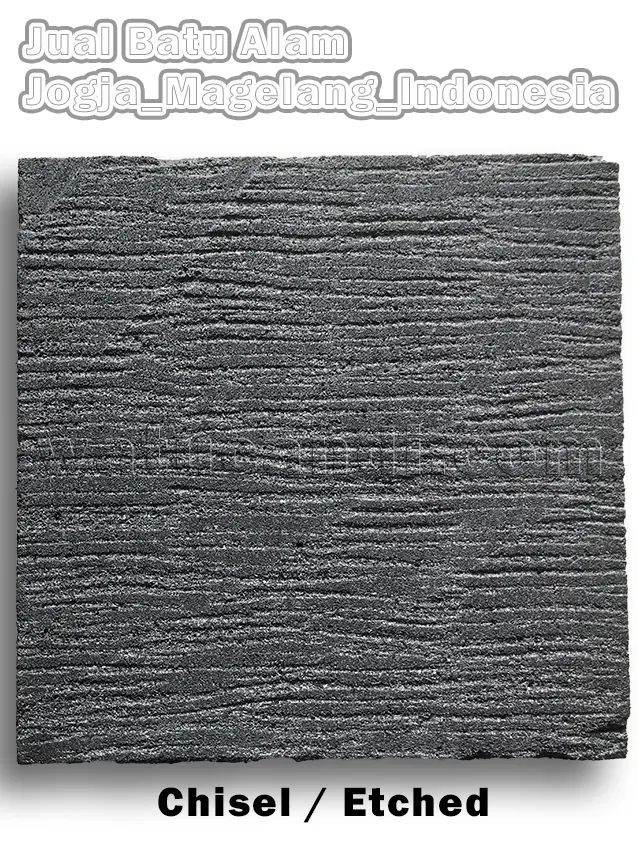
- Finishing: Plain finishing (polished/honed) is generally cheaper than carved or chisel finishing which requires more manual labor.
In general, the price range for Jogja paras stone is between Rp80,000 to Rp150,000 per square meter for basic material. This price does not include shipping and installation costs. Because its production center is in Yogyakarta, ordering from the nearest source or official distributors like our natural stone store can help you get more competitive prices and guaranteed quality.
Comparison of Paras Stone with Other Materials
To help you make a decision, here is a brief comparison of paras stone with other natural stone materials:
| Feature | Jogja Paras Stone | Merapi Lava Stone | Sukabumi Stone |
|---|---|---|---|
| Color | White, Cream, Yellow | Black, Dark Gray | Green |
| Texture | Smooth, Medium Porous | Rough, Dense | Smooth, Slippery when wet |
| Hardness | Soft | Hard | Medium |
| Main Application | Interior Walls, Carvings | Exterior Floors, Walls | Swimming Pools |
| Maintenance | Easy (Indoor) | Moderate (Needs Coating) | Routine (Anti-Moss) |
If you like natural green colors for swimming pools, paras stone is not the right choice. Instead, you should look at Sukabumi green stone which is famous for its ability to maintain pool water clarity. However, for warm interior walls, paras stone remains unmatched.
Natural Stone Combination Design Inspiration
Paras stone does not have to stand alone. Combining it with other materials can create interesting visual dynamics:
- Paras + Teak Wood: Classic Javanese combination. The warmth of teak wood complements the softness of cream paras stone color. Suitable for Modern Joglo style family rooms.
- Paras + Black Lava Stone: Contrast between light and dark. Use paras stone for the main wall and black lava stone for column accents or window frames. See examples of black-white wall combinations for reference.
- Paras + Large Glass: Modern minimalist style. White paras stone walls paired with frameless aluminum black glass windows create a spacious and luxurious impression.
Complementary Products from WatuCandi
To complement the beauty of paras stone in your home, WatuCandi provides various other natural stone products that can be integrated:
- Stone Tables and Chairs: Add a unique touch with handmade stone tables and chairs that are sturdy and artistic.
- Natural Stone Sinks: For spa-themed bathrooms, use black basalt sinks or rough surface marble sinks which provide interesting texture contrast with smooth paras stone walls.
- Bathroom Accessories: Small details like natural stone liquid soap dispensers can unify your bathroom design theme overall.
Conclusion: Choosing Paras Stone for Quality Living
Jogja Paras Natural Stone is a smart choice for those who prioritize aesthetics, comfort, and cultural values in home design. With its calming bright colors, skin-friendly smooth texture, and ease of shaping, paras stone offers extraordinary design flexibility. Although it requires special attention regarding maintenance and placement area (more suitable for interiors), the eternal beauty it offers is worth the investment you make.
WatuCandi is committed to providing premium quality Jogja paras stone with complete variations of sizes and finishes. We understand that every project is unique, so our expert team is ready to help you choose the right type of stone, calculate material needs, to providing technical installation advice. Explore our complete catalog, including natural stone furniture, palimanan paras tiles, and various options of lava stone exterior designs for further inspiration.
Do not hesitate to contact us to get stone samples and the best price offers. Let’s create a living space that is not only beautiful to look at, but also comfortable to feel in the soul, with a natural touch from Jogja Paras Natural Stone.
jogja paras natural stone, paras limestone, super white stone, jogja cream stone, paras stone wall, paras stone carving, paras stone price, paras stone producer, yogyakarta natural stone distributor, minimalist natural stone, natural stone interior decor, smooth natural stone, jogja limestone, jogja limestone, white natural stone, cream natural stone, paras stone characteristics, paras stone advantages, paras stone disadvantages, how to install paras stone, paras stone maintenance, watucandi paras stone, gunung kidul natural stone, traditional javanese natural stone, natural stone for relief, natural stone for statues, cheap natural stone yogyakarta, buy paras stone online, paras stone specifications, paras stone finishing, chisel paras stone, hone paras stone