'%3E%3Cpath%20stroke='%23000'%20stroke-width='4'%20d='m-35-37-13%2020m5%203%2013-20m5%203-13%2020m63%2042%206-9m1-2%206-9m5%203-6%209m-1%202-6%209m5%203%206-9m1-2%206-9m-96%200%2013%2020m5-3-6-9m-1-2-6-9m5-3%2013%2020m63-42-6-9m-1-2-6-9m5-3%2013%2020m5-3-6-9m-1-2-6-9'/%3E%3Ccircle%20r='24'%20fill='%23cd2e3a'/%3E%3Cpath%20fill='%230047a0'%20d='M0%200a12%2012%200%201%201%2020%2013%2024%2024%200%201%201-40-26A12%2012%200%201%200%200%200'/%3E%3C/g%3E%3C/svg%3E)


'/%3E%3Cpath%20fill='%23b2b2b2'%20d='M241%20382q0%2016%2017%2026%2017%2011%2042%2011t42-11q16-11%2017-26V269H241'/%3E%3Cpath%20fill='%239f7e00'%20d='M241%20379q0%2014%208%2023%209%209%2021%209%2014%200%2021-9%209-9%209-23V269h-59'/%3E%3Cpath%20d='M241%20339v-70h59v110q0%2014-9%2023l-6%205v-68h-15v72q-8%200-14-4v-68zm59%2040c0%2022%2015%2032%2029%2032%2021%200%2030-18%2030-32v-40h-59'/%3E%3Cpath%20fill='%239f7e00'%20d='M266%20277v5h2v12h-3v-5h2v-5h-9v5h2v5h-4v9h3v18h-5v10h34v-10h-5v-18h3v-9h-4v-5h2v-5h-9v5h2v5h-3v-12h2v-5zm42%20101q0%2010%206%2017%206%206%2015%207%2010-1%2016-7%206-7%206-17v-29h-43'/%3E%3Ccircle%20fill='%230044ad'%20cx='329.5'%20cy='372'%20r='6'/%3E%3Cellipse%20fill='%230044ad'%20cx='300'%20cy='340'%20rx='16'%20ry='21'/%3E%3C/svg%3E)



In the world of contemporary architecture, flooring material selection is no longer just about functionality; it is a statement of lifestyle and spatial identity. Natural stone tiles emerge as a premium solution that bridges the need for structural durability with timeless visual beauty. Unlike factory-made ceramics or artificial granite which tend to be monotonous, natural stone tiles offer unique textures, natural color variations, and authentic character. This material functions not only as a walking surface but also as a decorative element capable of transforming a home’s atmosphere into one that is warmer, more elegant, and harmonious with nature.

Modern minimalist house construction certainly requires a strong yet aesthetic visual foundation. Natural stone tiles can be the primary solution for decorating your home floors, replacing conventional ceramics that often feel cold and rigid. The main advantage of this material lies in its ability to adapt to various design concepts, from rough industrial styles to lush tropical aesthetics. The use of natural stone as a building material is currently very popular. It is not just one or two luxury homes using it; many simple residences with various models have adopted this material to increase property value.
Using natural stone tiles feels like a necessity for those who want to create home decor and aesthetics that are beautiful and high in artistic value. This material provides an “expensive” and exclusive impression without appearing excessive. In this in-depth article, we will thoroughly discuss everything about natural stone tiles, ranging from types of stone, specific applications for various rooms, installation techniques, to long-term maintenance to ensure your investment remains durable and beautiful.
In-Depth Description of Natural Stone Tile Flooring
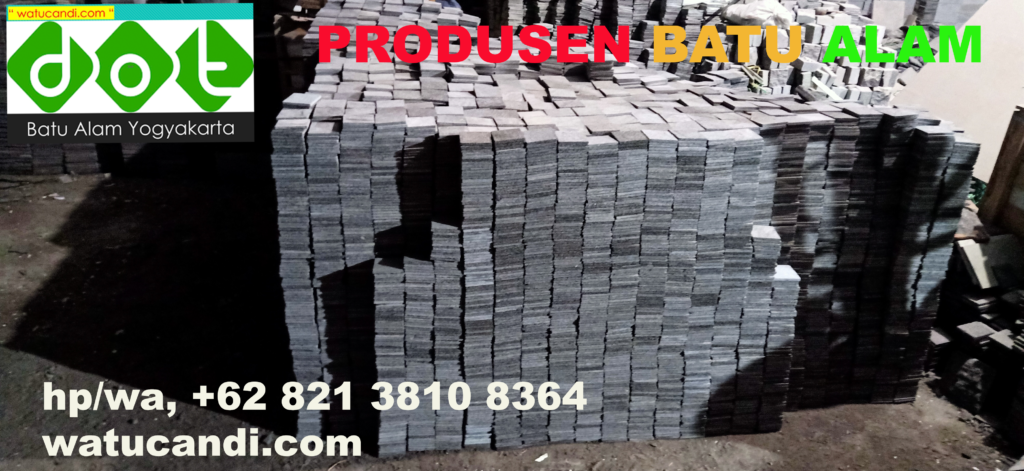
In both technical and aesthetic terms, stone tiles can be described as natural stone flooring processed specifically. Their function is indeed to decorate and strengthen the house in terms of visual foundation and base. Natural stone tiles become an alternative material that is pleasing to the eye and durable in terms of physical and chemical quality. Unlike ceramics produced en masse with machine molds, every sheet of natural stone tile has a unique geological “fingerprint.” No two sheets of natural stone are truly identical, whether in vein patterns, color gradations, or surface textures.
Generally, house floors are made with ceramics due to ease of installation and affordable prices. These ceramics have various special patterns, but they often feel repetitive and cold when touched by bare feet. Different from natural stone tiles which are made from genuine earth rocks processed with special tools so they remain beautiful aesthetically and strong structurally. The thermal properties of natural stone are also different; it tends to maintain a stable temperature, feeling cool during the day and warm at night, providing superior thermal comfort for home occupants.
To understand further about the variety of products available, you can explore our complete collection of natural stone tiles which includes various types of the best volcanic and sedimentary rocks from Indonesia. We provide materials that are not only beautiful but have also been tested for resistance to extreme weather and heavy loads.
Types of Stone as Primary Tile Choices

There are several types of natural stone that can be used for tiles. These types of natural stone can be your choice to decorate your home floors. The selection of stone type is crucial because each rock has different hardness levels (Mohs scale), porosity, and weather resistance. Below is an in-depth analysis of popular natural stone types for tiles:
1. Marble: Symbol of Classic Luxury
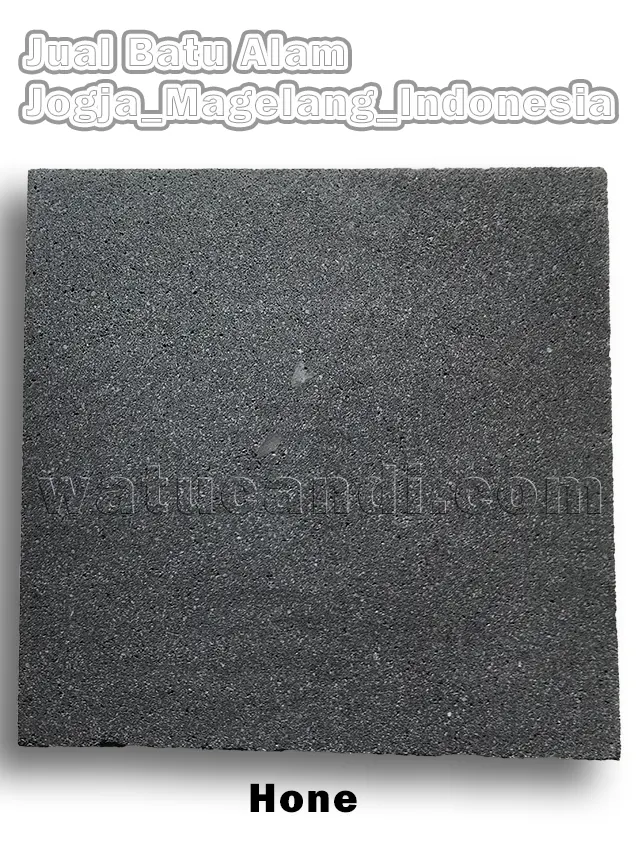
Marble is one of the most famous metamorphic natural stones known for its quality and luxurious patterns. Formed from the recrystallization of limestone under high pressure and temperature, marble has artistic natural veins. Marble can be used as tiles with its smooth texture polished to a shine (polished) or with the shine removed (honed). Furthermore, marble will be very elegant when used as a floor in your home, especially for living rooms, hotel lobbies, or other formal areas.
Rest assured, when your home floor is installed with marble, luxury will arise within your home. The gleam of marble when exposed to lamp light or sunlight will reflect captivating color spectrums, making you comfortable staying at home for long periods. However, it should be noted that marble is relatively softer compared to granite or andesite, making it more susceptible to scratches and acid stains. Regular maintenance with sealing is required.
Additionally, marble can be said to be strong and durable if cared for properly. It is comfortable underfoot and suitable as one of the material choices for your home tiles if you prioritize classic European or neoclassical aesthetics. For inspiration on using marble in furniture and other interior elements, see our guide on integrating natural stone with furniture.
2. Granite: Extreme Durability
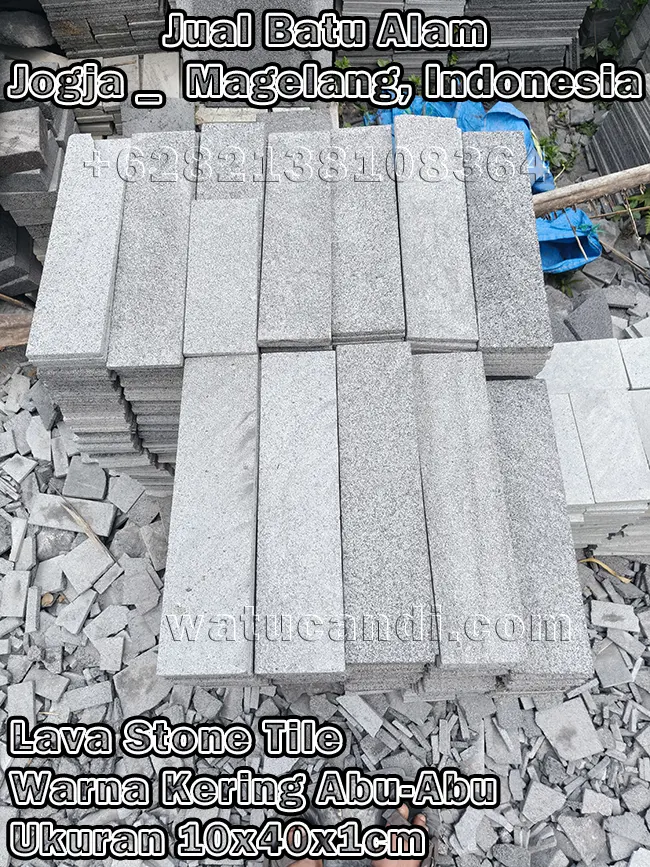
An igneous rock that occurs due to the slow cooling of magma inside the earth’s crust. Its texture is somewhat rough if not polished, light-colored, and sometimes has mineral specks such as quartz, feldspar, and mica. This natural stone is suitable for floors or tiles in your home that have high traffic. Granite is known as one of the hardest rocks, making it almost scratch-resistant and highly resistant to heat and household chemicals.
Besides being hard and strong, granite also has unique aesthetics, does not easily absorb stains from the floor surface if it has undergone a sealing process, and is naturally resistant to extreme weather. You can apply granite for indoor or outdoor home floors, including kitchen areas prone to oil or sauce spills. The availability of granite in various colors, from deep black to pink, allows for wide design flexibility.
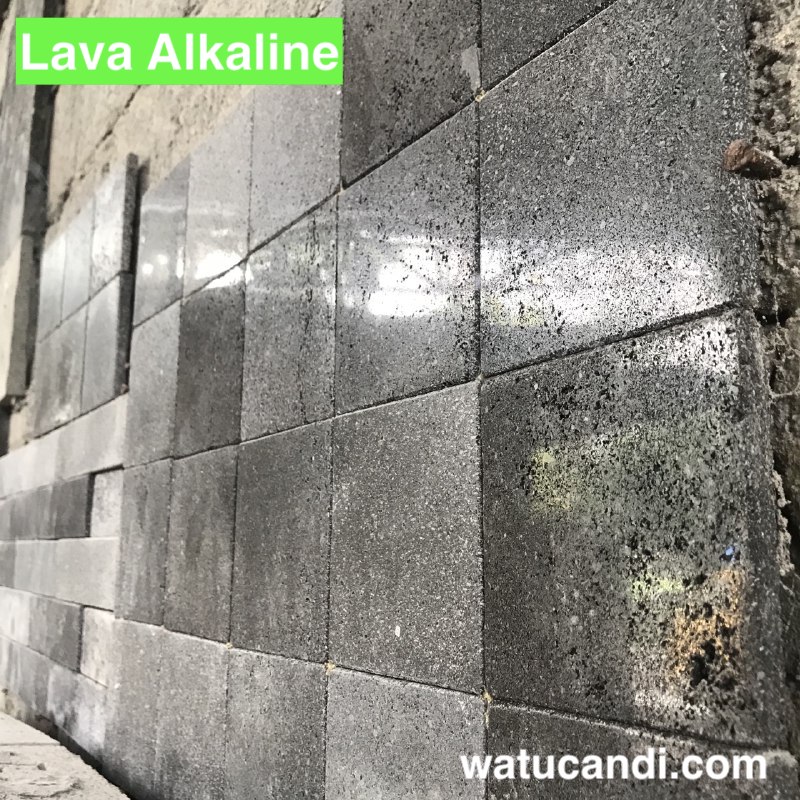
3. Candi Stone (Lava Stone): Volcanic Character of the Archipelago
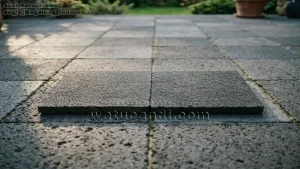
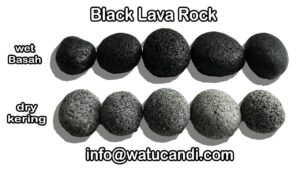
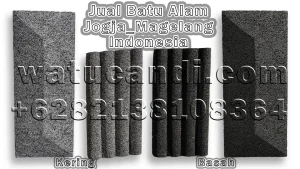
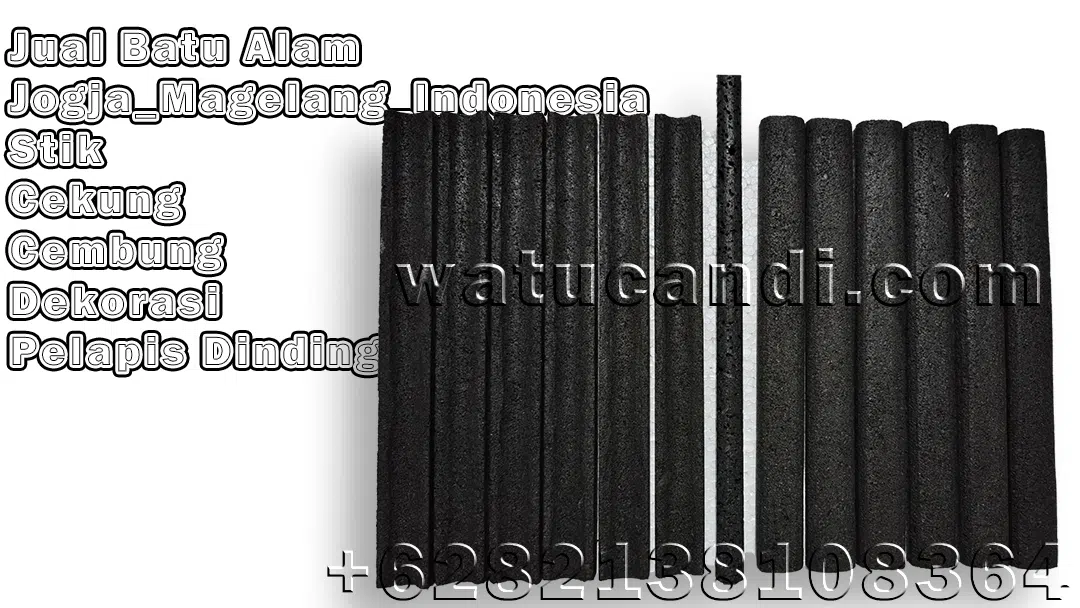
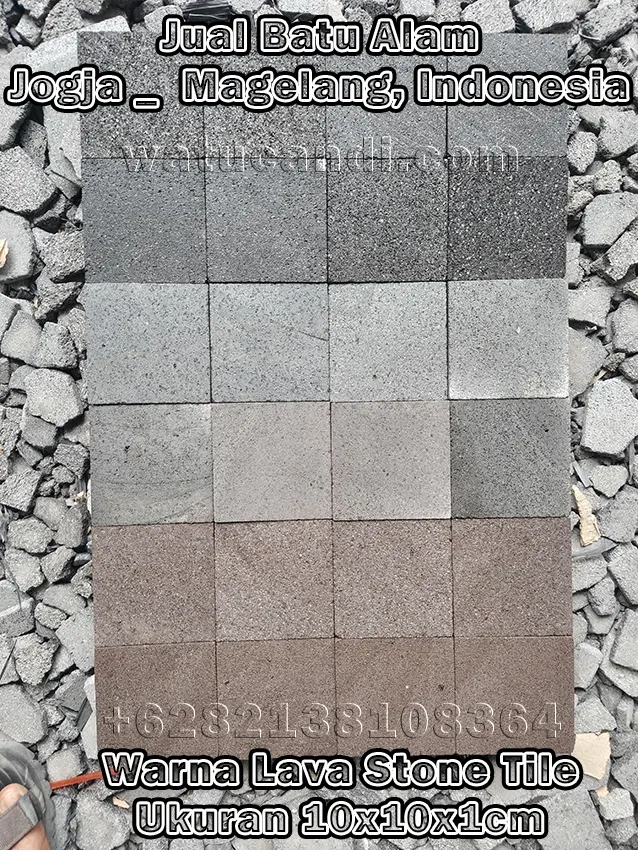
Next is candi stone, a volcanic rock that has characteristic texture and color resembling the historical temples in Java. Its texture is indeed somewhat rough and porous, but it has great compressive strength. Thus, it is suitable for tiles or floors in your home, especially for houses with Javanese, Balinese, or modern tropical concepts. Candi stone, often called lava stone, originates from volcanic eruptions such as Mount Merapi, which cooled and solidified into dense yet lightweight rock.
With proper installation, candi stone can be a unique alternative stone tile with its own beauty. Candi stone has fairly large pores, so it easily absorbs dirt if not coated. However, these pores are also an advantage when used in wet areas due to their natural anti-slip properties. Therefore, you must clean it regularly and re-seal it. Candi stone is very suitable for tiles in front of the house, carports, or garden areas, as it is highly resistant to rain or scorching heat without significant color fading.
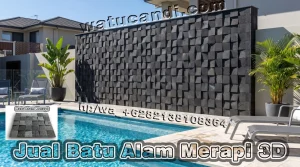
For those interested in wall applications that match candi stone floors, we recommend the guide on random candi stone wall cladding to create visual unity between floors and walls.
4. Andesite: Sturdy Dark Elegance
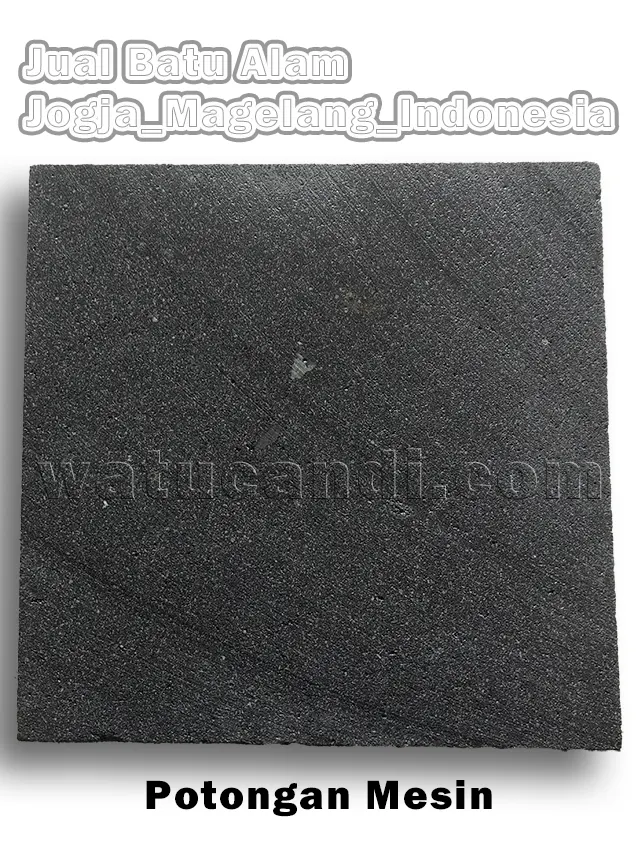
The next choice is andesite, an intermediate volcanic rock that has a dark color (dark gray to black) and small mineral specks. This stone is actually more often installed on walls or building facades due to its dramatic color, but it can still be used for floor tiles with certain finishes. Andesite has high density, making it very resistant to abrasion and heavy loads.
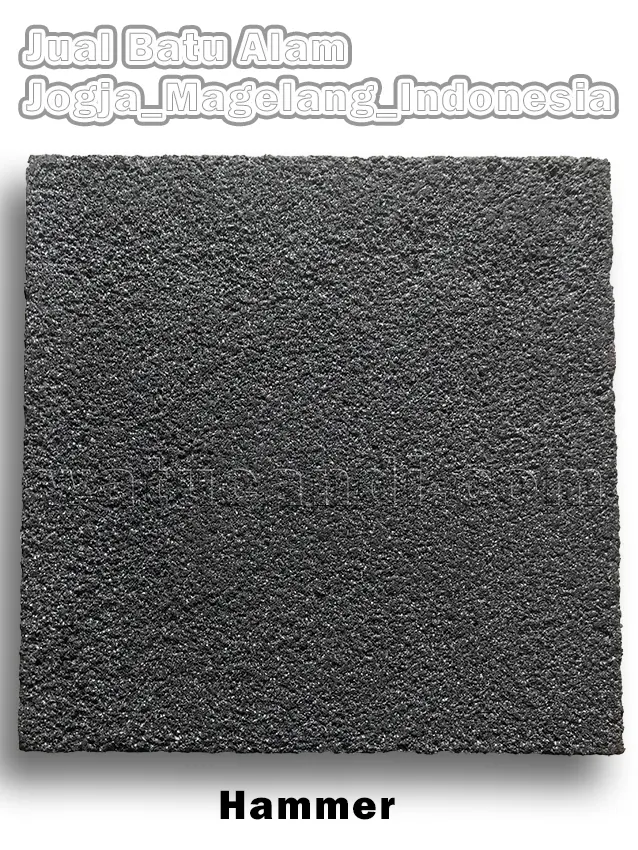
For floor applications, andesite is usually finished with bushhammered (pounded) or flamed (burned) techniques to create a rough and anti-slip surface. This makes it an ideal choice for exterior areas, sidewalks, and pedestrian paths. If you are looking for a premium andesite collection for various applications, visit our premium andesite and lava stone flooring collection.
5. Coral Stone & Zeolite: Safety for Wet Areas
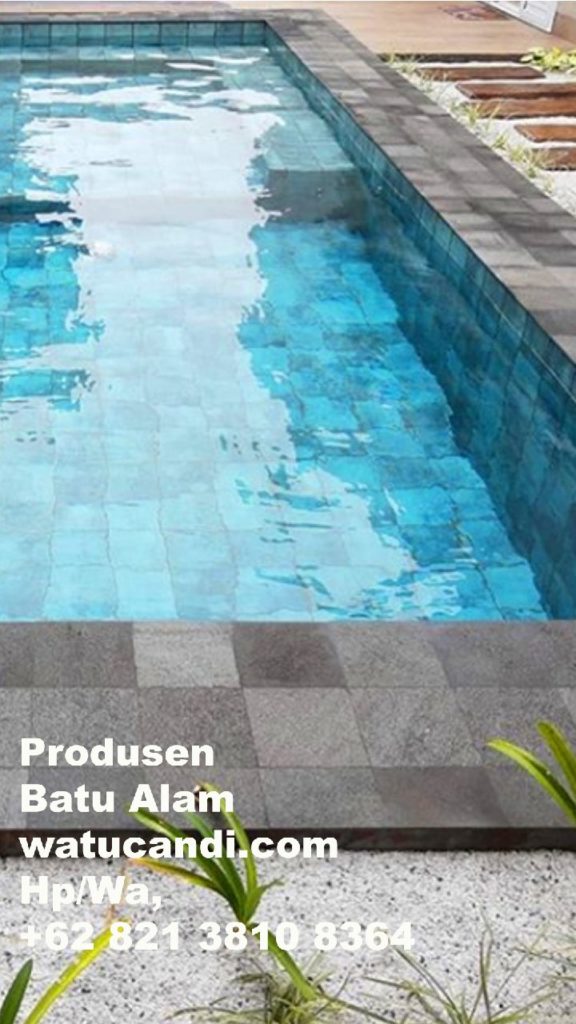
The next types of stone are coral stone and zeolite. Coral stone is round and smooth river stone, while zeolite (often called Sukabumi green stone) is a volcanic rock that changes color to bright green when wet. This stone is suitable for places that potentially become slippery, such as bathrooms, areas around swimming pools, or house yards frequently exposed to rainwater.
The rounded texture of coral stone or the micro-porous nature of zeolite makes these stones suitable for places that get wet and mossy easily. Considering that falling on a slippery floor can endanger safety, especially for children and the elderly, coral stone or zeolite can be the right choice for your tiles. For more information on this trending green stone, read our complete guide on Sukabumi green stone tiles for swimming pools.
Specific Application: Natural Stone for Garages (Carport/Driveway)
The garage or carport area is the zone with the highest mechanical pressure in the house. Here, the floor not only supports human weight but also the static and dynamic loads of motor vehicles which can reach large tonnages. Therefore, there are several natural stones suitable for use in your garage. These tiles naturally have characteristics of strong compressive strength, and are non-slip even when wet from rain or oil.
The most recommended natural stone choices for garage tiles are andesite, black candi stone with a rough finish, or cobblestone. This natural stone has a hard texture and is non-slip, making it suitable for garages. It is advised not to use smooth-textured stones like polished marble or glossy granite for garage tiles. Because vehicle wheels might skid, especially during sudden braking or when the floor is wet, which is certainly very dangerous.
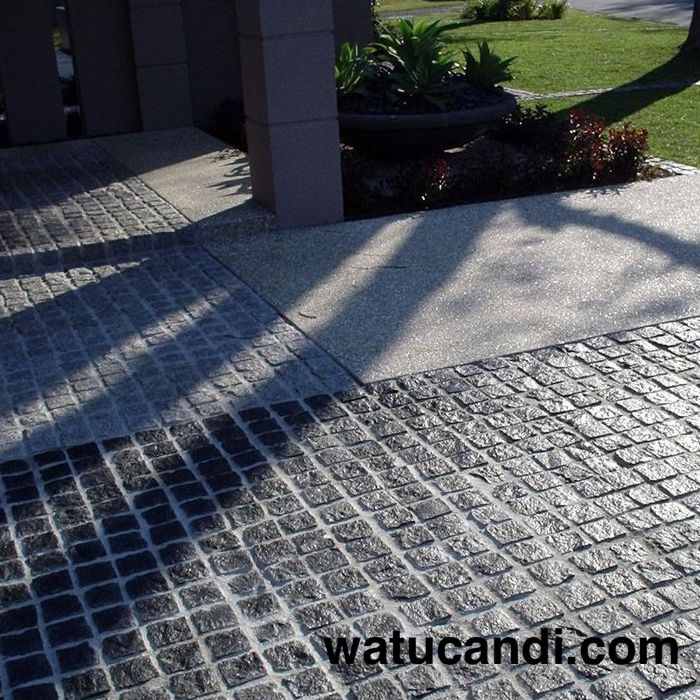
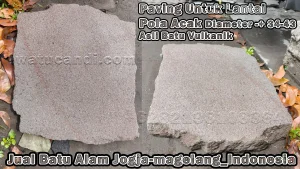
Besides strength, carport aesthetics are also important as it is the first transition area before entering the house. Using Merapi lava stone paving can give a strong rustic impression while remaining neat. Varied installation patterns, such as fan patterns or herringbone, can add artistic value to your parking area.
Stone Tiles for Bathrooms: Balancing Aesthetics and Safety
The bathroom is a private space that has now transformed into a personal spa in many modern homes. For bathroom tiles, it is advisable to choose stone with a rough or textured surface. Since bathrooms always have water, soap, and shampoo showers, and are humid all the time. This condition creates an environment conducive to moss and fungus growth, and increases the risk of slipping. Therefore, you must choose natural stone suitable for bathroom tiles, namely those with a high coefficient of friction.
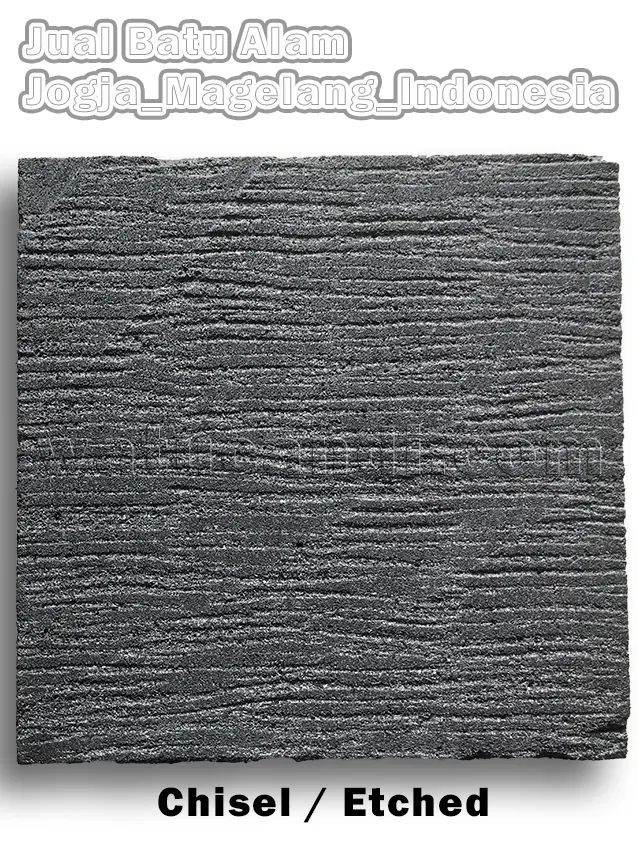
Suitable natural stone choices for bathrooms are coral stone, black candi stone (with bushhammered or chiseled finish), green zeolite stone, and flame-finished granite. These three stones have textures suitable for natural stone tiles specifically for bathrooms. Zeolite stone, for example, is not only anti-slip but also provides a calming visual effect with its green color appearing when wet, creating a fresh natural nuance.
For bathroom walls, you can choose any natural stone, including smoother marble or limestone, because walls do not bear foot traffic loads. However, specifically for the floor, you must choose stone with a rough surface that does not pose a slip hazard and endanger you. A combination of smooth natural stone walls and rough natural stone floors can create a visually interesting textural contrast.

For those who wish to complement bathroom aesthetics with matching accessories, consider using a black basalt stone sink or a handmade stone bathtub. The harmony of materials between floors, walls, and sanitary ware will create a unified and professional design harmony.
Standard Sizes and Variations of Natural Stone Tiles
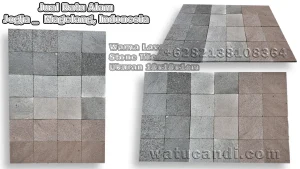
Natural stone tile sizes vary greatly, from small mosaic sizes of 2×2 cm, standard 10×10 cm, 20×20 cm, 30×30 cm, to large sizes (slab) 60×60 cm or even larger. Depending on the type of natural stone tile you choose and the cutting method. The stone size for tiles is certainly adjusted to the strength of the natural stone itself and the installation area.
The larger the natural stone size, the more prone it is to breaking during transportation and installation, especially if the rock has fragile veins. Therefore, only natural stones with strong crystal structures and high density are made in large formats. For natural stones that are not very strong or have many natural cracks, the size will be reduced to mosaic formats or small paving to minimize damage risk.
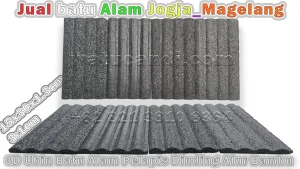
You do not need to worry about the size of stone tiles sold in trusted markets. All natural stones sold are already shaped and cut according to their physical characteristics using high-precision cutting machines. Naturally, by considering the strength and aesthetics of the stone. To see variations in sizes and cut patterns, you can refer to the guide on surface types and combination sizes and line types and installation patterns.
Natural Stone Price Analysis: Long-Term Investment
Natural stone prices certainly vary depending on several key factors. Depending on the rock type (imported marble and granite are usually more expensive than local lava), cut size, difficulty level of finishing (manual chiseled is more expensive than machine cut), and stone grade quality. The larger the size, the higher the price due to greater material waste during cutting. The higher the tile quality (free of cracks, consistent color), the higher the price.
Tile prices per unit start from Rp 60,000 to Rp 150,000 per square meter for standard types like andesite or lava stone. However, for exclusive types like imported marble, travertine, or Grade A Sukabumi green stone, the price can be much higher. Marble stone prices are certainly expensive compared to other natural stones, but the aesthetic and prestige value is commensurate. Remember that installing natural stone is an investment; although the initial cost may be higher than ceramics, its lifespan can reach decades without replacement, making it more economical in the long run.
Tips for Choosing the Right Natural Stone
Before you install stone tiles, it is good to read tips on choosing the right natural stone. Mistakes in material selection can have fatal consequences, such as floors that quickly damage, become slippery, or fade in color. These tips can be used so you are not disappointed after installation.
Some tips for choosing natural stone that you can do include:
- Verify Supplier Credibility: Ensure the stone store or producer is trusted and has a clear project portfolio. Check customer reviews and ensure they provide quality guarantees.
- Match with Room Function: Choose natural stone that suits your taste, but prioritize function. Wet areas need rough textures, dry areas can use smooth textures. Do not be fooled only by visual beauty.
- Consider Total Budget: Pay attention to the budget you have, including shipping costs, adhesive materials, and installation services. Natural stone requires special adhesives and quality grout.
- Test Physical Samples: Choose stone tiles with the right size and request samples for testing. Drip with water to see color changes, scratch with a key to test hardness, and check thickness consistency.
Technical Guide to Natural Stone Installation
Installing natural stone is different from installing ordinary ceramics. It is recommended that when installing natural stone, you hire professional natural stone installation services with experience. However, if you feel you can install stone tiles yourself, there are several technical things you need to pay attention to in detail, including:
1. Floor Surface Preparation (Substrate)
Things that must be ensured on the floor surface are total cleanliness from dust and oil, level surface (leveling), and dryness. Before you apply adhesive material for natural stone, you must ensure your floor first. If the floor is not level, use cement screed to level it. Substrate unevenness can cause stone tiles to crack due to point load pressure when stepped on.
2. Material Selection and Pattern
Besides suiting your taste, the stone tiles you install must also match your walls and home decor. Perform a “dry lay” or dry arrangement on the floor before gluing to see color and pattern harmony. Tiles are a very important part that will definitely be seen; if there is visible mismatch, the result will be very bad. Utilize the natural color variations of the stone to create an aesthetic random pattern or a symmetrical regular pattern.
3. Overall Layout Planning
You must not rush to install stone tiles. You need to think carefully about the overall floor installation aspects. Start from the center point of the room or the main focal point to ensure symmetry. Do not let layout errors cause the loss of the neat impression of the floor or produce small, unsightly cuts at the wall edges.
4. Completeness of Special Tools and Materials
Before installing, you must also ensure that tools and materials for installing natural stone tiles are complete. Use special natural stone adhesive glue (not ordinary cement) which has high adhesion power and flexibility to withstand thermal expansion. Also prepare adequate stone cutting tools, such as grinders with diamond blades, because natural stone is much harder than ceramics.
5. Meticulous Installation Technique
Every natural stone has different installation characteristics. Some are dynamic like split face natural stone, some are regular like honed natural stone. You must know this. Provide consistent grout line spacing, usually 3-5 mm for natural stone, to allow natural stone movement and facilitate cleaning. If done incorrectly, your stone tile shape may not look good or may easily come loose.
6. Finishing and Sealing (Coating)
The last and most crucial step is finishing by applying coating or sealing material to make your natural stone more durable. Natural stone is porous, so it easily absorbs water, oil, and dirt. After installation is complete and the floor is completely dry (usually 7-14 days), you need to apply a water-based or solvent-based sealer liquid. This will close the stone pores, prevent stains, and highlight the original stone color. After that, mop your tiles to clean them and make your tiles shine more beautifully.
The natural stone installation above is a general overview. So, there is still a possibility of special steps to beautify natural stone tiles, such as re-sanding or polishing. By hiring professional natural stone installation services, the results may be far more maximal and neat.
Long-Term Natural Stone Care Protocol

At the end of this discussion, we present some tips for maintaining your stone tiles. Many homeowners are disappointed because their natural stone becomes dull, moldy, or has black stains. This is not because the stone quality is bad, but rather due to lack of maintenance. These tips can be used so that the natural stone in your home lasts longer and remains beautiful even after a long time.
Some tips that you might apply include:
- Daily Cleaning: Clean tiles every day so that dust and dirt do not stick and enter the pores. Use a soft broom or vacuum cleaner.
- Periodic Mopping: Perform weekly mopping using clean water and pH-neutral soap. Avoid soaps containing acid or harsh bleach.
- Mechanical Aids: Use automatic cleaning tools or machine brushes for large areas if necessary, but ensure the brush is not too hard so as not to scratch the surface.
- Stain Handling: Scrub stubborn stains immediately after they occur so they do not harden and damage aesthetics. For oil stains, use baking soda paste and leave overnight.
- Avoid Harsh Chemicals: Do not use hard water, hydrochloric acid, or abrasive ceramic cleaners, because not all natural stones are compatible and it can damage the mineral structure of the stone.
- Sealer Maintenance: Immediately repair or re-coat the sealer if water no longer forms beads (beading up) on the stone surface, indicating the protective layer is gone. Usually done every 1-2 years.
Perhaps that is all regarding natural stone that you need to know. Installing natural stone for floors or tiles indeed has a distinct impression that cannot be replaced by synthetic materials. Everyone certainly wants to install it to increase the aesthetic value of their residence. However, you must ensure you install the right natural stone, both in terms of material type, application location, and maintenance methods.
Because it would be a pity if you spend a large cost to buy and install, only to be disappointed in the end because the stone becomes dull or damaged. Considering that natural stone has a not cheap price and is a limited natural resource, you must really ensure that the natural stone you install is appropriate and comes from sustainable sources.
For further exploration regarding other natural stone applications that can complement your home design, such as stone flooring for gardens and yards, handmade stone tables and chairs for outdoor areas, or premium swimming pool coping stones, do not hesitate to visit our complete collection. We are committed to providing the best materials for sustainable, beautiful, and eternal architecture.
Natural Stone Tiles, Natural Stone Flooring, Black Candi Stone, Andesite Flooring, Marble Flooring, Natural Granite, Sukabumi Green Stone, Natural Stone Paving, Stone Carport, Stone Bathroom Floor, Natural Stone Tile Price, Natural Stone Installation, Natural Stone Care, Stone Coating, WatuCandi,