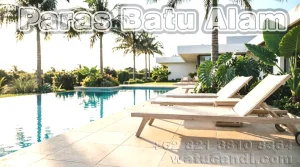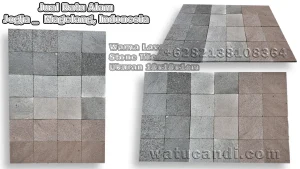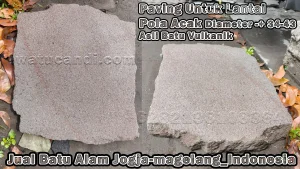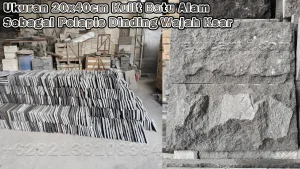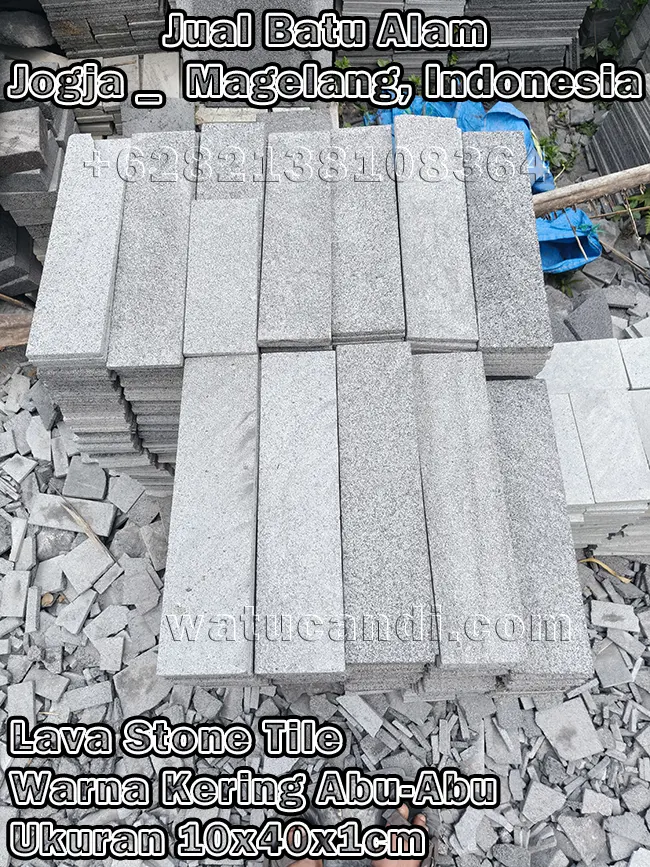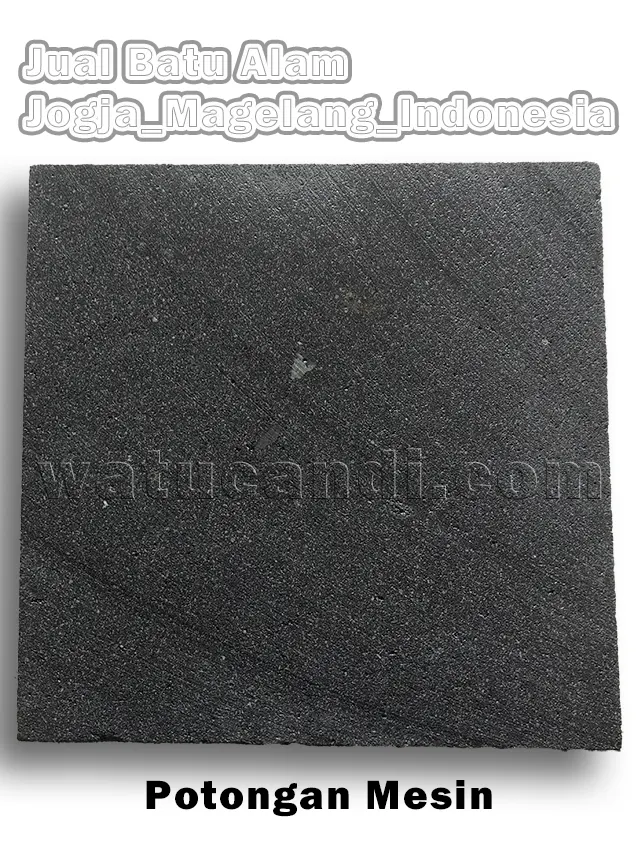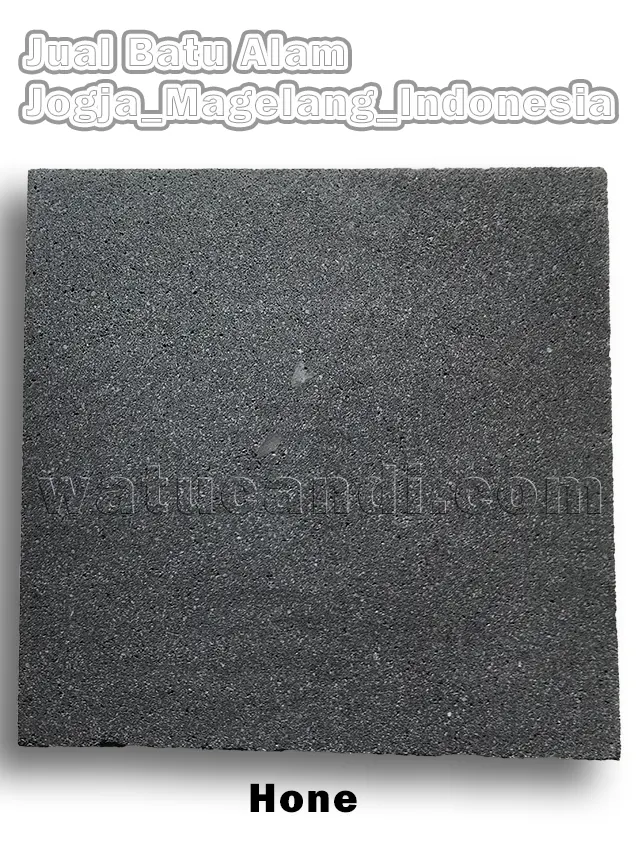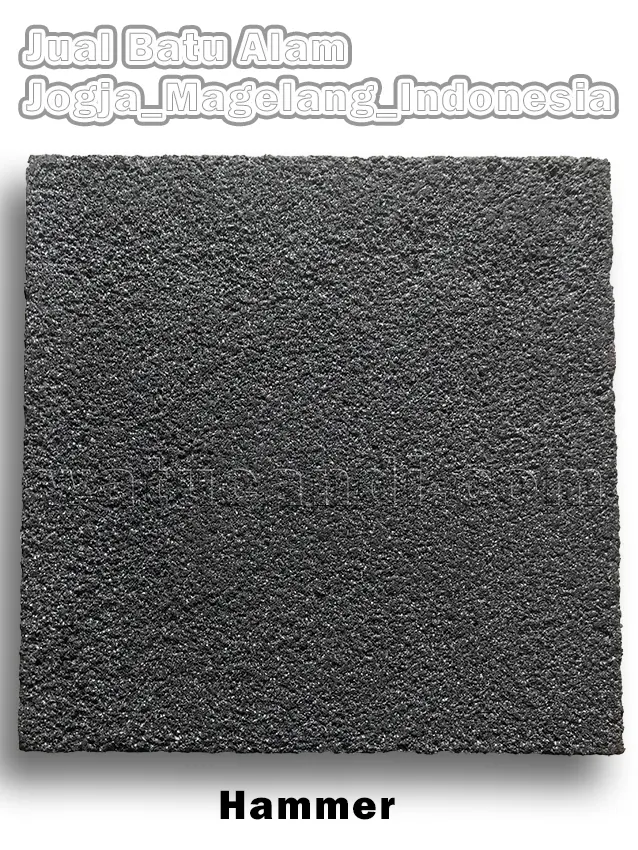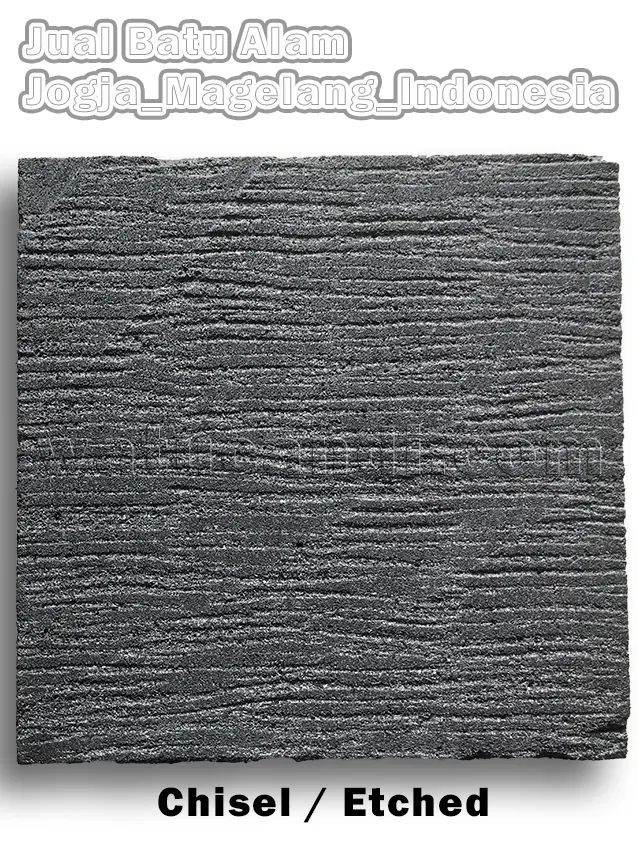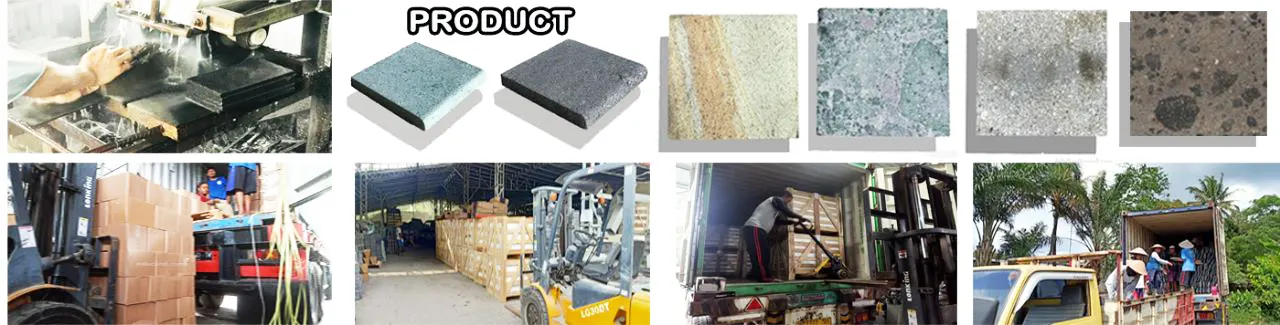
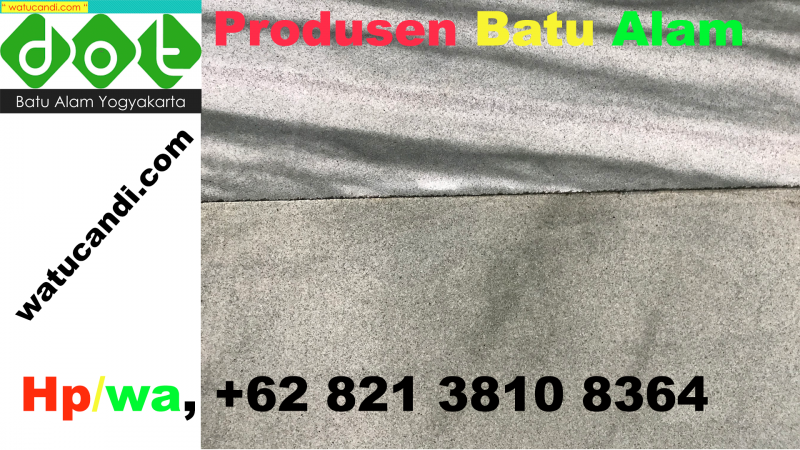
When luxury meets authenticity, Green Veined Natural Stone is born. More than just a structural element, this material is a bold style statement for those who appreciate uncompromising uniqueness. Known as Green Zeolite Paras Stone, its beauty lies in the elegant contrast between a neutral gray base and dynamic green travertine veins. Serving as a perfect bridge between the rawness of wild nature and the refinement of contemporary design, this stone offers rich visual texture and character unmatched by man-made materials. Each slab is a singular work of art, guaranteeing that your space has a truly original identity.
The presence of this natural stone in a space can instantly transform its visual dynamics. With a combination of soft green hues and flowing natural vein lines, this stone gives a “living” impression to walls, floors, and other decorative elements. Unlike synthetic materials that tend to be monotonous, each sheet of green veined natural stone has a unique character, ensuring that every architectural project using it has an unparalleled identity. This article will thoroughly explore everything about this type of natural stone, from technical characteristics and thermal advantages to the history of travertine use, as well as application and maintenance guides to ensure long-lasting durability and beauty.
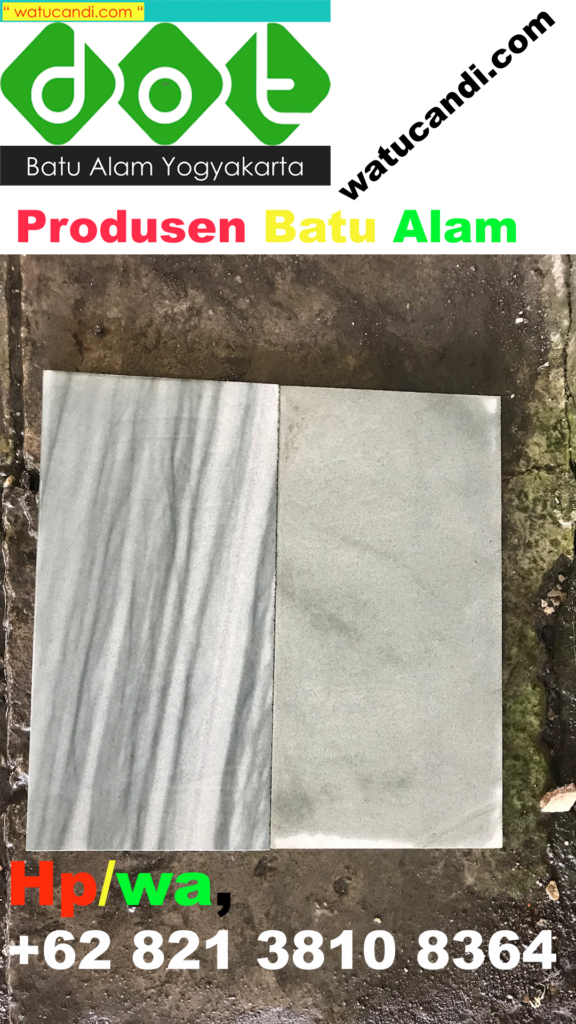
Green Veined Natural Stone Manufacturer: Bringing Natural Nuances
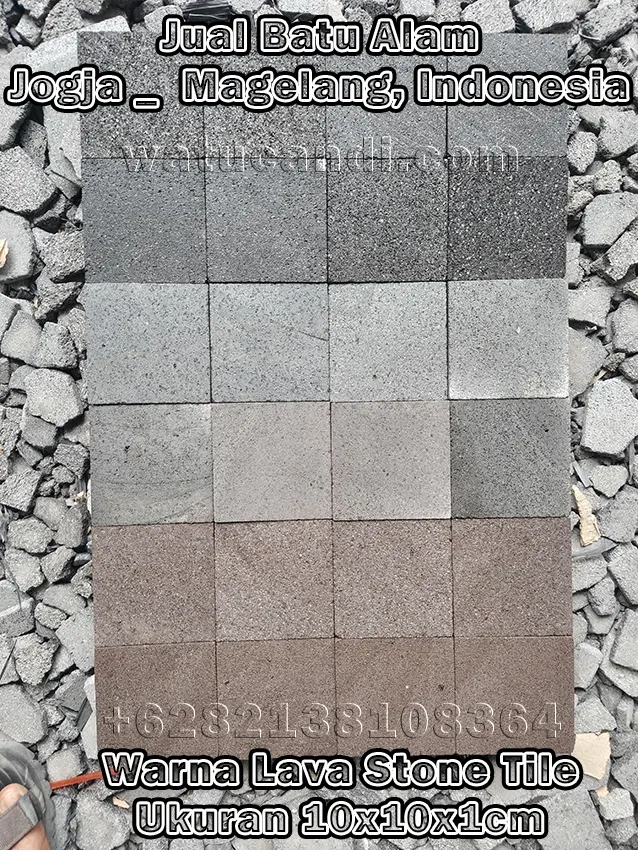
As a leading manufacturer in the Indonesian natural stone industry, we understand that current design trends are leaning towards biophilic design, which connects building occupants with nature. The model of natural stone with its natural green nuance, combined with a gray base, creates a very flexible color palette. The green color on this stone is not striking but rather earthy and calming, while the gray provides an elegant neutral foundation.
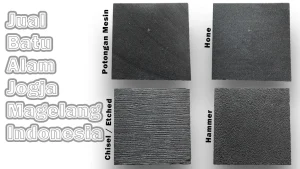
The finishing process on this natural stone is carried out with high standards to create an elegant design. From precision cutting using modern machines to the final touch by skilled hands, every stage is designed to highlight the natural beauty of the stone veins. The result is a building material that is not only structurally strong but also has high artistic value capable of enhancing the aesthetic value of your property. To see our complete collection covering various premium natural stone variants, please visit WatuCandi Online Store.
Getting to Know Green Zeolite Stone: Characteristics and Uniqueness
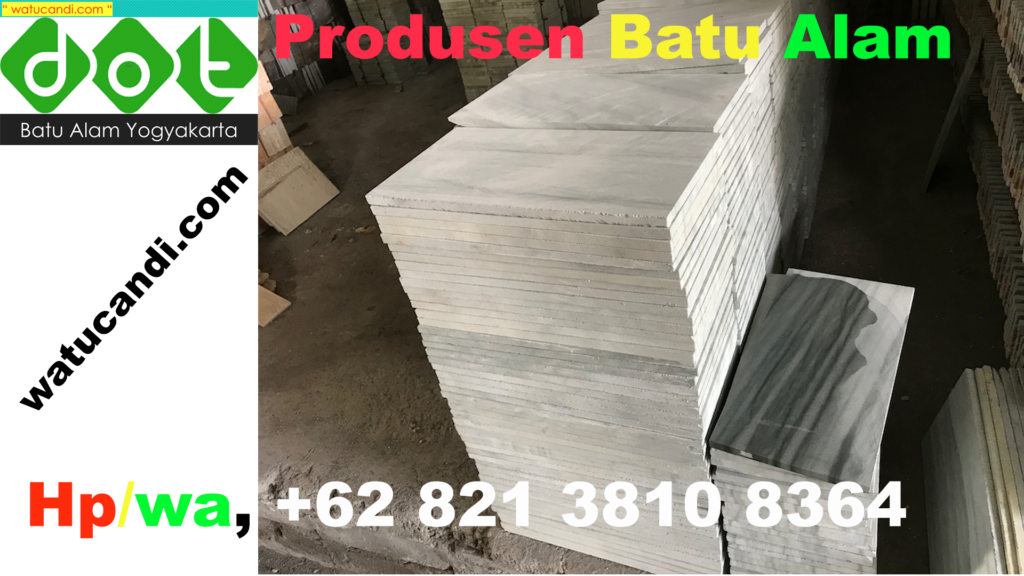
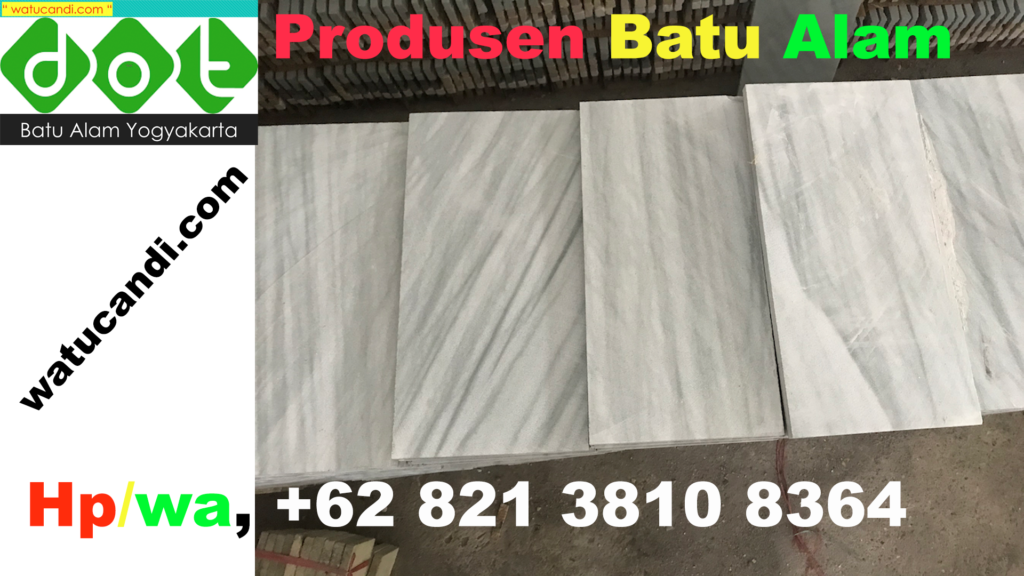
Green paras stone, which in geological and trade terminology is often referred to as green zeolite stone, has a visual similarity to breccia paras stone or what is popularly known as Bali Grey. However, to the keen eye and experienced hand, the difference between the two is very clear. Green zeolite stone offers a slightly higher level of hardness compared to ordinary paras, yet still maintains ease in processing. What distinguishes it most is its finer and softer texture density, and its color which tends to be a lighter gray with fresh green accents.
This stone material is very suitable for use as a complementary decoration on wall surfaces today. In modern minimalist architecture, the presence of natural elements like green zeolite stone can break the rigidity of concrete walls or monochrome paint. The clean appearance of this natural stone retains its natural cooling properties. When sunlight touches its surface, the green veins on the stone will reflect a soft glow that brings freshness to the room where it is applied. This makes green zeolite stone the top choice for those who want a luxurious tropical atmosphere that remains simple.
Thermal Properties of Green Zeolite Travertine Stone
One of the functional advantages of natural stone, especially zeolite and travertine types, is their unique thermal properties. Natural stone has high thermal mass, meaning it can absorb, store, and release heat slowly. This property allows natural stone to provide warmth during winter, as the stone releases heat stored during the day. Conversely, during hot weather, natural stone provides coolness because its surface tends to be cooler than synthetic materials like ceramic or vinyl which absorb heat quickly.
Important Note: This temperature stabilization effect will feel maximal if the natural stone installation is done fully in the room (full wall cladding or full flooring), not just for slight decorative installation. The wider the natural stone surface exposed, the more significant the passive cooling or heating effect produced.
This phenomenon is very beneficial for building energy efficiency. By reducing dependence on AC or room heaters, the use of green zeolite natural stone is not only visually beautiful but also environmentally friendly and economical in the long term. For those interested in delving deeper into the technical aspects and applications of natural stone for energy efficiency and aesthetics, you can read our guide on modern luxury home design that integrates natural materials.
Travertine: History and Characteristics of Green Veined Stone
To understand green veined natural stone, we need to understand its broader category, namely Travertine. Travertine is a form of limestone deposited by mineral springs, especially hot springs. Its formation process involves the rapid precipitation of calcium carbonate from mineral-rich water. This is why travertine often has a fibrous, pitted (porous), or concentric appearance. Its color varies from white, cream, brown, to green variations like the one we are discussing here.
Geologically, travertine is often found at the mouths of hot springs or in limestone caves. In both locations, changes in pressure and temperature cause minerals to crystallize and settle, forming stalactites, stalagmites, and other speleothems. Due to this natural process, each travertine slab has a pattern that is never exactly the same, making it an exclusive material. This stone has long been used in Italy and various other parts of the world as a premium building material due to its beauty and relative ease of shaping compared to granite or basalt.
Travertine is commonly used as a component for bathroom decorations, wet area floors, feature walls, and can also be used as a material for making monument statues. Its flexibility in being cut and carved makes it a favorite among sculptors and architects. If you want to explore further about types of limestone and travertine, our guide on natural limestone travertine provides deep insights into its characteristics and maintenance.
Using Green Veined Natural Stone in Architectural History
The use of travertine and similar stones has very deep historical roots. The ancient Romans mined large deposits of travertine to build some of the most iconic structures in human history. Magnificent temples, intricate aqueducts, victory monuments, luxurious public bath complexes, and giant amphitheaters like the Colosseum were largely built using travertine. The strength and beauty of this stone allowed these structures to survive for thousands of years.
The largest buildings in the world mostly built by travertine are proof of this material’s durability. After the fall of the Roman Empire, travertine became popular again as a building material in the Middle Ages. The city of Bad Langensalza in central Germany, for example, has a medieval old town that still exists today, built almost entirely from local travertine. The unique color and texture of the local stone give the city a strong identity.
In the modern era, 20th and 21st-century buildings continue to use travertine widely. Famous examples include the Sacré-Cœur Basilica in Paris which is stunning with its white travertine, the Getty Center in Los Angeles, California, designed by Richard Meier with dominance of imported travertine from Tivoli and Guidonia, and the Shell-Haus in Berlin. Legendary architect Ludwig Mies van der Rohe also used travertine in several of his main works, including the Toronto-Dominion Centre, SR Crown Hall, Farnsworth House, and the Barcelona Pavilion. The use of this stone by master architects confirms its status as a top-tier material.
Besides for interior walls and floors, travertine is one of the few natural stones used for opening terraces and garden paths. Sometimes known as travertine limestone or travertine marble (although technically not marble), it is the same stone. Although travertine is correctly classified as a type of limestone, not marble, it is often mistaken due to its ability to be polished to a shine. The stone is characterized by hollow holes and troughs on its surface. Although these troughs occur naturally, they show signs of quite long wear if not filled. However, many designers actually prefer this “unfilled” look because it provides an authentic rustic character.
Travertine is most commonly available in tile sizes for floor installation. It is one of the most frequently used stones in modern architecture due to its ability to adapt to various styles, from classical to ultra-modern. The first floor of the UCLA Medical Center designed by Becket has thick travertine walls that give a sturdy and calming impression to patients. Burghausen Castle, the longest castle in Europe, is 1,000 years old and was built primarily with travertine, proving that investment in natural stone is a lifetime investment.
Main Characteristics of Green Zeolite Veined Natural Stone
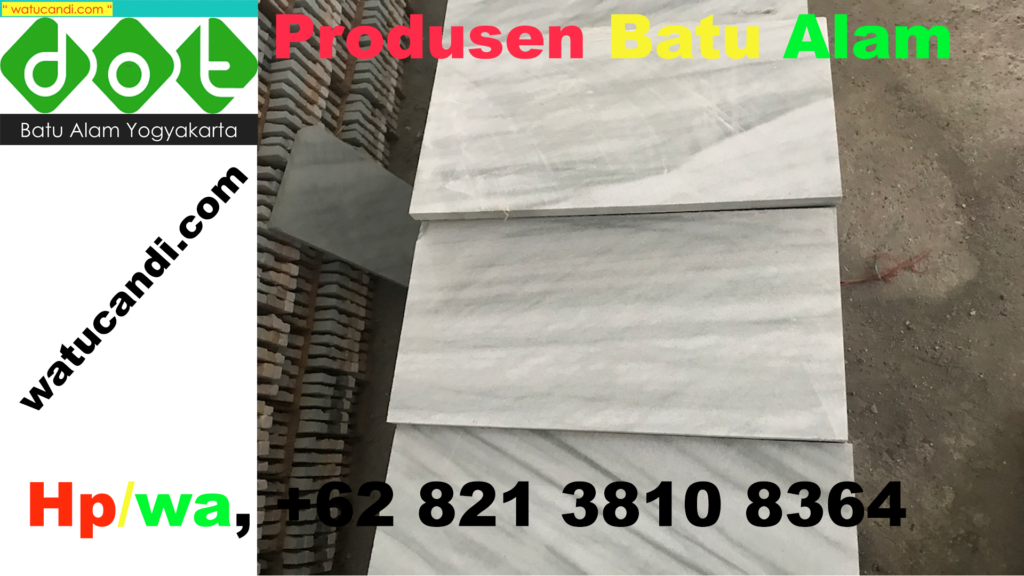
Green zeolite veined natural stone is a type of natural stone that has a green color with characteristic vein patterns. Zeolite is a natural mineral usually formed from volcanic activity results. Natural zeolite stone with green veins has an attractive appearance and is a popular choice for various decoration and architecture projects. Here is a detailed explanation of its characteristics:
- Natural Green Color: Natural zeolite stone has an attractive and natural green color. The green color can vary, starting from bright green (like Sukabumi stone) to grayish-green or olive green, depending on the mining source and mineral composition. This color variation allows designers to choose the right nuance according to the room’s color palette.
- Unique Vein Patterns: One of the distinctive features of natural zeolite stone is the presence of visible veins on its surface. These veins can be straight, winding, or even form patterns like natural batik. This pattern adds uniqueness and beauty to the stone, making it an interesting focal point without needing excessive additional ornaments.
- Medium Hardness Level: Zeolite is a natural stone that is relatively softer than andesite or granite, so it is easier to cut, carve, and process into various shapes. However, this softness also makes it more vulnerable to scratches or damage if not treated carefully during installation and daily use.
- Zeolite Mineral Content: Zeolite is a group of minerals formed from a framework of silica and alumina with gaps inside that can absorb water and other molecules. The presence of zeolite in this natural stone gives unique properties, including odor absorption capabilities and certain humidity regulation, although in construction applications, its aesthetic and structural properties are more dominant.

Applications and Uses of Green Zeolite Veined Natural Stone
The versatility of green zeolite veined natural stone makes it applicable in various architectural and interior design contexts. Here are some of its main uses:
- Interior/Exterior Wall and Floor Cladding: Green zeolite veined natural stone is often used as wall cladding and flooring in interior and exterior decoration projects. The green vein appearance on this stone gives a natural and aesthetic touch to the room. For outer walls, this stone is resistant to tropical weather, although it requires regular sealing to prevent moss growth in humid areas. Read also about random candi stone skin lava wall cladding for texture comparison.
- Artistic Ornaments and Decorations: Due to ease in carving, zeolite stone can be made into ornaments or decorations on various design elements, such as console tables, garden statues, waterfall elements, and swimming pool edges. This stone’s ability to hold fine carving details makes it a favorite for custom art works.
- Landscape and Tropical Gardens: Green vein zeolite is often used in landscape and garden design as path paving material (stepping stones), decorative stones, or as other decorative elements. Its color that blends with plant foliage creates perfect visual harmony. See our lava rock stepping stone collection for garden path inspiration.
- Swimming Pool Applications (Pool Decking & Coping): One of the most popular applications for green stone (especially similar types like Sukabumi Green Stone) is for swimming pools. This stone gives a clear blue-green natural water effect. Additionally, its natural texture provides a safe anti-slip surface. We have a complete guide on green stone tiles for swimming pools discussing its technical specifications.
- Water Filter and Planting Media: Beyond construction, zeolite is also used in technical applications, such as a water filter or soil in drinking water treatment, aquariums, fish ponds, and hydroponic agriculture due to its high porosity properties.

Care and Maintenance of Zeolite Natural Stone
Although green zeolite veined natural stone has an attractive appearance, it is important to consider its softness and durability in selection and use according to the desired project. Proper care is needed to maintain the beauty and strength of zeolite natural stone so it remains beautiful and functions well in various applications. Here is a basic care guide:
1. Routine Cleaning: Use mild soap and water to clean the stone surface regularly. Avoid using harsh chemicals or acids that can erode the stone surface and remove its natural shine. For stubborn stains, use a soft brush with circular motions.
2. Sealing: Because zeolite and travertine stones have pores, application of sealant or water-resistant coating is highly recommended, especially for exterior applications or wet areas like bathrooms and swimming pools. Coating helps prevent dirt, oil absorption, and moss or fungus growth. We recommend using water-based coatings that do not change the stone’s original color. Learn more about professional natural stone care for proper techniques.
3. Avoid Hard Impacts: Although quite durable, zeolite stone is softer than granite. Avoid dropping heavy or sharp objects on the stone surface to prevent cracking or deep scratching. If small scratches occur, they can often be repolished by professionals.
4. Periodic Inspection: Periodically check the condition of grout between stone tiles. Damaged grout can allow water to enter under the stone, potentially causing peeling or fungus growth. Immediately repair cracked or loose grout.

Integrating Green Stone with Other Design Elements
To maximize the aesthetic potential of green veined natural stone, integration with other design elements is crucial. This stone works very well when paired with other natural materials like teak wood, bamboo, or rattan. The combination of rough stone texture with the warmth of wood creates a harmonious yin-yang balance. Additionally, lighting plays an important role. Warm white lighting will highlight the green and gray nuances of the stone, creating an intimate and luxurious atmosphere at night.
In the context of furniture, green zeolite stone can also be processed into solid dining tables, unique sinks, or kitchen elements. Boldness in combining natural stone with modern furniture can create a strong statement piece. For example, a dining table with legs made of green zeolite stone and a tempered glass top will look very contemporary. Explore other creative ideas in our article about natural stone and furniture.
If you are looking for a more intense green color variation for swimming pools, we also provide Sukabumi Green Stone (Pedra Hijau) which is famous for its ability to turn pool water color into natural blue-tosca. While for more rustic wall applications, Palimanan stone with its cream color can be a beautiful contrasting partner for green stone.

Conclusion: A Long-Term Aesthetic Investment
Green Zeolite Travertine Veined Natural Stone is not just a building material; it is an investment in quality of life and the aesthetic value of your property. With calming color characteristics, unique texture, and advantageous thermal properties, this stone offers a holistic solution for sustainable modern design. From majestic facade walls to spa-like bathroom floors, the presence of this natural stone brings the peace of nature into your living space.
We are committed to providing the highest quality natural stone with responsive and professional customer service. Whether you are renovating a house, building a new villa, or working on a commercial project, our expert team is ready to help you choose the type of stone, finishing, and installation pattern that best suits your vision. Do not hesitate to contact us or visit our showroom to see the beauty of this green veined natural stone directly.
For more information about our products, prices, and design consultation, please contact us via WatuCandi Online Store. Find other inspirations through our articles about premium natural stone flooring collection, Merapi lava stone paving, and local vs precision green stone comparison.
green veined natural stone, green zeolite stone, green travertine, green paras stone, jogja natural stone, merapi natural stone, stone wall decoration, natural stone floor, swimming pool natural stone, zeolite stone, travertine natural stone, gray natural stone, natural natural stone, minimalist natural stone, premium natural stone