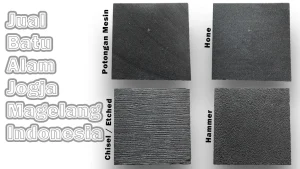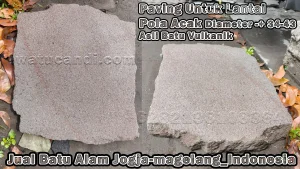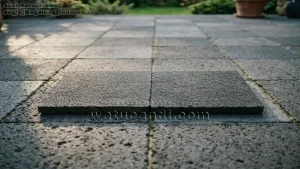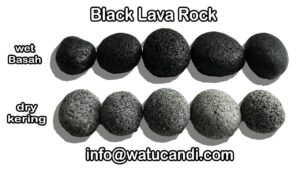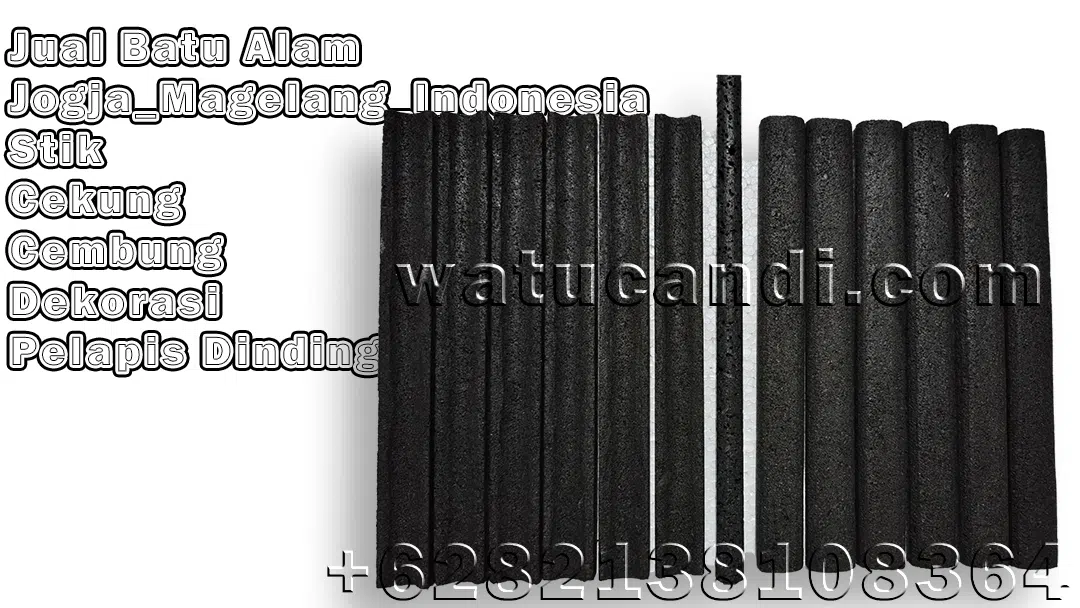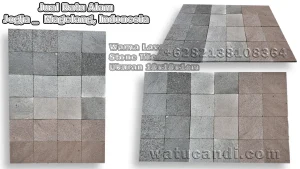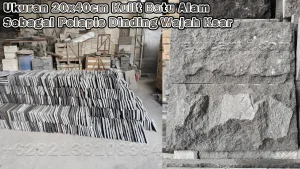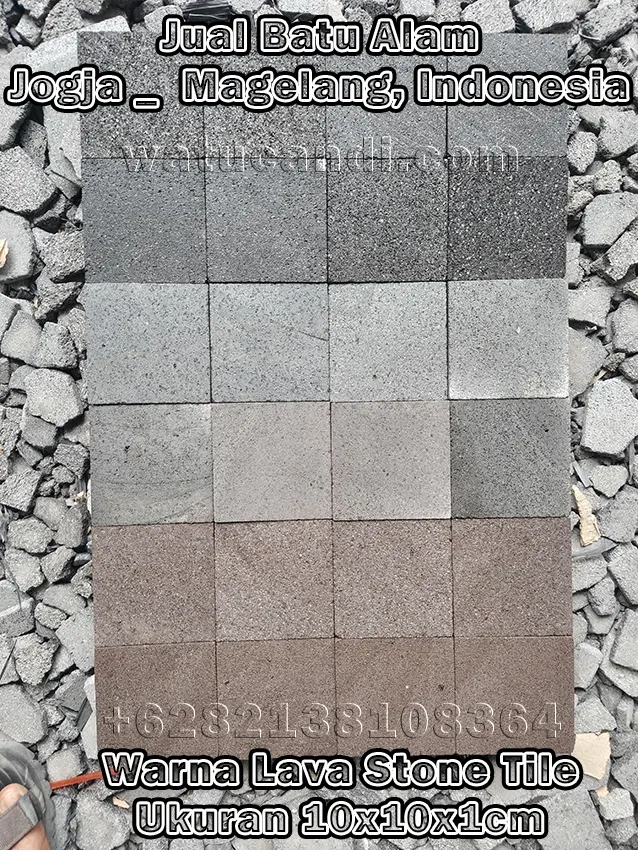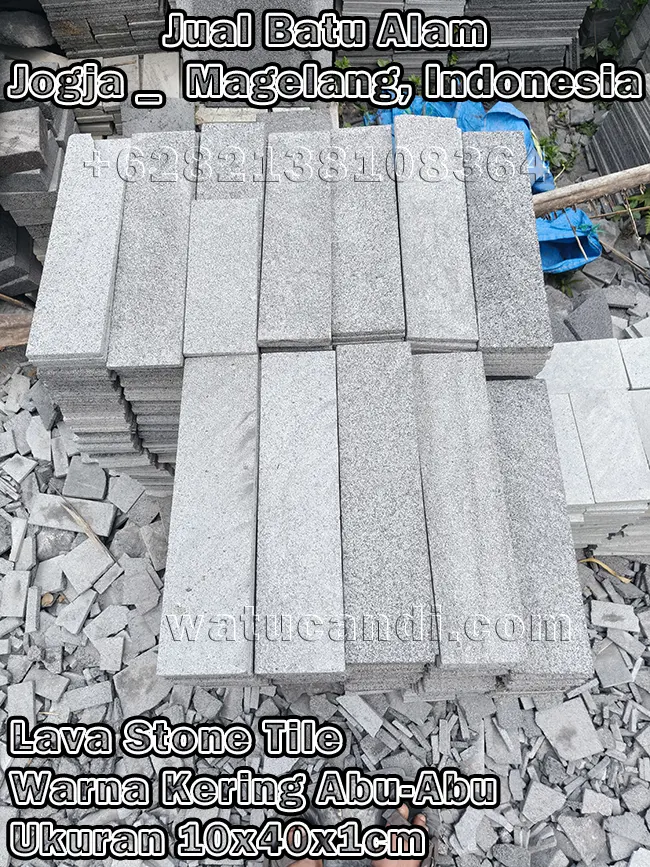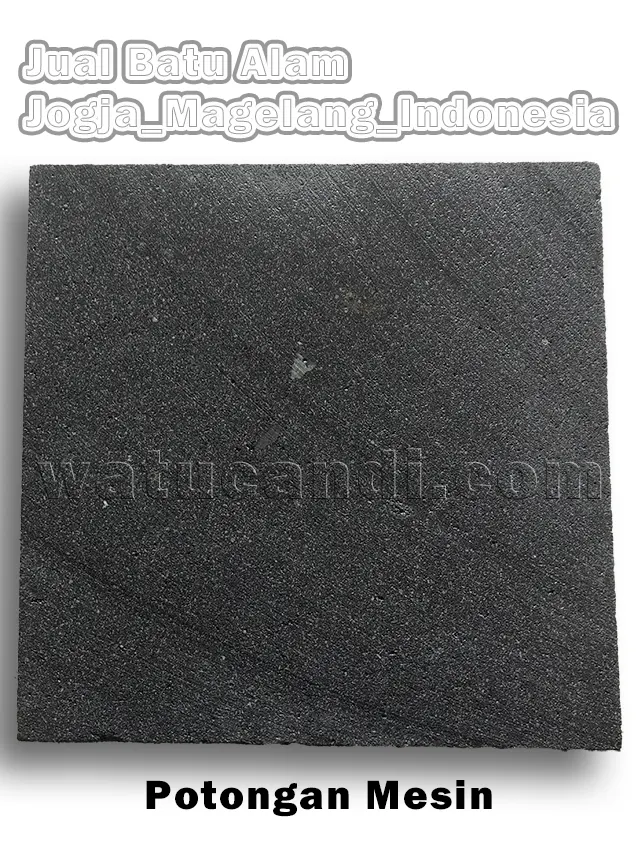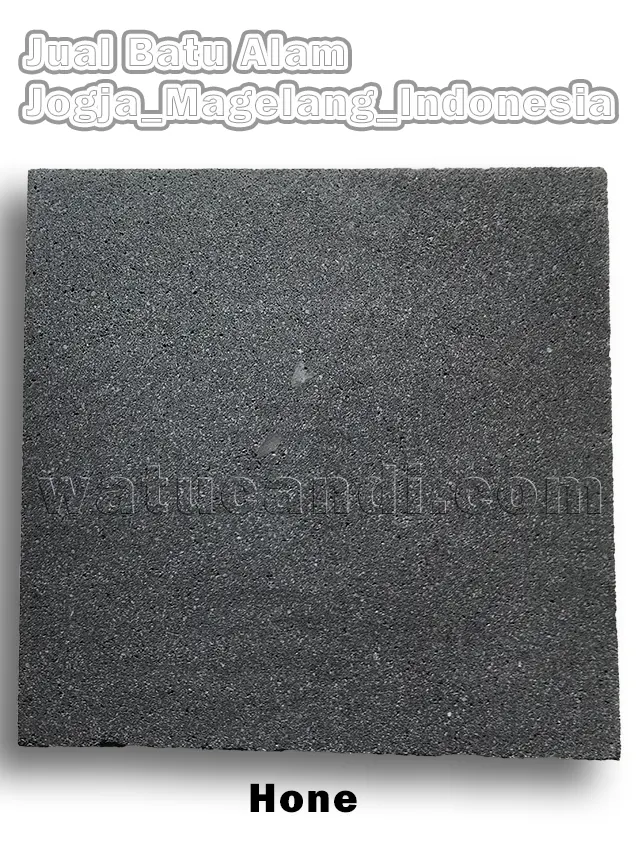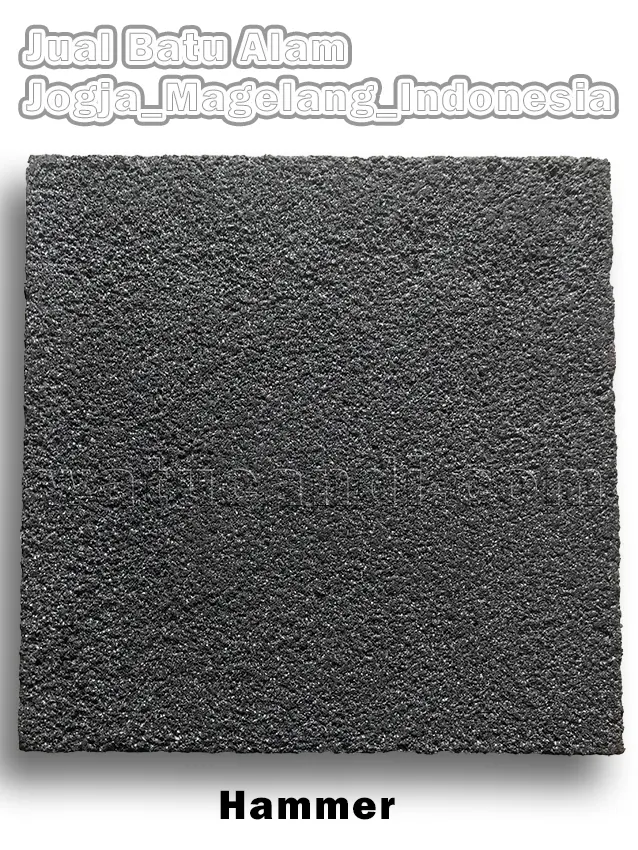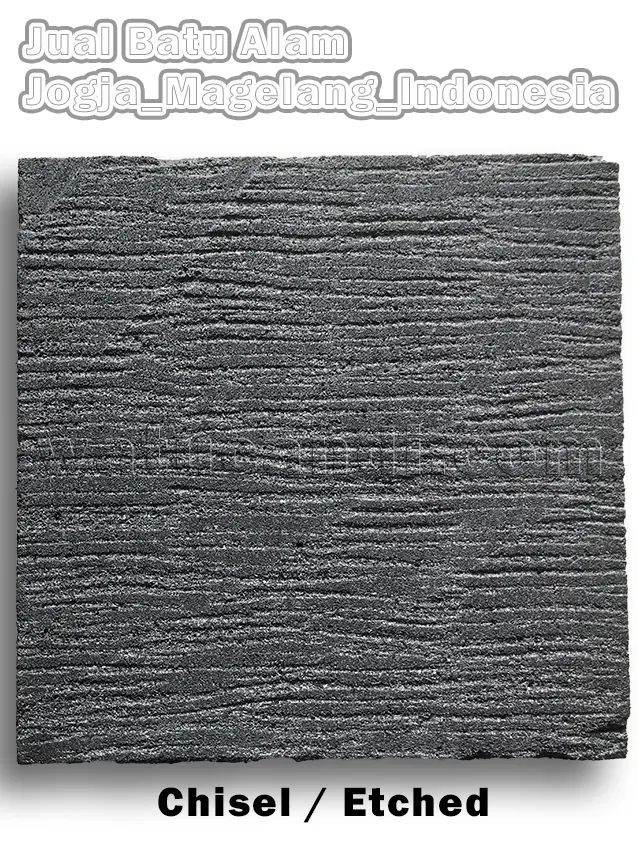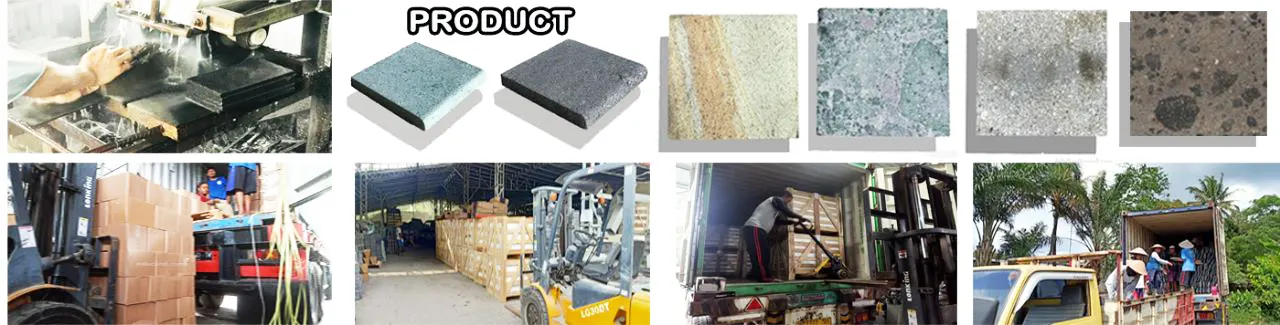
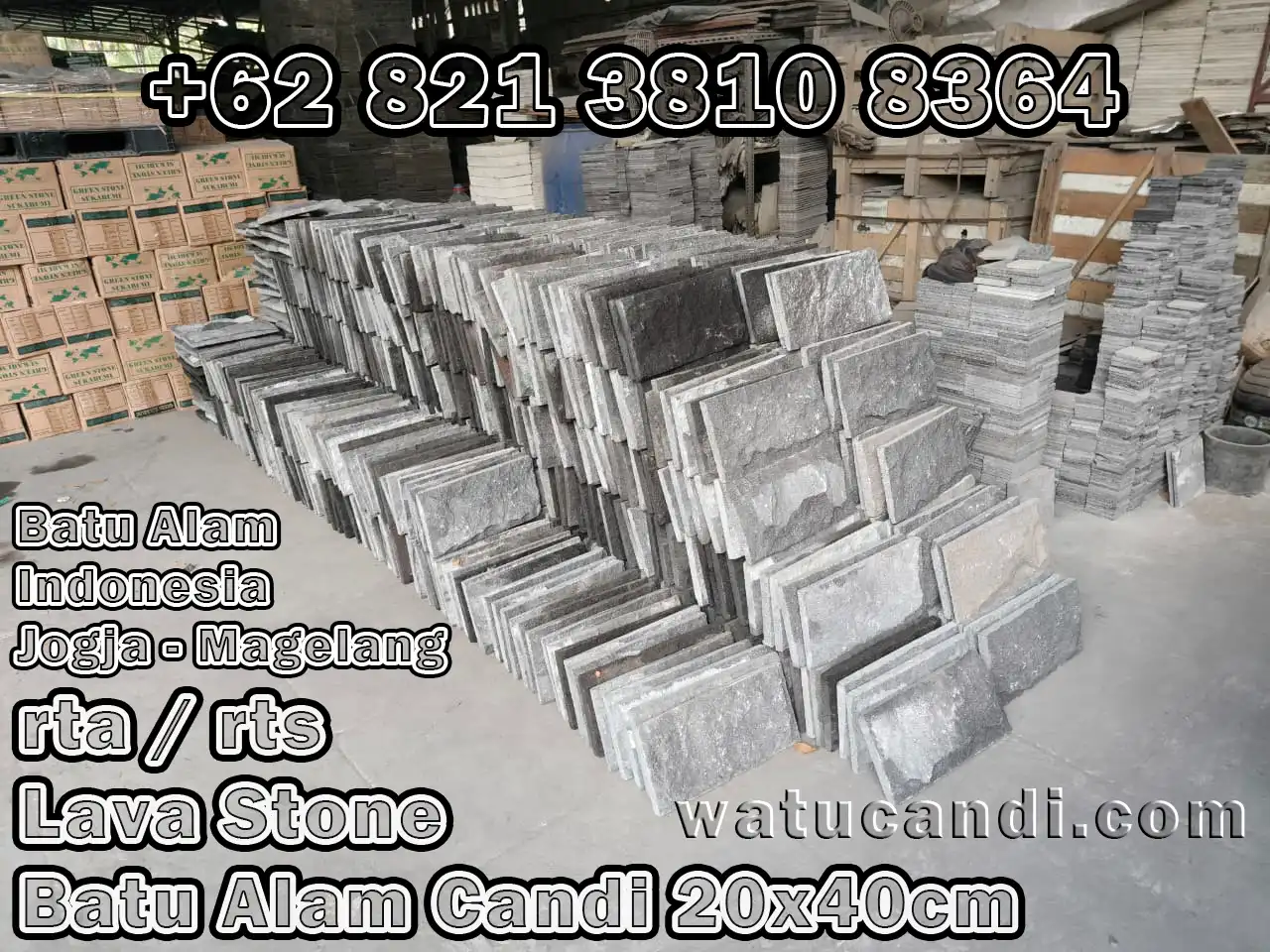
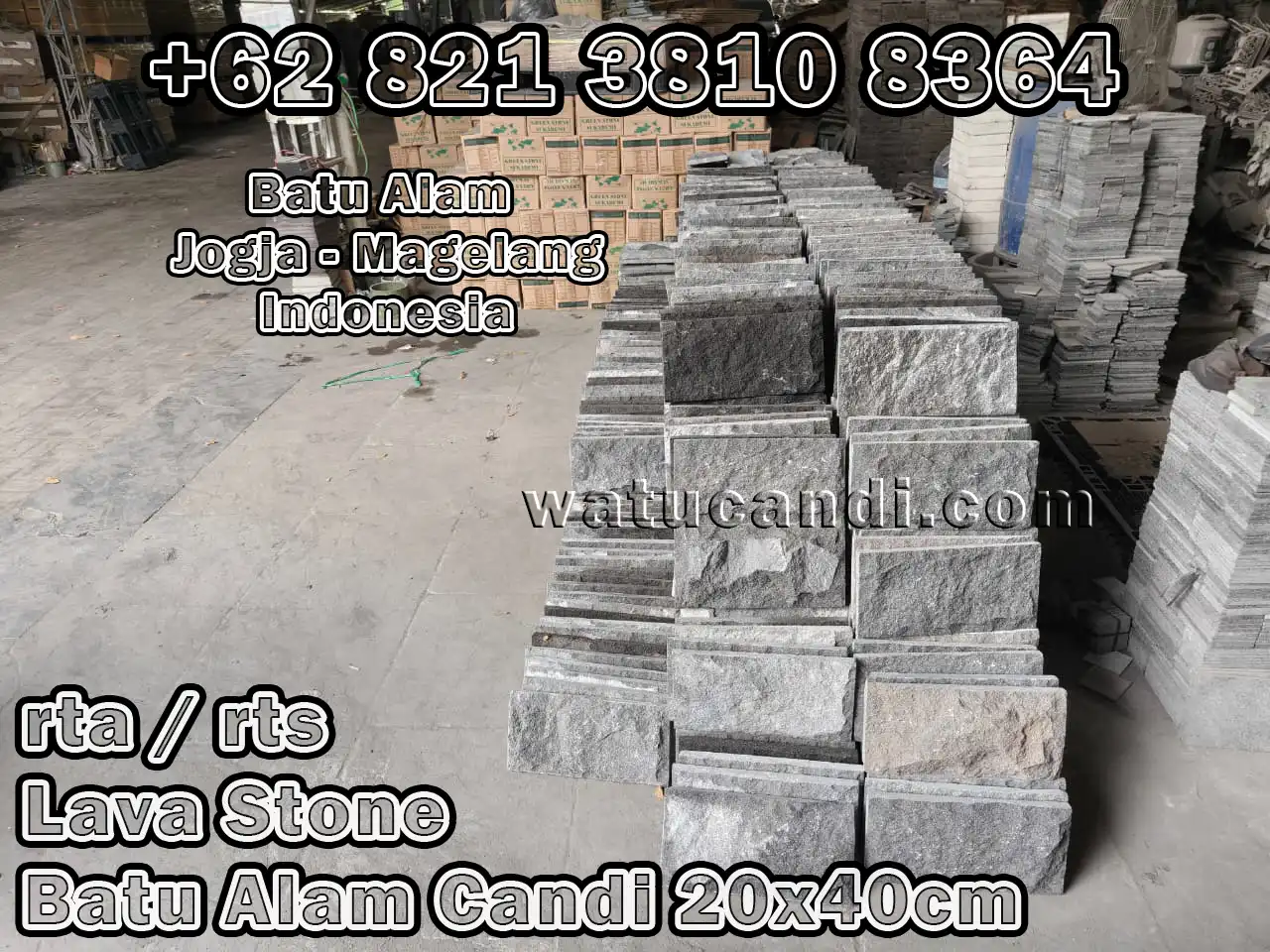
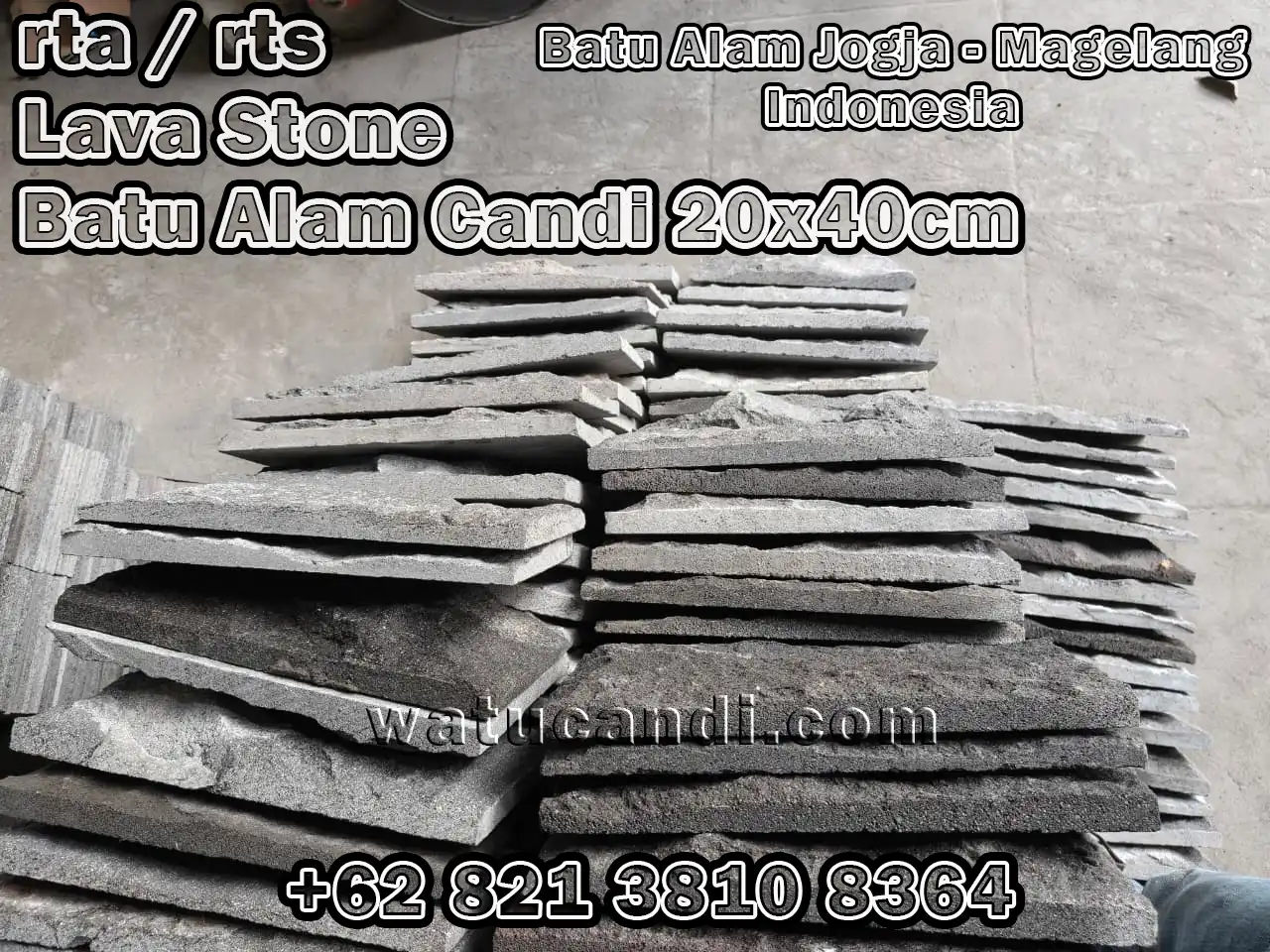
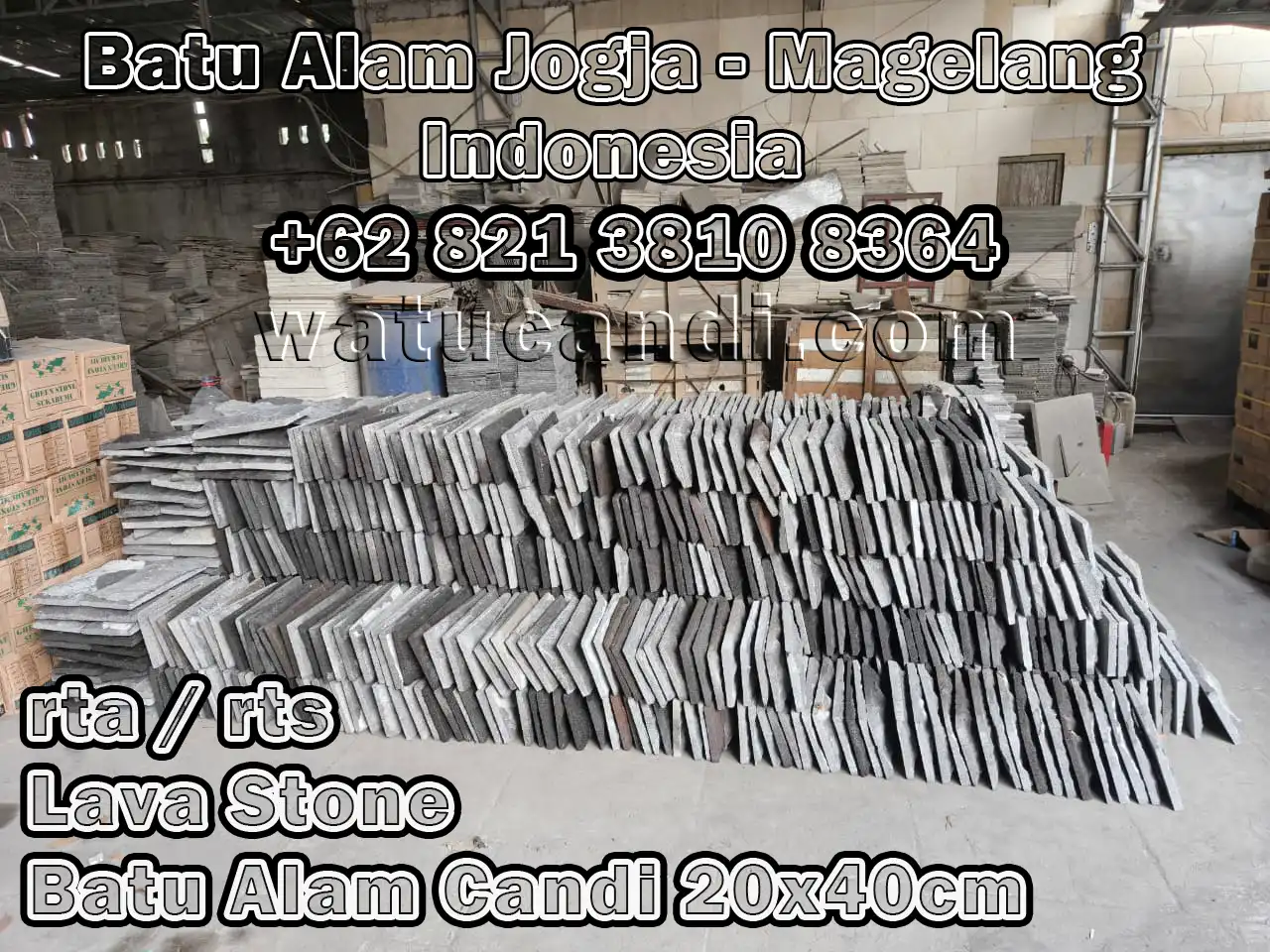
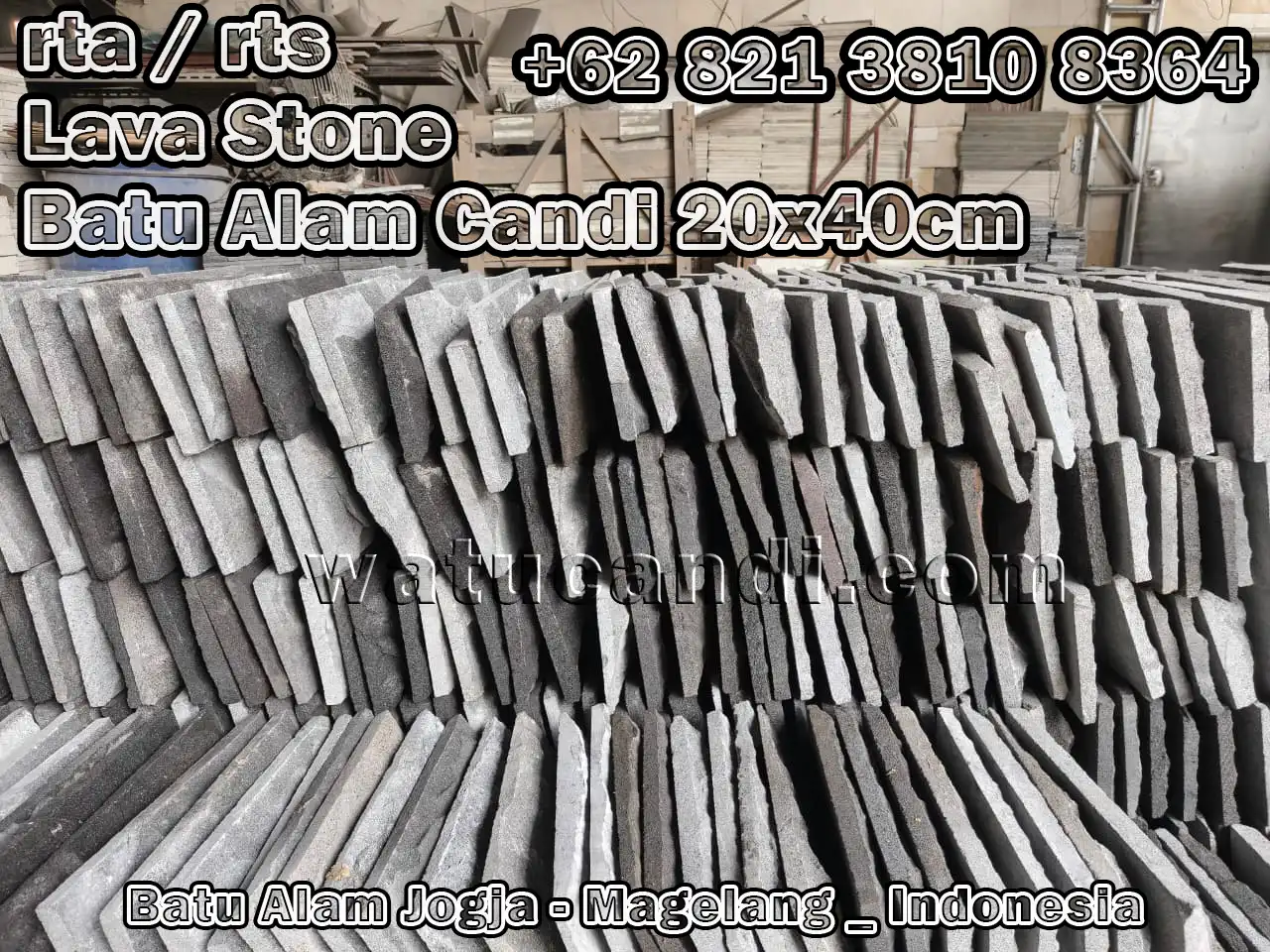
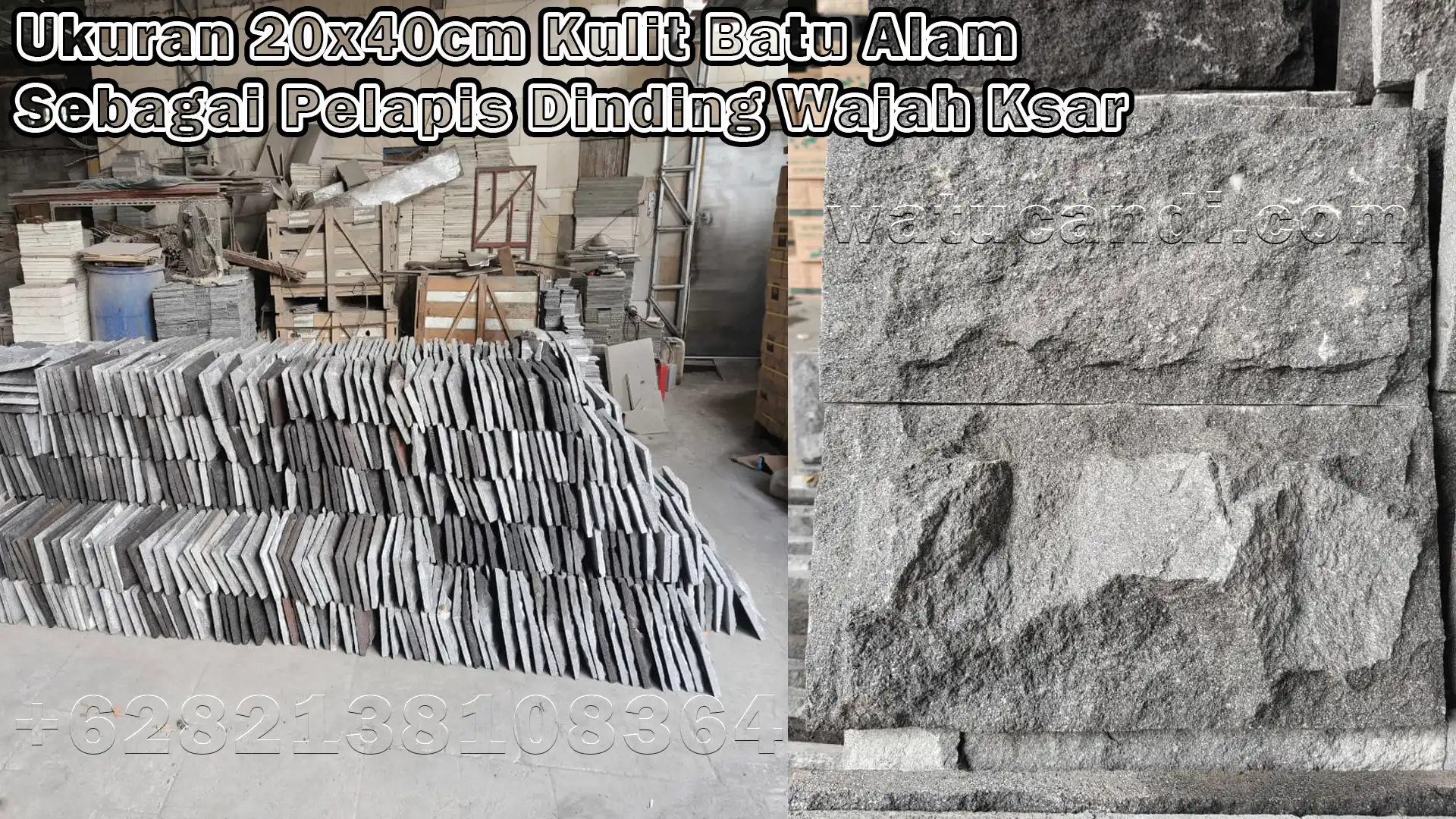
Volcanic natural stone with a rough face texture is now the top choice for architects and interior designers who want a natural, exclusive, and durable look on building walls. This material, sourced from volcanic mountain slopes, offers unique visual appeal and structural strength that is difficult to match with artificial materials. As a natural wealth of Indonesia, volcanic natural stone tiles from the Merapi area have been widely used for wall cladding in modern homes, luxury resorts, and classic and rustic style buildings.
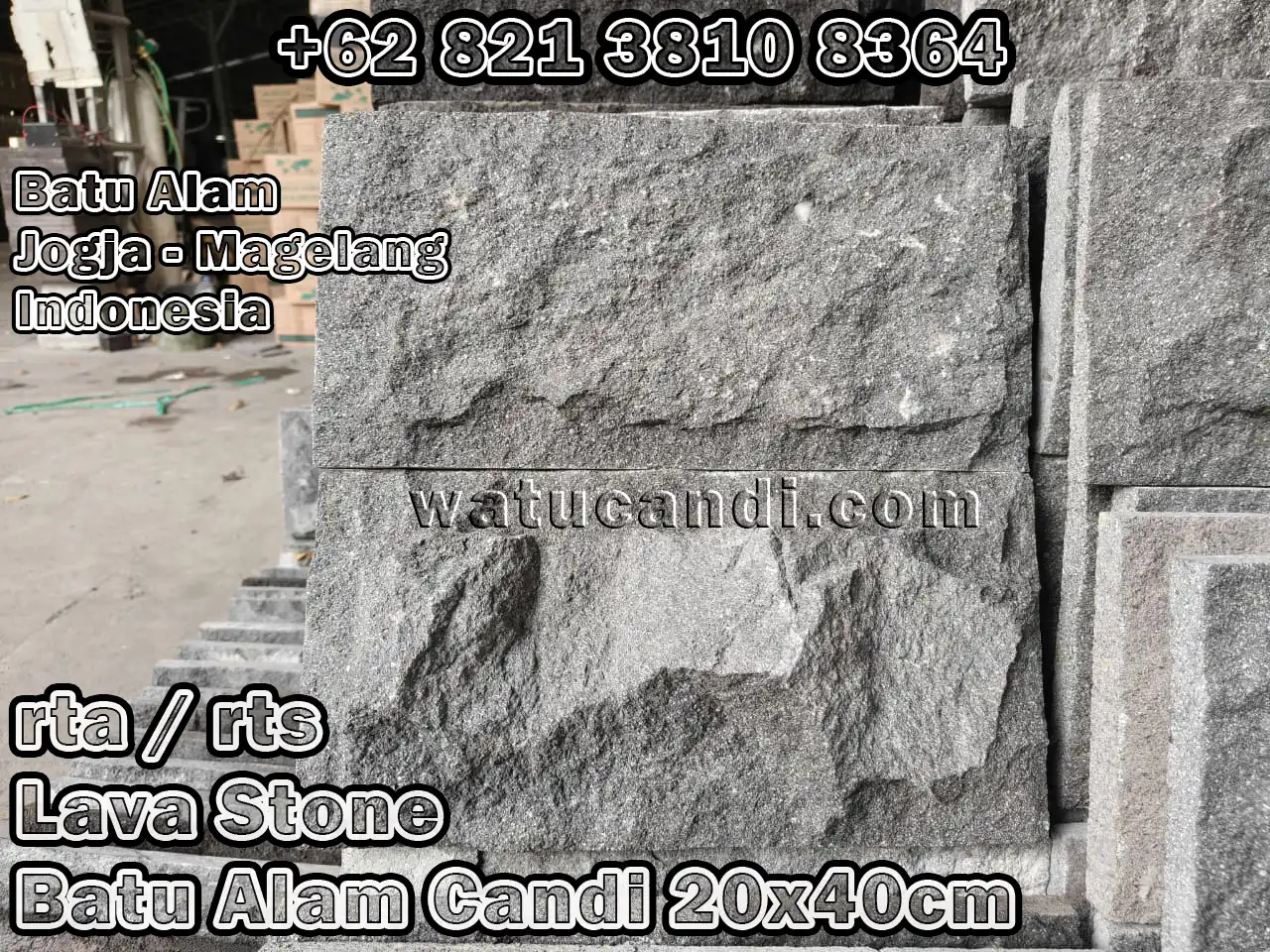
The specialty of this lava temple stone is not only in its aesthetics but also in the flexibility of sizes offered. Available in various dimensions ranging from 10×10 cm, 10×20 cm, 15×15 cm, 20×20 cm, 15×30 cm, 20×30 cm, to 20×40 cm. Even for those with specific design needs, custom size services are available upon request. With this wide range of size options, you can experiment with various tile installation patterns such as straight, staggered, herringbone, basket weave, stacked, diagonal, random, chevron, grid, and pinwheel, each with a different aesthetic character.
5 Advantages of Volcanic Natural Stone Tiles for Walls
- Extreme Weather Resistant: Volcanic stone has excellent resistance to heat, rain, and high humidity, making it ideal for exterior design with lava stone.
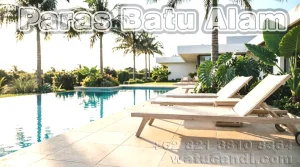
- Anti-Slip Surface: The natural rough texture provides good grip, making it very safe for wet areas such as swimming pool tiles from lava stone.
- Easy Maintenance: Simply clean with water and a soft brush periodically without the need for special chemical treatments.
- Eco-Friendly: 100% natural material without harmful chemicals, suitable for a green lifestyle.
- High Aesthetic Value: Provides a luxurious, natural, and exclusive feel that cannot be imitated by manufactured tiles.
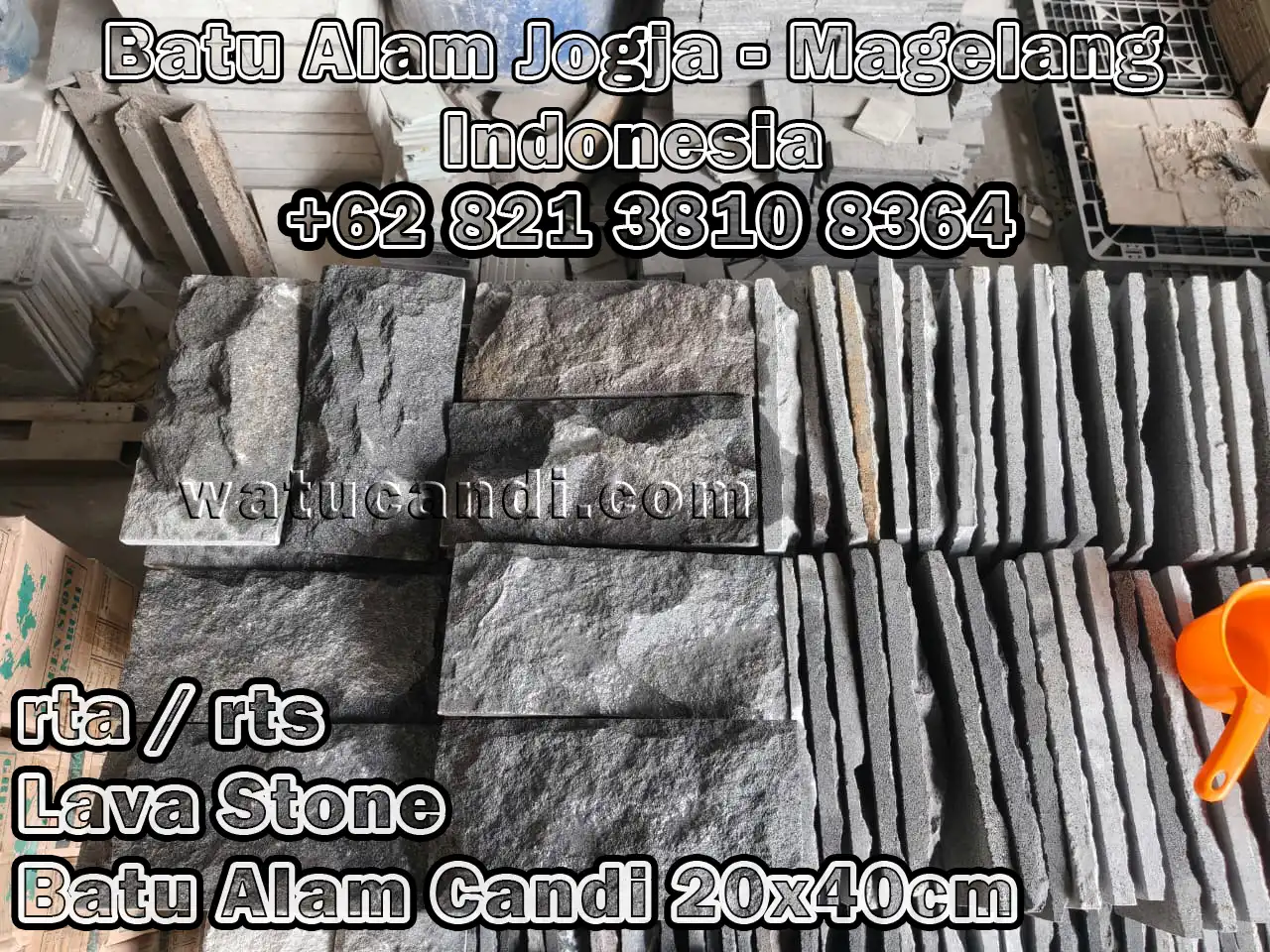
Installation Patterns for Rough Volcanic Natural Stone Wall Tiles
Installing natural stone wall cladding with a rough face requires a special approach. Unlike smooth and uniform ceramic tiles, volcanic stone has varying thicknesses, uneven edges, and requires wider grout joints. Therefore, the choice of installation pattern greatly affects the final result, both in terms of aesthetics and structural durability of the wall.
1. Straight Bond (Stretcher Bond)
This most basic pattern installs tiles horizontally in straight rows. The straight bond is perfect for modern minimalist style walls because it provides a clean and orderly impression. On rough natural stone, this pattern actually makes the material’s texture the main accent without additional visual noise.
2. Staggered Bond (Stretcher Bond)
Inspired by brick arrangements, this pattern shifts each subsequent row by half the tile length. The staggered bond is very effective for subway tile and clay stone because it can mask the imperfections of the rough tile edges. This pattern is also suitable for installing split face temple stone surfaces on both interior and exterior walls.
3. Herringbone
Tiles are installed at a 45 or 90 degree angle, creating an interlocking “V” pattern. The herringbone pattern gives an illusion of movement and dynamics to the wall, perfect for chiseled temple stone walls that want to highlight an artistic impression.
4. Basket Weave
A combination of square and rectangular tiles installed alternately resembling a basket weave. The basket weave pattern brings a vintage and classic feel, suitable for random temple stone surfaces on garden walls or vintage-style bathrooms.
5. Stacked Bond
Tiles are installed vertically without shifting, creating a higher ceiling effect. The stacked bond is excellent for accent walls in narrow spaces or natural stone edge walls that want to look more dramatic.
6. Diagonal 45 Degree Bond
All tiles are rotated 45 degrees, making this pattern effective at hiding uneven walls. The diagonal pattern is often applied in small areas such as kitchen backsplashes so they don’t look “busy” but remain interesting.
7. Random Ashlar Pattern
Using 3-4 different tile sizes without a clear repeating pattern. The random pattern is the MOST RECOMMENDED pattern for temple stone cladding and rough natural stone tiles because it is very tolerant of uneven tile thicknesses, providing an organic, natural, and luxurious feel. This pattern is widely used for unique random pattern installation for rustic style walls and resorts.
8. Chevron
Similar to herringbone, but the tile ends are cut at a 45 degree angle to form a sharp and tight “V” line. The chevron pattern is more formal and elegant, suitable for Merapi lava stone decking parquet on living room walls of luxury homes or executive offices.
Recommended Application Areas for Each Installation Pattern
Each installation pattern has a different character, making it suitable for specific areas. Here is a practical guide:
- Straight Bond: Modern living rooms, corridors, minimalist exteriors.
- Staggered Bond: Kitchen backsplash, accent bedrooms, industrial facades, black lava stone tiles for family rooms.
- Herringbone: Fireplaces, stairs, hotel lobbies, formal dining rooms.
- Basket Weave: Vintage bathrooms, indoor gardens, pool areas, classic terraces.
- Stacked Bond: Workspaces, elevator walls, partitions, vertical accents.
- Diagonal: Small kitchen backsplashes, mirror walls, room corners.
- Random Ashlar: Garden walls, fences, fish ponds, outdoor terraces, resorts, and villas.
- Chevron: Luxury living rooms, executive offices, hotel receptionists, gallery houses.
- Grid: Showrooms, modern kitchens, minimalist relaxation areas.
- Pinwheel: Small accent walls, play areas, art walls, eclectic interiors.
For maximum results, the Staggered Bond and Random Ashlar patterns are the safest recommendations because they are tolerant of rough tile thickness variations and suitable for almost all areas, both indoors and outdoors.
Care Tips for Volcanic Natural Stone Walls to Keep Them Durable
To keep the beauty of your volcanic natural stone wall preserved in the long term, perform the following routine maintenance: clean dust with a duster or blower periodically, wipe the surface with a damp cloth for light stains, avoid using harsh chemical cleaners such as bleach or acid, and do sealing or protective coating every 1-2 years to maintain the natural color and protect the stone pores from water and dirt penetration. For more information on care, you can read the complete natural stone care guide from experts.
Frequently Asked Questions (FAQ) About Volcanic Natural Stone
Is volcanic natural stone suitable for exterior walls?
Very suitable. Volcanic stone is resistant to heat, rain, and extreme temperature changes, making it an ideal choice for Merapi volcanic natural stone slabs for building facades.
What is the estimated price of volcanic natural stone tiles per square meter?
Prices vary depending on size, thickness, and finish. For the latest price information, please visit the Watucandi product catalog or contact our sales team.
Is a wide grout joint needed for rough stone installation?
Yes, it is recommended to use grout with a width of 5-10 mm and a dark or matching color to hide the imperfections of the natural edges.
Can volcanic natural stone be installed DIY?
For the best results, it is advisable to use the services of an experienced craftsman because rough natural stone requires special installation techniques, especially for complex patterns such as chiseled stone installation patterns that require high precision.
Is volcanic stone available in other colors besides black?
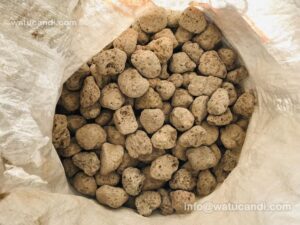
Yes, besides the typical black of Merapi lava, there are also color variants such as green (Sukabumi), cream (Palimanan), brown, and gray from various types of natural stone for decoration that can be adapted to your design theme.
Consult Your Natural Stone Wall Needs Now
Every architectural project has its own vision and challenges. The professional team at Watucandi is ready to help you choose the most suitable size, finish, installation pattern, and cost estimate for your project needs. With years of experience in providing natural stone for gardens and walls, we are committed to delivering premium quality material directly from the source.
Do not hesitate to visit the official Watucandi website to view project portfolios, product collections, and the latest design inspirations. You can also explore various options of Merapi lava temple stone, green tiles for swimming pools, and handmade stone bathtubs that add artistic value to your home. Get the best offers and free consultation by contacting the Watucandi team now.
volcanic natural stone, natural stone tiles, stone wall cladding, temple stone, tile installation patterns, wall cladding, split face stone, rough natural stone, Merapi stone, exterior wall, interior wall, natural stone wall, volcanic stone, stone for wall, stone wall design, Magelang natural stone, Jogja natural stone, Indonesian natural stone,