
Discover wavy carved natural stone tiles for safe, elegant flooring. Expert guide on installation, maintenance & design for bathrooms, pools, gardens. Shop Watucandi.
Transform damp, slippery surfaces into secure, stunning masterpieces with striped and carved natural stone tiles featuring the wavy motif. This comprehensive guide covers everything from geological origins and artisan craftsmanship to step-by-step installation, maintenance protocols, and creative applications for interior bathrooms, kitchens, commercial spaces, and exterior pool decks, gardens, and water features. Learn why Indonesian volcanic stone, Green Sukabumi, and Paras Palimanan are the premier choices for architects and homeowners seeking durable, eco-friendly, and visually captivating building solutions.
Welcome to the most comprehensive and detailed guide available on striped and carved natural stone tiles, specifically focusing on the magnificent wavy motif that has fundamentally revolutionized both interior and exterior architectural design across the globe. This extensive and meticulously crafted article will explore every conceivable facet of using natural stone in modern construction and design, delving deeply into the geological origins of the rock, the intricate artistic craftsmanship required for carving, the complex physics of anti slip surfaces, and the myriad of practical applications that range from luxurious residential bathroom retreats to expansive commercial outdoor landscapes. Natural stone has been an indispensable cornerstone of human civilization for countless millennia, providing essential shelter, breathtaking art, and enduring beauty that transcends generations. Today, we proudly continue this ancient and noble tradition by harnessing the raw, unbridled power of volcanic and sedimentary rocks, expertly shaping them into sophisticated building materials that meet the absolute highest standards of safety, aesthetics, and environmental sustainability. Whether you are a visionary architect designing a massive commercial complex, a talented landscape artist planning a serene zen garden, or a dedicated homeowner looking to significantly upgrade your personal living space, understanding the unique and unparalleled properties of carved wavy stone tiles is absolutely essential for achieving perfection. We will carefully guide you through the intricate details of selecting the right stone for your specific needs, the best practices for flawless installation, and the long term maintenance required to preserve its natural allure for decades to come. By the end of this extensive and enlightening journey, you will possess a profound appreciation for the wavy carved motif and exactly how it can transform any damp, dull, or dangerously slippery surface into a secure, visually stunning, and highly functional masterpiece that will be admired for generations.
Table of Contents
- Introduction to Natural Stone and the Wavy Carved Motif
- The Artistry and Craftsmanship of Stone Carving
- The Physics of Anti Slip Surfaces and Moisture Management
- Geological Origins of Indonesian Natural Stone
- Interior Applications: A Comprehensive Room by Room Guide
- Exterior Applications: Enhancing Outdoor Spaces and Landscapes
- Wall Cladding and Vertical Water Features
- Stone Furniture and Decorative Elements
- Comparative Analysis of Stone Finishes and Textures
- Step by Step Installation Manual and Best Practices
- Comprehensive Maintenance, Cleaning, and Sealing Protocols
- Sustainability, Eco Friendliness, and Economic Value
- Conclusion and Final Thoughts
Introduction to Natural Stone and the Wavy Carved Motif
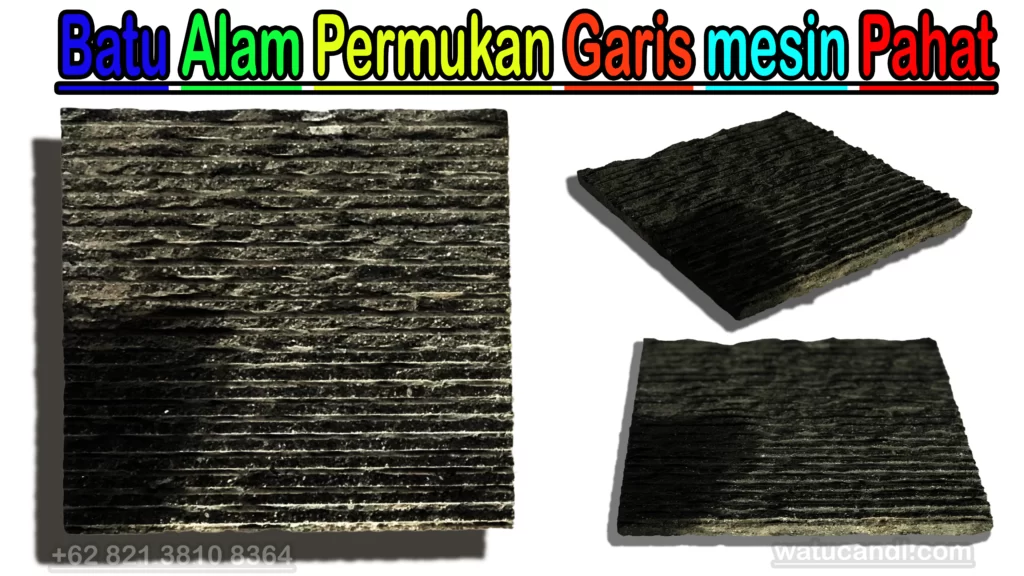
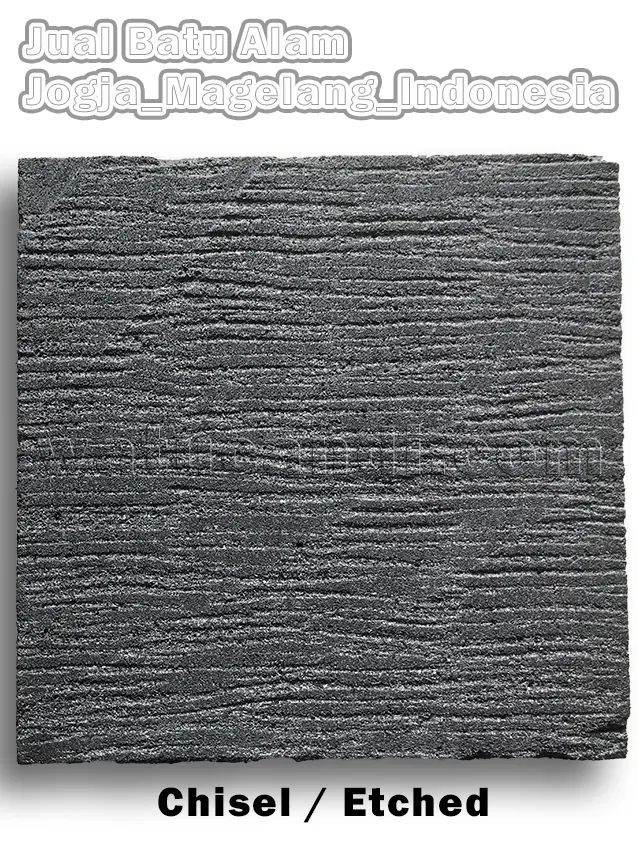
The striped and carved natural stone motif, characterized by its undulating wavy surface, represents a perfect harmony between raw geological power and refined human artistry. When light interacts with these meticulously carved grooves, it creates a dynamic interplay of shadows and highlights that changes throughout the day, giving the stone a living, breathing quality that flat, polished surfaces simply cannot replicate. This three dimensional texture not only captivates the eye but also engages the sense of touch, providing a tactile experience that grounds individuals in the natural world. The wavy motif is particularly renowned for its ability to mask the wear and tear of daily life, as the textured surface naturally conceals minor scratches, dust, and footprints, maintaining its pristine appearance with minimal effort. Furthermore, the undulating lines of the carved stripes can be oriented to influence the perception of space, making narrow areas feel wider or long corridors feel more dynamic and engaging. Architects and designers frequently utilize this motif to create focal points in both residential and commercial settings, drawing attention to specific architectural features or guiding the flow of movement through a space. The versatility of the wavy carved motif allows it to seamlessly integrate into a wide array of design styles, from rustic and traditional to ultra modern and minimalist, proving that natural stone is not bound by the constraints of fleeting design trends but rather stands as a timeless testament to enduring beauty and functional excellence.
Beyond its aesthetic appeal, the wavy carved motif serves a critical functional purpose, particularly in environments where moisture and safety are primary concerns. The deep grooves and raised ridges act as natural channels, effectively displacing water and preventing the formation of a hydrodynamic layer that can lead to dangerous slipping hazards. This inherent anti slip property makes the wavy carved stone an ideal choice for areas that are frequently exposed to water, such as pool decks, bathroom floors, and outdoor walkways. Unlike smooth, polished stones that become treacherous when wet, the wavy motif provides reliable traction, offering peace of mind to homeowners and facility managers alike. The ability to combine high end aesthetics with uncompromising safety is a rare feat in the world of building materials, and the striped carved natural stone achieves this balance masterfully. As the demand for sustainable, durable, and safe building materials continues to grow, the wavy carved motif stands out as a superior solution that meets the rigorous demands of modern architecture while honoring the ancient traditions of stone craftsmanship.
The Artistry and Craftsmanship of Stone Carving
The creation of the wavy carved motif is a testament to the skill, patience, and dedication of master stone artisans who have honed their craft over generations. The process begins with the selection of high quality natural stone blocks, which are carefully evaluated for their density, color consistency, and structural integrity. Once a suitable block is chosen, it is cut into manageable slabs using diamond wire saws or gang saws, a process that requires precision to minimize waste and preserve the natural beauty of the stone. The true artistry, however, emerges during the carving phase, where skilled craftsmen use a variety of specialized tools, including pneumatic chisels, angle grinders, and hand hammers, to sculpt the undulating wavy pattern into the surface of the stone. This is not a mere mechanical process but a deeply artistic endeavor that requires a keen eye for detail and a profound understanding of the stone’s natural properties. Each groove must be carved to a specific depth and width to ensure optimal water displacement and visual impact, while the transitions between the ridges and valleys must be smooth and fluid to create a harmonious overall design. In many traditional workshops, particularly in regions with a rich heritage of stone carving like Java and Bali, the process is still largely done by hand, allowing for subtle variations that give each tile a unique character and authenticity that machine cut products simply cannot match.
The cultural significance of stone carving in these regions cannot be overstated, as it is deeply intertwined with the spiritual and artistic traditions of the local communities. For centuries, master carvers have dedicated their lives to perfecting their techniques, passing down their knowledge from father to son, ensuring that the ancient arts are preserved for future generations. When you install wavy carved natural stone tiles in your home or project, you are not merely purchasing a building material; you are investing in a piece of living history, a tangible connection to the artisans who poured their skill and soul into every single groove. This human element adds an immeasurable layer of value to the stone, transforming it from a simple commodity into a work of art that tells a story of tradition, craftsmanship, and reverence for the natural world. The wavy motif, with its organic, flowing lines, perfectly captures the essence of this artistic heritage, reflecting the natural rhythms and patterns found in the environment, from the ripples of a tranquil pond to the undulating dunes of a desert landscape. It is this profound connection to nature and human artistry that elevates the wavy carved stone above ordinary flooring and wall cladding options, making it a truly exceptional choice for those who appreciate the finer things in life and value the enduring beauty of handcrafted excellence.
The Physics of Anti Slip Surfaces and Moisture Management
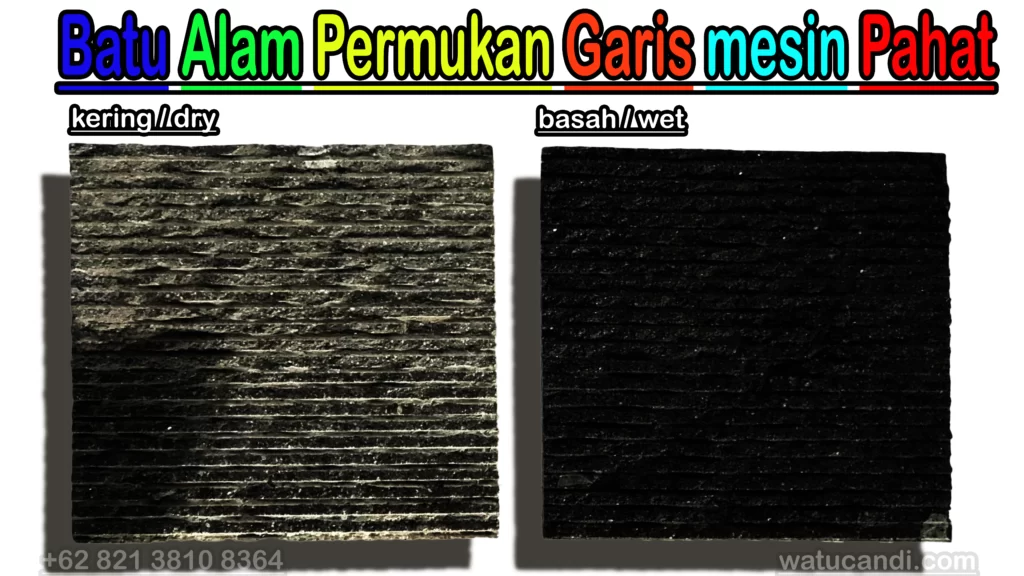
Understanding the physics behind anti slip surfaces is crucial for appreciating the functional brilliance of the wavy carved natural stone motif. The safety of any flooring surface is primarily determined by its coefficient of friction, which is a measure of the resistance to sliding between two materials in contact. When a floor is dry, the coefficient of friction is generally high, providing ample traction for safe movement. However, the introduction of water or other liquids dramatically alters this dynamic, creating a lubricating layer that significantly reduces the coefficient of friction and turns even the most seemingly safe surfaces into treacherous hazards. This phenomenon, known as hydroplaning, occurs when a thin film of water separates the sole of the shoe from the floor, eliminating direct contact and causing a loss of traction. The wavy carved motif is ingeniously designed to combat this exact issue. The deep, continuous grooves act as efficient channels that quickly displace water away from the contact area, allowing the raised ridges of the stone to maintain direct contact with the shoe sole. This ensures that a high coefficient of friction is maintained even in the wettest conditions, effectively preventing hydroplaning and drastically reducing the risk of slips and falls. This principle is similar to the tread pattern on a car tire, which is designed to channel water away from the contact patch to maintain grip on wet roads.
Beyond merely preventing slips, the wavy carved motif also plays a vital role in moisture management and the overall health of the indoor environment. Natural stone is a porous material, meaning it contains microscopic voids and capillaries that can absorb and release moisture. While this porosity can be a concern if the stone is not properly sealed, it also allows the material to “breathe,” facilitating the natural evaporation of moisture from the subfloor or the environment. The increased surface area created by the wavy carved texture accelerates this evaporation process, helping to keep the surface drier and less conducive to the growth of mold, mildew, and bacteria. In damp environments such as basements, ground floor bathrooms, or covered outdoor patios, this enhanced moisture management is invaluable for maintaining a healthy, hygienic, and pleasant atmosphere. Furthermore, the textured surface helps to mask the appearance of water spots and mineral deposits that can mar the beauty of smooth, polished stones, ensuring that the floor maintains its aesthetic appeal even in high moisture areas. By effectively managing both surface water and ambient moisture, the wavy carved natural stone motif provides a comprehensive solution to the challenges of damp and slippery floors, offering a safe, healthy, and beautiful foundation for any architectural space.
Geological Origins of Indonesian Natural Stone
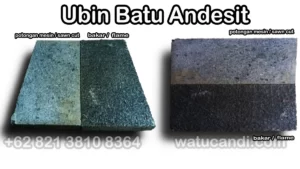
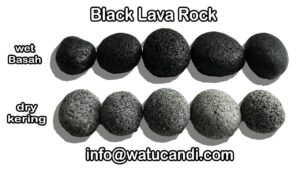
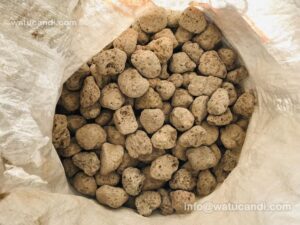
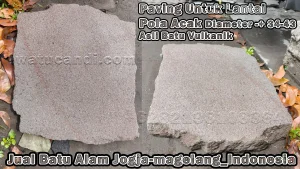
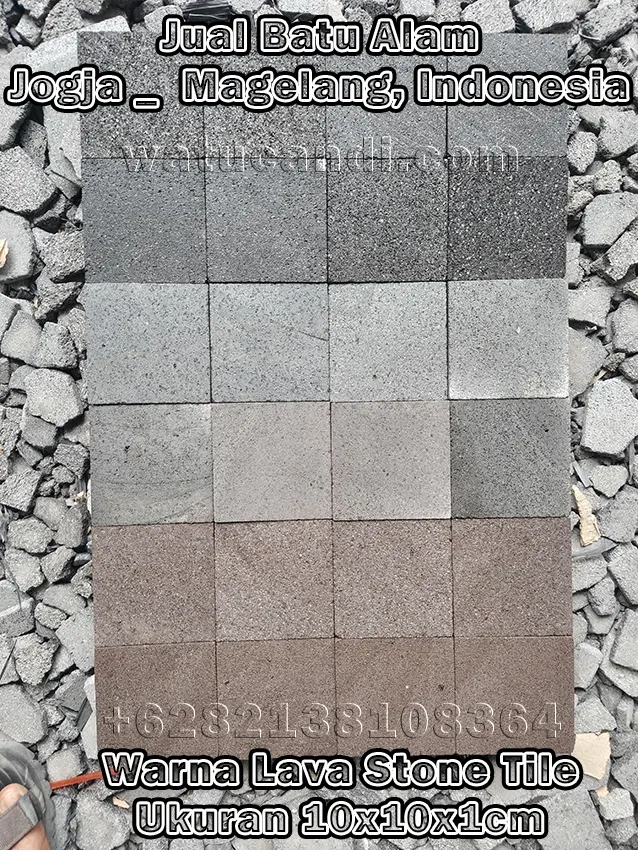
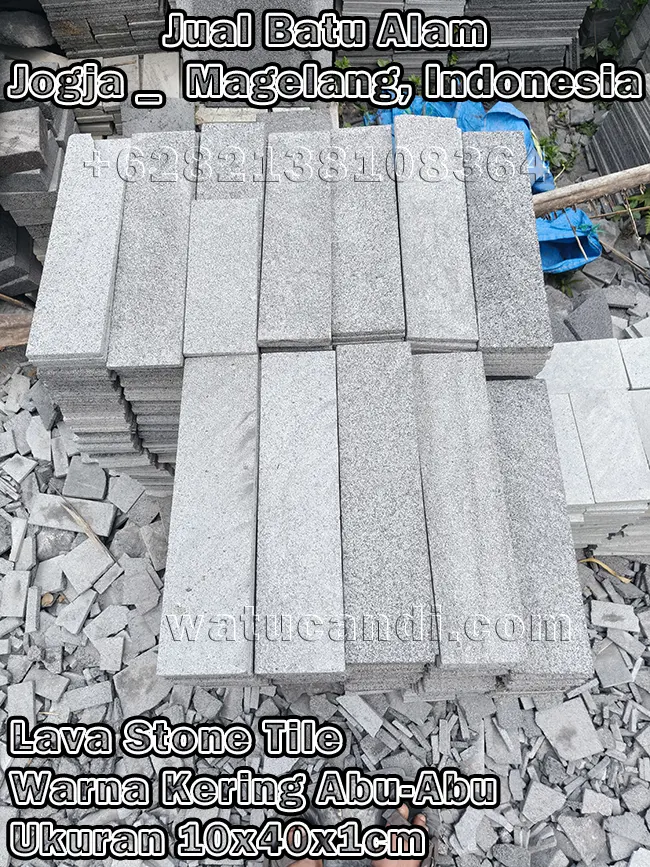
Indonesia, situated squarely on the Pacific Ring of Fire, is one of the most geologically active regions on the planet, boasting a breathtaking diversity of natural stone formations that are highly prized in the global construction and design markets. The violent and majestic eruptions of volcanoes such as Mount Merapi have, over millions of years, deposited vast layers of lava, ash, and pyroclastic flows that have subsequently cooled, compressed, and solidified into incredibly durable and beautiful stones. Andesite, a fine grained volcanic rock, is one of the most prominent materials extracted from these regions, renowned for its exceptional strength, density, and resistance to weathering, making it an ideal choice for both interior and exterior applications. The rich mineral composition of andesite, which typically includes plagioclase feldspar, pyroxene, and sometimes hornblende, gives the stone its characteristic dark gray to black hues, often interspersed with subtle variations in color and texture that add depth and visual interest. When this andesite is carved into the wavy motif, the contrast between the darker valleys and the slightly lighter, weathered ridges creates a striking visual effect that highlights the natural beauty of the volcanic rock. Another significant volcanic stone is lava stone, which is formed from rapidly cooled lava that contains numerous gas bubbles, resulting in a lightweight yet incredibly strong material with a unique, porous texture. This porosity not only contributes to its excellent anti slip properties but also allows it to absorb and retain moisture, making it particularly suitable for use in water features and humid environments.
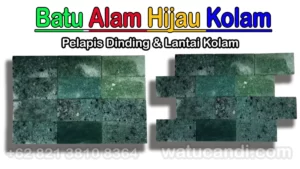
In addition to volcanic stones, Indonesia is also home to rich deposits of sedimentary and metamorphic rocks, such as the famous Green Sukabumi stone and Paras Palimanan limestone. The Green Sukabumi stone, formed from ancient marine deposits, is celebrated for its vibrant green hue, which is derived from the presence of zeolite minerals. This stone is not only visually stunning but also possesses natural anti bacterial properties and the ability to absorb water, making it a highly sought after material for swimming pools and wet areas. When carved into a wavy motif, the green color is enhanced by the play of light and shadow, creating a mesmerizing, ocean like effect. Paras Palimanan, a soft, creamy white limestone from Bali, is prized for its ease of carving and its warm, inviting aesthetic. Its softer nature allows artisans to create incredibly intricate and delicate wavy patterns that would be difficult to achieve on harder volcanic stones. The geological diversity of Indonesian natural stone provides architects and designers with an unparalleled palette of materials, each with its own unique characteristics, colors, and textures, allowing for the creation of truly bespoke and customized designs that reflect the specific needs and desires of any project. The extraction and processing of these stones are carried out with a growing emphasis on sustainable practices, ensuring that the natural beauty of the Indonesian landscape is preserved for future generations while providing vital economic opportunities for local communities.
Interior Applications: A Comprehensive Room by Room Guide
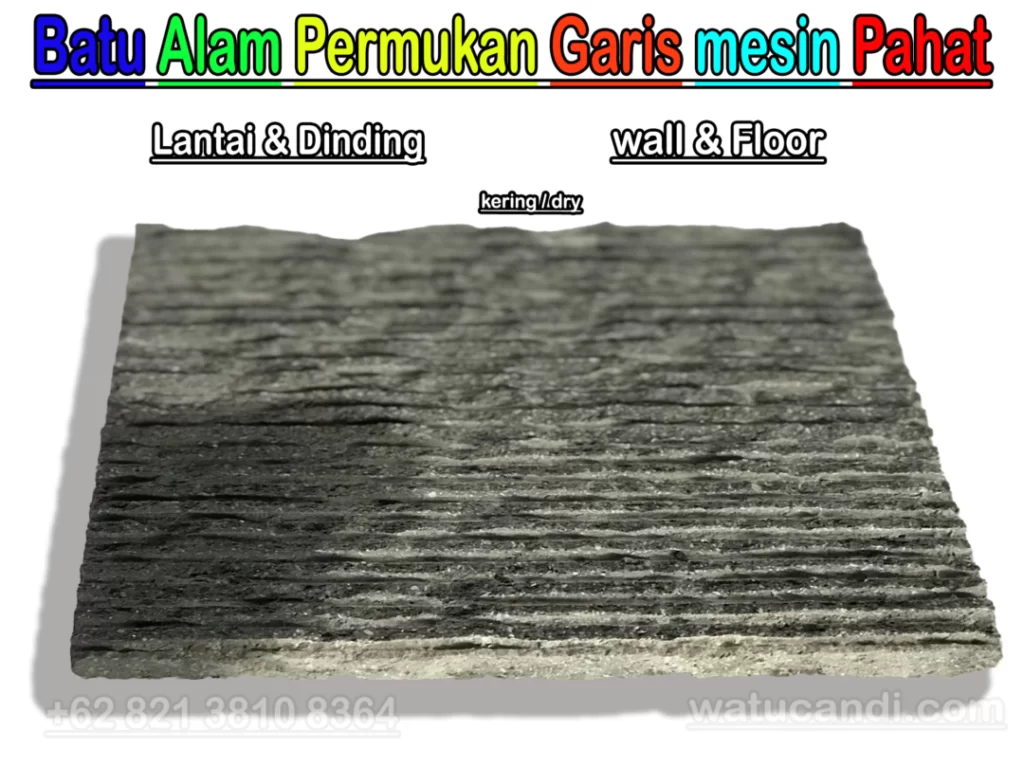
The interior application of striped and carved natural stone tiles opens up a world of design possibilities, transforming ordinary rooms into extraordinary sanctuaries of style, comfort, and safety. In the bathroom, arguably the most critical area for anti slip flooring, the wavy carved motif provides an unparalleled combination of luxury and practicality. Imagine stepping out of a warm shower onto a floor that not only feels incredibly grounding and natural underfoot but also guarantees your safety, even when the floor is covered in water and soap suds. The Paras Palimanan stone tiles are particularly well suited for bathroom environments, offering a soft, warm, and elegant aesthetic that complements a wide range of design styles, from rustic farmhouse to modern minimalist. Their natural porosity, when properly sealed, allows them to withstand the humid conditions of a bathroom while adding a touch of organic beauty that ceramic tiles simply cannot match. For those seeking a more vibrant and refreshing look, the original Green Sukabumi stone tiles bring a splash of nature indoors, their lush green hue evoking the feeling of a tranquil tropical oasis. The wavy carved texture of the Green Sukabumi stone enhances its natural beauty, creating a dynamic surface that interacts beautifully with the light filtering through bathroom windows, making the space feel larger, brighter, and more inviting.
In the kitchen, a space that is inherently prone to spills, splatters, and heavy foot traffic, the durability and safety of the wavy carved natural stone motif are truly invaluable. The textured surface effectively hides minor crumbs and spills between cleanings, maintaining a neat and tidy appearance even in the midst of a busy cooking session. Furthermore, the excellent traction provided by the wavy grooves ensures that chefs and home cooks can move confidently and safely around the kitchen, even when dealing with wet floors from washed vegetables or accidental liquid spills. The Breksi natural stone tiles offer a rugged, textured appearance that adds depth, character, and a touch of rustic charm to kitchen designs, pairing beautifully with wooden cabinetry and stainless steel appliances. For living areas and entryways, where first impressions are paramount, the wavy carved motif creates a stunning focal point that immediately draws the eye and sets the tone for the entire home. The Batik Green Yogyakarta stone tiles provide an exquisite fusion of traditional Indonesian artistry and natural stone beauty, their intricate patterns and rich colors adding a layer of cultural depth and visual interest that elevates the design of any living space. In commercial interiors, such as hotel lobbies, high end restaurants, and boutique retail stores, the wavy carved natural stone motif conveys a sense of luxury, permanence, and attention to detail that resonates deeply with customers and guests, creating an unforgettable environment that encourages them to linger and return. The natural stone tiles used in these high traffic commercial settings must be not only beautiful but also incredibly durable and easy to maintain, and the wavy carved motif delivers on all these fronts, proving that safety and style can indeed coexist harmoniously in the most demanding interior environments.
Exterior Applications: Enhancing Outdoor Spaces and Landscapes
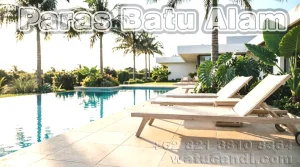
When it comes to exterior applications, the challenges posed by the elements are significantly amplified, making the selection of the right flooring material absolutely critical. Outdoor spaces are constantly exposed to rain, sun, wind, and temperature fluctuations, all of which can take a severe toll on inferior building materials, leading to cracking, fading, and dangerous slippery surfaces. The striped and carved natural stone motif, with its inherent durability and superior anti slip properties, is the ultimate solution for creating safe, beautiful, and long lasting outdoor environments. Pool decks and copings are perhaps the most demanding exterior applications, as they are continuously submerged in or splashed by chlorinated or salt water, while also being subjected to barefoot traffic from swimmers. The wavy carved motif provides the essential traction needed to prevent slips and falls around the pool, while the natural thermal properties of the stone ensure that the surface remains cool and comfortable to walk on, even under the blazing summer sun, unlike concrete or synthetic materials that can become dangerously hot. The lava stone for swimming pools is particularly renowned for its exceptional performance in these harsh conditions, its natural porosity allowing it to absorb water and stay cool, while its dense volcanic composition ensures it will not degrade or slip when wet. For garden pathways and patios, the wavy carved stone blends seamlessly with the natural landscape, creating a harmonious transition between the built environment and the organic world. The undulating lines of the carved motif mimic the natural contours of the earth, guiding the eye and the foot along the path in a fluid, organic manner. The outdoor Merapi flooring is an excellent choice for these applications, its rich, dark volcanic hues providing a beautiful contrast to the lush greenery of a garden, while its incredible strength ensures it can withstand the weight of foot traffic and occasional vehicle access without cracking or shifting.
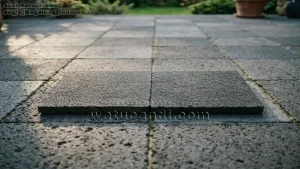
Driveways and outdoor parking areas require materials with exceptional compressive strength and resistance to heavy loads, and the wavy carved natural stone motif delivers this in spades. The dense, interlocking crystalline structure of volcanic stones like andesite and basalt provides the necessary structural integrity to support the weight of vehicles without deforming or cracking, while the textured surface ensures that tires maintain excellent grip, even in wet or icy conditions. The andesite paving is specifically engineered for these heavy duty applications, offering a robust, durable, and highly functional surface that will last for decades with minimal maintenance. In public spaces, municipal projects, and commercial exteriors, such as shopping center walkways, hotel courtyards, and restaurant patios, the wavy carved motif provides a sophisticated, high end aesthetic that elevates the overall design of the space while ensuring the safety of the public. The temple stone paving floor options offer a timeless, classic look that resonates with the rich architectural heritage of the region, creating a sense of place and history that modern, mass produced materials simply cannot replicate. The carved stone paving floor solutions are designed to meet the rigorous demands of high traffic public areas, combining exceptional durability with the essential anti slip properties required to prevent accidents and minimize liability. Whether it is a private residential garden, a bustling commercial plaza, or a serene public park, the wavy carved natural stone motif provides a versatile, beautiful, and safe foundation that enhances the outdoor experience and stands the test of time against the relentless forces of nature.
Wall Cladding and Vertical Water Features

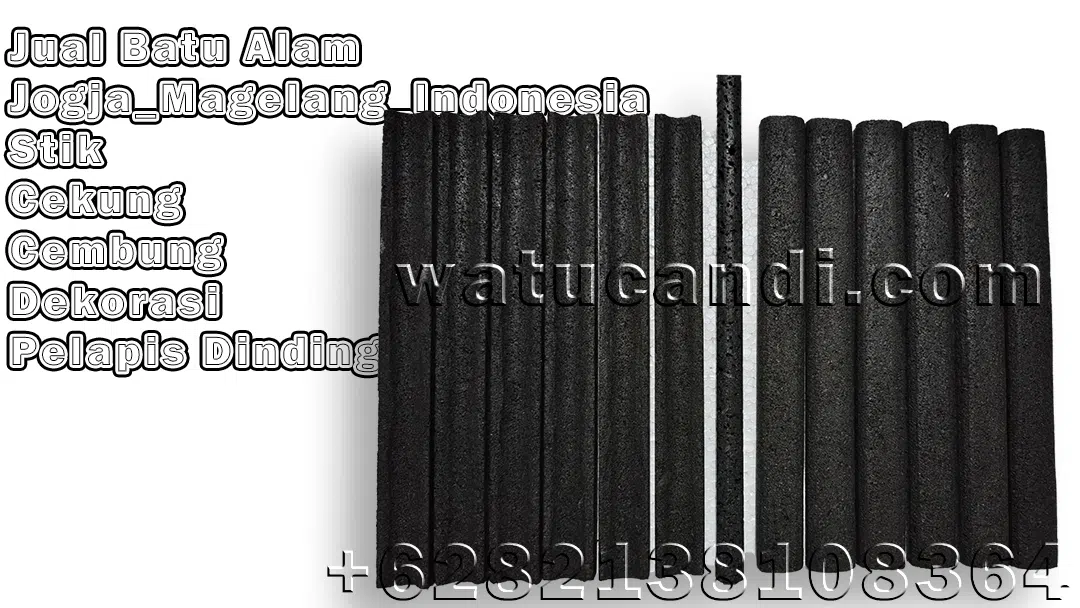
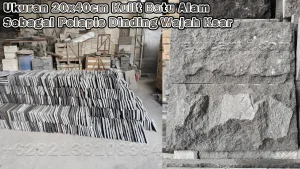
The application of the wavy carved natural stone motif extends far beyond horizontal flooring surfaces, finding equally stunning and functional expression in vertical wall cladding and water features. When used as wall cladding, the undulating texture of the carved stone adds a profound sense of depth, dimension, and tactile interest to otherwise flat, monotonous surfaces, transforming them into dynamic works of art that captivate the eye and engage the senses. The interplay of light and shadow across the wavy grooves changes throughout the day, creating a living, breathing facade that evolves with the movement of the sun, giving the architecture a unique character and presence. In interior design, wavy carved stone feature walls are frequently used to create dramatic focal points in living rooms, behind televisions, or in luxurious bathroom showers, adding a touch of organic luxury and natural warmth that complements a wide range of design styles. The black temple lava stone is particularly popular for interior feature walls, its deep, rich color and striking texture providing a sophisticated, modern backdrop that enhances the beauty of surrounding decor and furnishings. For exterior applications, wavy carved stone cladding can be used to accentuate architectural features, such as columns, pillars, and facade elements, adding a layer of visual interest and textural contrast that elevates the overall design of the building. The durability and weather resistance of natural stone make it an ideal choice for exterior cladding, ensuring that the beautiful wavy texture will remain intact and vibrant for decades, regardless of the harsh environmental conditions it may face.
Perhaps the most breathtaking application of the wavy carved natural stone motif is in the creation of vertical water features, such as waterfalls, fountain walls, and pond linings. The undulating grooves of the carved stone are perfectly designed to guide the flow of water, creating a beautiful, cascading effect that mimics the natural flow of a mountain stream. As the water flows over the wavy surface, it creates a soothing, rhythmic sound that masks unwanted noise and promotes a sense of tranquility and relaxation, making it an ideal addition to spas, resorts, and private gardens. The texture of the stone also helps to aerate the water as it flows, improving water quality and creating a healthier environment for aquatic plants and fish. The lava stone exterior design is frequently utilized in these water features, its natural porosity and resistance to algae growth ensuring that the stone remains beautiful and functional even when constantly submerged in or splashed by water. For koi ponds and aquatic gardens, the wavy carved stone provides a natural, organic backdrop that enhances the beauty of the fish and plants, creating a harmonious, balanced ecosystem that is a joy to behold. The lava stone floor materials are also often used for the surrounding decking and coping of these water features, creating a cohesive, unified design that seamlessly integrates the water element into the overall landscape. Whether it is a grand, cascading waterfall in a luxury resort or a small, tranquil fountain in a private courtyard, the wavy carved natural stone motif brings the beauty, sound, and life giving energy of water into the architectural space, creating an unforgettable sensory experience that nourishes the soul and elevates the human spirit.
Stone Furniture and Decorative Elements
The versatility of the striped and carved natural stone motif extends beyond floors and walls, finding exquisite expression in the realm of custom stone furniture and decorative elements. The creation of stone furniture is a highly specialized craft that requires immense skill, precision, and a deep understanding of the material’s properties. Artisans carefully select massive blocks of high quality natural stone, which are then meticulously cut, carved, and polished to create functional, yet incredibly beautiful, pieces of furniture that are designed to last for generations. Stone sinks and bathtubs are perhaps the most luxurious and sought after examples of this craft, offering a level of durability, hygiene, and aesthetic appeal that is simply unmatched by synthetic materials. A handmade stone bathtub carved from a single, solid block of volcanic rock is not merely a vessel for bathing; it is a monumental work of art that serves as the centerpiece of a luxurious bathroom spa. The natural thermal mass of the stone ensures that the water remains warm for an extended period, providing a deeply relaxing and rejuvenating bathing experience. Similarly, a Merapi stone sink or a black basalt stone sink adds a touch of raw, organic elegance to any bathroom or powder room, their unique textures and natural color variations ensuring that no two pieces are exactly alike. The wavy carved motif can be incorporated into the exterior of these stone vessels, adding a tactile element and a visual connection to the natural world that enhances the overall sensory experience of the space.
Beyond the bathroom, stone furniture is increasingly being used in outdoor living spaces, gardens, and even interior living areas to create a sense of permanence, grounding, and natural beauty. Solid stone tables and chairs are incredibly durable, weather resistant, and require virtually no maintenance, making them ideal for patios, courtyards, and garden landscapes. A set of handmade stone table and chairs provides a cool, stable surface for outdoor dining or relaxation, its substantial weight ensuring that it will not be blown over by strong winds, while its natural beauty blends seamlessly with the surrounding greenery. For interior spaces, stone furniture can be used to create striking, sculptural pieces that serve as functional art. A carved motif dressing table made from natural stone, perhaps featuring the wavy carved motif on its drawers or base, adds a layer of luxury, sophistication, and unique character to a bedroom or dressing area, elevating the daily routine of grooming into a truly indulgent experience. The integration of natural stone and furniture design represents the pinnacle of bespoke, high end interior and exterior decor, offering a level of customization, durability, and aesthetic impact that is simply impossible to achieve with mass produced, synthetic alternatives. Each piece of stone furniture is a unique testament to the skill of the artisan and the enduring beauty of the natural world, providing a functional, yet profoundly artistic, addition to any architectural space.
Comparative Analysis of Stone Finishes and Textures
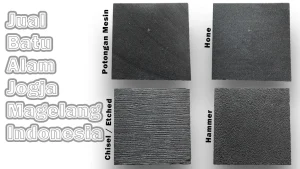
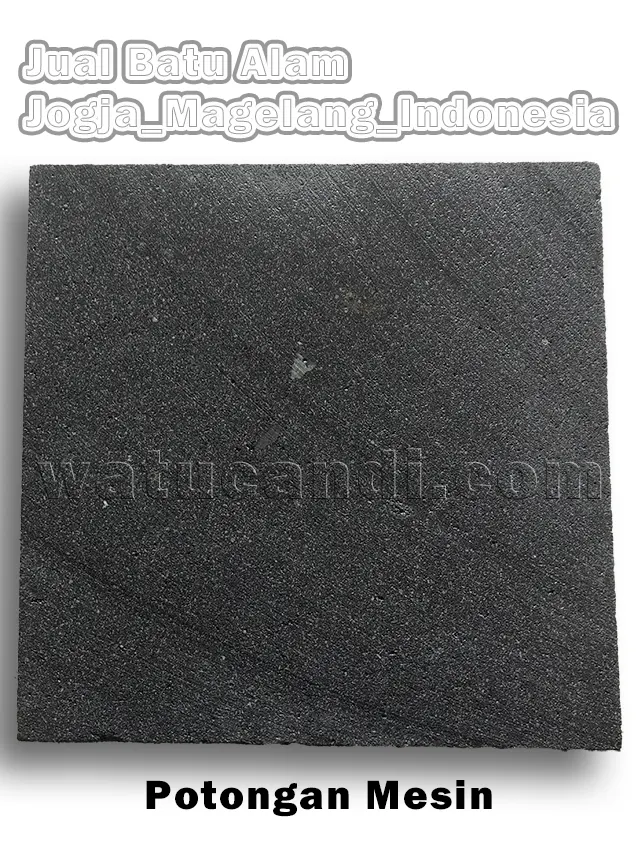
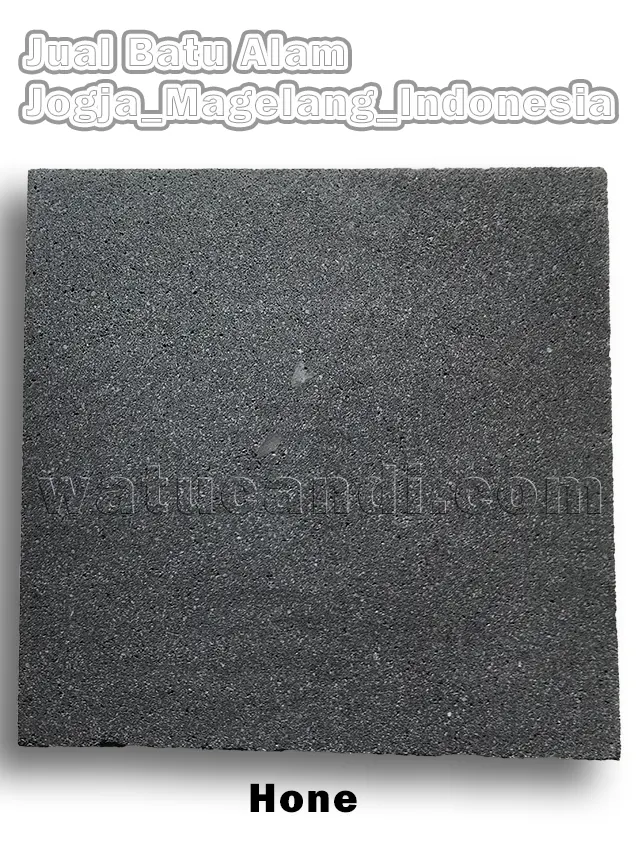
To truly appreciate the unique advantages of the wavy carved natural stone motif, it is essential to understand how it compares to other popular stone finishes and textures available in the market. The finish applied to a natural stone surface dramatically alters its appearance, tactile feel, and functional properties, making the selection of the right finish a critical decision in the design process. A polished finish, for example, involves grinding and buffing the surface of the stone to a high, mirror like shine, which enhances the color and veining of the material, creating a luxurious, formal, and highly reflective surface. However, this polished surface is inherently slippery when wet, making it entirely unsuitable for areas where moisture is present, such as bathrooms, pool decks, or outdoor walkways. A honed finish, on the other hand, involves grinding the surface to a smooth, flat, but matte finish, which provides a more subdued, natural look and offers slightly better traction than a polished surface, though it still poses a significant slip hazard when wet. For a more rustic, weathered appearance, a tumbled finish is often used, where the stones are tumbled in a machine with abrasives to create a distressed, antiqued look with slightly rounded edges and a textured surface that offers moderate anti slip properties.
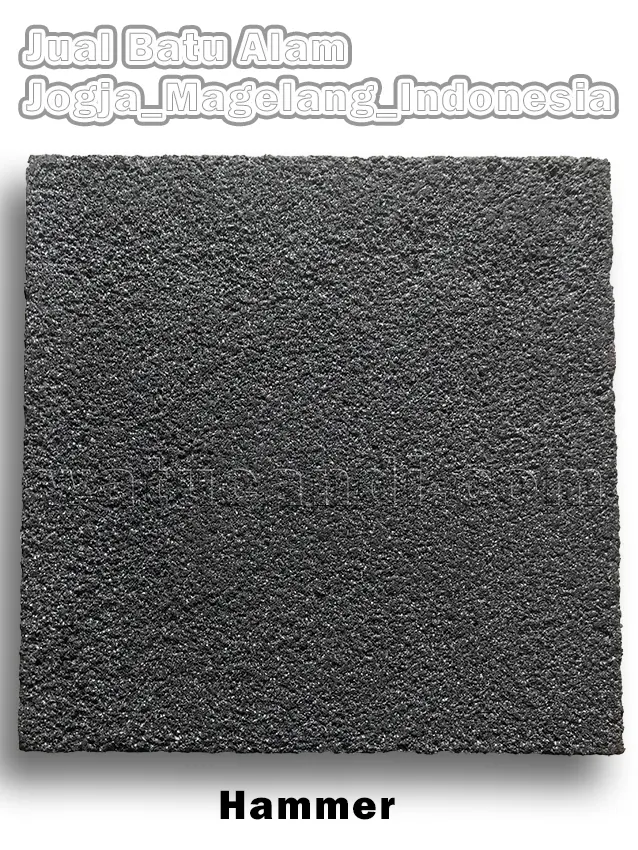
For applications where maximum anti slip performance is required, highly textured finishes such as bush hammered or flamed are often employed. A black lava bush hammered surface is created by pounding the stone with a multi pointed hammer, creating a highly pitted, rough texture that provides exceptional traction, even in the wettest conditions. Similarly, a flamed finish involves subjecting the surface of the stone to intense heat, causing the crystals to explode and create a rough, gritty texture that is highly anti slip. While these finishes offer excellent safety, they can sometimes be too rough or abrasive for barefoot traffic, and they lack the refined, artistic aesthetic of the wavy carved motif. The wavy carved motif represents the perfect synthesis of these different approaches, combining the high traction and water displacement capabilities of a highly textured surface with the refined, artistic, and visually stunning appeal of a handcrafted design. Unlike the random, chaotic texture of a bush hammered surface, the wavy motif features deliberate, flowing lines that guide the eye and create a sense of harmony and movement. Furthermore, the rough surface natural stone floor options can sometimes be difficult to clean, as dirt and debris can become trapped in the deep, irregular pits, whereas the smooth, continuous grooves of the wavy carved motif are much easier to sweep and mop, maintaining a hygienic and beautiful surface with minimal effort. The susun sirih slab stone surface and original susun sirih stone offer alternative textured looks, but the wavy carved motif remains unparalleled in its ability to combine safety, aesthetics, and ease of maintenance in a single, cohesive design.
Step by Step Installation Manual and Best Practices
The successful installation of striped and carved natural stone tiles is a critical process that requires careful planning, precision, and a deep understanding of the material’s unique properties. Unlike uniform, machine made ceramic tiles, natural stone is a product of the earth, with inherent variations in density, porosity, and structural integrity that must be accounted for during the installation process to ensure a long lasting, beautiful, and safe result. The first and most crucial step is the preparation of the subfloor, which must be clean, dry, structurally sound, and perfectly level. Any cracks, unevenness, or movement in the subfloor will inevitably telegraph through the natural stone, leading to cracked tiles or failed grout joints. For wooden subfloors, it is essential to install a cement backer board or an uncoupling membrane to provide a stable, rigid base that will prevent the wood from expanding and contracting, which could otherwise cause the stone to crack. Once the subfloor is properly prepared, the next step is to plan the layout of the tiles. This is particularly important for the wavy carved motif, as the direction of the carved grooves can significantly influence the visual flow and perceived dimensions of the space. It is highly recommended to dry lay the tiles before applying any adhesive, allowing you to visualize the final design, blend the natural color variations of the stone, and ensure that the wavy patterns align correctly across the entire installation. The installation patterns for carved stone can vary from a simple linear layout to a more complex herringbone or staggered pattern, depending on the desired aesthetic effect and the specific dimensions of the space.
Once the layout is finalized, the actual installation process begins with the application of a high quality, polymer modified thin set mortar that is specifically formulated for use with natural stone. It is absolutely critical to use a white or light gray thin set to prevent any discoloration of the natural stone, particularly for lighter colored varieties like Paras Palimanan or Green Sukabumi. The mortar should be applied to the subfloor using a notched trowel, and it is highly recommended to also “back butter” each tile by applying a thin, flat layer of mortar to the back of the stone before setting it in place. This ensures complete, uniform coverage and a strong, secure bond between the tile and the subfloor, preventing any voids that could lead to cracked tiles or hollow sounding floors. When setting the tiles, it is important to use a slight twisting motion to ensure full contact with the mortar bed, and to maintain consistent grout joints using plastic spacers. After the mortar has fully cured, typically for 24 to 48 hours, the next step is grouting. For the wavy carved motif, it is essential to apply the grout carefully, using a rubber float to press the grout into the joints while avoiding filling the carved grooves of the stone itself. Any grout haze that forms on the surface of the stone should be cleaned off immediately with a damp sponge, as dried grout can be very difficult to remove from the textured surface without damaging the stone. Finally, once the grout has fully cured, the entire installation must be sealed with a high quality, penetrating natural stone sealer. This sealer will protect the stone and the grout from stains, moisture, and dirt, while still allowing the material to breathe, ensuring the long term beauty, durability, and safety of your wavy carved natural stone installation.
Comprehensive Maintenance, Cleaning, and Sealing Protocols
Maintaining the beauty, safety, and longevity of striped and carved natural stone tiles requires a consistent, proactive approach to cleaning and care, tailored to the specific needs of the natural material. Unlike ceramic or porcelain tiles, which are essentially impervious glass surfaces, natural stone is a porous, living material that requires proper sealing and gentle cleaning to preserve its natural integrity and appearance. The first line of defense in maintaining your wavy carved stone floors and walls is a regular, daily cleaning routine that involves sweeping or vacuuming with a soft brush attachment to remove abrasive dirt, dust, and grit that can scratch the surface of the stone over time. For mopping, it is absolutely critical to use only a pH neutral cleaner that is specifically formulated for natural stone. Acidic cleaners, such as vinegar, lemon juice, or general purpose bathroom cleaners, will chemically react with the calcium carbonate in many natural stones, particularly limestone and marble, causing etching, dulling, and permanent damage to the surface. Similarly, alkaline cleaners or harsh chemicals can degrade the protective sealer and strip the natural oils from the stone, leaving it vulnerable to stains and moisture penetration. After mopping, it is highly recommended to dry the surface with a soft, clean cloth or a squeegee, particularly in wet areas like bathrooms and pool decks, to prevent the formation of water spots and mineral deposits that can mar the beautiful, wavy texture of the stone.
Despite the best efforts to maintain a regular cleaning routine, accidents happen, and stains can occur. When dealing with spills on natural stone, it is essential to act quickly, blotting the spill with a clean, absorbent cloth rather than wiping it, which can spread the stain and push it deeper into the porous surface. For oil based stains, such as those from cooking grease or cosmetics, a poultice made of a powdered absorbent material mixed with a chemical solvent like acetone or mineral spirits can be applied to the stain, covered with plastic wrap, and left to dry, drawing the oil out of the stone. For organic stains, such as those from coffee, tea, wine, or leaves, a poultice made of hydrogen peroxide and a powdered absorbent material is typically effective. It is important to test any cleaning chemical or poultice on a small, inconspicuous area of the stone first to ensure it does not cause any discoloration or damage. The most critical aspect of long term maintenance for wavy carved natural stone is the regular application of a high quality, penetrating sealer. The frequency of resealing will depend on the type of stone, the level of foot traffic, and the specific environment, but as a general rule, interior floors should be resealed every one to three years, while exterior surfaces and wet areas may require resealing annually. To test if your stone needs resealing, simply sprinkle a few drops of water on the surface; if the water beads up, the sealer is still effective, but if it darkens the stone and soaks in within a few minutes, it is time to apply a fresh coat of sealer. By following these comprehensive maintenance, cleaning, and sealing protocols, you will ensure that your wavy carved natural stone tiles remain beautiful, safe, and functional for decades, preserving their natural allure and protecting your investment for generations to come.
Sustainability, Eco Friendliness, and Economic Value
In an era where environmental consciousness and sustainable building practices are of paramount importance, the selection of building materials must be carefully evaluated based on their entire life cycle impact, from extraction and processing to installation, use, and eventual disposal. Natural stone, particularly the striped and carved wavy motif, stands out as an exceptionally sustainable, eco friendly, and economically valuable choice that aligns perfectly with the principles of green architecture and responsible construction. Unlike synthetic building materials, such as ceramic tiles, vinyl, or carpet, which are manufactured using energy intensive processes, toxic chemicals, and non renewable petroleum based resources, natural stone is a product of the earth, requiring minimal processing and containing no volatile organic compounds or harmful off gassing chemicals that can compromise indoor air quality. The extraction and cutting of natural stone, while certainly requiring energy, is a relatively low impact process compared to the firing of kilns for ceramic tiles or the chemical synthesis of plastics, and modern quarrying practices are increasingly focused on minimizing environmental disruption, reclaiming land, and recycling water and stone dust. Furthermore, natural stone is incredibly durable and long lasting, often surviving for centuries with proper care, which drastically reduces the need for replacement and the associated environmental impact of manufacturing, transporting, and installing new materials. At the end of its incredibly long life cycle, natural stone is completely inert and can be safely returned to the earth or repurposed for other construction projects, unlike synthetic materials that will sit in landfills for millennia, leaching toxic chemicals into the environment.
Beyond its environmental benefits, natural stone also offers significant economic value and performance advantages that contribute to the overall sustainability and efficiency of a building. One of the most remarkable properties of natural stone is its high thermal mass, which is the ability of a material to absorb, store, and slowly release heat. In passive solar design, thick stone floors and walls can absorb the heat of the sun during the day, preventing the interior from overheating, and then slowly release that heat during the cool night, significantly reducing the reliance on artificial heating and cooling systems and lowering energy consumption and utility costs. This natural temperature regulation is particularly effective in climates with significant diurnal temperature variations, making natural stone an ideal choice for sustainable, energy efficient building design. Additionally, the timeless, enduring beauty of natural stone significantly increases the resale value of a property, as it is universally recognized as a premium, high end building material that conveys a sense of luxury, quality, and permanence. Homebuyers and commercial tenants are consistently willing to pay a premium for spaces that feature authentic natural stone, recognizing its superior durability, low maintenance requirements, and unparalleled aesthetic appeal. When you choose the wavy carved natural stone motif for your project, you are not merely selecting a beautiful flooring or cladding option; you are making a sound, sustainable investment in the future, choosing a material that is kind to the planet, beneficial to your health, and valuable to your wallet, proving that true luxury and environmental responsibility can indeed go hand in hand.
Conclusion and Final Thoughts
In conclusion, the striped and carved natural stone tile, with its magnificent wavy motif, represents the absolute pinnacle of architectural design, seamlessly blending the raw, enduring beauty of the natural world with the refined, safety conscious needs of modern human habitation. From the intricate, handcrafted artistry of the carving process to the complex physics of its anti slip surface, every aspect of this remarkable material has been carefully considered and perfected to provide an unparalleled combination of aesthetics, functionality, and durability. Whether it is transforming a damp, dangerous bathroom floor into a safe, luxurious spa retreat, creating a stunning, non slip pool deck that remains cool under the summer sun, or adding a dynamic, textural focal point to an interior feature wall or exterior water feature, the wavy carved motif delivers exceptional performance and breathtaking beauty in every conceivable application. The geological diversity of Indonesian natural stone, from the dense, powerful volcanic rocks of Mount Merapi to the vibrant, refreshing Green Sukabumi stone, provides an incredibly rich palette of materials, each with its own unique character, color, and history, allowing architects, designers, and homeowners to create truly bespoke, customized spaces that reflect their individual style and values. By choosing the wavy carved natural stone motif, you are not merely purchasing a building material; you are investing in a piece of living history, a testament to the skill of master artisans, and a commitment to sustainable, eco friendly, and economically sound building practices that will benefit both the environment and your property for generations to come. As we look to the future of architecture and design, it is clear that the timeless, enduring appeal of natural stone, particularly in its most functional and artistic form, the wavy carved motif, will continue to inspire, protect, and elevate the human experience, proving that true beauty and practical excellence are, and always will be, perfectly harmonious.
Related Products and Further Reading
To further enhance your understanding of natural stone applications and explore additional options for your project, we have curated a comprehensive list of related products and resources. For those interested in the warm, earthy tones of sedimentary rock, the brown sandstone offers a classic, versatile look that complements a wide variety of design styles. If you prefer a more weathered, antiqued appearance, the natural stone tumbled finish provides a rustic charm that is perfect for traditional or Mediterranean inspired spaces. For a truly three dimensional, sculptural effect on your walls or floors, the 3D Merapi stone creates a dramatic, dynamic surface that captures the eye and adds profound depth to any room. When designing outdoor spaces that require exceptional durability and weather resistance, the Merapi lahar temple stone floor is an outstanding choice, offering the raw, natural beauty of volcanic lahar with the structural integrity needed for high traffic exterior applications. For those seeking a sleek, modern aesthetic for their exterior design, the lava stone exterior design options provide a sophisticated, contemporary look that pairs beautifully with minimalist architecture and lush landscaping.
The versatility of lava stone extends far beyond exterior cladding, making it an exceptional choice for interior flooring as well. The lava stone floor installations offer a unique, porous texture that is naturally anti slip and highly resistant to temperature fluctuations, making it ideal for homes with underfloor heating systems or in regions with extreme seasonal weather changes. For a bold, dramatic statement in any space, the black temple lava stone provides a deep, rich, and mysterious aesthetic that serves as a perfect backdrop for modern art, vibrant furnishings, and lush indoor plants. If you are looking to create a warm, inviting outdoor living area, the Merapi lava stone parquet decking combines the natural beauty of volcanic rock with the classic, elegant pattern of traditional parquet flooring, creating a truly unique and sophisticated outdoor surface. For those who appreciate the raw, unrefined beauty of natural rock formations, the natural rock slabs offer a massive, monumental scale that is perfect for creating stunning, one of a kind feature walls, custom countertops, or monumental outdoor sculptures. The Paras Palimanan stone tiles remain a perennial favorite for interior applications, their soft, creamy white hue and fine grain providing a warm, elegant, and highly carveable surface that is perfect for intricate wavy motifs and detailed ornamental work.
For those seeking a more rugged, textured aesthetic, the Breksi natural stone tiles offer a fascinating, multi colored, and highly textured surface that tells the geological story of ancient volcanic eruptions, making every single tile a unique work of natural art. The integration of natural stone and furniture design continues to grow in popularity, as homeowners and designers seek to bring the enduring, grounding presence of stone into every aspect of the living environment. For aquatic environments, the lava stone for swimming pools is unmatched in its ability to remain cool underfoot, resist algae growth, and provide a safe, non slip surface that is gentle on bare feet while being incredibly durable against the harsh chemicals of pool water. The susun sirih slab stone surface and the original susun sirih stone offer a unique, layered, stacked stone aesthetic that is perfect for creating dramatic feature walls, retaining walls, or organic, free form water features that mimic the natural stratification of rock formations found in nature. The vibrant, lush green hue of the original Green Sukabumi stone tiles is legendary in the world of pool design, its natural zeolite content providing anti bacterial properties and a stunning, tropical aesthetic that transforms any pool into a luxurious, natural oasis.
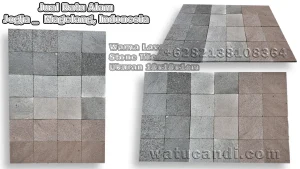
When it comes to finishing the edges of your stone installations, the natural stone edging and coping options provide a safe, smooth, and beautifully finished border for pools, stairs, and countertops, ensuring a professional, polished look that enhances the overall design. For the ultimate in bathroom luxury, a Merapi stone sink or a black basalt stone sink carved from a solid block of volcanic rock provides a massive, durable, and visually stunning focal point that elevates the entire space. The Batik Green Yogyakarta stone tiles offer a unique fusion of traditional Indonesian cultural artistry and natural stone beauty, their intricate, hand carved patterns adding a layer of depth, history, and visual interest that is truly unparalleled. For those who prefer the deep, consistent color of volcanic rock, the black lava stone 100x100x10 tiles provide a classic, modular format that is easy to install and perfect for creating clean, modern, and highly functional surfaces in both interior and exterior applications. The black lava stone tiles and the black lava natural stone tiles are available in a variety of sizes and finishes, allowing for endless customization and design possibilities.
The rich, historical significance of Indonesian stone is beautifully captured in the Borobudur temple stone, which is carefully sourced and finished to replicate the ancient, weathered look of the world famous Buddhist monument, providing a profound sense of history, spirituality, and timeless beauty to any project. For heavy duty exterior applications, the temple stone paving floor and the carved stone paving floor options offer exceptional compressive strength, durability, and anti slip performance, making them ideal for driveways, walkways, and public plazas. The temple stone step floor is specifically designed for staircases and elevated platforms, providing a safe, durable, and beautiful surface that can withstand the rigors of heavy foot traffic and the elements. For those interested in the unique geological features of volcanic rock, the hidden crystals in Merapi lava offer a fascinating glimpse into the microscopic beauty and complex mineral composition of these ancient stones, adding a layer of scientific intrigue and natural wonder to your material selection. The black lahar and the temple lahar stone floor provide a unique, dark, and highly textured aesthetic that is perfect for creating dramatic, high contrast designs in both interior and exterior spaces.
For specialized applications, the lava stone 75x230mm format is ideal for creating linear patterns, borders, and intricate mosaics, while the lava stone products encompass a wide range of sizes, finishes, and applications to meet the diverse needs of any project. The alkali lava stone is specifically treated to resist the harsh effects of alkaline environments, making it perfect for use in concrete structures or areas exposed to high pH levels. The lava stone and the temple lava stone are foundational materials in the world of natural stone construction, offering unparalleled durability, beauty, and versatility. For those seeking a classic, elegant paving solution, the andesite paving provides a timeless, sophisticated look that is incredibly durable and easy to maintain. Finally, the Green Sukabumi stone remains one of the most popular and sought after natural stones in the world, its vibrant green hue, natural anti bacterial properties, and exceptional beauty making it the ultimate choice for luxury pools, spas, and high end residential and commercial projects.
Tags
Natural Stone, Carved Stone Tiles, Wavy Stone Motif, Anti Slip Flooring, Volcanic Stone, Lava Stone, Andesite Stone, Green Sukabumi Stone, Paras Palimanan, Stone Wall Cladding, Water Feature Stone, Stone Furniture, Interior Design, Landscape Architecture, Sustainable Building Materials, Stone Installation, Stone Maintenance, Borobudur Stone, Merapi Stone, Basalt Stone, Stone Paving, Pool Decking, Bathroom Flooring, Kitchen Flooring, Outdoor Living, Stone Carving, Artisan Craftsmanship, Natural Texture, Stone Sealer, Eco Friendly Design,