'%3E%3Cpath%20stroke='%23000'%20stroke-width='4'%20d='m-35-37-13%2020m5%203%2013-20m5%203-13%2020m63%2042%206-9m1-2%206-9m5%203-6%209m-1%202-6%209m5%203%206-9m1-2%206-9m-96%200%2013%2020m5-3-6-9m-1-2-6-9m5-3%2013%2020m63-42-6-9m-1-2-6-9m5-3%2013%2020m5-3-6-9m-1-2-6-9'/%3E%3Ccircle%20r='24'%20fill='%23cd2e3a'/%3E%3Cpath%20fill='%230047a0'%20d='M0%200a12%2012%200%201%201%2020%2013%2024%2024%200%201%201-40-26A12%2012%200%201%200%200%200'/%3E%3C/g%3E%3C/svg%3E)


'/%3E%3Cpath%20fill='%23b2b2b2'%20d='M241%20382q0%2016%2017%2026%2017%2011%2042%2011t42-11q16-11%2017-26V269H241'/%3E%3Cpath%20fill='%239f7e00'%20d='M241%20379q0%2014%208%2023%209%209%2021%209%2014%200%2021-9%209-9%209-23V269h-59'/%3E%3Cpath%20d='M241%20339v-70h59v110q0%2014-9%2023l-6%205v-68h-15v72q-8%200-14-4v-68zm59%2040c0%2022%2015%2032%2029%2032%2021%200%2030-18%2030-32v-40h-59'/%3E%3Cpath%20fill='%239f7e00'%20d='M266%20277v5h2v12h-3v-5h2v-5h-9v5h2v5h-4v9h3v18h-5v10h34v-10h-5v-18h3v-9h-4v-5h2v-5h-9v5h2v5h-3v-12h2v-5zm42%20101q0%2010%206%2017%206%206%2015%207%2010-1%2016-7%206-7%206-17v-29h-43'/%3E%3Ccircle%20fill='%230044ad'%20cx='329.5'%20cy='372'%20r='6'/%3E%3Cellipse%20fill='%230044ad'%20cx='300'%20cy='340'%20rx='16'%20ry='21'/%3E%3C/svg%3E)


Discover the complete guide to lava stone, the powerful volcanic rock formed from molten magma. Learn about its geological origins, physical and chemical properties, varieties and colors, healing abilities, magical properties, and practical applications in construction, jewelry, and everyday life. Perfect for grounding, protection, and spiritual growth. Explore interesting facts, astrology connections, and care tips for this ancient Earth material.
Lava stone is a molten mass of rock that emerges on the surface as a result of volcanic eruptions. For centuries, this volcanic material has been identified as the heart of our planet, combining all the natural benefits, magic, and power of the Earth that brings forth life itself.
Table of Contents
- Definition and History
- Geological Origin
- Physical and Chemical Properties
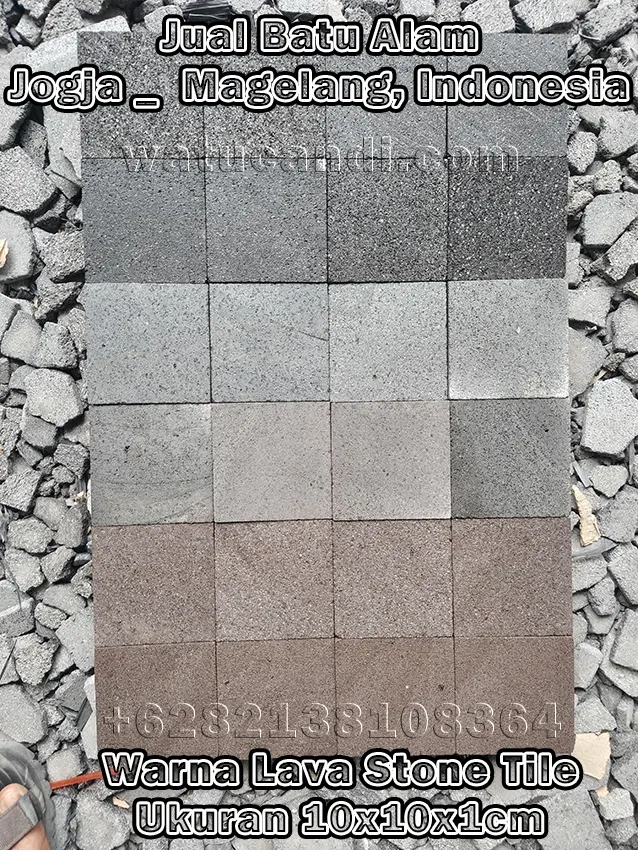
- Varieties and Colors
- Healing Abilities
- Magical Properties
- Applications and Uses
- Jewelry and Care
- Astrology and Zodiac
- Interesting Facts
Definition and History
This igneous rock forms from magma that cools after emerging from the Earth’s interior through eruptions. Its birth is one of the most powerful and mesmerizing natural phenomena. Since prehistoric times, humans have admired and utilized it for various purposes, from survival tools to spiritual symbols. Our ancestors believed that the hot material was the manifestation of pure Earth energy, connecting the physical and the supernatural worlds. No wonder it is often called the “blood of the Earth”, carrying the power of healing, protection, and wisdom.
In many ancient cultures, volcanoes were considered the meeting point of the four basic elements: earth (soil), fire (magma), air (volcanic gases), and water (sea or rain). Magma originating from the Earth’s interior under the influence of earth and fire, then becomes lava, erupting with a strong blast from the depths. Air helps cool the melt, while water often becomes the endpoint of its flow, creating new land. This material is therefore believed to possess the balance of all four elements, making it a very powerful amulet.
History of Utilization
The history of its use dates back thousands of years. The ancient Romans used basalt to build roads and structures that we can still witness today. In Mesoamerica, the Aztec and Maya carved volcanic rock into god statues and offering altars. Meanwhile, in Indonesia, our ancestors used material from Mount Merapi and other volcanoes to build temples, statues, and household tools. This shows that volcanic rock has been an integral part of the development of human civilization.
“Interesting! This rock is also known by another name – basalt. The name was given to the nugget based on its distinctive origin from Ethiopia, Africa. Translated from the local language, ‘basal’ means ‘boiling’. The word ‘lava’ itself entered our language from French and Italian about three centuries ago, translated as ‘sliding’, ‘crawling’ or ‘falling’. This name no longer reflects formation, but the second birth of the stone into the world.”
Etymologically, the term “lava” comes from Italian meaning “flow” or “landslide”, describing how this hot material flows down slopes. Meanwhile, “basalt” comes from Latin basaltes or Greek basanos meaning touchstone. The uniqueness of this name reflects its duality: born from destruction, yet bringing new life. Interestingly, Indonesian people often call it “batu lahar” or “batu merapi”, referring to its volcanic origin.
Geological Origin
To understand this material deeply, we need to look at the geological processes that form it. Our Earth has an extremely hot inner layer, with temperatures reaching 5000°C. This heat melts rocks in the mantle, creating magma—a liquid mixture of minerals, gases, and crystals. When the pressure inside the Earth becomes too great, magma seeks a way out through fissures or volcanic eruptions. Once it reaches the surface, this material is called lava, and its temperature ranges from 700°C to 1200°C.
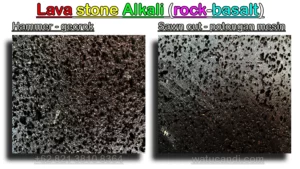
The cooling process of lava greatly affects the characteristics of the resulting stone. If lava cools rapidly, such as when entering water, it forms volcanic glass (obsidian) or pumice filled with gas bubbles. Conversely, slow cooling allows mineral crystals to grow, producing fine-grained basalt or andesite. That is why its texture varies: some are dense and hard, while others are porous like a sponge.
The Magma Transformation Process
Before reaching the surface, this material exists as magma with temperatures that can reach 2500°C, then gradually drops to around 500°C after exiting. When erupting, magma changes its properties under the influence of atmospheric gases and turns into lava. If the hot mass flow meets a body of water on its path, a massive explosion occurs. Gas bubbles often leave cavities on the rock surface, turning it into pumice. Meanwhile, slow cooling forms a crust on the top layer, while the layer below remains liquid longer and continues an invisible internal flow. In the middle of a lava river, tunnels often form due to differences in flow speed and direction, sometimes reaching lengths of up to 15 km.
Composition Based on Origin
Each region produces material with different compositions. Volcanic material from island arcs (where oceanic plates overlap) generally has an andesite composition, while lava from oceanic ridges is dominated by basalt. Scientists have long sought why some regions produce both compositions, while others only basalt. The answer lies in the theory of lithospheric plate tectonics: oceanic crust pushed beneath an island arc will melt at a certain depth and erupt as andesite.
Volcanic Activity and Mining
Mining of this volcanic material can only be done in areas with volcanoes and is highly dependent on the phase of volcanic activity. If the volcano is still active, deposits cannot be mined until the mass has completely formed. On dormant volcanoes, the material is often located at a certain depth and forms layers, with an age frequently dating back to the Precambrian period.
“Fun fact! Worldwide, the amount mined is already sufficient for human needs. However, geologists are convinced that the majority of Earth’s rock reserves are stored on the bottom of the Pacific Ocean. It has been proven that the base of the Hawaiian Islands’ formation is basaltic rock. But, for now, the ocean depths do not yet need to be exploited.”
Global Mining Locations
Iceland, India, North and South America, South Africa, Ethiopia, Australia, Tasmania, China, Italy. Every island with a volcanic peak contains abundant rock deposits, including Indonesia with Mount Merapi and its other volcanoes.
Russia, as a treasure trove of unique stones, is also rich in high-quality basalt rock. Miners extract this material in the north of the country, particularly in Kamchatka which has dozens of active volcanoes. Meanwhile, Indonesia itself has enormous deposits along the Pacific Ring of Fire, from Sumatra, Java, Bali, Nusa Tenggara, to Maluku. Mount Merapi in Yogyakarta regularly produces material that then becomes high-quality building material.
Physical and Chemical Properties
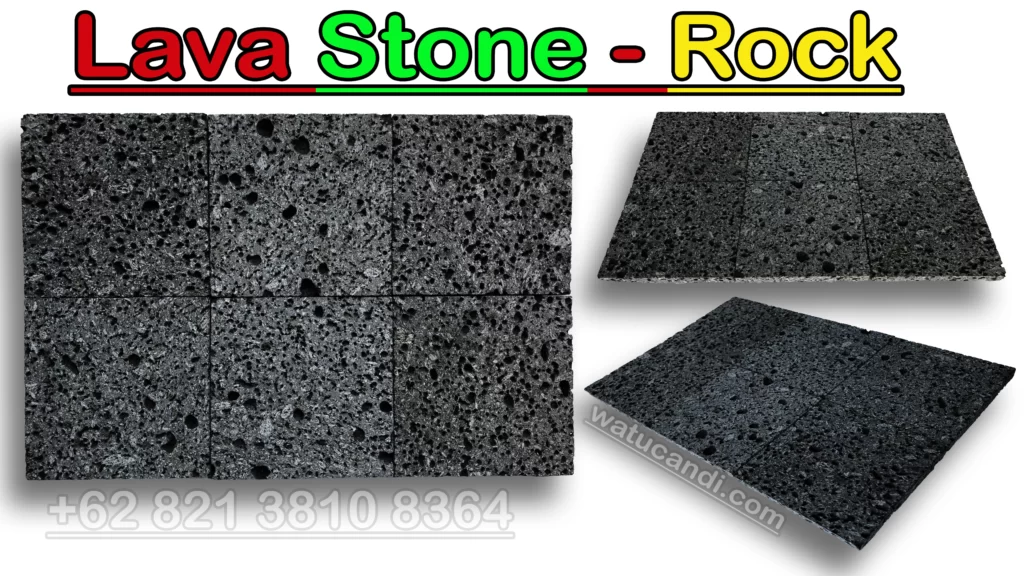
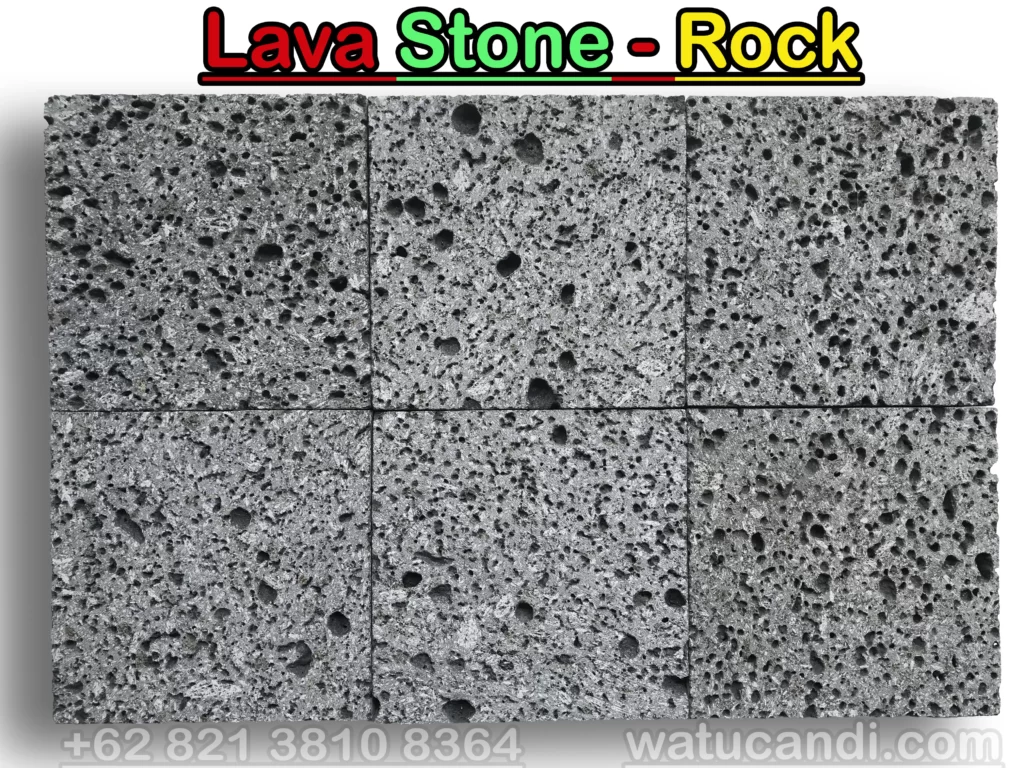
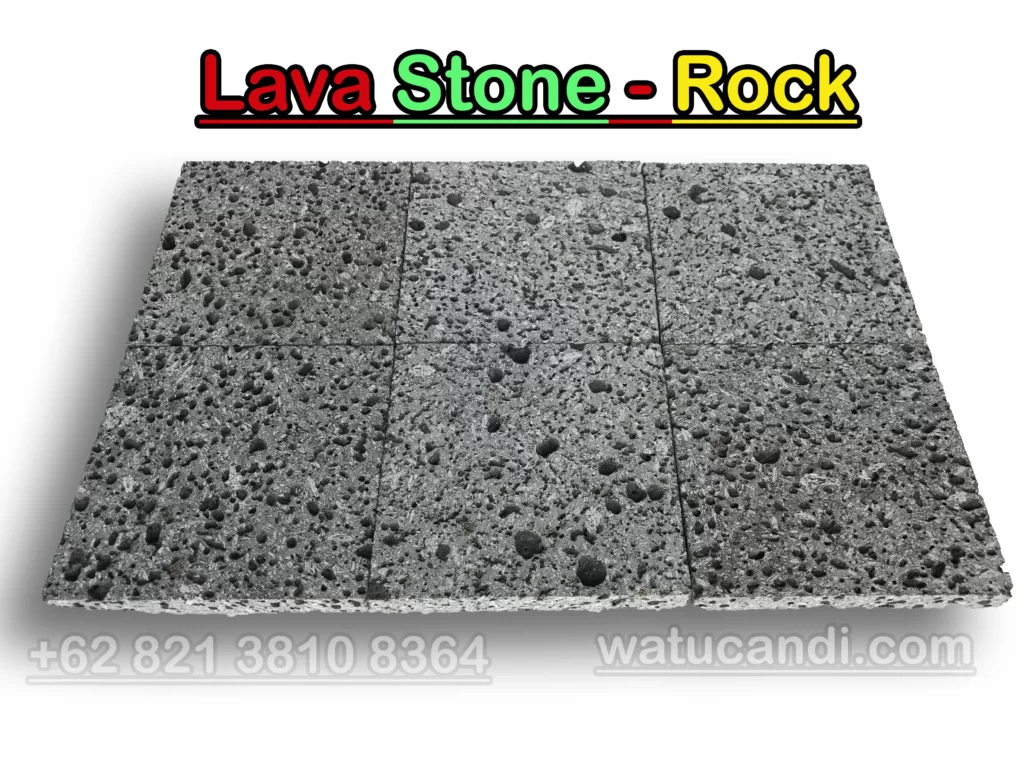
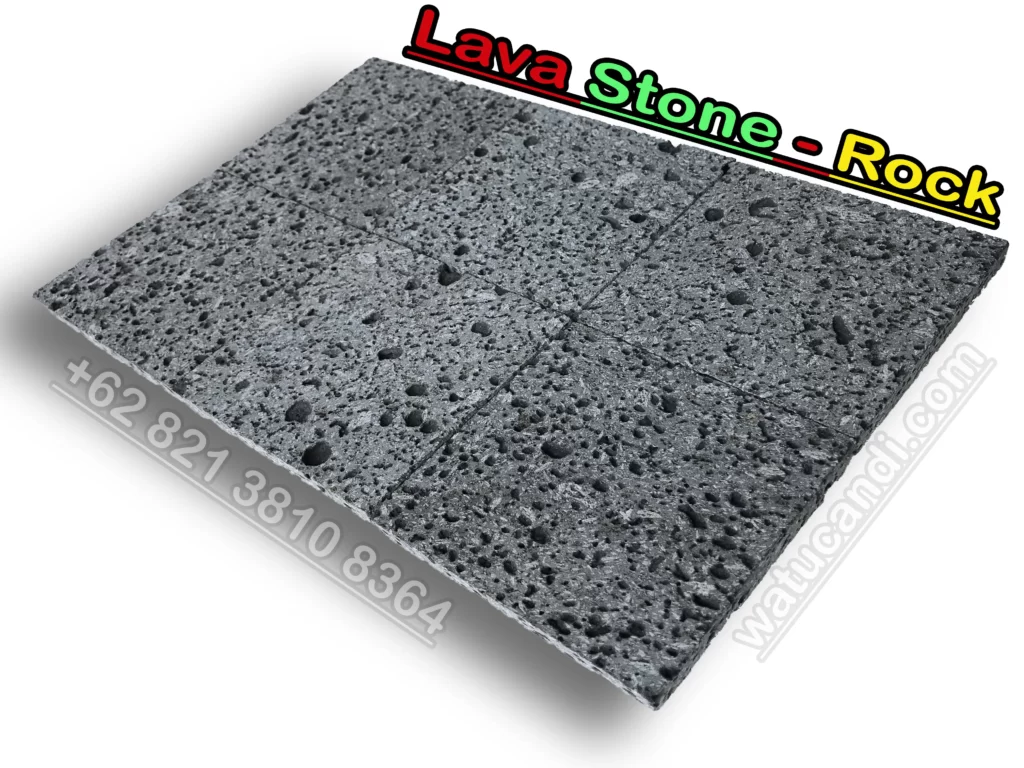
This volcanic material has distinctive physical characteristics: generally dark in color (black, gray, or dark brown), porous, and fine- to medium-grained. Its hardness ranges from 5 to 7 on the Mohs scale, making it quite scratch-resistant and suitable for exterior applications. Its density is about 2.8 – 3.0 g/cm³, lighter than granite but heavier than pumice. The most prominent feature is its porosity which can reach 20–40%, providing good thermal and acoustic insulation properties.
Chemically, its composition is dominated by silicon dioxide (SiO₂) with levels of 40% to 95%, depending on the type. Other contents include aluminum oxide, iron oxide, magnesium oxide, calcium oxide, and sodium oxide. The dominance of iron and magnesium produces the dark color. Additionally, trace elements such as titanium, phosphorus, and manganese are often present and influence the color nuances.
The temperature of lava upon exiting a crater can reach 1200°C, but it quickly decreases as it flows. Viscosity is greatly influenced by silica content: the higher the SiO₂, the thicker the flow. Basalt, which is low in silica, is runny and flows fast, while rhyolite, rich in silica, is very viscous and tends to form domes. Understanding this viscosity is important in the construction industry, as it determines the ease of formation and the final density of the material.
Varieties and Colors
Different volcanoes erupt volcanic material with varying compositions, temperatures, and colors. In general, experts classify it into three main groups: basalt, andesite, and rhyolite. However, in the context of trade and utilization, there are many more varieties known for their unique colors and characteristics.
1. Basalt
The most common type. Basalt contains about 50% silicon dioxide, the rest being metal oxides such as iron, aluminum, and magnesium. Its color ranges from dark gray to jet black. Basaltic lava is very fluid when it erupts, flowing at speeds up to 2 meters per second at a temperature of 1300°C. Its flow is thin but can travel tens of kilometers, forming extensive plains. Upon cooling, basalt often forms spectacular hexagonal columns like those at the Giant’s Causeway in Ireland.
Basalt is widely used in construction, especially as concrete aggregate, crushed stone, and foundation material. In Indonesia, basalt from Mount Merapi is famously hard and durable. Additionally, black basalt is often made into decorative stone and jewelry because of its elegant appearance.
2. Andesite and Rhyolite
Lava with 53–62% silica is called andesite, and above 62% is rhyolite. This type is more viscous and has a lower temperature (around 900°C). Its flow is slow, only a few meters per day. Because it is viscous, this lava often solidifies inside the crater and plugs the vent, which can then trigger explosive eruptions. The color of hot andesite is usually reddish-black, while rhyolite can be light gray to pink.
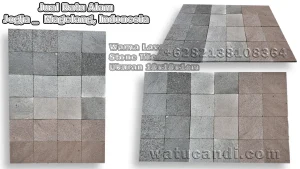
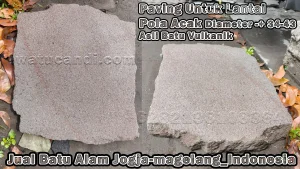
Andesite is commonly found in Indonesia, especially along the Sunda arc. This material is popular as flooring, wall, and exterior cladding because of its smooth texture and not-too-large pores. Rhyolite is rarer, often used as a decorative stone and sometimes contains beautiful quartz crystals.
3. Rare Carbonatite
A very rare type, only found at Mount Oldoinyo Lengai in Tanzania. Carbonatite lava has a very low temperature (500–600°C) and is as runny as water. Its color is dark brown or black when hot, but after cooling it turns white and brittle, even dissolving in water. Because of its unique properties, scientists treat it more as a research object than an industrial material.
Based on Color and Origin
In trade, this material is also grouped according to color and origin:
- Black Basalt: Jet black, very hard, commonly used for floors, walls, and jewelry. Found abundantly in China, India, and Indonesia.
- Grey Basalt: Dark gray with speckles of lighter minerals. Popular for modern architecture due to its neutral appearance.
- Green Basalt: Contains olivine or epidote minerals that give a greenish hue. Rare and highly valued for jewelry.
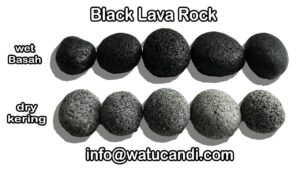
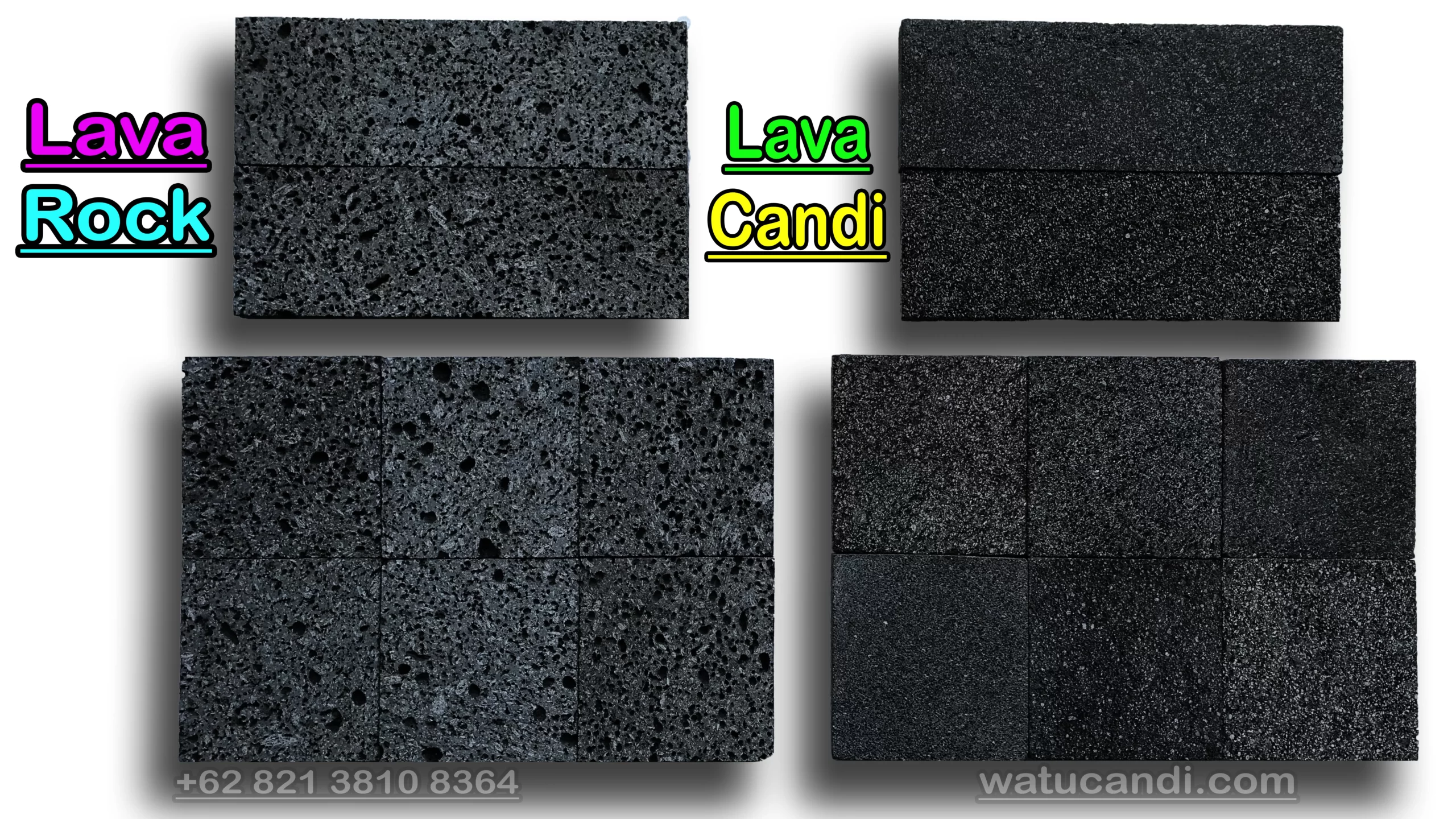
- Candi Stone (Paras Jogja): A softer type with large pores, originating from Yogyakarta. Often used for reliefs, statues, and garden ornaments.
- Merapi Stone: Volcanic material from Mount Merapi that is strong, dark gray to black, ideal for construction and crafts.
Each type is used in various fields – esotericism, lithotherapy, industry, and jewelry.
Healing Abilities
Therapists often use volcanic material as a massage tool. Stone balls made from this mineral, when used for massage movements, help remove vascular blockages, relieve symptoms of varicose veins and joint diseases. This material is also popular in the fight against cellulite.
Heat Therapy and Relaxation
The ability to retain heat for a long time makes it an excellent heat therapy medium. When stones are heated and placed on the body, the heat penetrates tense muscles, improves blood circulation, and provides deep relaxation.
Modern Lithotherapy
In modern lithotherapy, this material is believed to stabilize the body’s energy field. Direct skin contact helps restore emotional balance, reduce anxiety, and strengthen the immune system. Meditation using basalt is considered beneficial; it helps reboot the body at all levels, providing a rest from excessive vital activity. Even wearing jewelry made from this material daily is said to relieve stress and create a sense of security.
Ancient healers made powder from it to heal wounds, because its mineral content was believed to accelerate cell regeneration. Today, several spas offer hot stone massage that uses basalt as the main medium. This method not only relaxes the body physically, but is also believed to eliminate negative energy accumulated in the body.
Magical Properties
It is not surprising that the heart and breath of this planet possess powerful magic, helping a person on all levels of consciousness. Volcanic rock is responsible for the root chakra – the foundation of other chakra activities, connecting a person’s energy with the Earth’s energy. Thus, this material becomes a highly effective grounding amulet. It channels stable earth energy into its wearer, providing a sense of calm, confidence, and courage to face challenges.
The stone itself is full of both feminine and masculine spirit. Its rough surface carries Yang energy (masculine, active, fiery), while its smooth texture and solidified flow give it Yin qualities (feminine, receptive, calming). This combination of dualities makes it a suitable amulet for almost everyone.
Home Protection Amulet
Lava is considered the oldest home amulet used by tribes around the world. If you want to protect your dwelling from problems or unwanted guests, place a piece of this rock at the entrance, or keep jewelry made from the mineral as close to the access point as possible. This material is also believed to absorb negative energy from the environment, making it a reliable protector. Many spiritual practitioners recommend placing it in the corners of a room to neutralize electromagnetic radiation from electronic devices.
Inner Balance and Flexibility
Wearing basalt harmonizes a person’s inner world. Thanks to this, the owner learns to understand themselves and their thoughts. Contact with the stone sharpens intuition, teaching how to interpret messages of fate, dreams, and signs correctly. A person feels unity with themselves and nature, reveals talents, and gains wisdom that must be directed toward implementing the boldest plans.
Many believe that its physical property—fluidity—is transferred to its wearer. This allows a person to become flexible, morally plastic, adapting to any circumstance without forgetting the goal. Thanks to such qualities, the person becomes open to everything new, while the amulet protects against mistakes and misguided actions. For a long time, sages have considered it a stone of knowledge. If someone seeks to master new knowledge, it is best to carry a basalt amulet. The stone helps clear the mind, reveal mental abilities, making it easier to focus on work and achieve excellence in studies.
Volcanic stone will become a sacred amulet that definitely brings positive changes. This material dislikes stagnation; calm is foreign to it. With its presence in life, it will constantly push its owner to move, act decisively, achieve goals. Therefore, for those starting a new venture or needing motivation, it is an ideal spiritual companion.
Applications and Uses
Lava turns out to be a multifunctional material for humans. Our ancestors assigned it as a special stone. During excavations of ancient settlements, archaeologists not only found jewelry but also tools, masks, and ritual attributes made from it. Now, its utilization is increasingly broad and modern.
Construction and Decoration
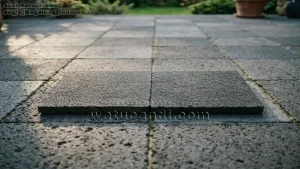
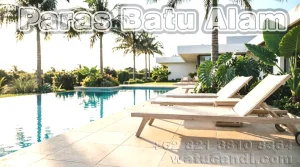
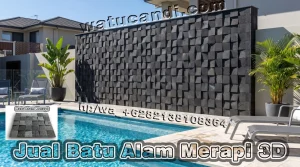
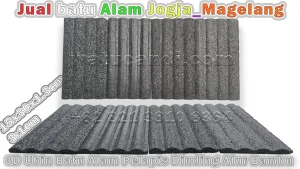
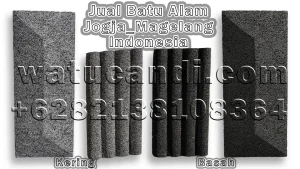
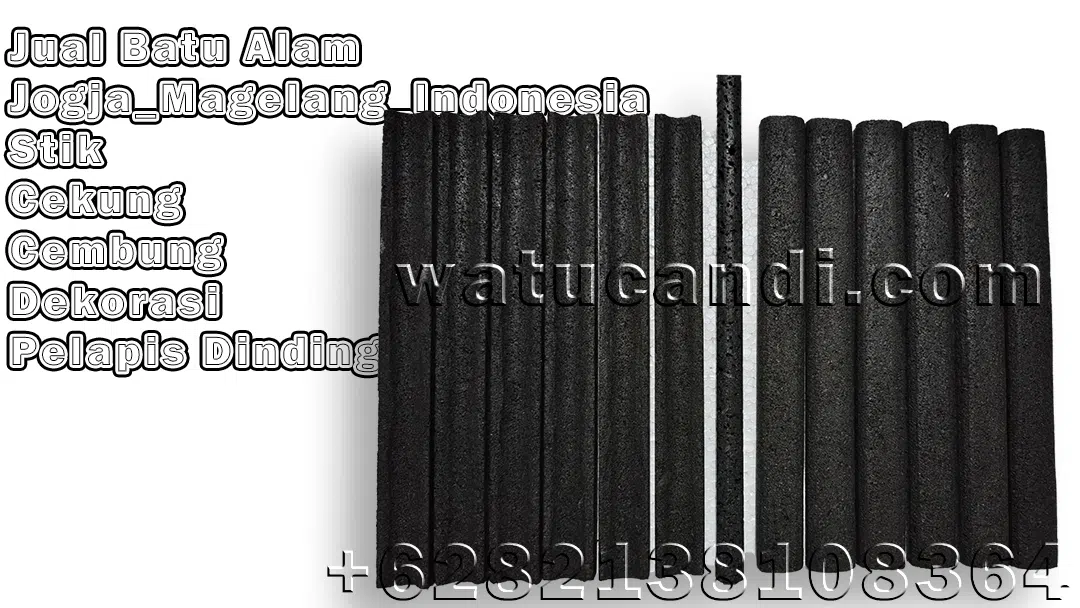
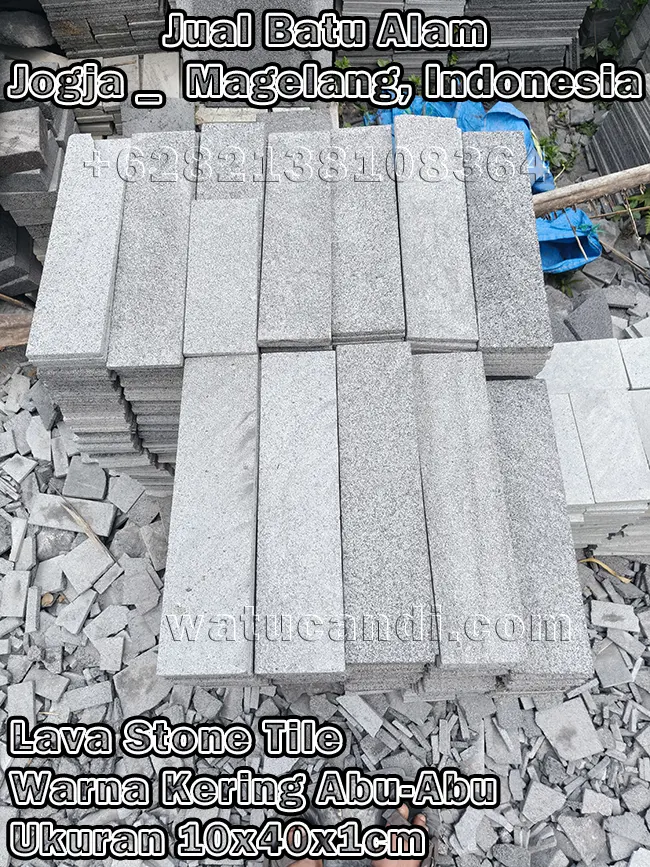
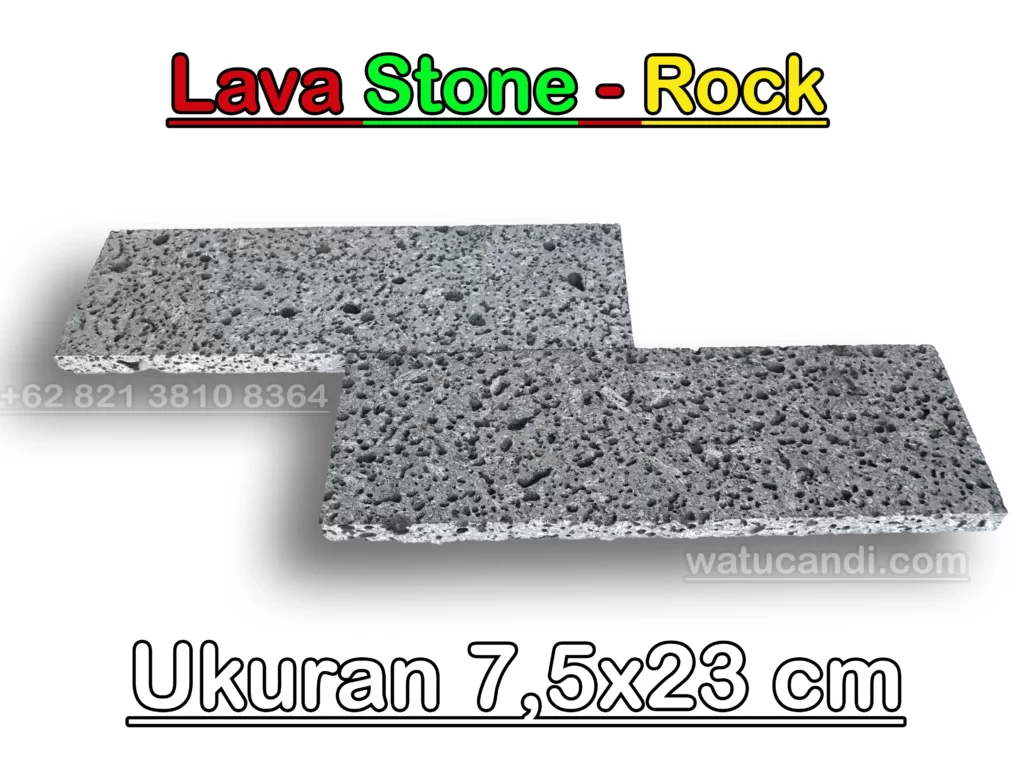
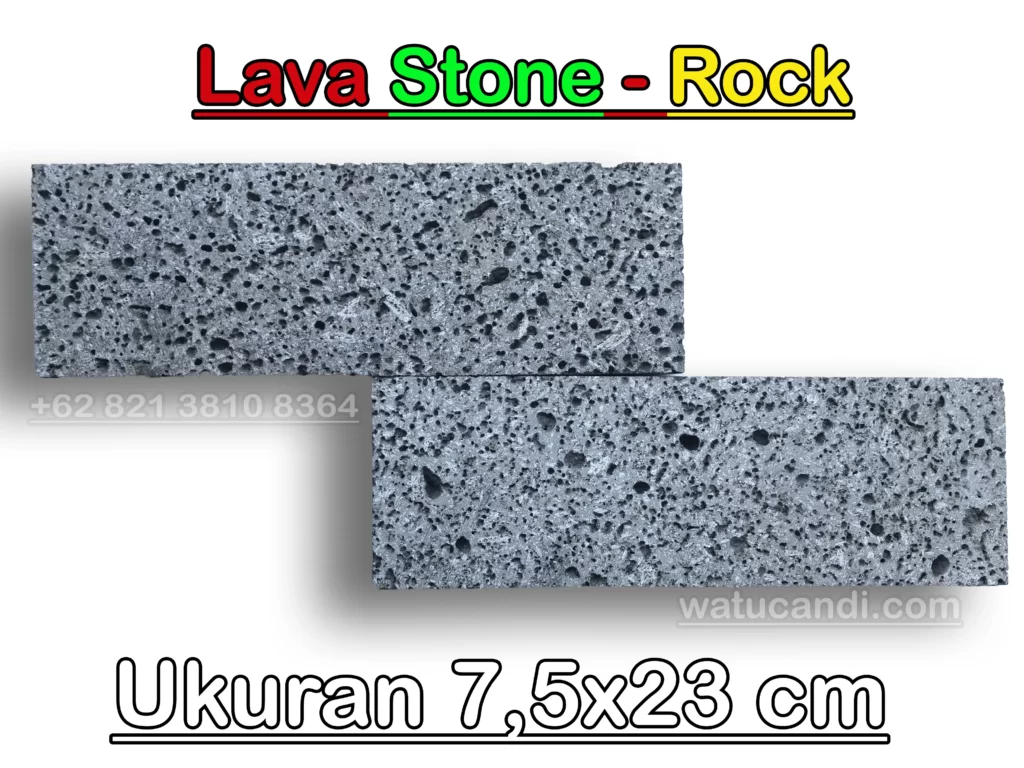
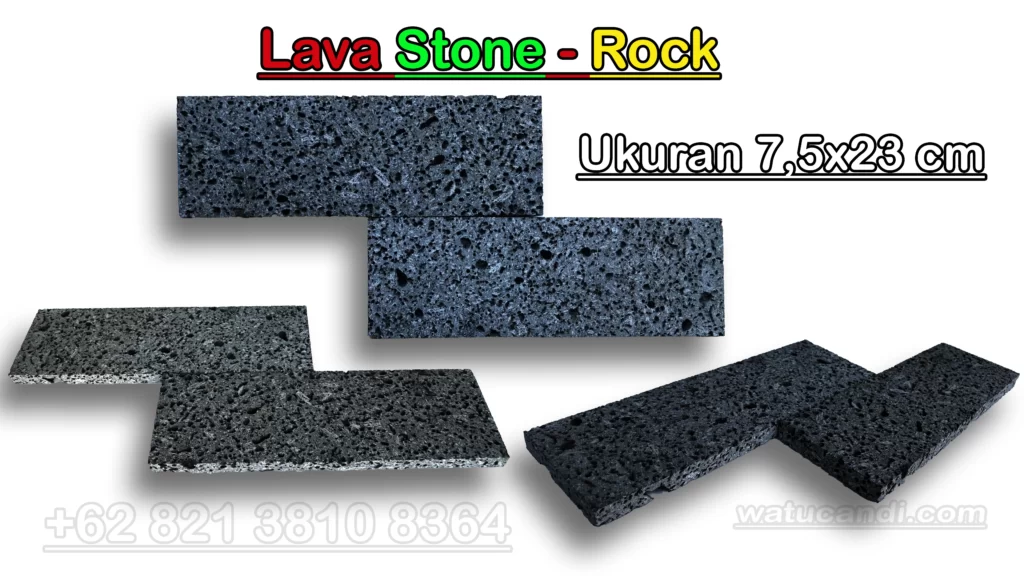
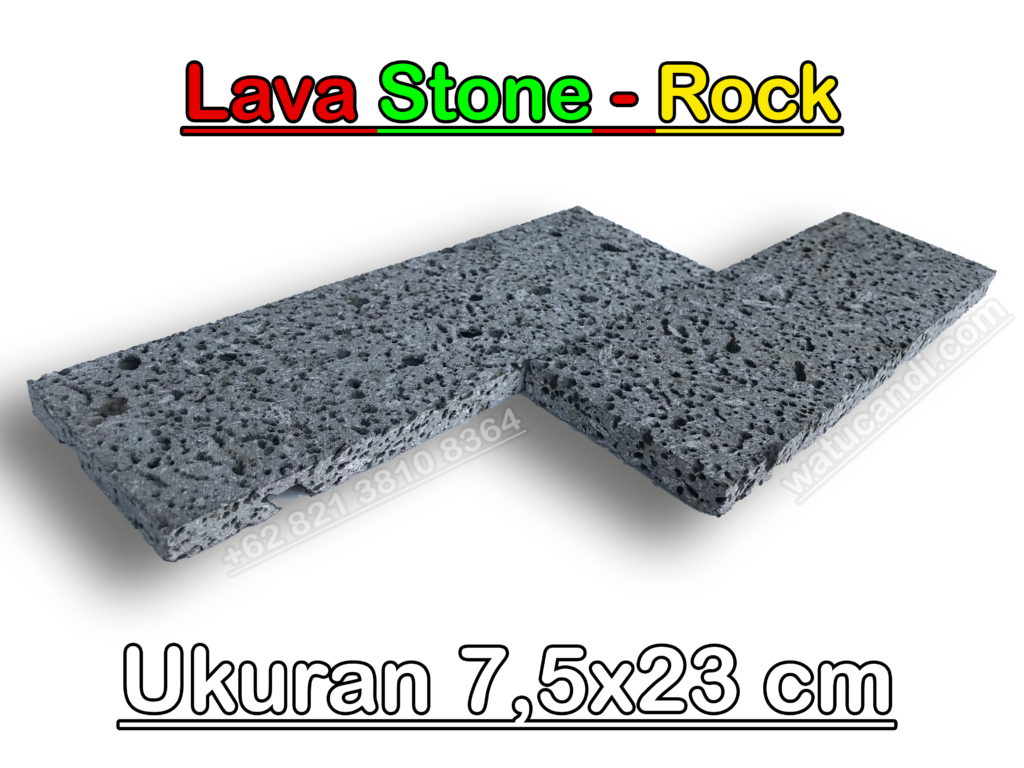
In the construction world, basalt and andesite are highly valued for their strength, weather resistance, and insulation properties. Slabs of this rock are used for floors, wall cladding, fences, and footpaths. In Indonesia, candi stone is often used to make reliefs and garden ornaments. Its advantages include fire resistance, good sound insulation, and low thermal conductivity. Even basalt wool made from its fibers is used as thermal insulation material in buildings and industry.
Aquariums, Grills, and Art
In the decoration sector, hobbyists adorn aquariums with black volcanic material. This mineral not only serves as a beautiful addition – its presence helps water circulation and fills it with beneficial chemical components. In the culinary world, high-end grills use it as a substitute for charcoal because of its ability to retain heat and maintain a stable temperature for cooking the perfect steak.
In the art world, sculptors use this rock for statues and installations. Furniture craftsmen combine it with wood or metal to create tables, sinks, and other decorative elements. The fashion industry doesn’t lag behind; lava beads are often made into ethnic bracelets and necklaces. Even in the automotive world, technicians use its powder as a fine abrasive material.
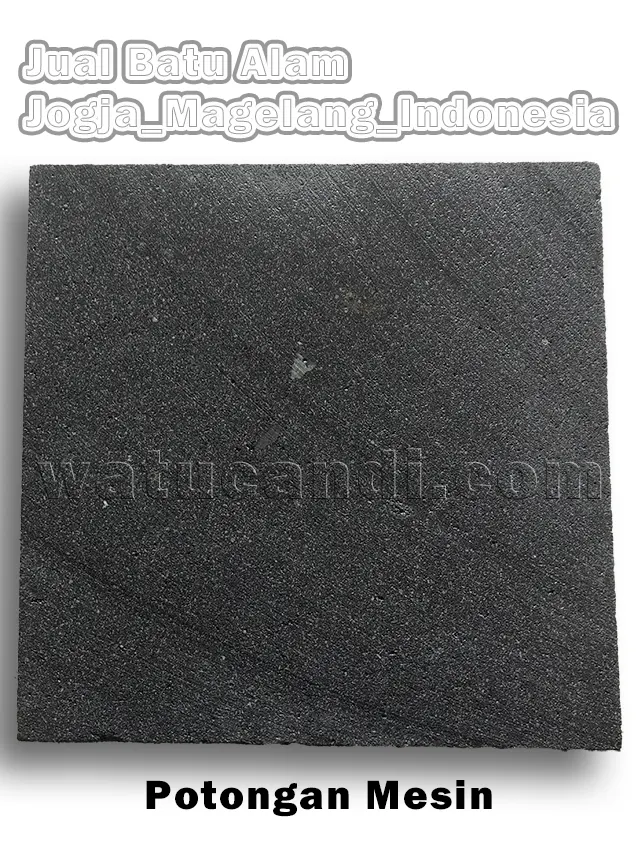
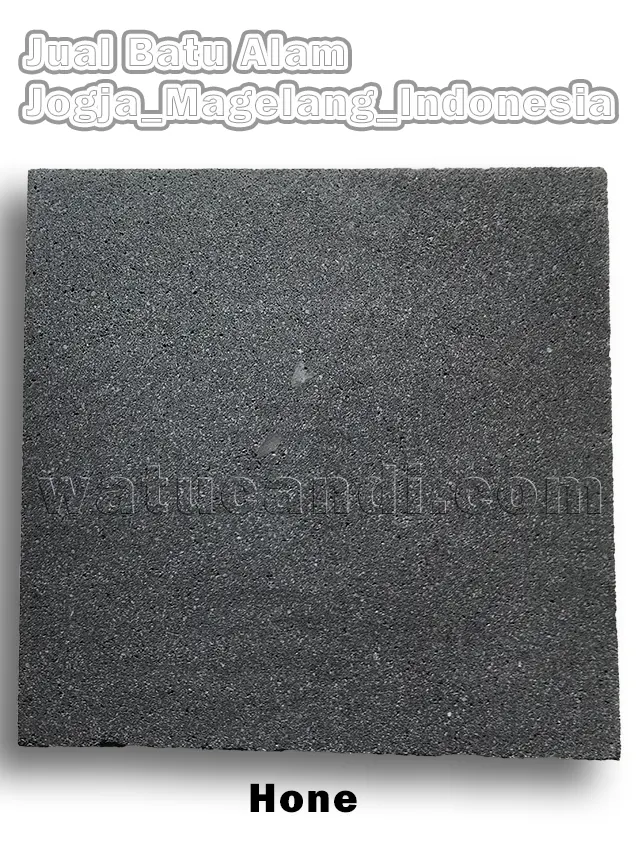
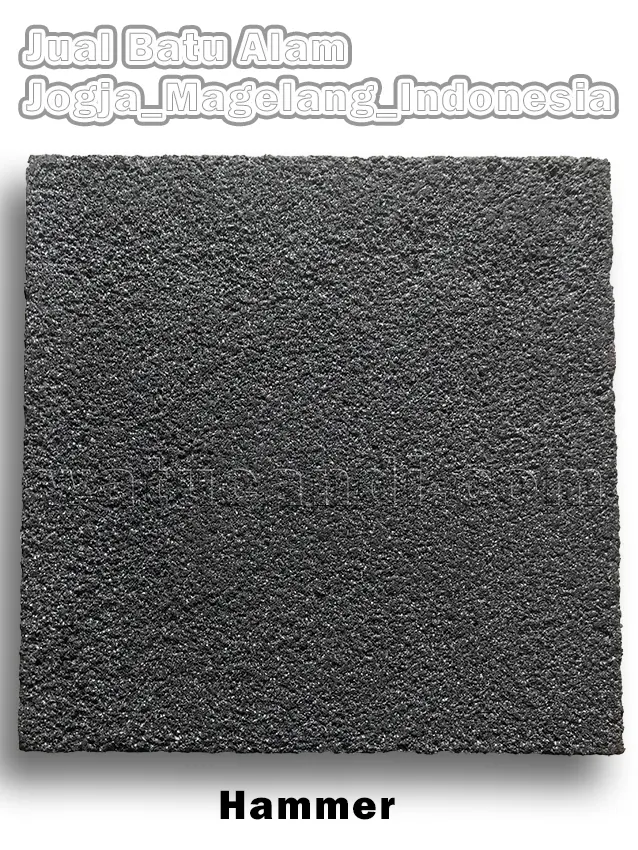
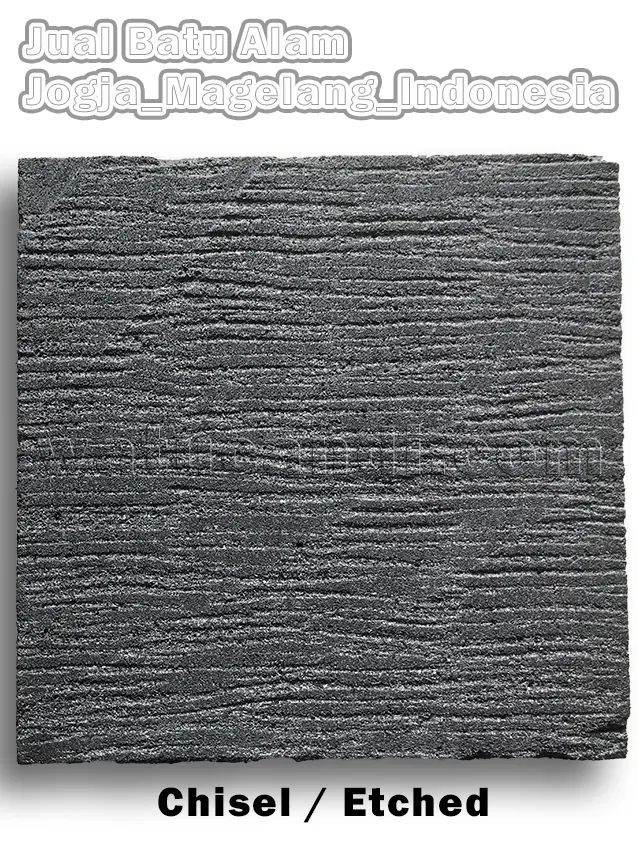
The only drawback of basalt flooring is that over time, the stone gets polished until it becomes slippery. However, this can be overcome with certain finishes such as bush hammering or flaming which actually adds anti-slip texture. Silver jewelry with black stone also continues to be produced, and although lava products are currently not as popular as precious stones, craftsmen still make beautiful and meaningful jewelry.
Jewelry and Care
This material is relatively affordable, so products with the mineral are quite cheap. However, the natural beauty and energy it emits make lava jewelry remain high in spiritual value. Average prices: a bracelet around 5 euros, earrings 8–10 euros, mixed beads (pearls, agate, lava) 25–35 euros. Prices can be higher if the artisan combines it with precious metals or gemstones.
Its beads are often complemented with other decorative minerals such as tiger’s eye, lapis lazuli, agate. This combination not only adds aesthetics but also combines the energies of various stones. Its black color becomes a perfect backdrop for brighter colors, creating an attractive contrast. There is no counterfeiting because this material is abundant and the cost is already low.
Care Instructions
There are no special requirements for usage. From an energy perspective, it is beneficial to wear the stone in constant contact with the body. To maintain its energy purity, cleansing and discharging are performed every 30 days using large salt crystals. The method: soak the stone in a container filled with dry sea salt for one night, then rinse with running water. After that, charge the mineral under the morning sunlight for several hours. Experts suggest storing the nugget next to crystal stones such as quartz to maintain its positive vibrations.
For frequently worn jewelry, clean it physically with a soft, slightly dampened cloth. Avoid harsh chemicals as they can damage the pores. If the stone is used as an essential oil diffuser (because its pores absorb oil), simply re-drop the oil after the previous scent fades. Proper care will keep its beauty and energy lasting for a long time.
Astrology and Zodiac
Astrologers agree that this volcanic creation is suitable for all zodiac signs without exception. But like other minerals, there is a connection to certain constellations: Leo, Libra, Capricorn, Aries, Scorpio, and Gemini. People born under these signs will feel luck in realizing plans, and will be able to quickly assimilate experience and gain life wisdom in the shortest possible time thanks to the help of this stone.
Specifically, enthusiastic Aries will be helped by its calming and grounding energy, preventing impulsive actions. Confident Leo will shine even more with charisma and personal strength. Indecisive Libra will gain balance and assertiveness. Ambitious Capricorn is guided towards success with steady steps. Intense Scorpio finds protection from external negative energy. Clever Gemini will gain focus and depth of thought. Nevertheless, other zodiac signs can still use it as a universal grounding amulet.
Interesting Facts
Historic Eruption
One night in 1977, the Nyiragongo volcano erupted in the South African region. The explosion was so powerful that the crater walls collapsed. The lava from this volcano is extremely fluid, rushing down at a speed of 17 meters per second. Several nearby villages with inactive residents had no chance to escape. In addition to the high temperature and flow rate, during the eruption, clouds of ash, stunning lightning, and toxic gases were thrown to the surface. This volcanic mixture once swept away the magnificent Roman cities—Herculaneum and Pompeii.
Eternal Lava Tunnels
In Iceland, a case is known where a lava flow beneath a solidified upper crust continued to move invisibly, remaining hot for several centuries. This phenomenon shows how powerful and long-lasting volcanic energy is. In fact, several lava tunnels in Hawaii and Iceland have become popular tourist attractions, where visitors can walk inside the remnants of a solidified flow.
Modern and Unique Uses
NASA uses this material in Mars surface simulations because its composition is similar to rocks on the red planet. Additionally, basalt fiber produced from volcanic rock is now an environmentally friendly alternative to fiberglass, as it is stronger and does not require hazardous chemicals in its production. In Indonesia, Merapi lava has even become an export commodity sought after by the global market for construction and decoration purposes.
With all its uniqueness and benefits, this volcanic rock truly deserves the predicate as one of the most versatile natural materials. From a rumbling volcano to becoming part of modern life, it continues to radiate ancient energy connecting us to the power of the Earth’s core.
Home > Lava Stone
Tags: Natural Stone, Lava Stone, Basalt, Lava Stone Properties, Lava Stone Colors, Lava Stone Healing, Lava Stone Magical Properties, Lava Stone Applications, Lava Stone Jewelry, Lava Stone Astrology, Lava Stone Facts, Lava Stone History,