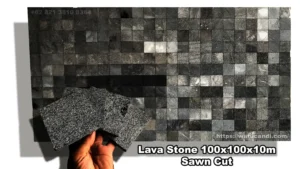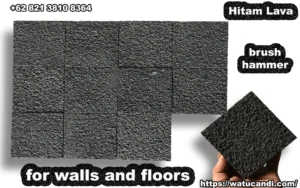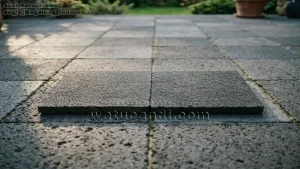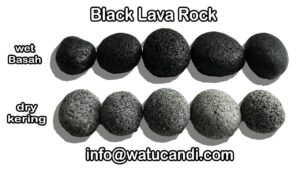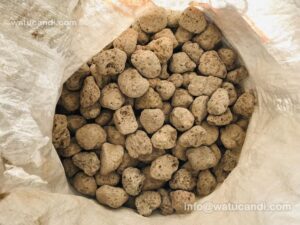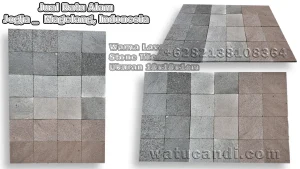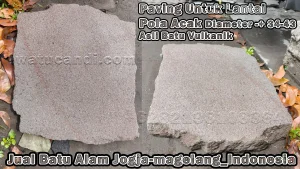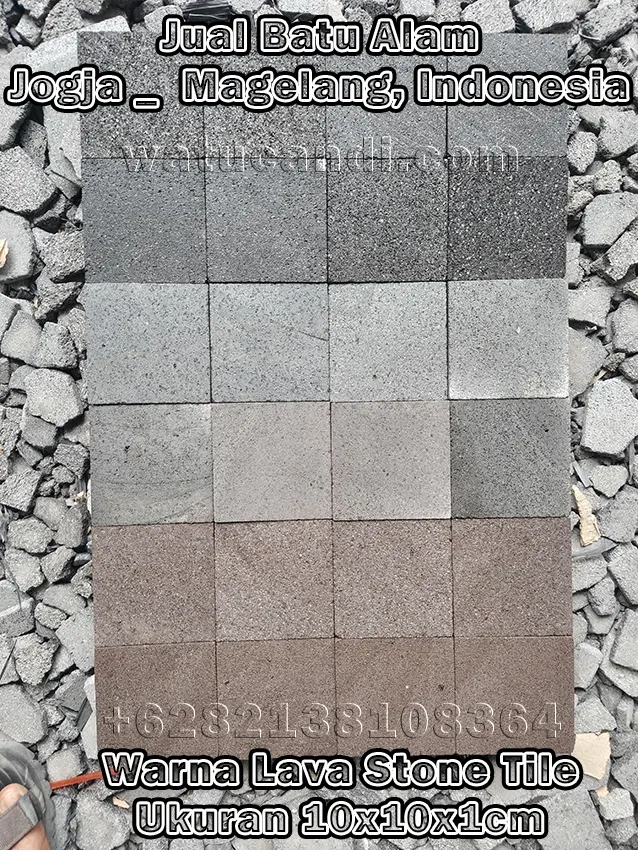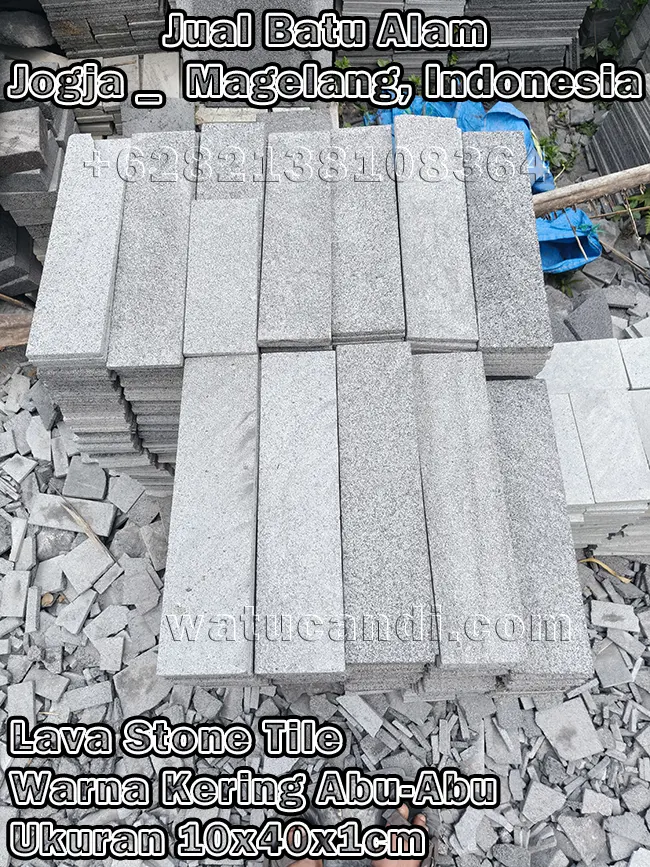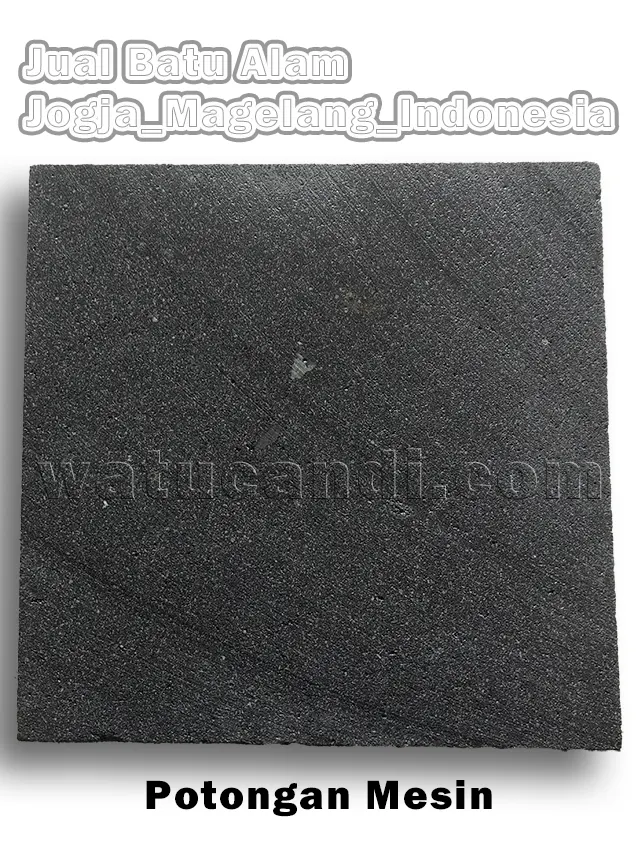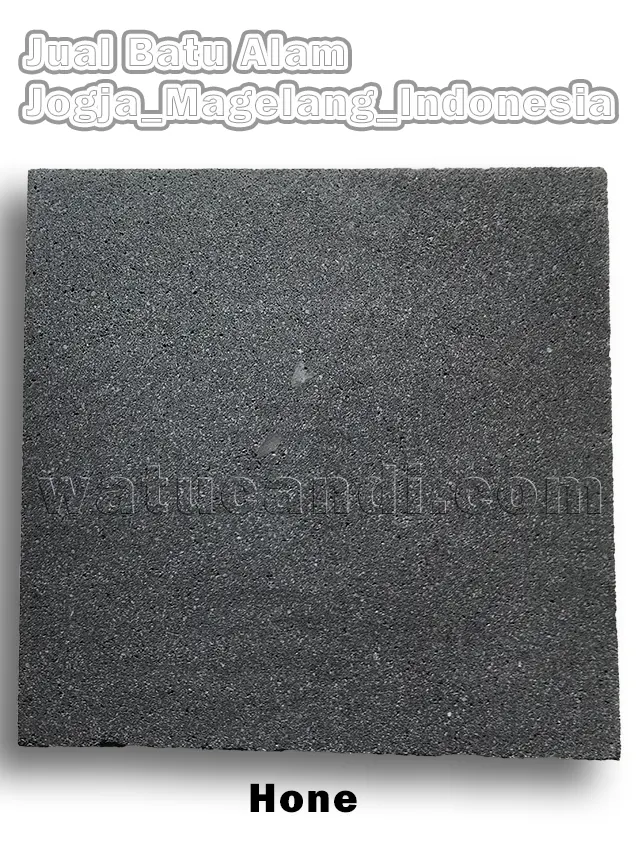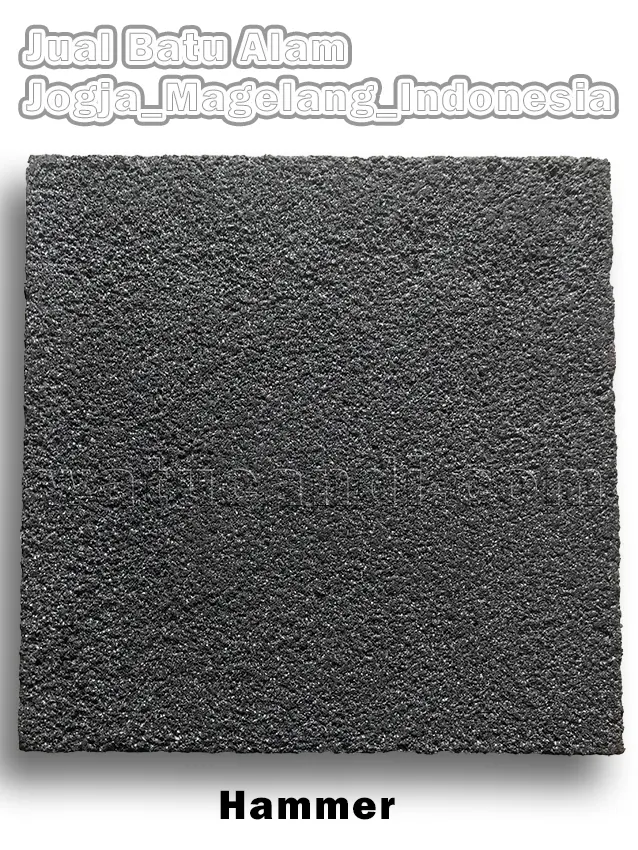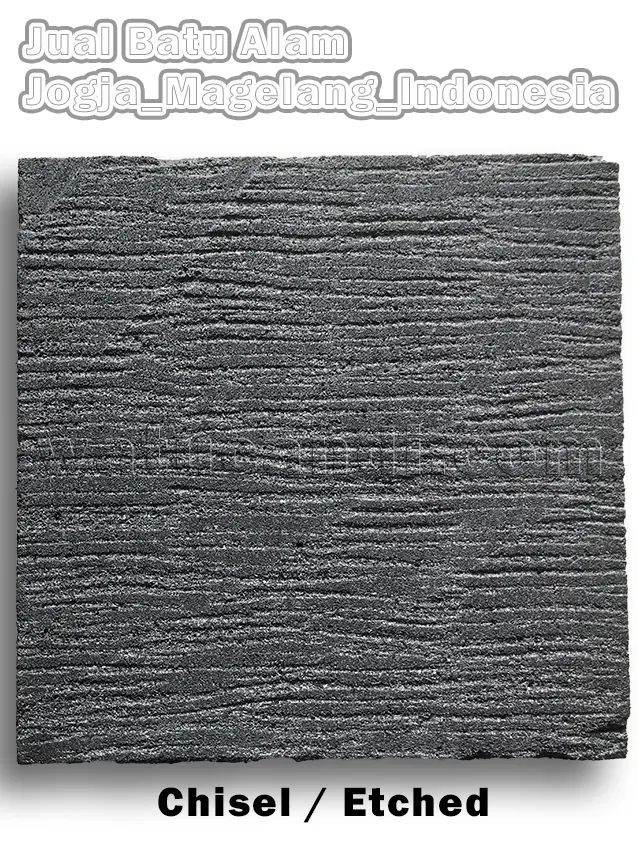
Black Candi Lava Stone is a premium volcanic natural stone tile material that brings natural beauty and outstanding toughness to various modern and traditional architectural applications. Available in a variety of sizes such as 10×10, 10×20, 20×20, and 7.5×23 cm, this material comes in two main finishing variants: precision machine-cut (RTM/Sawncut) and natural split-face (RTA/RTS) with an authentic rough-split character. This comprehensive article will take you through every aspect of Black Candi Lava Stone rom its unique geological origins, technical characteristics, and production processes, to design inspiration and installation guides that will help you maximize the potential of this exceptional material.
Table of Contents:
- Geological Origin of Black Candi Lava Stone
- Physical and Technical Characteristics
- Production Process and Quality Control
- Material Advantages for Walls and Floors
- Complete Finishing Options and Sizes
- Comparison with Alternative Materials
- Interior and Exterior Design Application Inspiration
- Professional Installation Guide
- Long-Term Maintenance Tips
- Real Project Case Studies
- Sustainable Production and Ordering Information
- Frequently Asked Questions (FAQ)
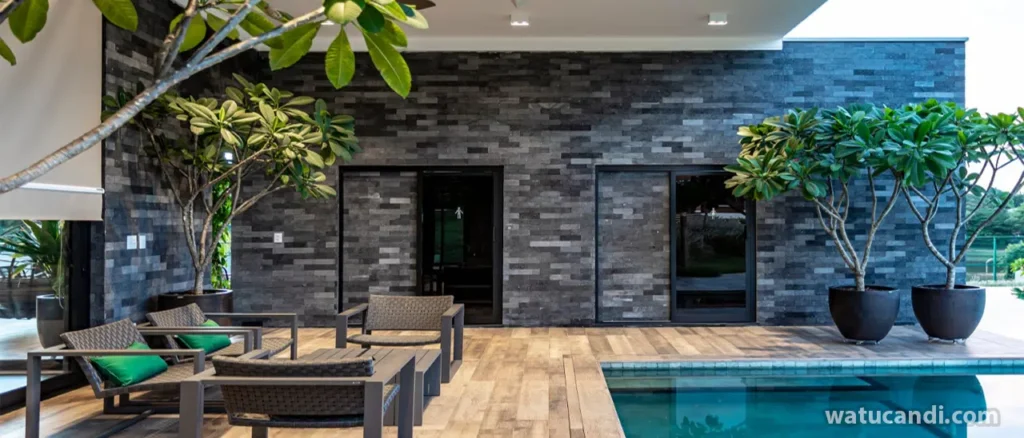
Geological Origin of Black Candi Lava Stone
Authentic Volcanic Material from the Slopes of Merapi
Our production directly processes Black Candi Lava Stone in the natural stone center of Yogyakarta – Magelang, Central Java. This area is the largest volcanic stone processing center in Indonesia, operating for decades and serving the natural stone material needs of both domestic markets and exports to various countries across Asia, Australia, Europe, and the Middle East.
The lava deposits of Mount Merapi, which have cooled and hardened over years even centuries form this material. Each eruption of Merapi produces lava flows that then cool slowly on the earth’s surface. This gradual cooling process is what creates the volcanic rock structure with distinctive characteristics: small, evenly distributed pores, a unique surface texture, and a mineral composition rich in silica and other volcanic minerals. Unlike ordinary natural stone, lava stone possesses a “soul” formed by the immense natural forces that have been at work for thousands of years.
Mount Merapi itself is one of the most active volcanoes in the world and part of the Pacific Ring of Fire. Its continuous volcanic activity ensures an abundant supply of lava stone material. The material we use comes from historical lava flows that have fully hardened, guaranteeing optimal quality and consistency.
As a result, black candi stone possesses compact small pores and extraordinary resistance to extreme weather, high humidity, and heavy loads. These characteristics make it the material of choice for various climate conditions from humid tropical climates like Indonesia to subtropical and even cold climates in Europe. This stone will not crack due to drastic temperature changes, will not decay from acid rain, and will not fade despite decades of UV exposure.
Additionally, its natural black color creates a masculine, warm appearance that remains visually cool. This dark color originates from the stone’s own constituent minerals primarily iron and magnesium compounds so it will not fade or discolor over time. This is what distinguishes genuine natural stone from artificial stone or cast concrete that uses surface coloring.
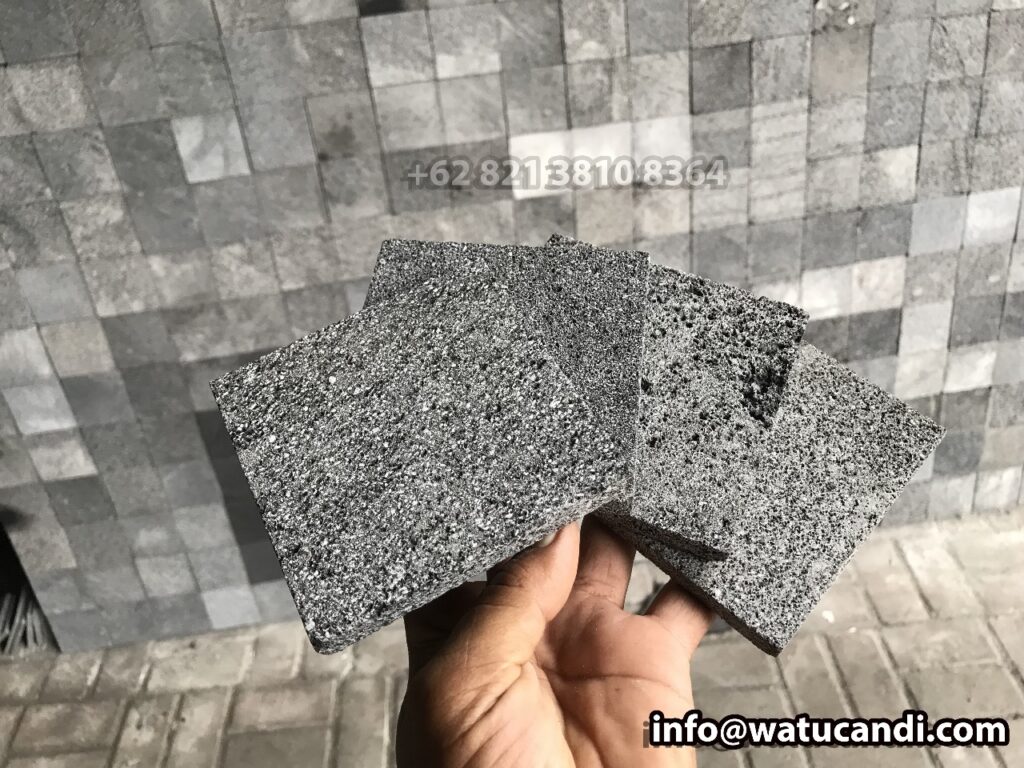
Physical and Technical Characteristics of Black Candi Lava Stone
To understand why Black Candi Lava Stone is so exceptional, we need to examine its physical and technical characteristics in depth. Here are the detailed material properties based on laboratory testing and decades of field application experience:
Composition and Microstructure
Black Candi Lava Stone is composed of volcanic minerals dominated by silica (SiO₂), aluminum oxide (Al₂O₃), iron oxide (Fe₂O₃), magnesium oxide (MgO), and calcium oxide (CaO). This composition produces a natural dark color that is consistent throughout the entire stone—not just on the surface. Its microstructure shows pores measuring 0.1–0.5 mm evenly distributed, creating a perfect balance between lightweight properties and high strength.
Physical and Mechanical Properties
| Property | Value | Description |
|---|---|---|
| Compressive Strength | 20–40 MPa | Equivalent to lightweight structural concrete |
| Density | 1.8–2.3 g/cm³ | Lighter than granite (2.6–2.8) |
| Water Absorption | 3–8% | Relatively low for natural stone |
| Wear Resistance | Excellent | Suitable for high-traffic areas |
| UV Resistance | Perfect | Will not fade for a lifetime |
| Slip Resistance | P80–P100 | Safe for wet areas (RTM) |
| Thermal Conductivity | Low | Surface remains cool |
Thermal and Acoustic Advantages
One of the rarely recognized advantages of Black Candi Lava Stone is its excellent thermal properties. With low thermal conductivity, this stone does not absorb excessive heat even when exposed to direct sunlight. This is what makes lava stone floors feel cool underfoot even on scorching afternoons a significant advantage compared to ceramic or granite tiles that tend to absorb and retain heat.
From an acoustic standpoint, the porous and textured surface of the natural stone helps dampen echoes and sound reflections. This makes it an attractive choice for spaces with high ceilings such as hotel lobbies, restaurants, or open-concept family rooms.
Production Process and Quality Control
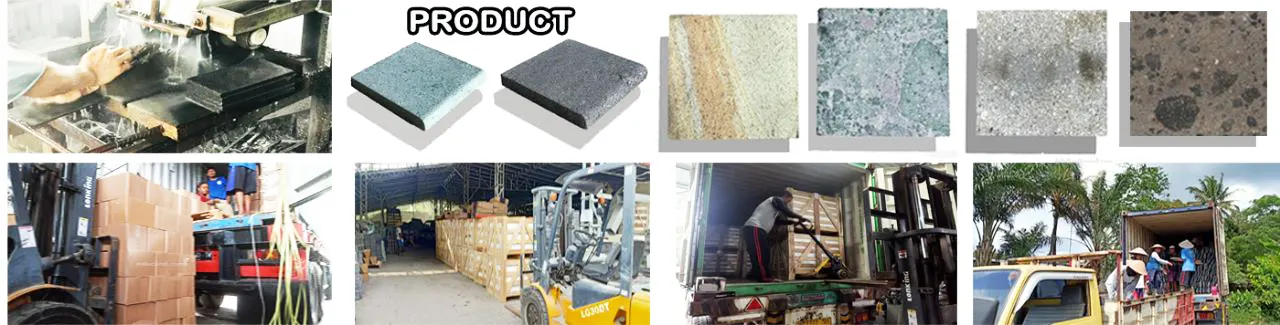
The quality of Black Candi Lava Stone is determined not only by its superior base material but also by a strict and controlled production process. Here are the complete stages from mining to ready-to-ship products:
Stage 1: Mining and Material Selection
The process begins with the mining of lava stone blocks on the slopes of Mount Merapi. Local miners who have inherited generations of experience select high-quality stone blocks based on visual observation of cracks, cavities, and color uniformity. Blocks that pass selection are then transported to processing workshops in the Tempel, Sleman area, and the Magelang border.
Stage 2: Cutting with Machine Saws
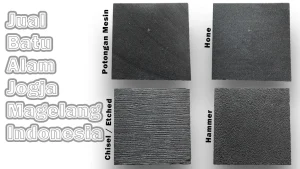
Stone blocks are cut using large-diameter saw machines (120–160 cm) with diamond blades. For RTM (Sawn Cut) finishing, all sides of the tile are precision-cut to produce accurate dimensions with a tolerance of approximately ±3 mm. Meanwhile, for RTA/RTS, only certain sides are cut, leaving the front surface with the natural texture resulting from stone splitting.
Stage 3: Sorting and Quality Control
After cutting, each tile goes through a manual sorting process by experienced workers. Inspection covers hairline cracks, excessive pores, striking color differences, and dimensional precision. Only tiles that meet quality standards will be packed and shipped. This strict sorting system ensures you receive only the best material.
Stage 4: Packaging and Distribution
Tiles that pass sorting are neatly packed using strapping bands and corner protectors to prevent damage during shipping. We serve deliveries throughout Indonesia and exports to various countries with reliable logistics support.
Material Advantages for Walls and Floors
First, the slightly rough and non-slippery surface texture makes this stone safe for wet areas such as bathrooms or pool edges. The high friction coefficient provides extra safety, especially for households with children or the elderly. Even when the surface is wet, lava stone tiles still provide good grip, significantly reducing the risk of slipping.
Additionally, its tight pores absorb water quickly so the surface dries fast without leaving puddles. This mechanism occurs naturally: water that falls onto the surface is absorbed into the micropores and then evaporates quickly thanks to natural air circulation. This differs from ceramic or porcelain that tends to hold water on the surface, creating puddles that are potentially slippery and become breeding grounds for fungus.
Furthermore, you can easily cut and shape it using saw machines or manual chisels. The nature of lava stone not too hard (unlike granite) but dense enough makes it easy to work with by experienced stonemasons. This means more efficient installation costs and higher design flexibility.
As a result, this material is highly flexible for various interior and exterior design needs. From living room accent walls to terrace floors exposed to rain and heat, lava stone delivers optimal performance without requiring intensive maintenance.

Complete Finishing Options and Sizes
We provide two main types of finishing that determine the thickness and application. Understanding the difference between the two is crucial to ensure you select the right material for the application:
- RTM / Sawn Cut (Machine-Cut)
All sides of the tile are cut with a machine saw, resulting in more precise dimensions. Standard thickness is approximately 10 mm with a tolerance of ±3 mm. The RTM surface has a relatively flat texture while still maintaining the stone’s natural pores, creating a clean and modern appearance. This finishing is suitable for walls and floors, including frequently stepped-on areas such as bathroom floors, terraces, or footpaths. The advantage of RTM is easy installation with thin grout (2–3 mm), producing a neat and contemporary look. - RTA / RTS (Natural Split-Face, Irregular Rough Surface)
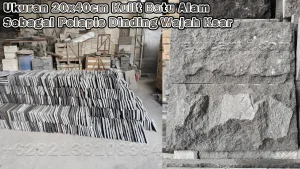
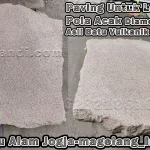
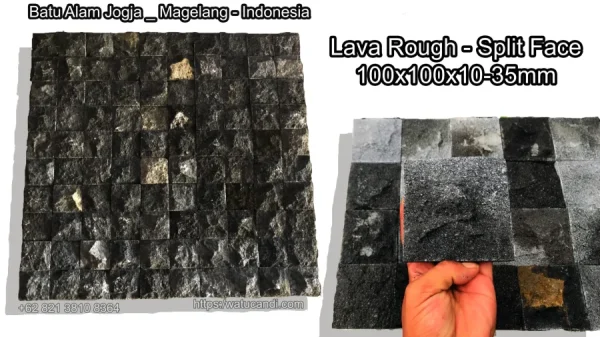
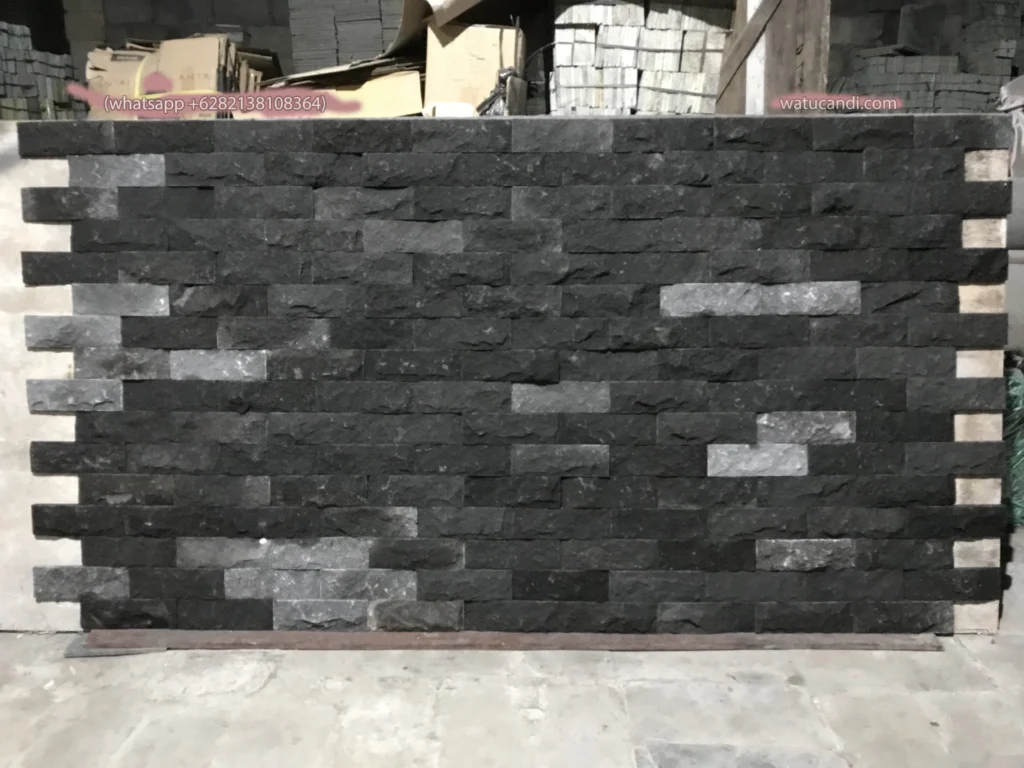
The front surface retains the natural, rough, and uneven stone texture the result of the natural stone splitting process. Meanwhile, the other sides are usually machine-cut to facilitate installation. The thickness varies between 1–3.5 cm, giving a massive and solid impression. Due to its thicker nature and non-uniform surface, RTA/RTS tiles are only for wall cladding, both interior and exterior, and are not recommended for frequently stepped-on floors. However, this is precisely where its beauty lies: the split-face texture creates a dramatic play of shadows when exposed to light, making the wall appear alive and full of character.
Here are the complete available dimension options:
| Size (cm) | Finishing | Thickness (cm) | Application |
|---|---|---|---|
| 10 x 10 | RTM | ≈ 1 (±0.3) | Walls & floors |
| 10 x 10 | RTA/RTS | 1 – 3.5 | Walls only |
| 10 x 20 | RTM | ≈ 1 (±0.3) | Walls & floors |
| 10 x 20 | RTA/RTS | 1 – 3.5 | Walls only |
| 20 x 20 | RTM | ≈ 1 (±0.3) | Walls & floors |
| 20 x 20 | RTA/RTS | 1 – 3.5 | Walls only |
| 7.5 x 23 | RTM | ≈ 1 (±0.3) | Walls & floors (exposed brick) |
| 7.5 x 23 | RTA/RTS | 1 – 3.5 | Walls only (natural exposed brick) |
| 20 x 40 | RTM | ≈ 1 (±0.3) | Walls & floors |
| 20 x 30 | RTM | ≈ 1 (±0.3) | Walls & floors |
| Custom | As requested | Customizable | Adjustable |
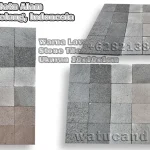
The 7.5×23 cm size (exposed brick format) is a favorite for wall applications because its proportions resemble conventional brick but with far more authentic natural stone character. This size can be installed with running bond, herringbone, or stack bond patterns according to design preferences. Meanwhile, the 10×10 cm and 20×20 cm sizes are very versatile for both floors and walls, offering a modern mosaic look that can be combined with various architectural styles.

Comparison with Alternative Materials
To help you make the right decision, here is an objective comparison of Black Candi Lava Stone with frequently used alternative materials:
| Aspect | Black Lava Stone | Ceramic/Porcelain | Other Natural Stone | Cast Concrete |
|---|---|---|---|---|
| Authenticity | 100% natural | Factory-made | Natural | Semi-artificial |
| Color | Natural black, fade-resistant | Surface coloring | Varies | Mixed coloring |
| Slip Resistance | High | Low–Medium | Medium–High | Medium |
| Maintenance | Minimal | Easy | Variable | Requires sealer |
| Weather Durability | Excellent | Good | Good | Adequate |
| Weight | Light–Medium | Medium | Heavy | Heavy |
| Price | Competitive | Economical | Premium | Economical |
Compared to ceramic, Black Candi Lava Stone offers an authenticity of material that cannot be replicated each tile has its own unique character. Compared to other natural stone such as granite or marble, lava stone is lighter, reducing the structural load on buildings, and its price is also more competitive. Meanwhile, against cast concrete, lava stone excels in long-term durability and natural aesthetics that will not undergo color degradation.
Interior and Exterior Design Application Inspiration
Meanwhile, many architects choose black candi stone to create a timeless classic-modern blend. The flexibility of this material allows it to adapt to various design styles from contemporary minimalist to industrial, from modern tropical to traditional Balinese.
Exterior: Gardens, Facades, and Pool Areas
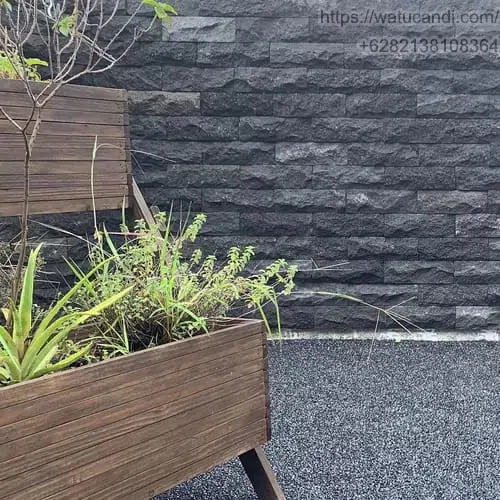
For example, installing RTA Natural Stone (split face – rough) on outdoor garden walls produces bright contrast when hit by sunlight and blends with green elements. The rough texture of the RTA surface captures and reflects light differently at each angle, creating a living visual dimension throughout the day from soft morning shadows to dramatic afternoon silhouettes.
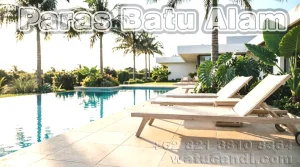
For swimming pool areas, RTM floors with 10×10 cm or 20×20 cm sizes are the ideal choice. Their natural anti-slip properties provide maximum safety for poolside areas that are often wet, while their water absorption capability ensures the surface dries quickly. The black color is also not glaring under the hot sun, creating a calm and luxurious resort atmosphere.
Interior: Family Rooms, Kitchens, and Bathrooms
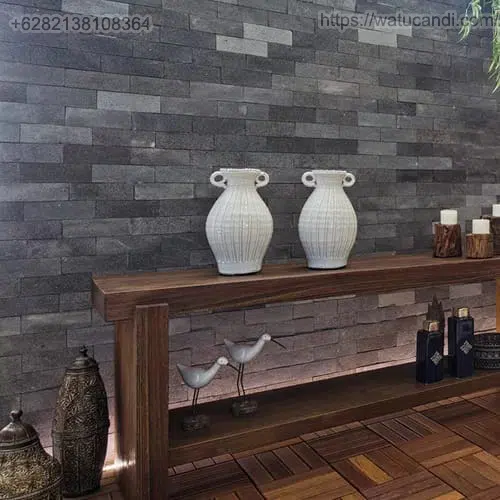
For interiors, you can arrange RTM natural stone exposed brick 7.5×23 cm tiles in the family room near a casual table for a warmer atmosphere. The exposed brick format creates the illusion of a longer space horizontal patterns give a sense of width, while vertical patterns give the impression of higher ceilings.
For kitchens, lava stone can be used as a sturdy backsplash: heat-resistant, oil stain-resistant, and easy to clean. Meanwhile, in bathrooms, RTM floors provide safe footing with a natural spa aesthetic that is difficult to match with other materials.
In fact, by combining it with exposed concrete or natural wood, the room appears naturally cool without artificial cooling. The contrast between the rough stone texture, the smoothness of concrete, and the warmth of wood creates a sophisticated and inviting material harmony.
Professional Installation Guide
Proper installation is the key to achieving perfect and long-lasting results. Here is the recommended step-by-step guide:
Substrate Preparation
The base surface must be clean, flat, and free of dust, oil, or loose material. For walls, ensure the plastering is fully cured (minimum 28 days). For floors, ensure the drainage slope has been correctly calculated.
Adhesive Selection
Use specialized natural stone instant cement adhesive with high bonding strength and good flexibility. For wet areas such as bathrooms and pools, use adhesive with added waterproofing. Avoid using ordinary cement because its bonding strength is less optimal for porous stone.
Installation Technique
For RTM tiles, use grout with a width of 2–3 mm for a neat appearance. For RTA/RTS tiles, the grout width can be more varied (5–10 mm) considering the non-uniform thickness. Always use spacers to maintain grout consistency. Start installation from the most visible area, and make cuts in less exposed areas.
Grouting
Use matching colored grout (black or dark gray) to create a unified look, or contrasting grout (white) to highlight the installation pattern. Ensure all gaps are fully filled to prevent water infiltration.
Protective Coating (Optional)
For floor applications in high-traffic areas or areas with stain risk (such as kitchens), you can apply a water-based natural stone sealer that does not alter the color. The sealer will fill the pores and prevent stain absorption, but slightly reduce the natural slip resistance of the stone. Consult us for the right product recommendation.
Long-Term Maintenance Tips
One of the advantages of Black Candi Lava Stone is its minimal maintenance. However, a few simple steps will ensure your material remains beautiful for decades:
- Routine Cleaning: Simply sweep or vacuum to remove loose dust and dirt. For deeper cleaning, use clean water and a medium-bristle brush. Avoid wire brushes that can scratch the surface.
- Stubborn Stains: Use a pH-neutral natural stone cleaner. Never use acidic cleaners (such as vinegar or ceramic cleaners) as they can damage the stone surface.
- Oil Stains: Immediately clean oil spills with an absorbent cloth. For stains that have already penetrated, use a poultice (absorbent powder) specifically for natural stone.
- Moss and Mold: For damp outdoor areas, periodically clean moss with a brush and water. If necessary, use an anti-moss solution that is safe for natural stone.
- Grout Inspection: Check the condition of the grout every 6–12 months. Cracked or peeling grout must be repaired immediately to prevent water infiltration under the tiles.
Real Project Case Studies
Here are some real examples of successful Black Candi Lava Stone applications:
Villa Resort in Ubud, Bali
A villa resort in Ubud used 10×10 cm RTM tiles for the entire terrace floor and swimming pool area. With a total area of 300 m², this material was chosen for its excellent anti-slip properties and its ability to remain cool despite exposure to Bali’s intense sunlight. The resort reported high satisfaction with the minimal maintenance and durability of the material after 3 years of intensive use.
Private Residence in South Jakarta
The homeowner in the South Jakarta area chose RTA/RTS tiles in the 7.5×23 cm exposed brick format for a 6-meter-long family room accent wall. The rough split-face texture creates a dramatic focal point that becomes the center of attention in the room. The combination with wooden flooring and neutral furniture produces a perfect balance between masculine and warm impressions.
Restaurant in Seminyak, Bali
An industrial-style restaurant in Seminyak uses 20×20 cm RTM tiles for the indoor and outdoor dining area floors. This material withstands the high traffic of hundreds of visitors daily without showing significant signs of wear. The black color also practically conceals light stains, keeping the restaurant’s appearance neat throughout operational hours.
Sustainable Production & Ordering
We sustainably produce Black Candi Lava Stone with large capacity to support residential, commercial, and export projects. Supported by dozens of experienced artisan workers and several cutting workshops operating simultaneously, we are capable of fulfilling large-volume orders with competitive production times.
Thus, you obtain direct prices from the artisans without intermediaries. This means significant savings especially for large-scale projects because every link in the distribution chain that is cut directly reduces the costs you have to bear. We believe in price transparency and quality, which is why we open our doors for direct visits to the production site.
Immediately contact us for consultation, free samples, or orders both large and small. Our team is ready to help calculate your material needs based on working drawings, provide recommendations for the most suitable sizes and finishing, and prepare the best offers tailored to your project budget.
Frequently Asked Questions (FAQ)
Q: Is Black Candi Lava Stone suitable for bathroom floors?
A: Very suitable. RTM finishing provides a natural anti-slip texture that is safe for wet areas. Water also dries quickly because the stone’s pores absorb water well.
Q: Can the stone color differ between batches?
A: As a natural product, minor variations between batches are normal. However, we maintain consistency through a strict sorting process. If your project requires absolute consistency, discuss it with our team beforehand.
Q: Can RTA/RTS tiles be used for floors?
A: Not recommended. The rough and uneven RTA/RTS surface makes it uncomfortable for foot traffic and difficult to clean. Use only for walls.
Q: How long is the production time for large orders?
A: Depends on volume and size. For standard orders (up to 500 m²), production time is approximately 2–4 weeks. For larger volumes or custom sizes, it can be discussed directly.
Q: Are delivery services available to other islands or for export?
A: Yes, we serve deliveries throughout Indonesia and exports to various countries. We cooperate with experienced logistics companies to ensure materials arrive safely.
Q: Does this stone require special maintenance?
A: Its maintenance is very minimal. Simply clean regularly with water and a brush. It does not require special coatings unless used in areas with high stain risk such as kitchens.
Q: How do I calculate material requirements?
A: Calculate the area to be installed (length × width), then add 5–10% for cutting buffer and damage. Our team is ready to help calculate for you.
Q: Can these tiles be installed by oneself or is a special mason needed?
A: Installation can be done by experienced stonemasons. For best results, we recommend using installation services familiar with the characteristics of natural stone.
📞 Phone/WhatsApp: +62-821-3810-8364
🌐 Website: https://watucandi.com
📍 Production location: Yogyakarta – Magelang Border, Central Java, Indonesia
Tags: black candi lava stone, volcanic natural stone tiles, jogja black candi stone, black natural stone floor, rough natural stone wall, merapi lava stone, RTM sawn cut lava stone, RTA split face natural stone, 10×10 black stone tiles, 7.5×23 exposed brick tiles, natural stone wall cladding, anti-slip natural stone floor, natural stone for swimming pool, black candi stone price, sell lava stone tiles, jogja magelang natural stone manufacturer, watucandi, pedra hitam lava stone, black lava stone tile Indonesia, natural stone for temples and shrines, traditional Balinese building materials, volcanic stone tiles export,