


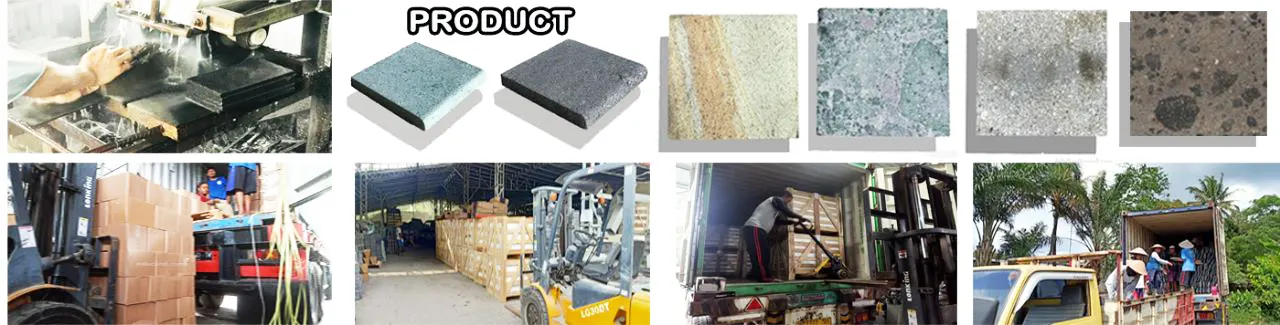
Black Lava Stone with One Rough Side, internationally known as Lava Stone Rough Face, is one of the most authentic natural materials you can choose to enhance your home. With its rough surface formed directly by nature, this stone presents a solid, masculine, and elegant character all at once. This article will thoroughly explore every aspect of black lava rough face natural stone, from its definition, advantages, production process, installation techniques, maintenance, to the latest design inspirations. We will discuss in depth so that you get a complete guide before deciding to use this material for your project, whether small or large scale.
This material is increasingly popular because of its ability to add a natural touch to building facades, interior walls, fences, pillars, and even swimming pool areas. Not only beautiful, black lava natural stone is also famously tough in facing tropical and extreme weather. We will explain why Lava Stone rough Face is the right choice for those who appreciate organic aesthetics and high durability. Let’s begin the journey to get to know this darling of natural materials more closely.
Definition of Black Lava Stone with One Rough Side
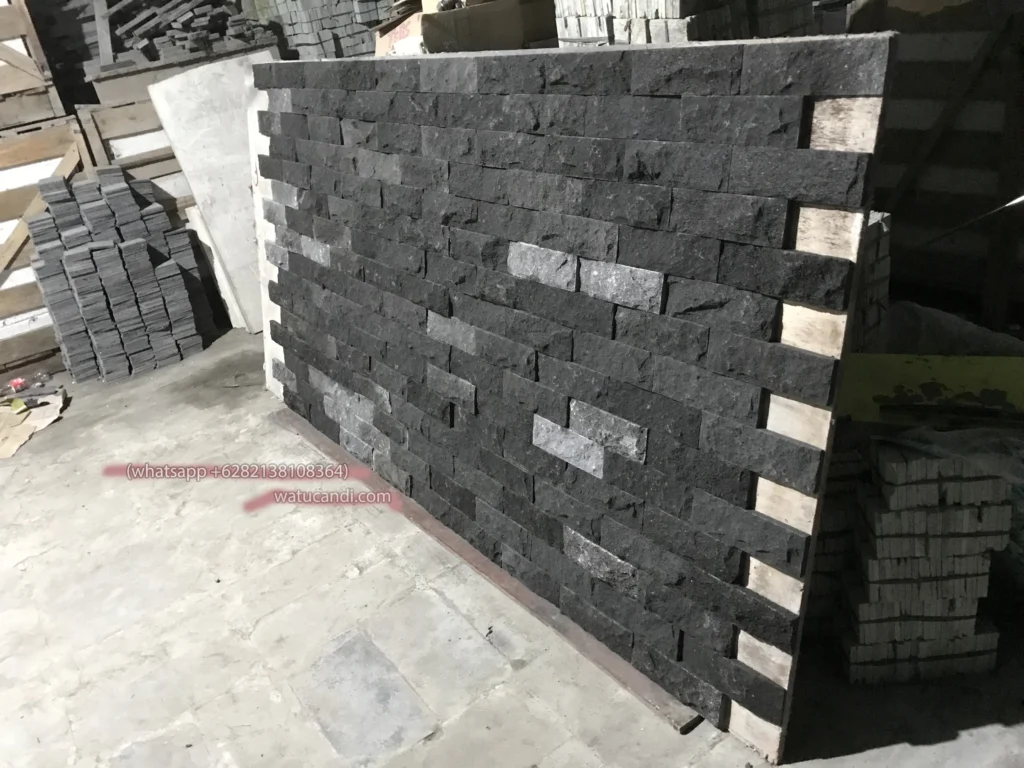
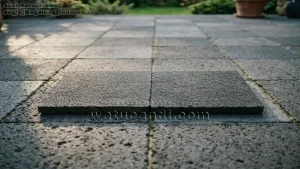
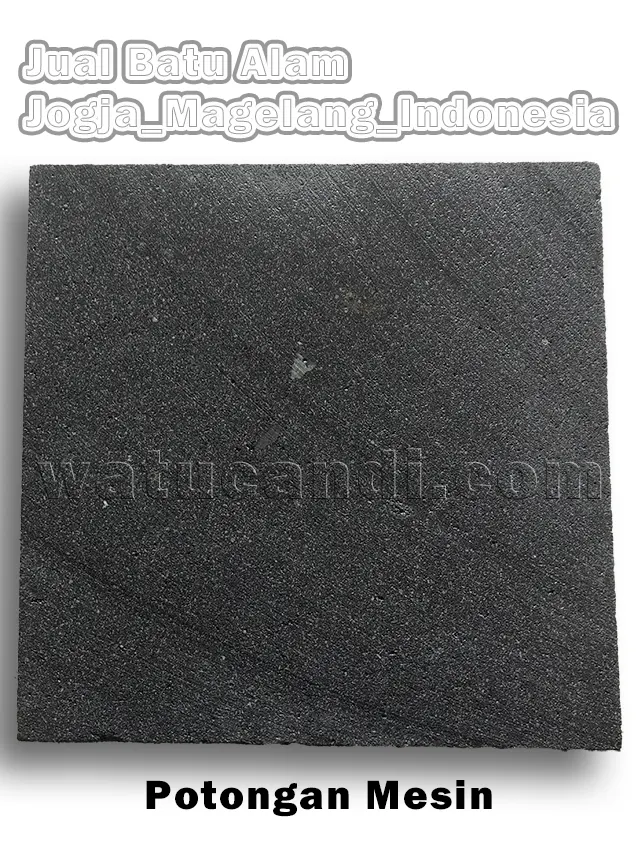
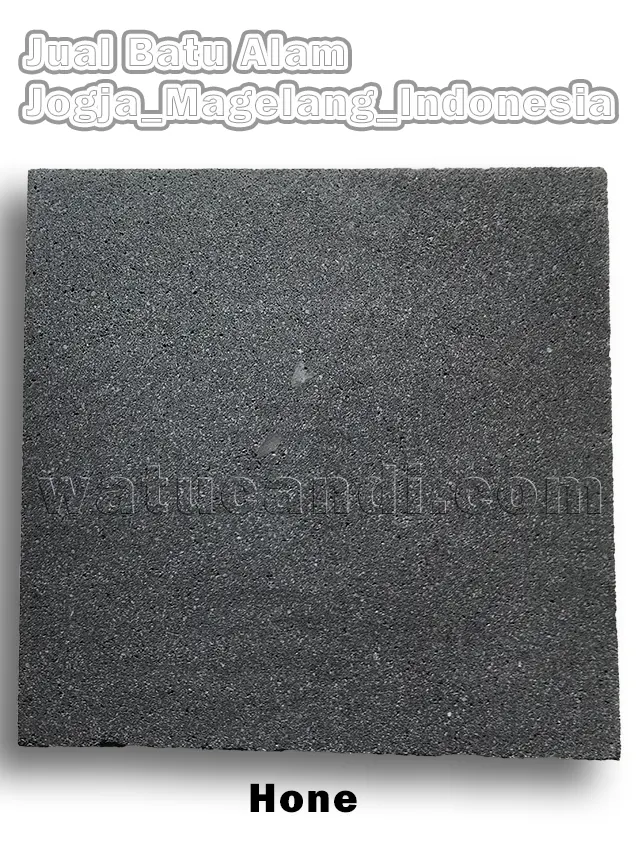
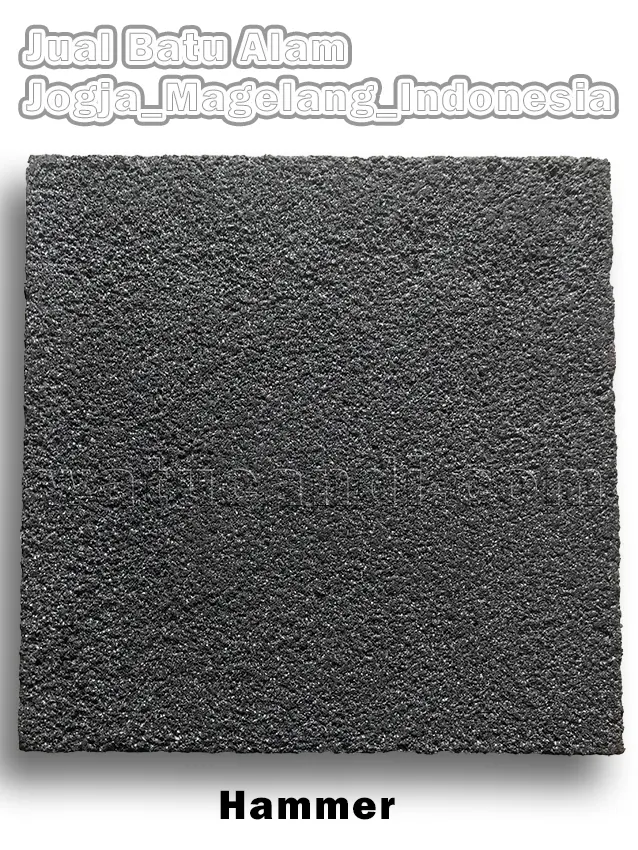
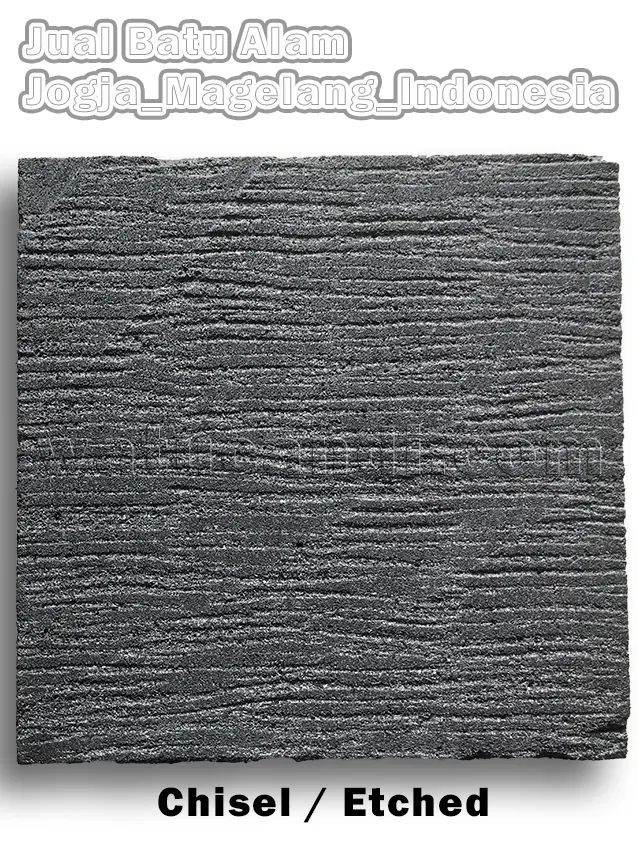
Black Lava Stone with One Rough Side, in English called Black Lava Stone Rough Face or Lava Stone Split Face, is a type of volcanic natural stone that has one side with a natural rough surface resulting from stone splitting, while the other side is flat due to machine cutting. This rough texture is not man-made, but a natural formation from the cooling process of lava that took place millions of years ago. In Indonesia, this stone is also often referred to as rough black temple stone or lava stone. The uniqueness of its irregular surface creates a dramatic three-dimensional effect, making it highly favored for exterior and interior wall applications.
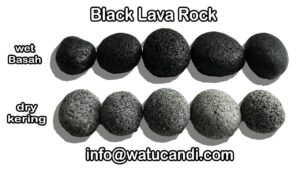
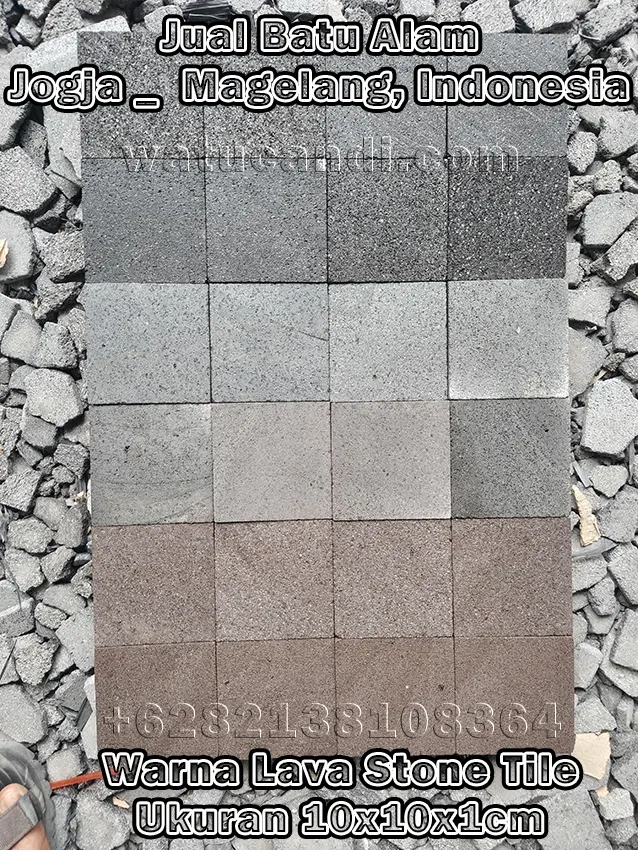
Geologically, this stone belongs to the basaltic or andesitic igneous rock family. Its rich mineral content makes its color tend to be dark, ranging from jet black, charcoal gray, to slight brownish tinges in some spots. The small pores scattered evenly on the surface are not defects, but characteristics that provide aesthetic and functional value. These pores actually help air circulation and provide a natural anti-slip effect. Lava Stone rough Face is the ideal choice for those looking for a material with strong and authentic character.
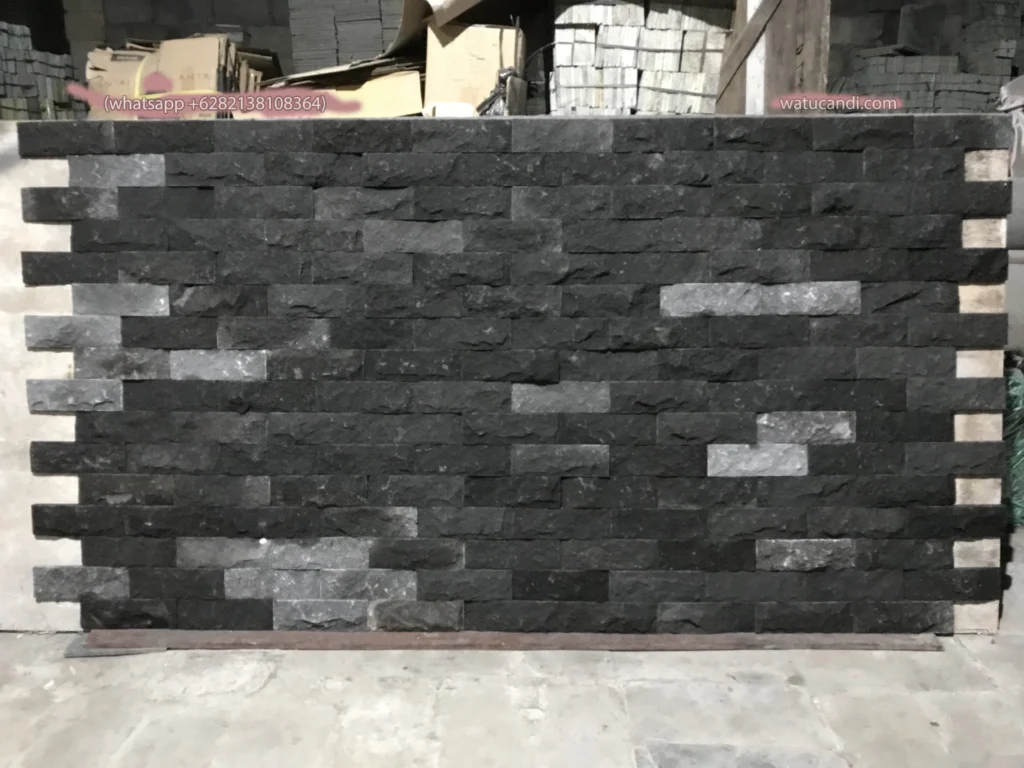
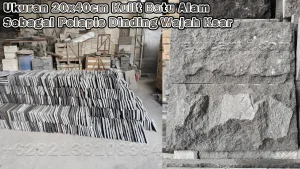
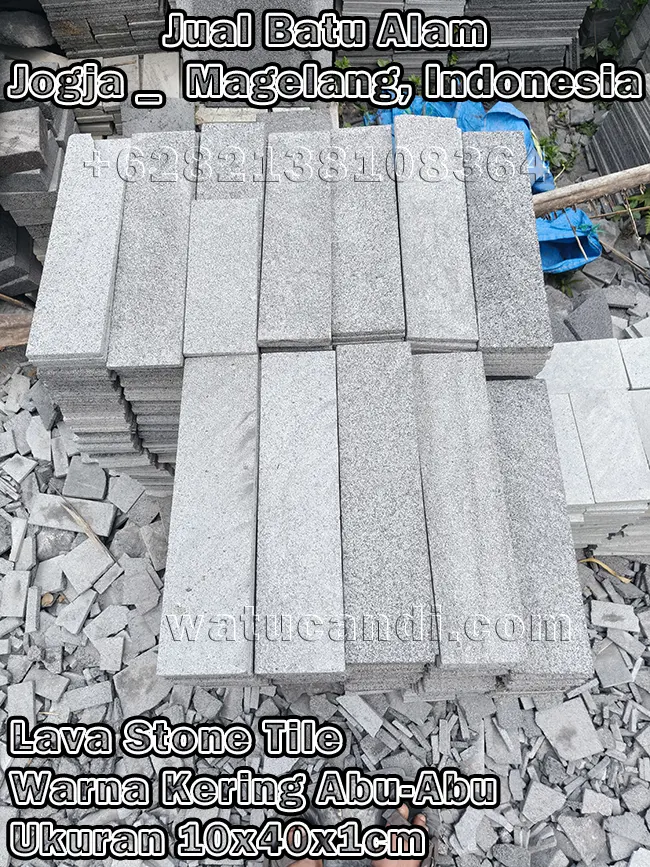
The sizes commonly available on the market vary greatly, from 7.5×23 cm resembling exposed brick, to large panels of 20×40 cm or 30×60 cm. The thickness also varies, usually between 1 cm to 3 cm, depending on structural and aesthetic needs. In this article, we will discuss a lot about the 7.5×23 cm size because of its high popularity as a substitute for modern exposed brick. Its elongated flat shape facilitates the iconic offset pattern installation.
Physical and Aesthetic Characteristics
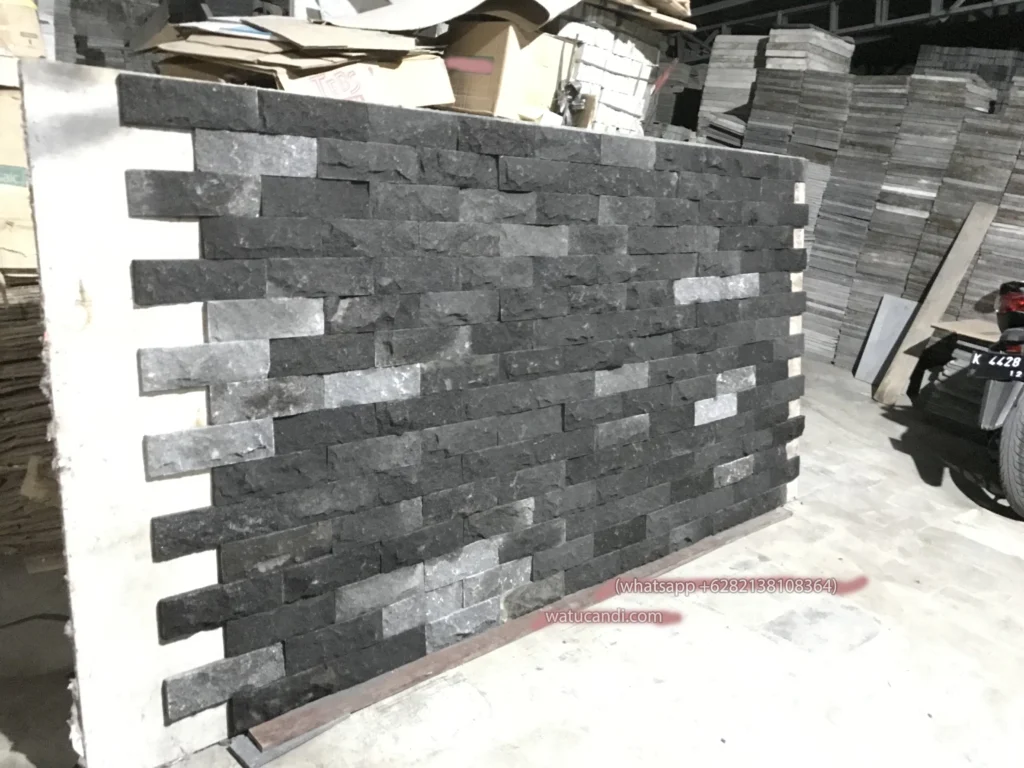
Black lava natural stone rough face has characteristics that distinguish it from other materials. First, in terms of color, this stone is dominated by jet black with natural gray accents. However, don’t be surprised if you find a little mineral vein of rust or brown color – that is a sign of the authenticity of natural stone. Second, in terms of texture, the rough and wavy surface creates a beautiful play of shadows when exposed to light. This effect is highly sought after by designers to highlight the dimension on the wall.
Weight of this stone is quite light for natural stone, ranging from 2–3 kg per piece for the 7.5×23 cm size with a thickness of 10 mm. This facilitates the lifting and installation process. Although light, its material density is high so it is strong to withstand loads and impacts. Water absorption rate of lava stone is low to medium, meaning it is not easily damp but still able to “breathe”. This is important to prevent peeling when installed in wet areas such as bathrooms or swimming pools.
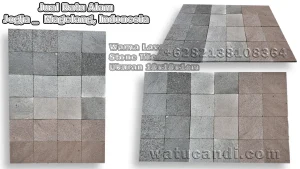
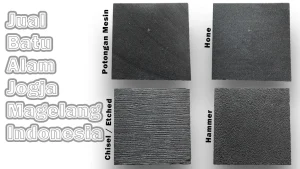
Shape variation is another attraction. No two pieces are truly identical. Differences in thickness, curves, and protrusions make every wall covered with this stone unique. You can choose the level of roughness according to taste: there is very rough with sharp contours, and there is also medium rough with a calmer surface. This flexibility allows adjustment to various architectural styles, from industrial, modern tropical, to traditional.
Production Process of Lava Stone Rough Face
The journey of lava stone rough face begins from the bowels of the earth millions of years ago. This material comes from volcanic lava that cooled quickly on the surface, trapping gas and creating pores. In Indonesia, deposits of this stone are widely found in volcanic areas in Central Java, Yogyakarta, and several parts of Sumatra. Traditional miners take large boulders from mountain slopes, then bring them to processing centers. This is where the expertise of the craftsmen plays an important role.
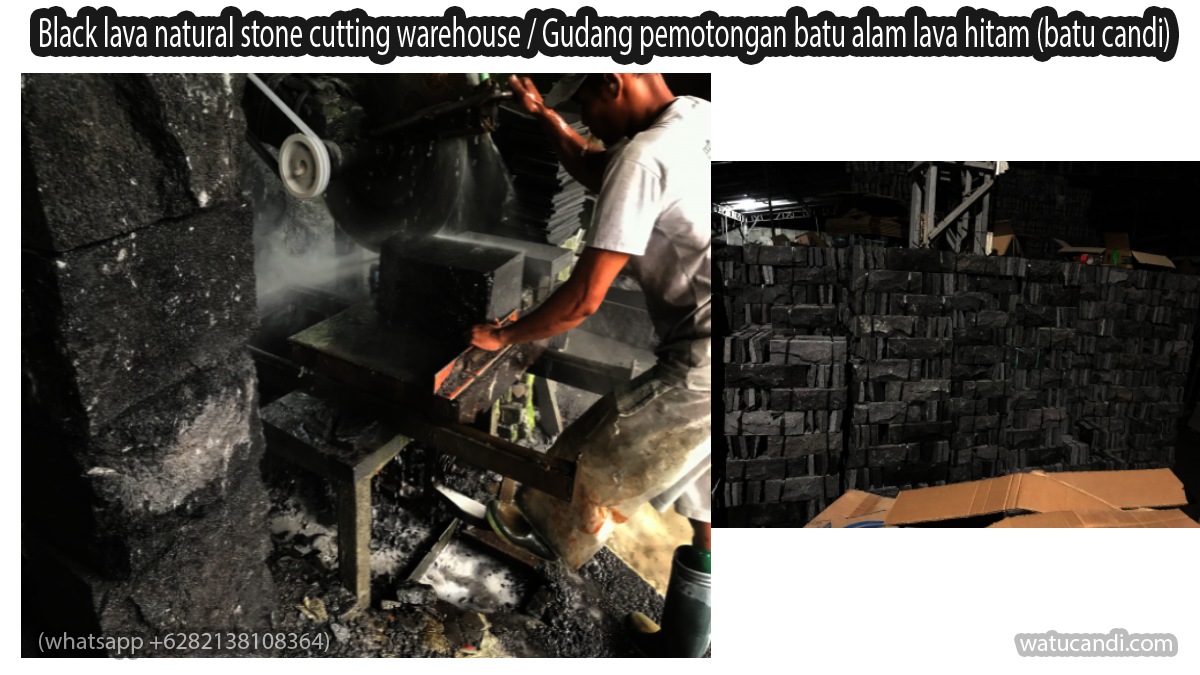
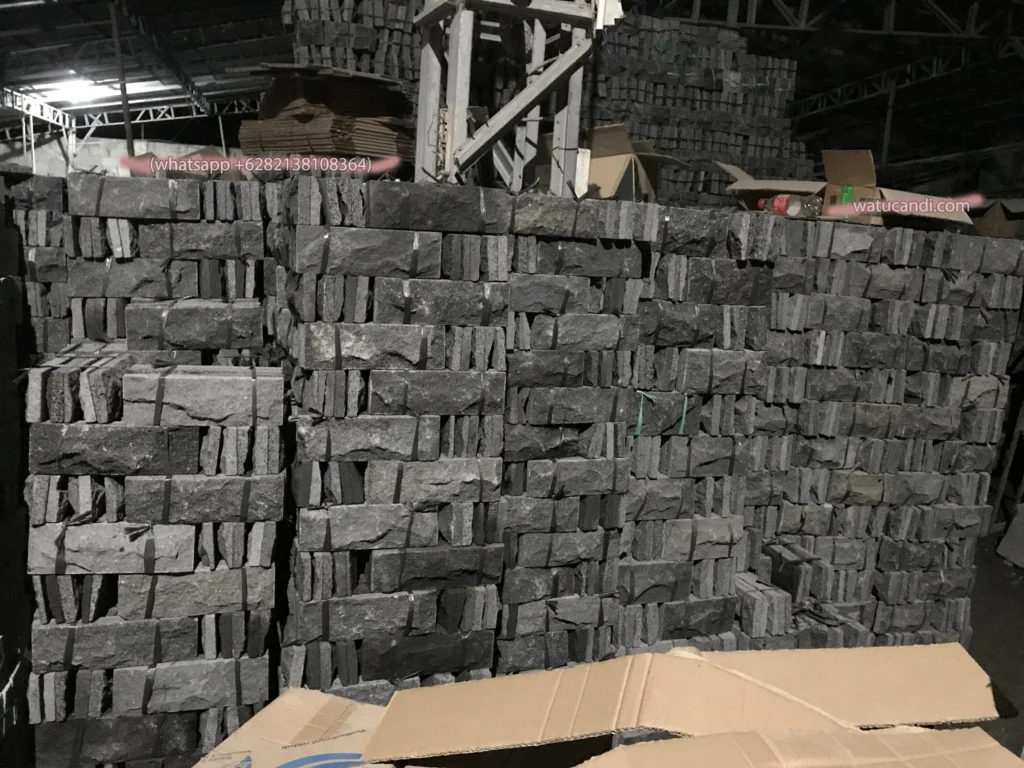
The boulders are selected based on quality: pore density, color, and minimal cracks. Next, the stone is cut using a diamond saw machine into sheets with the desired thickness. The back side is cut flat so that it is easy to stick to the wall, while the front side is split naturally following the stone grain. This splitting process produces the distinctive rough texture of rough face. There is no chemical coating or artificial coloring, so the color and texture remain natural. After cutting, the stones are sorted and packed in wooden crates to maintain safety during shipping.
Production of lava stone rough face is highly dependent on manual skills. Machines do help initial cutting, but the final selection and splitting are still done by skilled hands. This makes each piece have a personal character. The production capacity of a craft center can reach thousands of square meters per month, enough to meet the demand for large-scale projects such as hotels, resorts, and luxury housing.
Main Advantages of Lava Stone Rough Face
Why do many architects and homeowners choose this stone? Here are its competitive advantages:
- Natural Authenticity: No two pieces are the same. Every wall becomes a work of art in itself.
- High Durability: Resistant to impact, scratches, and mechanical pressure. Suitable for public areas with high traffic.
- Extreme Weather Resistance: Capable of facing scorching heat, heavy rain, and even sub-zero temperatures without cracking or decaying.
- Easy Maintenance: Simply clean with water and a soft brush. No special coating required unless you want a glossy effect.
- Natural Anti-Slip: Its rough surface provides safe grip, ideal for wet areas such as swimming pools and bathrooms.
- High Aesthetic Value: The three-dimensional appearance creates a stunning focal point on both facades and interiors.
- Thermal Insulation: The stone’s pores help dampen heat, keeping room temperatures naturally cooler.
- Environmentally Friendly: Produced without harmful chemicals and recyclable.
With all these advantages, it’s no wonder that Lava Stone rough Face is a favorite material for various prestigious projects. In terms of cost, although slightly more expensive than conventional exposed brick, its long-term value is much higher because it does not need to be replaced or renovated frequently.
Applications in Exterior and Interior Design
The beauty of lava stone rough face can be enjoyed in various parts of a house or commercial building. Here are some of its main applications:
1. Exterior Facade Wall Cladding
The facade is the face of a building. By using lava stone rough face, your building will immediately attract attention. Its rough texture uniquely reflects light, creating shadows that change as the sun moves. Offset installation patterns (like brick) or herringbone can be chosen according to taste. This stone is highly suitable for industrial, modern tropical, and contemporary architectural styles. Facade walls covered with lava stone also function as natural insulators, keeping the temperature inside the house comfortable.
2. Interior Accent Wall
Not only outside, inside the room this stone is also capable of creating a warm yet classy atmosphere. Install it on one side of the living room, family room, or bedroom wall as an accent wall. Combine it with spotlight lighting from below or the side to highlight the texture. The result is a room that feels more lively and has a strong character. Lava stone also pairs well with other materials such as wood, glass, or metal to create visual balance.
3. Garden and Landscape
Lava stone rough face with a size of 7.5×23 cm is very versatile for garden applications. You can use it as a cladding for boundary walls, large flower pots, or other decorative elements. Its rough surface blends well with green plants, creating harmony between hardscape and softscape elements. Place it around a fish pond or fountain for a calming natural impression. This stone is resistant to moss and fungi, so maintenance in damp areas is easy.
4. Garage and Carport
Giving a natural touch to the garage can enhance both aesthetic value and function. A garage wall covered with lava stone rough face will look sturdy and masculine. Moreover, this stone is resistant to scratches and light impacts, making it suitable for areas frequently passed by vehicles. Choose black or dark gray to camouflage dirt and dust. With minimal maintenance, your garage will continue to look neat and modern.
5. Swimming Pool Edge
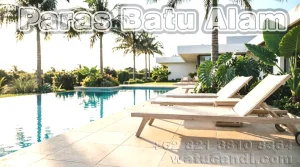
One of the most popular applications is as a swimming pool edge wall cladding. Lava stone rough face has natural anti-slip advantages, making it safe for pedestrians around the pool. Its dark color also absorbs heat, making the pool edge area feel warm underfoot in cold weather. In addition, its resistance to chlorine and swimming pool chemicals makes it the right long-term choice. Pool walls covered with this stone give a luxurious resort atmosphere in your own home.
Correct Installation Guide
Installing natural lava stone rough face requires precision and special techniques for maximum, long-lasting results. Here are the steps you must pay attention to:
- Wall Preparation: The wall must be clean, flat, and free of dust or oil. For concrete walls, ensure the plaster is completely dry. If necessary, apply a waterproofing layer first for wet areas such as bathrooms or pool edges.
- Soaking the Stone: Before installation, soak the stone in clean water for 10–15 minutes. The goal is to prevent the stone from absorbing water from the cement mixture excessively, which could cause cracking or crumbling.
- Making the Mixture: Use a special instant cement for natural stone (thinbed mortar) with high adhesive power. Mix with water according to the dosage until it forms a thick paste. Avoid using ordinary cement because its adhesion is less optimal for porous stone.
- Applying the Mixture: Apply the mixture to the wall using a notched trowel, then stick the stones one by one. Use spacers to maintain neat grout lines. For an offset pattern, start from the bottom and ensure each row is shifted by half the stone length.
- Grouting: After the mixture dries (24 hours), fill the grout gaps with a matching color grout. Use regular cement grout for dry areas, and epoxy grout for wet areas. Clean the remaining grout from the stone surface before it hardens.
- Coating Application: Optional, but highly recommended. Apply a natural stone coating liquid to give a wet-look effect and protect against moss and fungi. Choose a water-based coating to remain environmentally friendly.
Common mistakes that often occur are not soaking the stone, using ordinary cement, or not cleaning the grout in time. This can cause the stone to quickly come off or become moldy. Therefore, it is highly recommended to use professional installation services if you do not have experience.
Maintenance and Durability
One of the main advantages of lava stone rough face is its very easy maintenance. Unlike synthetic materials that require special care, this stone actually becomes more beautiful with age. Here is a maintenance guide based on installation location:
- Interior Walls: Simply wipe with a damp cloth or vacuum periodically to remove dust. Avoid using acidic cleaning liquids because they can damage the natural patina of the stone.
- Exterior Walls: Spray with low-pressure water every 3–6 months to remove dirt and dust. If there is moss, use a soft nylon brush without harsh detergent.
- Swimming Pool Edges: Pay attention to the chlorine level of the pool water. Too high chlorine can fade the stone color in the long term. Clean the stone surface periodically with a soft brush and fresh water.
- Stubborn Stains: For oil or rust stains, use a special cleaning paste for natural stone. Apply, let stand according to instructions, then rinse thoroughly. Do not use a wire brush because it can scratch the surface.
With proper care, lava stone rough face can last for decades without losing its charm. In fact, several historic buildings that use similar stone still stand strong today. The initial investment you spend will be paid off with long-term beauty and durability.
Resistance to Extreme Weather
One of the main reasons why lava stone is widely used in Indonesia is its resistance to harsh tropical weather. But what about other extreme temperatures? Here is the explanation:
- High Temperature: Lava stone is formed from magma with temperatures of thousands of degrees Celsius. Therefore, it is naturally very heat resistant. Walls covered with lava stone will not crack or blister even if exposed to direct sunlight all day. Its pores even help release heat, keeping the temperature behind the wall lower.
- Low Temperature (Minus): Although Indonesia does not have winter, lava stone rough face is often exported to four-season countries. Tests show that this stone is able to withstand sub-zero temperatures without structural damage. The key is low porosity that prevents water from entering and freezing inside the stone, which could cause cracking. Thus, this material is safe to use even in snowy areas.
- Drastic Temperature Changes: Rapid hot-cold cycles are often the main enemy of building materials. However, lava stone has a low expansion coefficient, so it does not easily expand and contract extremely. This makes it stable in the long term.
With these characteristics, it’s no wonder that lava stone rough face is a top choice for projects around the world. You can confidently use it in any climate condition.
Design Inspiration with Lava Stone Rough Face
Need ideas for applying lava stone rough face? Here are some design styles you can imitate:
- Industrial Chic: Pair black lava stone walls with polished concrete floors, black steel frames, and factory-style pendant lights. Add leather furniture for a masculine touch.
- Tropical Modern: Use lava stone as an accent on garden or terrace walls. Tropical green plants such as palms, monstera, and ferns will create a refreshing contrast.
- Japanese Minimalist (Japandi): Choose lava stone with a soft gray color. Combine it with light wood, calm wallpaper, and dim lighting. The result is a room that feels zen and soothing.
- Rustic Farmhouse: Install lava stone on the dining room or kitchen wall. Pair it with a solid wood table, wood floor, and wrought iron accessories. A warm and inviting atmosphere will be created.
- Mediterranean: For a Mediterranean style, use lava stone on pillars and arches. Pair it with white walls, clay roof tiles, and a dry garden.
Don’t be afraid to experiment with installation patterns. Besides the standard offset pattern, you can try vertical, diagonal, or even random mosaic patterns for a more artistic look. Consult with your designer or contractor to get the best results.
Price and Availability
The price of Black Lava Stone Rough Face varies depending on several factors: size, thickness, level of roughness, and purchase volume. As an illustration, for the 7.5×23 cm size, the price per square meter ranges from IDR 150,000 to IDR 350,000, depending on quality and seller location. This price can be higher for large panel sizes or stones with a high level of uniformity. Large-quantity orders usually get special discounts.
You can find this product in large building material stores, especially those that provide natural stone. However, to get the best price and guaranteed quality, it is recommended to buy directly from producers or craftsmen. Our website provides various choices of lava stone rough face with export quality. We also serve delivery throughout Indonesia and export abroad.
Frequently Asked Questions (FAQ)
1. Can lava stone rough face be used for flooring?
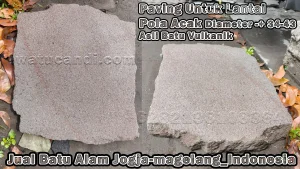
Absolutely. Its rough surface provides very good grip, making it suitable for bathroom floors, terraces, or areas around swimming pools. Make sure to choose a minimum thickness of 2 cm for heavy traffic.
2. How to clean this stone if it has become moldy?
Mix water with a little neutral pH dish soap, then brush gently. Rinse with clean water. If mold persists, use a special anti-fungal liquid for natural stone widely available on the market. Avoid clothing bleach.
3. Does this stone crack easily when cut?
Lava stone is quite hard but fairly easy to cut using a diamond disc grinder. With the right technique, the cut will be neat. For professional installation, usually the installer already has adequate tools.
4. Will the stone color change over time?
Naturally, lava stone can develop a grayish patina if continuously exposed to water or UV rays. However, this is precisely what adds character. If you want to maintain a deep black color, apply a coating every 2–3 years.
5. Can this stone be installed by oneself without a professional?
If you have experience with ceramic or natural stone installation, of course you can. However, because this stone has non-uniform thickness and shape, professional installation is recommended for neat and even results.
Conclusion
Lava Stone Rough Face or Black Lava Stone with One Rough Side is the perfect choice for those of you who want a material with strong character, durability, and full of aesthetics. From magnificent building facades to warm interior wall accents, this stone is able to present timeless natural beauty. Its advantages in facing extreme weather, ease of maintenance, and artistic value make it a smart long-term investment.
Don’t hesitate to contact us via WhatsApp at +62 821 3810 8364 for free consultation, product samples, or orders. Also visit our website to see the full catalog and inspirational projects. Realize your dream home with a natural touch from lava stone rough face. Our expert team is ready to assist from planning to installation.
Tags: lava stone rough face, black lava natural stone, black lava stone split face, one rough side natural stone, black temple stone, basalt lava stone, exterior wall cladding, garden natural stone, stone for swimming pool, natural exposed brick, 7.5×23 natural stone, natural stone installation, natural stone maintenance, weather-resistant natural stone, anti-slip lava stone, natural stone wall inspiration, watucandi, natural stone producer, Indonesian natural stone, volcanic stone, rough face tile, split face stone, cheap natural stone, buy natural stone, natural stone facade design, black natural stone, lava stone Indonesia, rough stone texture,


9 thoughts on “Black Lava Stone with One Rough Side (Lava Stone Rough Face)”