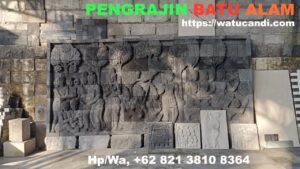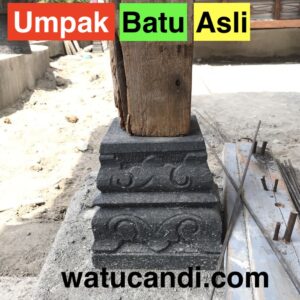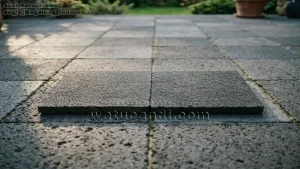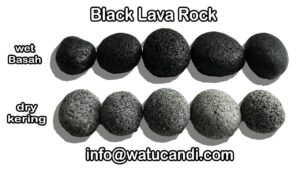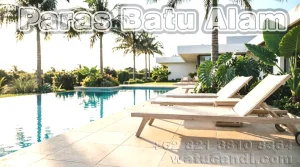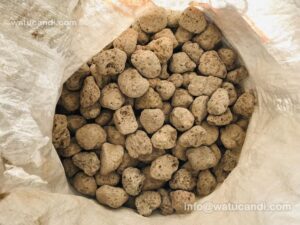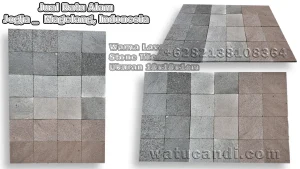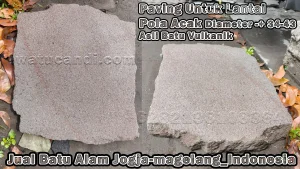
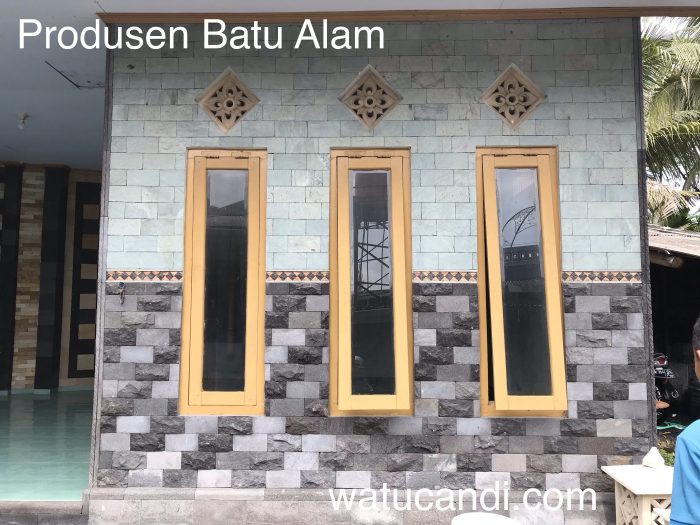
In the evolution of contemporary architectural design, the presence of natural stone elements is no longer just a complement, but has become the soul of a home. Natural stone emerges as a premium building material most widely applied to beautify facades and interiors, particularly on walls. However, its application in minimalist styles demands high precision. The manufacturing process, precise installation techniques, and final finishing are crucial aspects that must be considered if you want to achieve perfect minimalist natural stone walls.
The versatility of natural stone allows its use not only on walls but also extends to floor tiles, porch pillar foundations, and garden decorative elements. Although its functions are diverse, this article will thoroughly discuss the main focus: how natural stone can be integrated into modern minimalist concepts without losing its warm and natural impression. We will discuss material types, technical characteristics, investment benefits, and long-term maintenance guides to keep your house walls stunning for years to come.
Redefining Minimalist Natural Stone
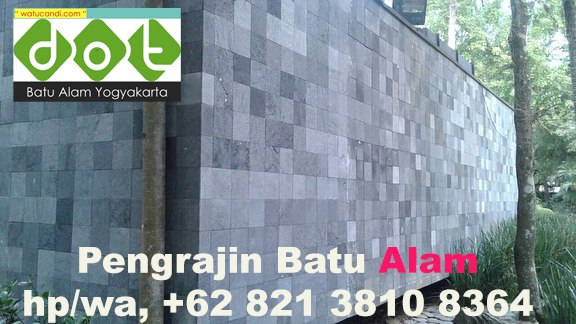
A common misunderstanding is that “minimalist” is identical to small sizes or narrow spaces. This definition needs correction. In the context of architecture, minimalism refers to the “less is more” philosophy—where every element has a purpose, its form is simple yet elegant, and it is free from excessive ornaments. Therefore, minimalist natural stone is not about mini-sized stones, but rather natural stones selected and installed with principles of simplicity, regularity, and visual harmony to create a calming modern atmosphere.
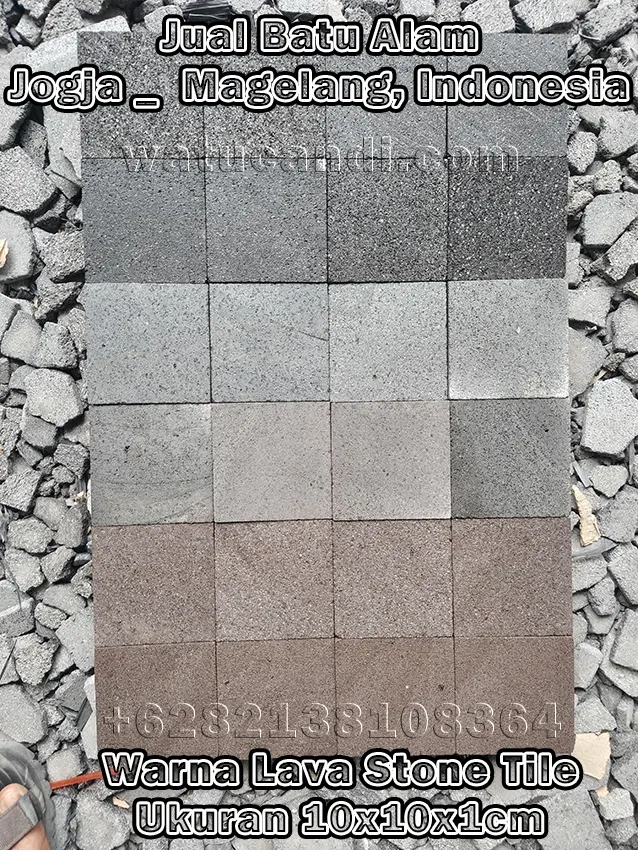
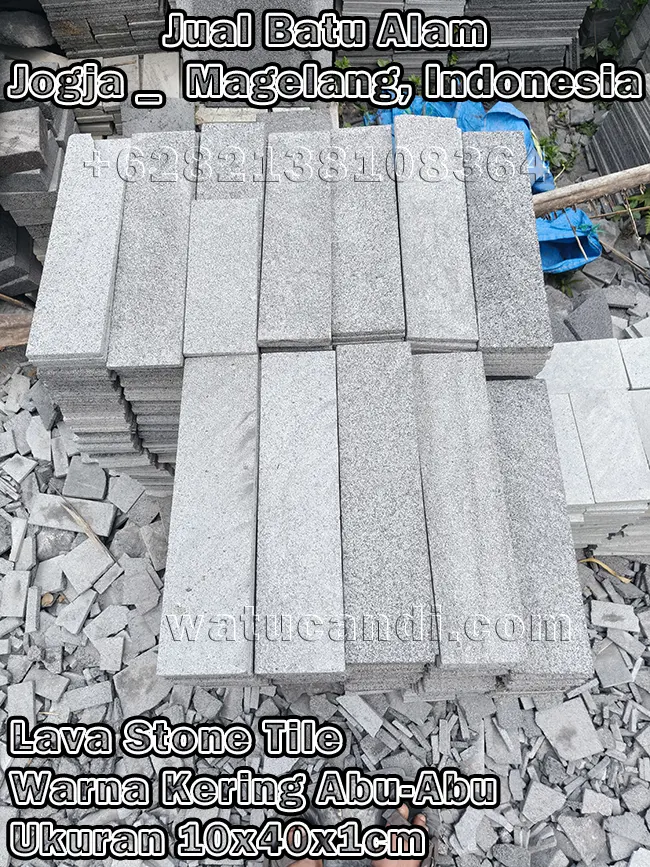
The selection of natural stone for minimalist styles heavily depends on how the material reflects light, its surface texture, and its installation pattern. The right natural stone will transform an ordinary wall into a sophisticated focal point. To see a collection of materials designed specifically for modern aesthetics, you can explore the premium Andesite and Lava natural stone flooring collection which offers high durability and a clean, neat appearance, very suitable for minimalist applications.
Main Characteristics of Minimalist Natural Stone Walls

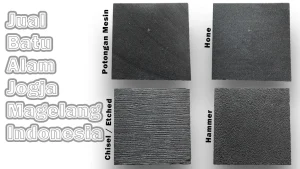
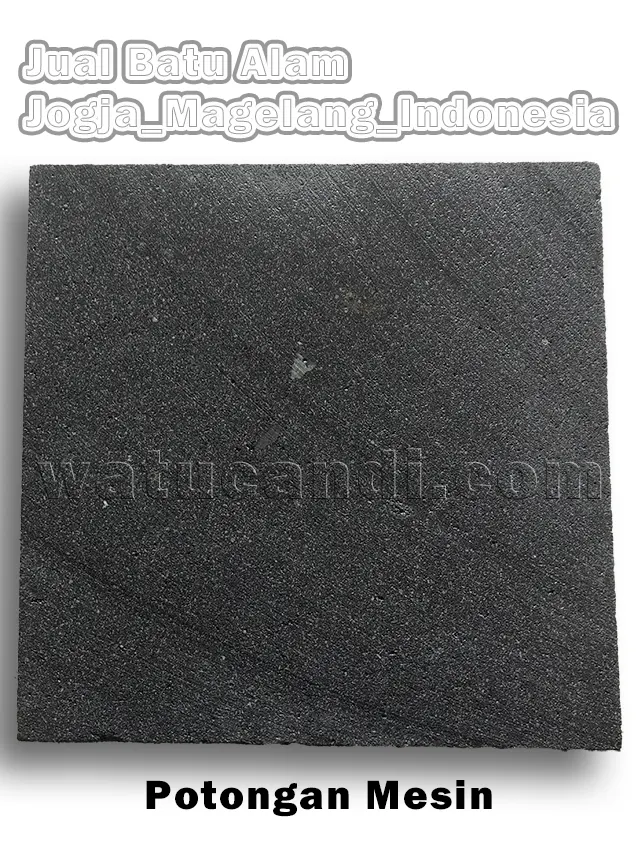
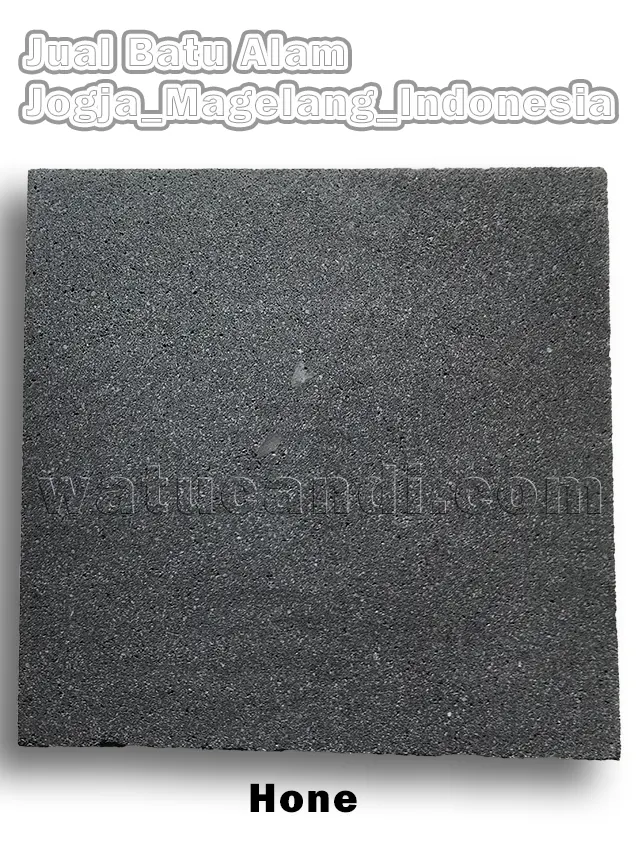
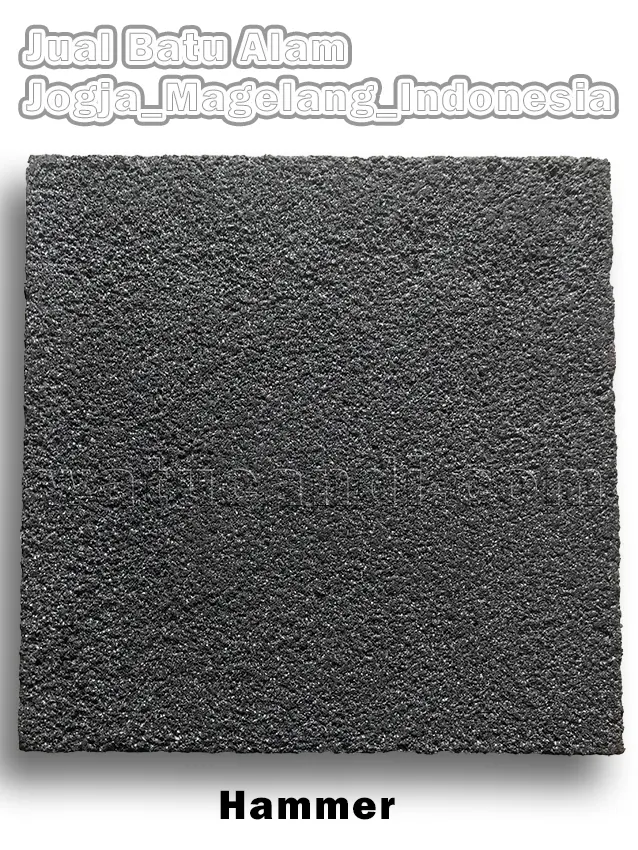
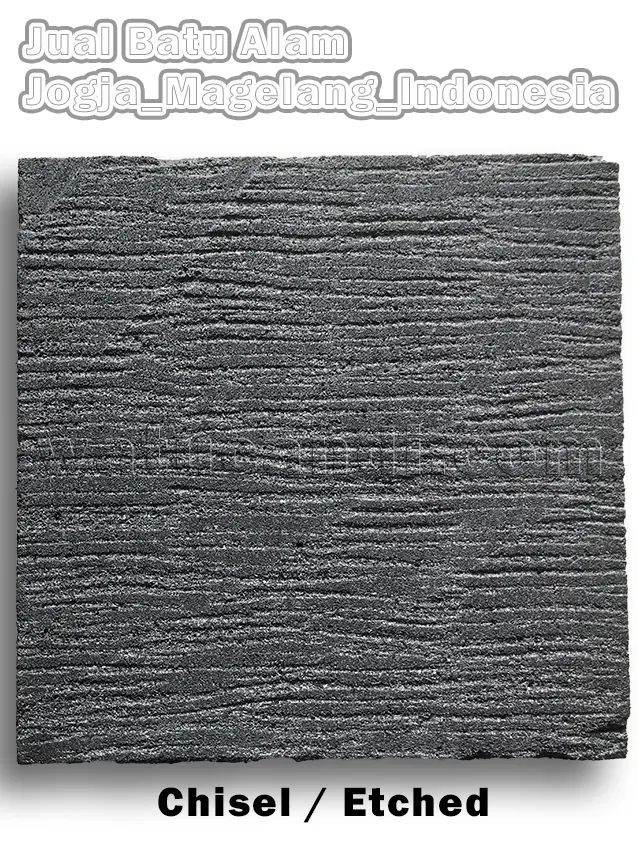
Natural stone is a unique geological product; no two stone sheets are truly identical. Variations in color, pattern, and texture are distinctive features that cannot be replicated by synthetic materials like ceramics or vinyl. In a minimalist context, these characteristics are managed so they do not look “cluttered.” The key is consistency. Whether you choose a rough texture (chiseled) for a rustic-modern look, or a smooth texture (honed/sawn cut) for an industrial-chic feel, the result must still display an authentic natural impression.
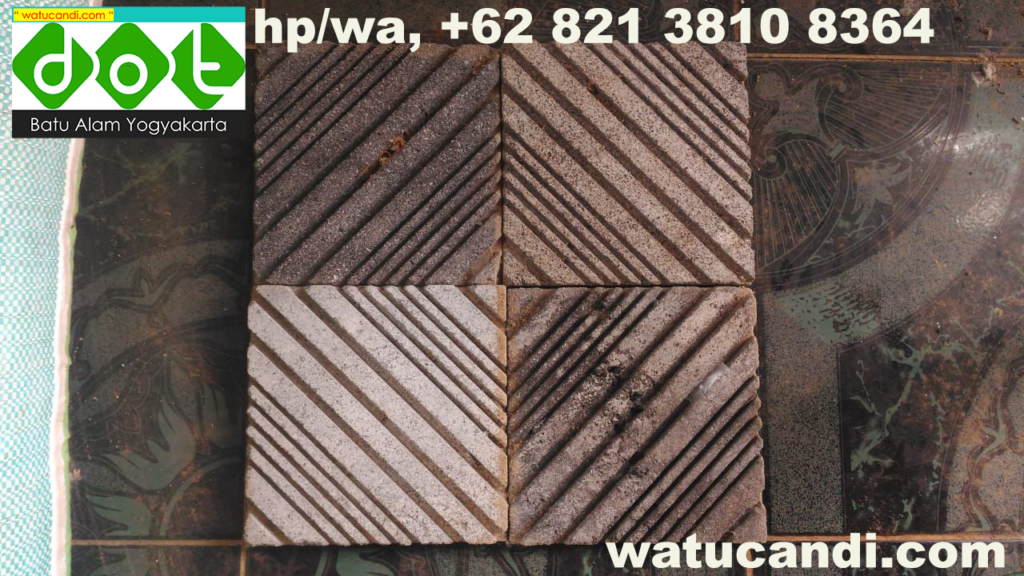
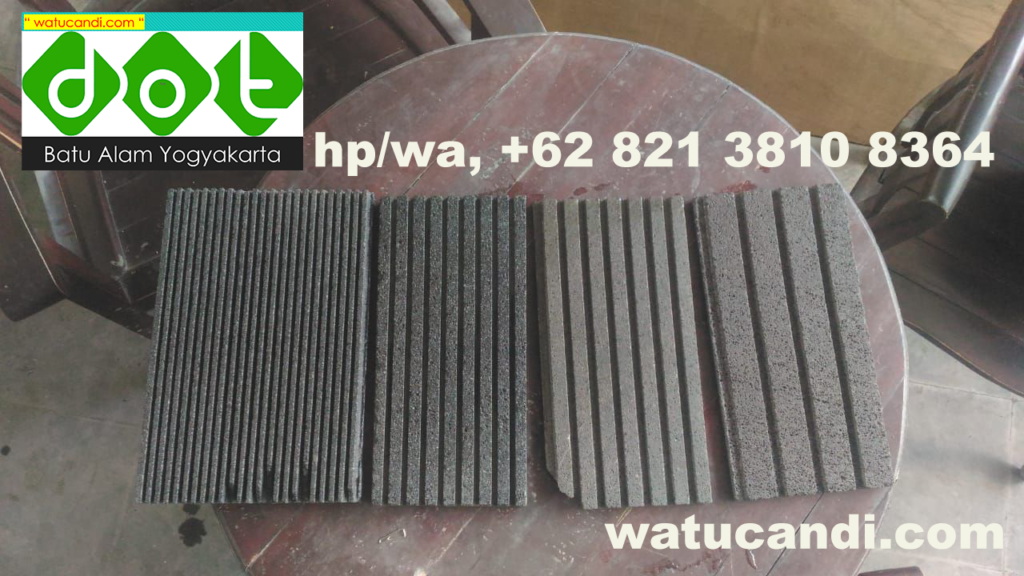
Natural stone patterns can vary from random spots to regular lines. For minimalist walls, stones with more subtle patterns or very geometric installation patterns are usually chosen. This aims to maintain visual balance between natural roughness and modern design order. If you are interested in more dynamic texture variations, you can learn more about manually chiseled stone floors, a technique often adapted for walls to provide interesting 3D dimensions.
Best Types of Natural Stone for Minimalist Concepts
Selecting the type of stone is the most crucial step. Not all natural stones are suitable for minimalist styles. Here is an in-depth review of the most popular and recommended natural stone types for minimalist wall applications:
1. Andesite Natural Stone: The King of Durability and Elegance
Andesite is the top priority choice for architects and interior designers for minimalist homes. Originating from volcanic activity, this stone has very high molecular density, making it resistant to extreme weather, abrasion, and drastic temperature changes. Its dominant color is dark gray to pitch black, giving a sturdy, modern, and masculine impression.
The advantage of Andesite lies in its finishing flexibility. You can choose a smooth surface (sawn cut) for a clean and neat look, or a rough surface (chiseled/bushhammered) to add texture and character. For exterior applications requiring maximum resistance to sun heat and rain, Andesite from the foothills of Mount Merapi is the gold standard. You can find similar material inspiration in Merapi lava stone paving, famous for its durability, which is also available in wall formats.
2. Candi Natural Stone: Historical Nuance in Modern Wrapping

As the name suggests, this stone has colors and textures reminiscent of ancient temple structures in Java. Its color tends to be dark gray with pores slightly more open than dense Andesite. Candi stone is very suitable for creating a cool, calm, and meditative atmosphere in minimalist homes. Although called “Candi,” this stone does not come from temple ruins, but is new volcanic stone processed with modern technology to resemble classical aesthetics.
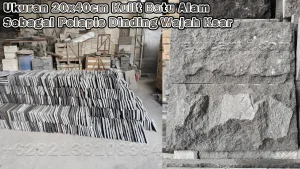
Candi stone installation is often done with a “Random” or irregular pattern to highlight its natural side, but in minimalist concepts, these pieces are often trimmed into uniform square or rectangular shapes (rectified) to maintain clean design lines. For further exploration of wall applications using this technique, visit our guide on random candi stone skin lava wall cladding.
3. Templek Natural Stone: Strength in Irregularity
Templek stone might sound traditional, but when applied correctly, it becomes a very powerful statement element. Its uniqueness lies in its irregular shape, yet when installed, it forms a solid and sturdy mosaic. This stone is highly resistant to moss and weather changes, making it ideal for minimalist homes in humid tropical areas.
The “village” or rustic impression is transformed into “rustic chic” artistic value. In minimalist design, templek stone is often used on a single focus wall (accent wall) to provide textural contrast against plain white walls. Its flexibility in installation allows for material savings as even small leftover pieces can still be utilized.
4. Susun Sirih Natural Stone: Horizontal Regularity
In terms of material, Susun Sirih often uses Andesite or Candi stone. What distinguishes it is the assembly method. The stone is cut lengthwise with varying widths but arranged horizontally in layers, similar to the arrangement of betel leaves. The result is strong horizontal lines, which visually can make a room feel wider and the ceiling feel higher.
This style is very popular in modern minimalist architecture because it creates a calming visual rhythm. Its dominant dark gray color strengthens the modern and elegant impression. To see other installation patterns that can be applied to walls, you can read about chiseled natural stone installation patterns which provide insight into how arrangement direction affects spatial perception.
5. Soft Limestone (Limestone): Brightness and Warmth
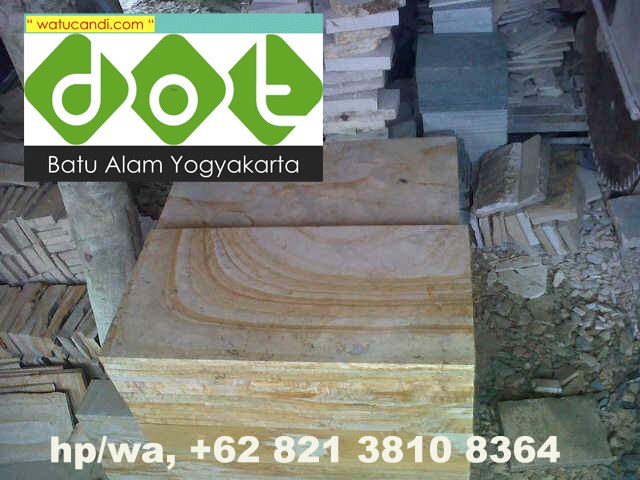
For those who feel dark colors are too dominant, limestone or Limestone is a perfect alternative. Its color varies from creamy white, ivory yellow, to light brown. This stone has larger pores, giving a “breathing” and warm impression. It is very suitable for Scandinavian or Mediterranean style minimalist homes.
It should be noted that Limestone is more prone to moss and stains if not well maintained, especially in humid areas. However, its soft beauty and ability to reflect light make the room feel wider and brighter. To understand deeper the characteristics of this rock type, please study our complete guide on limestone and travertine.
6. Sandstone Natural Stone: Exotic Sand Texture
Sandstone or sand stone has a unique texture formed from sand particles compacting over millions of years. Its surface often has patterns like wood grain or fine white and black lines. This gives a visual effect like very detailed natural carvings.
One highly sought-after variant is Paras Jogja or brown Sandstone, which gives an earthy nuance. This stone is soft enough to be easily shaped, yet strong enough for wall applications. For more unique color variants, you might be interested in the comparison of local vs precision green stone, although Sandstone is usually more towards the brown and cream spectrum.
7. Marble Natural Stone: The Peak of Minimalist Luxury
Marble is a symbol of eternal luxury. With elegant veining and a shiny (polished) or matte (honed) surface, marble brings a class of its own into minimalist homes. Its premium price is commensurate with the visual beauty it offers. White marble with gray veins (like Carrara) or black marble (like Nero Marquina) are favorite choices for living room or minimalist kitchen walls.
Marble care indeed requires extra attention as it is sensitive to acid, but the final result is truly stunning. If you are looking for other luxury elements to complement marble walls, consider a black basalt sink which provides a dramatic and modern contrast.
8. Slate Natural Stone (River Stone): Extreme Temperature Resistance
Slate stone, often called river stone in thin slab form, has mineral layers that allow it to be split into flat sheets. This stone is highly resistant to cold temperatures and extreme weather changes. Its color varies from gray, dark green, to purplish black.
For minimalist walls, slate stone is often installed with an overlapping technique to create a unique scale or tile roof effect. This provides rich 3D texture without requiring additional carvings. For fans of natural green colors, green slate or Sukabumi green stone can be a refreshing color inspiration, although Sukabumi is more common for swimming pools, wall variants are developing.
Strategic Benefits of Installing Minimalist Natural Stone Walls

Investing in natural stone walls is not just about aesthetics, but also long-term function. Here are the deep benefits you will feel:
1. Elegant Aesthetics and Natural Connection
Minimalist homes can sometimes feel “cold” or sterile if dominated only by white paint and glass. Natural stone comes as a balancer, bringing the earth element into the space. Its natural texture creates visual depth that cannot be achieved by wallpaper or paint. The cool sensation emitted by the stone also provides psychological thermal comfort, similar to the coolness of a natural cave.
2. High Durability and Weather Resistance
Volcanic natural stones like Andesite and Basalt have extraordinary resistance to UV rays, acid rain, and strong winds. Unlike paint that will peel or fade after a few years, natural stone actually becomes more beautiful with age (patina). Many types of natural stone also have natural anti-moss properties or are easy to clean, ensuring your walls remain durable for decades.
3. Increased Property Value
The presence of authentic natural stone elements increases the perceived value of a property. Potential buyers often associate natural stone with high construction quality and premium design. Minimalist homes with tasteful natural stone accents will be easier to sell at higher prices compared to homes with standard finishes.
4. Thermal and Acoustic Insulation
The mass of natural stone functions as a good heat insulator. During the day, the stone absorbs heat and prevents extreme temperatures from entering the room, keeping the interior cool. At night, the stone releases heat slowly. Additionally, the density of the stone also helps dampen noise from outside, creating a quiet sanctuary inside your minimalist home.
Challenges and Solutions: Disadvantages of Natural Stone Installation
Honestly, there are challenges in using natural stone. However, every challenge has a technical solution:
1. Higher Initial Cost
Challenge: The price of natural stone material and its installation cost is more expensive than paint or wallpaper.
Solution: Consider this a long-term investment. You do not need to repaint every 2-3 years. Use natural stone only on an accent wall (focus wall) to reduce costs without reducing visual impact.
2. Heavy Weight and Structure
Challenge: Natural stone is heavy, thus requiring strong structural walls or thick plaster.
Solution: Consult with a structural expert. For renovations, ensure the brick wall is strong enough. Use special natural stone adhesive (not regular cement) which has high adhesion strength and flexibility to withstand loads.
3. Maintenance and Cleaning
Challenge: Porous surfaces can store dust or moss if left untreated.
Solution: Applying Coating is the key. Coating penetrates the stone pores, protecting it from water, moss, and stains, while highlighting the original stone color. With quality coating, maintenance is just routine water spraying.
Price Analysis and Determining Factors

The price of minimalist natural stone walls is very variable, influenced by:
- Stone Type: Andesite and Basalt are generally more affordable than imported Marble or Onyx.
- Cutting Difficulty Level: Precisely cut stone (rectified) is more expensive than random stone because material waste is higher and the process is longer.
- Finishing: Plain stone is cheaper than stone that is carved or given special texture (chiseled/bushhammered).
- Size: Large sizes (slab) are usually more expensive per square meter than small sizes (tile/mosaic).
As a rough estimate, prices can range from Rp 60,000 to Rp 300,000+ per square meter depending on specifications. To get the best offer and see the complete catalog, please visit our trusted online natural stone store.
Professional Installation Guide: Step by Step
Although using professional services is recommended, understanding the process helps you supervise work quality. Here are the critical stages:
1. Wall Surface Preparation
The wall must be clean from dust, oil, and old paint. If the wall is new, ensure the plaster is perfectly dry (minimum 14 days). Create rough grooves on the plaster (scratch coat) to increase mechanical adhesion between the cement and the wall.
2. Choosing the Right Adhesive
Do not use regular cement! Use thin-set mortar or special natural stone adhesive that has high flexibility. Natural stone expands and contracts due to temperature; rigid adhesive will cause stones to detach or crack. Ensure the cement mixture follows factory instructions.
3. Soaking Technique (Water Soaking)
Before installation, soak the natural stone in clean water for 10-15 minutes. This prevents the stone from absorbing water from the cement mixture too quickly, which could cause the cement to dry before binding (burning), resulting in weak bonds. After soaking, let the stone half-dry (damp) before installation.
4. Installation with Reference String
Use nylon string or a laser level to create vertical and horizontal reference lines. Start installation from bottom to top. Ensure consistent grout lines (distance between stones) using plastic spacers. For minimalist styles, thin grout (1-2 mm) or no grout (butt joint) is often chosen for a seamless look.
5. Grouting and Initial Cleaning
After the cement hardens (24 hours), perform grouting if necessary. Use grout color matching the stone (e.g., dark gray for andesite stone) so the grout does not look prominent, maintaining the minimalist impression. Clean remaining cement on the stone surface immediately with a wet sponge before it dries.
6. Finishing Coating: Mandatory Step
This is the most important step. Apply water-based or solvent-based coating liquid according to the stone type. Coating functions to:
- Highlight the original stone color (wet look) or maintain natural color (natural look).
- Protect from water, moss, fungi, and pollution.
- Facilitate daily cleaning.
Ensure the wall is completely dry and clean before coating. Apply two thin layers for maximum results. For recommendations on the best coating products, you can check our natural stone care products.
Long-Term Maintenance Protocol

To keep your minimalist natural stone walls in prime condition for years, follow this maintenance routine:
- Routine Cleaning: Spray with clean water once a week to remove dust. Use a soft brush if dirt sticks.
- Avoid Harsh Chemicals: Never use floor cleaners containing hydrochloric acid or strong bleach, as they can damage the stone’s mineral structure and remove coating color.
- Coating Check: Perform a water drop test every 6 months. If water is absorbed quickly (does not form droplets), it means the coating has thinned and needs reapplication.
- Annual Re-Coating: Ideally, reapply coating every 1-2 years depending on weather exposure. This is much cheaper than replacing stones.
- Stain Handling: If oil or food stains occur, clean immediately with pH-neutral soap and warm water. Do not let it soak in.

Conclusion: Eternal Investment for Modern Living
Minimalist natural stone walls are not just a fleeting trend, but a lifestyle statement that values authenticity, durability, and natural beauty. By choosing the right type of stone such as Andesite, Candi, or Limestone, and applying correct installation and maintenance techniques, you create a living space that is not only beautiful to look at but also comfortable to inhabit and high in value.
We at WatuCandi are committed to providing the best natural stone materials from trusted sources in Indonesia, processed with international quality standards. From material selection, design consultation, to maintenance solutions, we are ready to help realize your architectural vision. Explore our complete collection to find your next inspiration:
- For tough exterior wall solutions: Random Candi Stone Skin Lava Wall Cladding
- For calming natural green nuances: Sukabumi Green Stone
- For bright classic elegance: Palimanan Stone
- For luxurious complementary accessories: Black Basalt Sink
Do not hesitate to contact our expert team for free consultation. Realize your dream minimalist home with the true foundation of natural strength.
Minimalist Natural Stone Walls, Andesite Stone, Candi Stone, Templek Stone, Susun Sirih, Limestone, Sandstone Paras, Marble Stone, Slate Stone, Wall Cladding, Minimalist Home Decor, Natural Stone Price, How to Install Natural Stone, Natural Stone Coating, Natural Stone Care, Exterior Natural Stone, Interior Natural Stone, Merapi Lava Stone, Sukabumi Green Stone, Palimanan Stone, Modern Tropical Architecture, WatuCandi, Premium Andesite Collection, Candi Wall Cladding, Limestone Guide, Basalt Sink, Online Natural Stone Store,