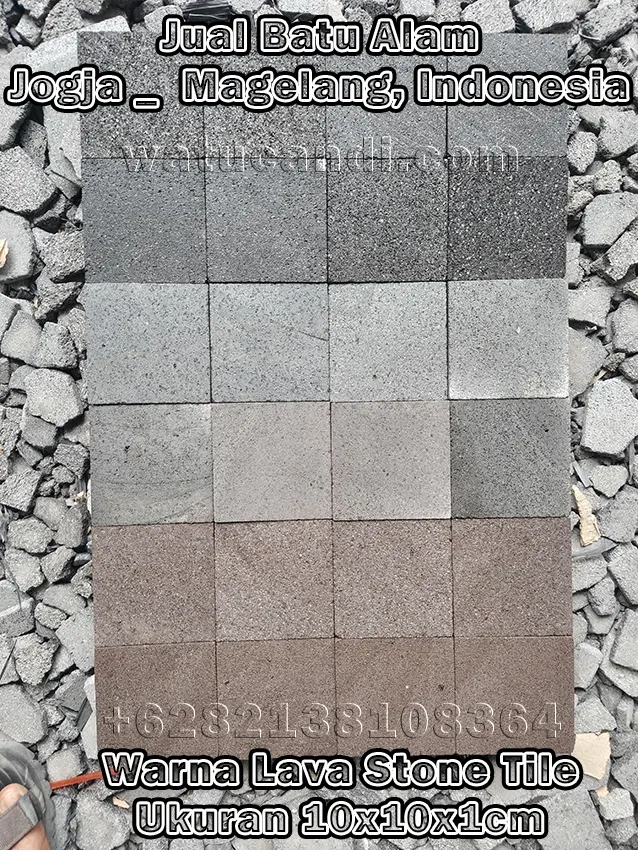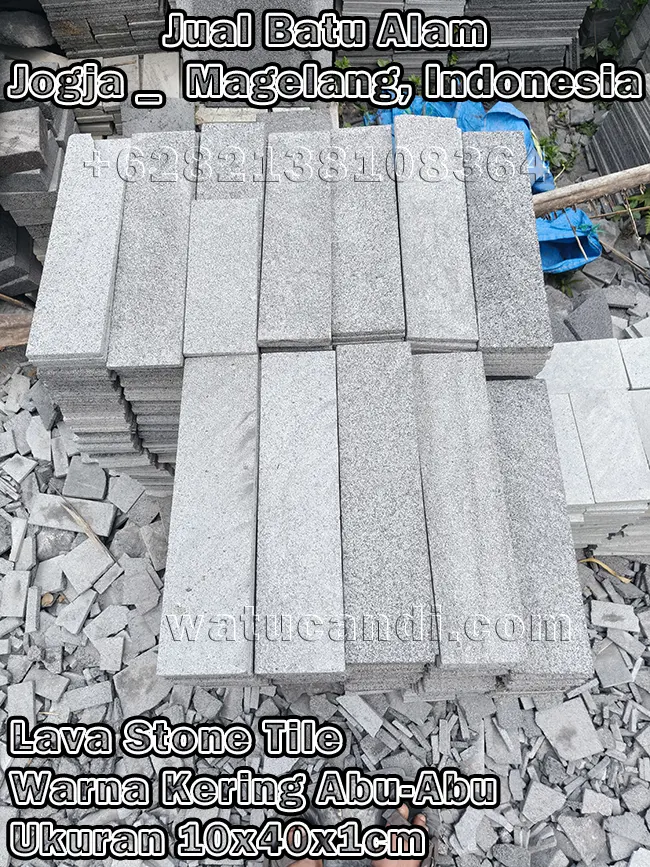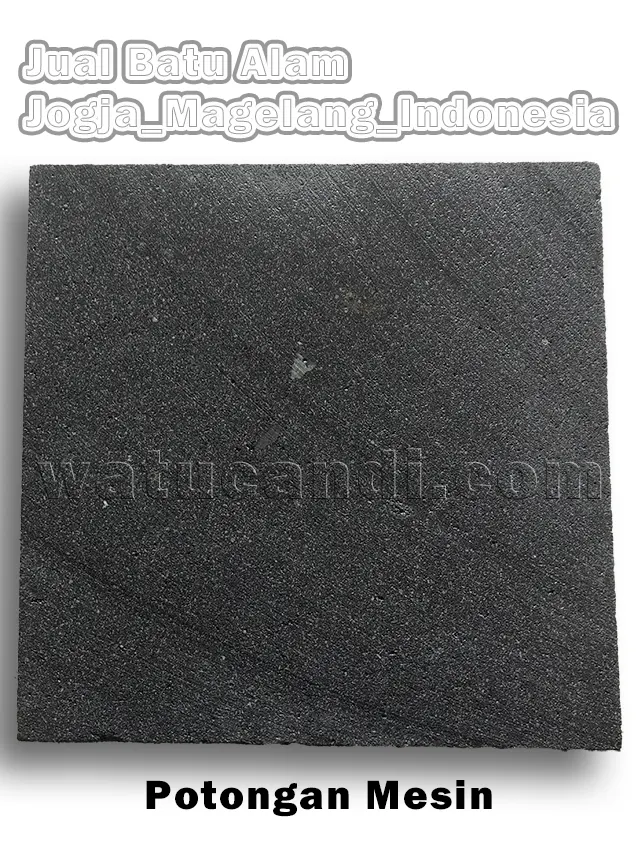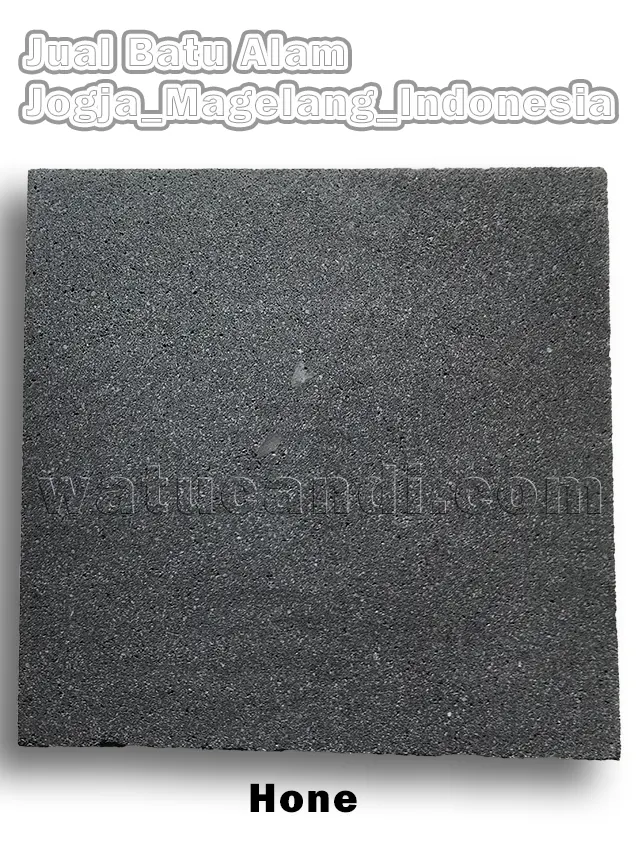
Indonesian Black Slab Natural Stone is increasingly capturing the attention of architects, contractors, and homeowners. This natural material presents a perfect blend of masculine, exclusive, and organic aesthetics that factory-made materials find hard to imitate. Thanks to its robust and weather-resistant characteristics, this stone is the top choice as wall cladding and outdoor flooring for various projects, ranging from private residences to villas, resorts, and commercial areas.
Table of Contents
- Introduction: Why Black Slab Natural Stone?
- Getting to Know Black Slab Natural Stone: Definition, Origin, and Characteristics
- Unmatched Uniqueness in Shape and Texture
- Tracing the Traditional Mining Process
- The Secret of Color: A Blend of Deep Black and Warm Tones
- Geological Classification and Rugged Physical Character
- Best Applications for Outdoor Walls and Floors
- Design Inspiration and Added Property Value
- Understanding Price and Product Variations
- Proper and Safe Installation Guide
- Simple Maintenance Tips for Long-Lasting Beauty
- Testimonials and Real-World Project Case Studies
- Why Choose Black Slab Natural Stone from Us?
- Frequently Asked Questions (FAQ) About Black Slab Natural Stone
- Conclusion: A Long-Term Investment for a Characterful Home
Introduction: Why Black Slab Natural Stone?
In the world of modern design and construction, there is a major shift towards using natural materials that are not only beautiful but also eco-friendly and sustainable. One material that is on the rise and becoming a favorite among professionals is Black Slab Natural Stone. Unlike precision machine-cut stone, this material is mined directly from nature with minimal human intervention, so each piece possesses a unique character that cannot be replicated. This article will thoroughly explore everything about black slab natural stone, from its geological formation process, mining methods, aesthetic and functional advantages, to installation and maintenance tips. By understanding the ins and outs of this material, you will be able to make informed decisions for your residential or commercial projects.
Indonesia, as a country with extraordinary geological wealth, has high-quality deposits of black slab stone. Regions such as Central Java, Yogyakarta, and several areas in Sumatra and Sulawesi are the main sources of this material. This stone has been used since ancient times for temples and traditional structures, and is now regaining its place in contemporary architecture. Its superiority lies not only in its masculine and exclusive appearance but also in its remarkable physical properties: resistance to extreme weather, natural slip resistance, and the ability to significantly increase property value.
Getting to Know Black Slab Natural Stone: Definition, Origin, and Characteristics
Black Slab Natural Stone is a natural material formed from volcanic processes millions of years ago. It belongs to the igneous rock family, formed from magma or lava that cooled and solidified beneath or on the earth’s surface. The slow cooling process produces dense, strong mineral crystals, creating a stone with high density and low porosity. This underpins the durability and strength of the material.
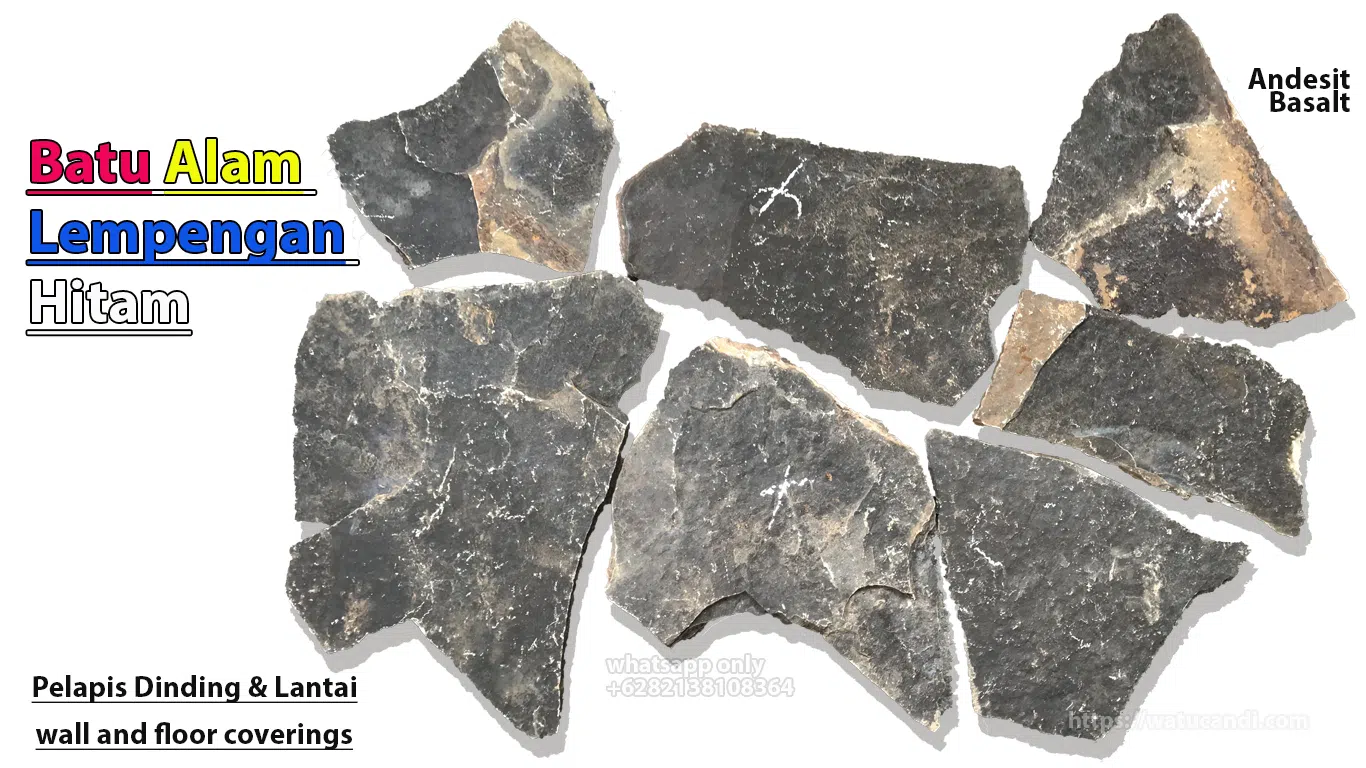
Specifically, this stone is often identified as andesite, basalt, or even granite, depending on the mineral composition and acidity level of the original magma. Andesite and basalt are the most commonly found in Indonesia. Both have a dark base color, although basalt tends to be deeper black, while andesite can have dark gray to black variations. However, in the natural stone trade context, the term “Black Slab Natural Stone” refers to material extracted in the form of natural flat slabs, not machine-sawn cuts.
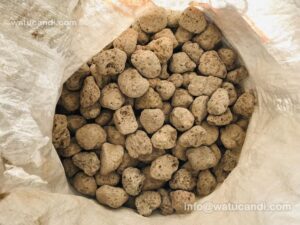
These slabs are formed naturally through the weathering and exfoliation of the parent rock. Rainwater, temperature changes, and biological activity over thousands of years cause large rocks to crack and split into flat sheets. This natural process produces irregular shapes, varying thicknesses, and a distinctive surface texture.
Unmatched Uniqueness in Shape and Texture
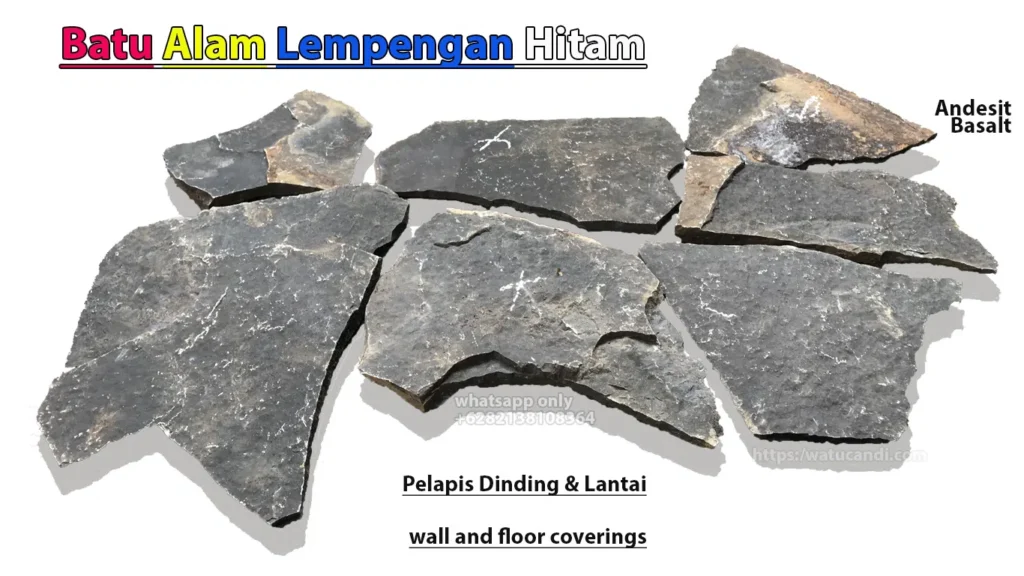
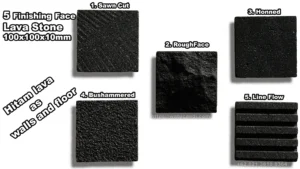
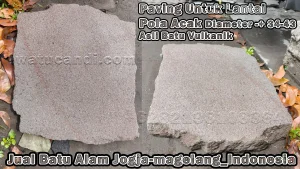
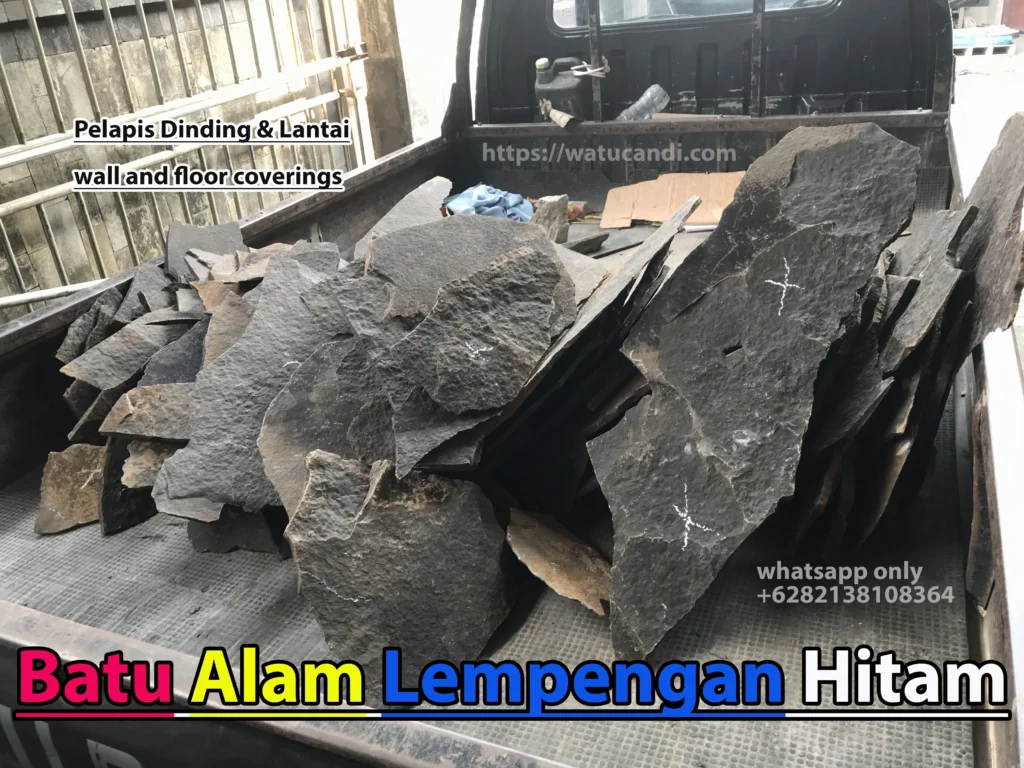
Very different from uniform machine-cut stone, Black Slab Natural Stone (Genuine Slabs from Nature) comes in a natural flat shape with a rough texture. Each slab has a thickness varying between 0.3 cm and 3 cm. This irregularity is precisely its main selling point. When installed, these dimensional variations create a natural mosaic pattern that is lively, artistic, and never monotonous. Its dense yet rough surface provides natural grip, making it safe as a stepping stone even when wet.
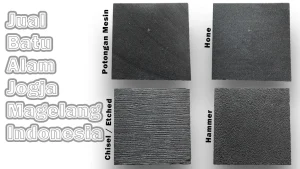
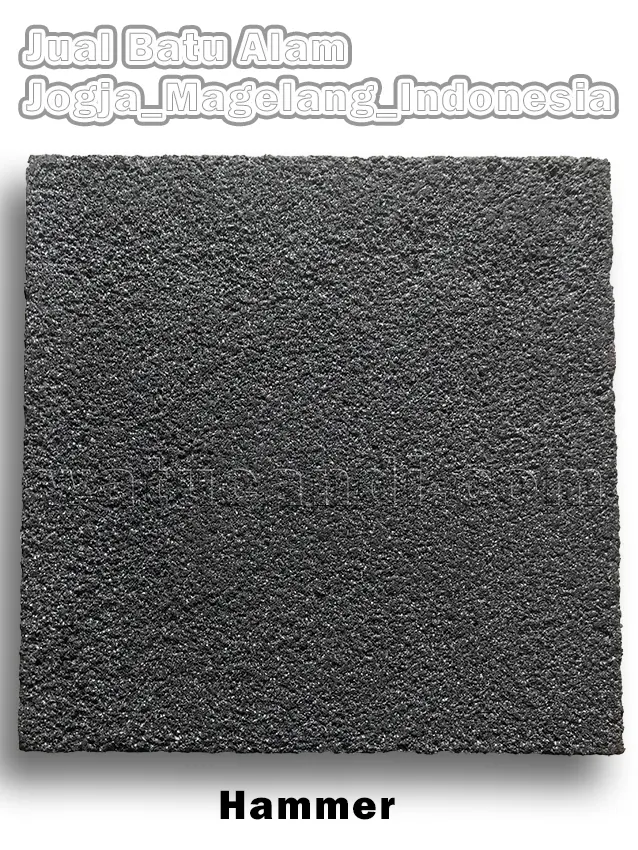
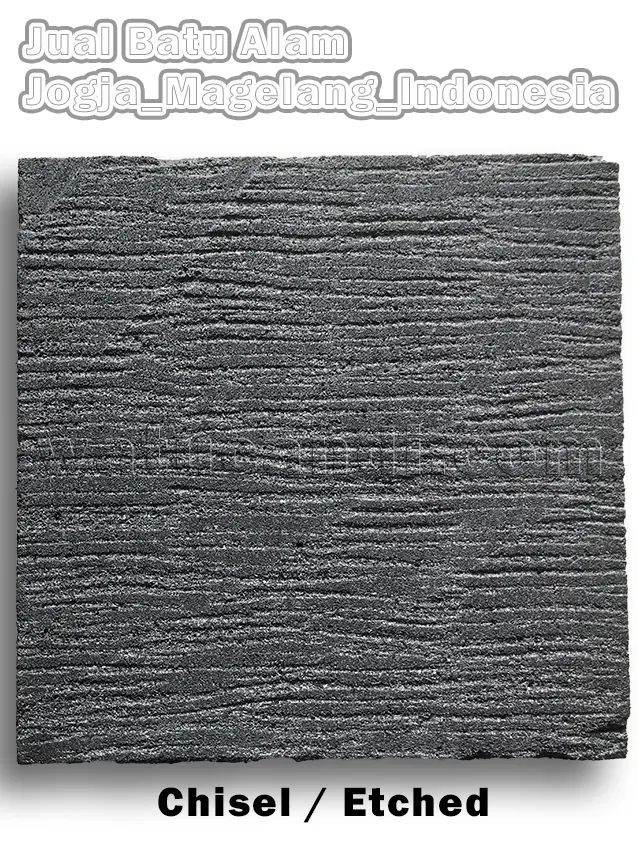
The surface texture of slab stone varies greatly, from relatively flat with slight bumps to wavy and rough like an orange peel. Some also display natural lines or fine cracks that add visual depth. This uniqueness ensures that a wall or floor clad in black slabs never becomes boring. Every viewpoint offers different details, creating a dynamic spatial experience.
Functionally, this rough texture is highly advantageous for outdoor areas. Its surface provides natural friction that prevents slipping, even during heavy rain. That is why this material is often chosen for pool edges, garden paths, and outdoor stairs. Safety and aesthetics go hand in hand without compromise.
Tracing the Traditional Mining Process
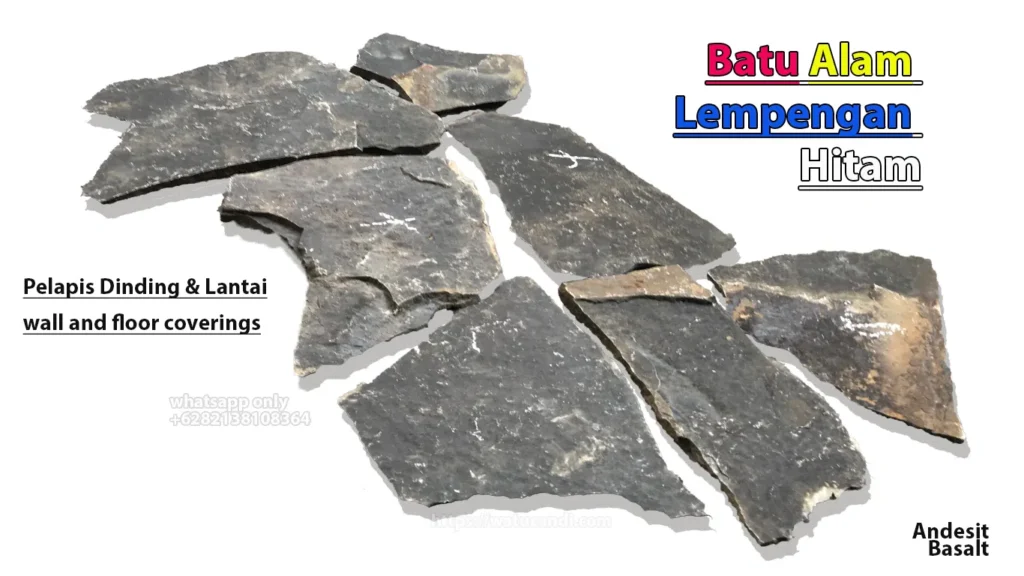
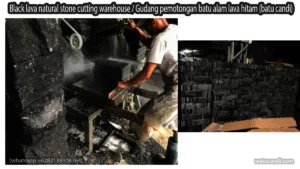
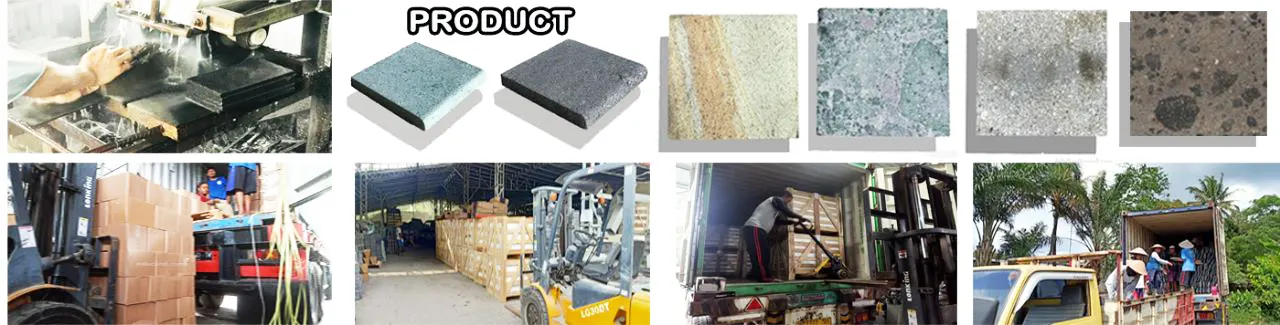
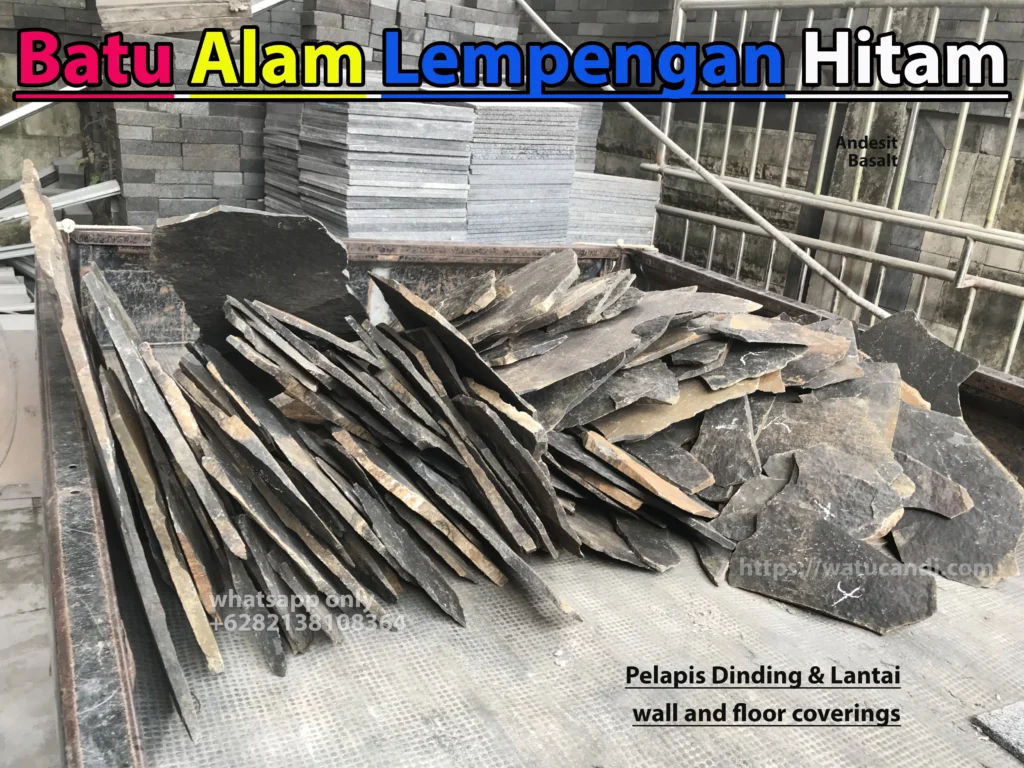
Miners extract this material directly from mountain slopes in Indonesia. At the quarry site, the stone appears as a whole, compact, and solid mass. Using traditional tools such as crowbars, hammers, and wedges, they split the mass into flat slabs without massive cutting processes. This low-machine-intervention mining method preserves the authenticity of the stone’s structure. As a result, every piece that reaches your hands is truly unique and irreplaceable. More than just a building material, you are bringing home an authentic piece of geological history.
This traditional mining process is not only about preserving natural character but also relates to environmental sustainability. By not using heavy machinery on a massive scale, the impact on the surrounding ecosystem can be minimized. Moreover, this method empowers local communities who have inherited stone mining skills for generations. Each slab produced is the fruit of meticulous handcraft, not merely a machine output.
After extraction, these slabs are sorted by size, thickness, and color. This manual sorting process ensures that only the best quality material is shipped to consumers. Stones that are too brittle or have large cracks are discarded. Thus, you receive a product that is not only beautiful but also strong and durable.
The Secret of Color: A Blend of Deep Black and Warm Tones
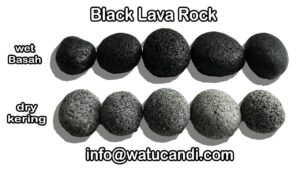
Although people call it “Black Slab Natural Stone,” you will often find splashes of yellow, brown, or caramel on its outer surface. These warm colors are not product defects but evidence of the stone’s interaction with nature over thousands of years. Mineral deposits and rainwater seeping through natural crevices before the stone was mined created this natural patina. Meanwhile, the stone’s core retains a solid dark color. Once installed and exposed to tropical weather, this layer of warm color will provide an increasingly rich visual dimension and blend perfectly with the surrounding environment.
This color variation actually adds aesthetic value. Splashes of rust, gold, or brown provide a warm character that contrasts with the deep black, creating a natural play of colors that cannot be replicated by paint or synthetic coatings. For designers, this natural patina is an asset. They can use it to create visual transitions between indoor and outdoor areas, or as an accent on modern building facades dominated by glass and concrete. This uniqueness makes each project truly one of a kind.
However, some consumers desire a uniform black appearance. For this, suppliers usually offer stones with strict color selection, minimizing slabs with other color splashes. Of course, this will affect the price due to the more rigorous sorting process. Whatever your choice, whether naturally colorful or uniformly black, both offer authentic beauty.
Geological Classification and Rugged Physical Character
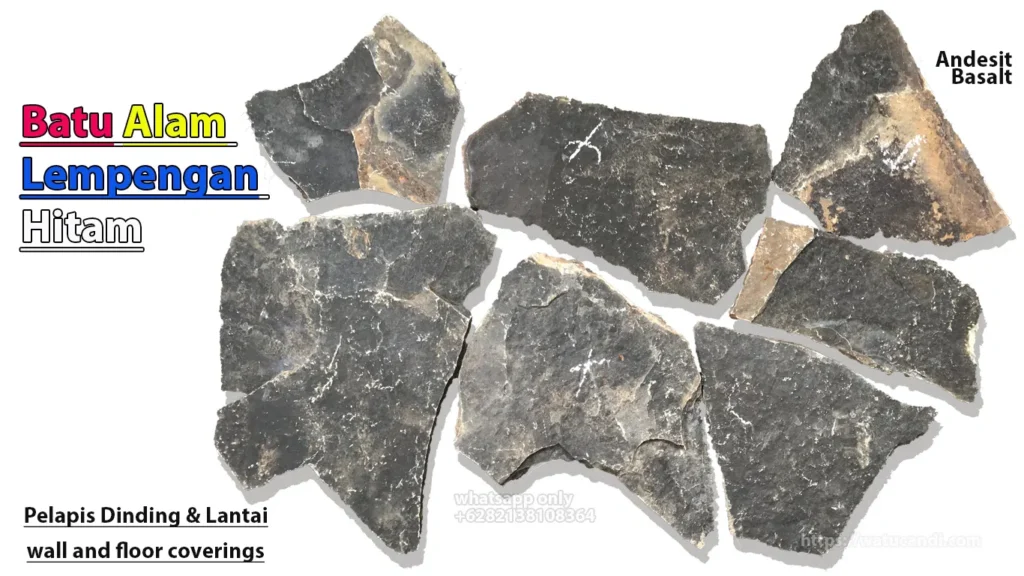
Based on observation of pore density levels, geologists generally classify this Black Slab Natural Stone into the igneous rock family, such as andesite, basalt, or granite. Some sources even specifically call it basaltic stone. Whatever the exact classification, this material inherits all the advantages of igneous rock. It has very tight pores, low water absorption capability, and high load-bearing capacity. Moreover, its non-slip nature even when the surface is relatively flat makes this stone very safe for areas that are often wet or heavily trafficked.
Laboratory tests show that andesite and basalt have very high compressive strength, ranging from 100 to 300 MPa, far above ordinary concrete. This allows it to withstand heavy loads without cracking. Additionally, low porosity (usually less than 1%) ensures that water will not seep in and cause damage from freeze-thaw cycles (though less relevant in Indonesia, it’s important for exports). Fire resistance and heat resistance are also added values, especially for areas around outdoor fireplaces or barbecue pits.
Another advantage is color stability. Unlike artificial stone or concrete that can fade, this natural stone maintains its color for decades despite continuous UV exposure. This makes it an ideal choice for building facades that want to maintain a new look over the long term. With minimal maintenance, this stone will actually develop a natural patina that becomes increasingly attractive with age.
Best Applications for Outdoor Walls and Floors
In the world of design and construction, Black Slab Natural Stone has two equally vital main functions, namely:
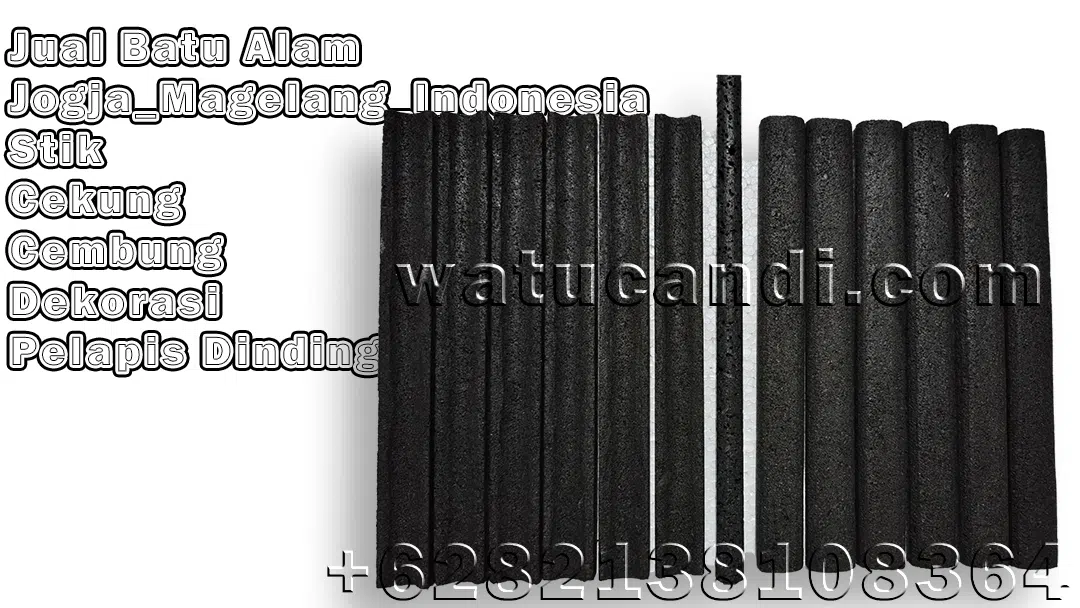
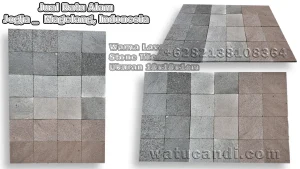
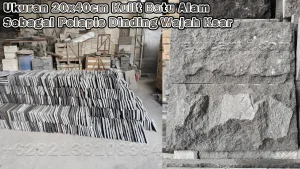
- Wall Covering: You can use it to create dramatic texture on building facades, fences, pillars, or interior walls with an industrial or modern tropical style. Random installation produces a stunning natural mosaic effect and becomes the focal point of the room.
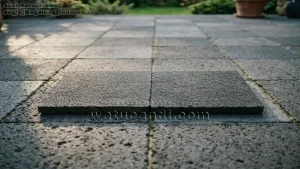
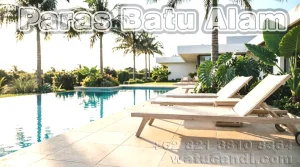
- Outdoor Flooring (Floor Covering): This material is ideal for outdoor areas. For example, you can apply it as cool poolside flooring under the blazing sun, stepping stones in the garden, aesthetic pathways, pedestrian areas, or stepping stones over a fish pond.
Additionally, its resistance to moss and extreme weather changes makes this material a long-term investment. You won’t need to worry about mold growth or damage from the typical wet-dry cycles of tropical climates. However, it should be noted that in very humid and shaded areas, moss can still grow on the stone surface. This is often actually desired to create a natural and antique feel. If you wish to prevent it, simply do light periodic cleaning.
Applications on interior walls are also increasingly popular, especially for creating accent walls in living rooms, bedrooms, or commercial areas like restaurants and cafes. The rough texture and dark color provide a perfect backdrop for light-colored furniture or decorative elements. Proper lighting, such as spotlights from below or the side, will highlight the stone’s dimension and texture, creating a warm yet luxurious atmosphere.
Design Inspiration and Added Property Value
Choosing Black Slab Natural Stone for your project is tantamount to significantly increasing property value. A facade with a natural texture immediately elevates the impression of luxury and exclusivity. Meanwhile, landscape areas clad with this stone offer a soothing visual experience and touch of nature. For example, combining black stone with tropical green plants and wooden elements creates a contrast harmony that is very Instagrammable. It’s no wonder many upscale property developers and professional landscape designers often make this material their top choice.
The design styles that can be explored with black slab stone are diverse. For a modern tropical style, pair this stone with broad-leafed plants, ulin wood, and minimalist pools. For an industrial style, combine it with black steel frames, glass, and exposed concrete. Meanwhile, for a rustic or farmhouse style, black slab stone can serve as a backdrop for a fireplace or accent wall in the family room. This flexibility makes it popular among various groups, from interior designers to garden hobbyists.
From an investment perspective, the use of premium natural materials like black slab stone has been proven to increase property resale value. Prospective buyers tend to appreciate homes that use high-quality, durable materials. A unique facade that stands out from other houses in the neighborhood also becomes a special attraction. Therefore, although the initial cost may be higher than regular paint or ceramic, the long-term benefits are well worth it.
Understanding Price and Product Variations
The price of Black Slab Natural Stone varies greatly depending on several factors. First, slab size: whether you need large or small random sizes. Second, shape: whether you want natural irregular random slabs, or precision square cuts made with special machines. Third, the level of color and thickness selection. Suppliers, collectors, or dropshippers usually have their own pricing calculations based on these factors. Therefore, the smart step you need to take is to consult directly with a trusted source and explain your project needs in detail.
Generally, the price of slab stone is calculated per square meter or per kilogram, depending on the mining area’s custom. Larger stones with uniform thickness are usually priced higher due to their rarity. Meanwhile, stones with minimal color variation (plain black) also have a premium price due to a stricter selection process. However, do not be fooled by unreasonably cheap prices, as the material could be of low quality, easily breakable, or come from illegal mining that harms the environment. Ensure you buy from reputable official suppliers.
Besides material costs, also consider shipping expenses. Natural stone is quite heavy, so shipping fees can be a significant component, especially for projects outside the island. Some suppliers offer package deals that include shipping to certain regions. Do not hesitate to request a complete quotation before making a purchase decision.
Proper and Safe Installation Guide
Installing black slab natural stone requires special techniques to achieve optimal and long-lasting results. Here are the recommended steps:
- Substrate Preparation: Ensure the base wall or floor is clean, level, and strong. For walls, use perfectly cured plaster. For floors, ensure a compacted sub-base layer and sufficient slope (1-2%) for drainage.
- Adhesive: Use special thinbed mortar for natural stone with high bonding strength. Avoid ordinary cement as its adhesion is insufficient for low-porosity, heavy stone.
- Installation: For walls, start from the bottom and arrange slabs one by one. Combine large and small slabs randomly to achieve a natural mosaic pattern. Leave grout joints of about 1–2 cm to allow movement and aesthetics. For floors, slabs can be laid directly on a sufficiently thick mortar bed, then compacted.
- Grouting: After the adhesive dries, fill the joints with a matching colored grout (black or dark gray) to reinforce the natural look. Use flexible grout for outdoor areas.
- Coating (Optional): If desired, apply a natural stone sealer or coating to provide a wet-look effect and extra protection against stains.
It is recommended to use experienced tilers in natural stone installation, as the non-uniform nature of the material requires skill in arrangement to maintain balanced visual composition. Installation errors can cause cracking or detachment of stones later on.
Simple Maintenance Tips for Long-Lasting Beauty
To keep the beauty of Black Slab Natural Stone optimal in the long run, you only need to apply simple maintenance. First, clean the surface regularly with clean water and a soft brush to remove dust or dirt. Second, avoid using harsh chemicals that can damage the stone’s natural patina. If you desire a more glossy look along with extra protection, apply a special natural stone coating thinly and evenly. With proper care, this material will continue to beautify your home without losing its charm.
For outdoor areas, cleaning with a low-pressure pressure washer can be done once a year to remove moss or stubborn dirt. However, be careful not to erode the stone surface or damage the grout. If moss is desired for an antique effect, just let it grow naturally. On interior walls, simply wipe periodically with a damp cloth to remove dust.
Testimonials and Real-World Project Case Studies
Many prestigious projects have proven the superiority of black slab natural stone. One of them is Villa Oasis in Ubud, Bali, which used this material for all facades and exterior walls. The owner, a renowned interior designer, admitted to being very satisfied with the result. “This stone provides a character that cannot be obtained from artificial materials. Every guest always praises its natural texture and color,” he said. This project was featured in several international design magazines thanks to its unique appearance.
Another example is a restaurant in South Jakarta that adopts an urban jungle concept. Its walls are clad with black slab stone, combined with hanging plants and dramatic lighting. As a result, the restaurant atmosphere became very Instagrammable and always crowded with visitors. The restaurant owner acknowledged that the substantial initial investment was paid off by increased revenue as many customers came specifically to take photos.
On a residential scale, many homeowners use this stone for fences and carports. Besides providing visual privacy, the natural stone appearance immediately enhances the property’s curb appeal. Some real estate agents even mention that homes with natural stone facades tend to sell faster at better prices.
Why Choose Black Slab Natural Stone from Us?
We are a producer and supplier of Indonesian Black Slab Natural Stone ready to support your project needs, both small and large scale. Our extensive experience in mining and supplying materials directly from the source allows us to offer high-quality products at competitive prices. Furthermore, we can also provide free consultation on estimated needs, installation patterns, and appropriate maintenance.
Advantages of choosing us:
- Materials directly from the quarry: No middlemen, more transparent prices.
- Abundant stock: We have a large production capacity so we can even meet large-scale projects.
- Guaranteed quality: Each batch undergoes strict sorting to ensure only the best stones are shipped.
- Free consultation: Our expert team is ready to assist with your project planning.
Frequently Asked Questions (FAQ) About Black Slab Natural Stone
1. Is black slab stone suitable for indoor areas?
Yes, very suitable. Its texture and color give a strong character to the room. However, note that its rough surface may be less comfortable for frequently barefoot floors. Therefore, for indoors, it is more recommended as an accent wall cladding.
2. How about maintenance in areas frequently exposed to water?
This stone has low porosity so water does not easily seep in. However, in constantly wet areas, it is advisable to apply a sealer to prevent moss growth. Regular cleaning with a soft brush is sufficient.
3. Can this stone be cut or shaped as needed?
Yes, slab stone can be cut using a stone cutter to adjust sizes or form angles. However, this process should preferably be done by professionals because natural stone tends to be harder than ceramic.
4. How long does black slab stone last?
With correct installation and maintenance, this natural stone can last decades, even longer. Some ancient temple buildings using similar stone still stand strong today.
Conclusion: A Long-Term Investment for a Characterful Home
Black Slab Natural Stone is the right choice for anyone longing for a home with strong, natural, and timeless character. From the uniqueness of shape and color to its physical toughness, this material offers value far beyond its purchase price. By understanding the details outlined above, you are now well-equipped to start a project using this premium natural stone.
For a clearer visual overview, watch our detailed product video below:
Don’t wait any longer!
Make your project special and high-value with the natural touch of Indonesian Black Slab Natural Stone. Immediately convey your specific needs via WhatsApp at: +62 821 3810 8364
We are ready to help you create extraordinary, authentic, durable, and characterful spaces.
Tags: black slab natural stone, Indonesian black slab, natural stone slabs, black slab stone, black basalt stone, black andesite stone, natural wall cladding, outdoor flooring, natural stone for garden, poolside flooring, garden stepping stone, stepping stones, natural stepping stone, natural stone pedestrian, natural wall covering, outdoor floor covering, Indonesian natural stone, natural stone producer, natural stone supplier, black slab natural stone price, buy black slab stone, wall slab stone installation, black natural stone wall inspiration, outdoor non-slip natural stone, watucandi,