
Classic temple stone beauty meets modern machine precision. Discover everything about semi-carved lava stone tiles: characteristics, advantages, installation, maintenance, design inspiration, pricing, and ordering.
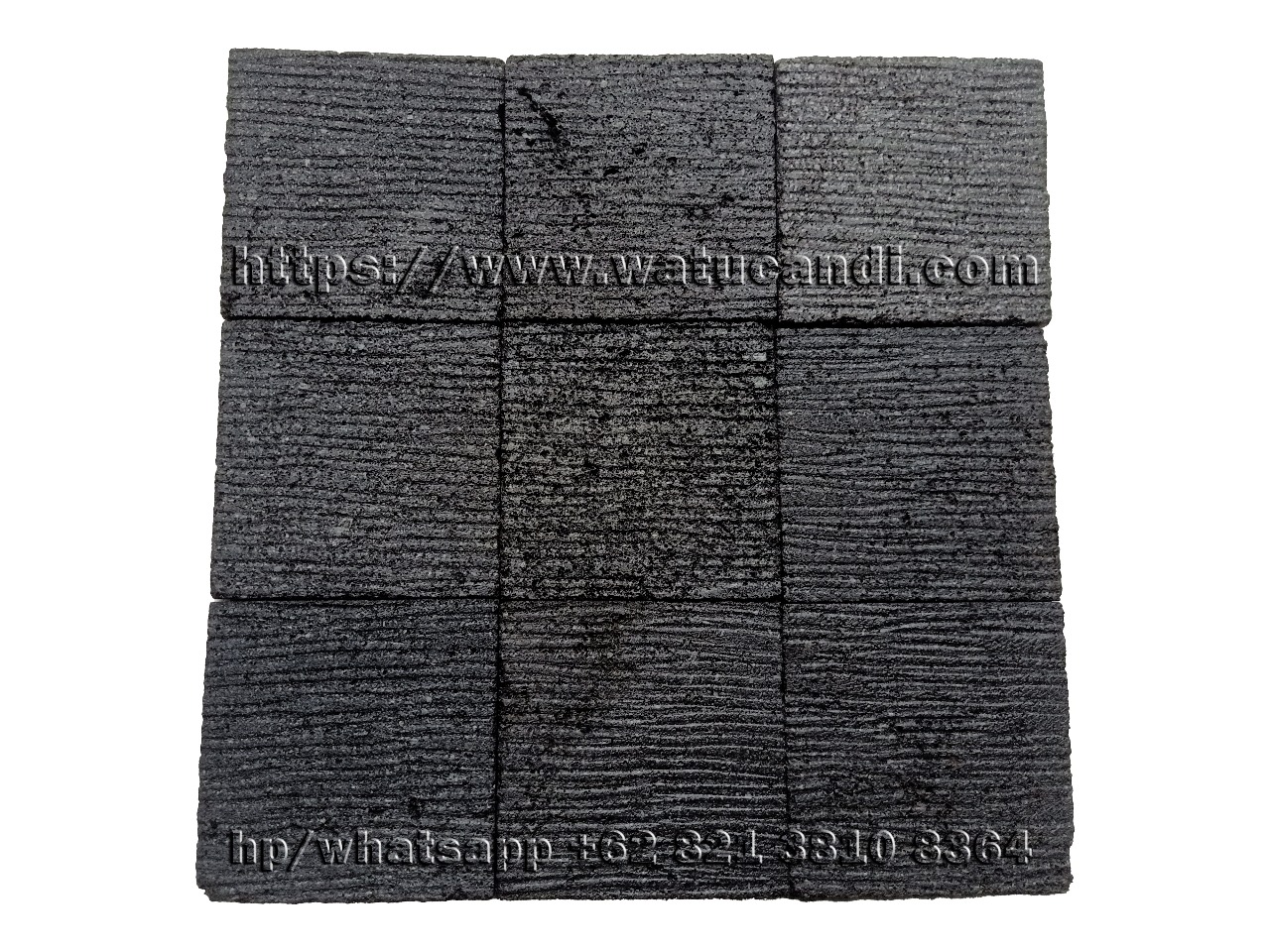
Table of Contents
- Getting to Know Lava Stone Semi-Carved: Definition and Material Origin
- Visual Characteristics and Unique Texture of Semi-Carved Stone
- Differences Between Lava Stone Semi-Carved and Traditional Hand-Carved Temple Stone
- Dimensions, Thickness, and Finishing Options
- Advantages of Lava Stone Semi-Carved Tiles
- Applications: Where Can These Tiles Be Installed?
- Installation Guide for Lava Stone Semi-Carved Tiles
- Long-Term Care and Protection
- Design Inspiration and Color Combinations
- Comparison with Other Natural Stone Materials
- Price, Cost Factors, and How to Order
- Frequently Asked Questions (FAQ)
- Conclusion
1. Getting to Know Lava Stone Semi Carved: Definition and Material Origin
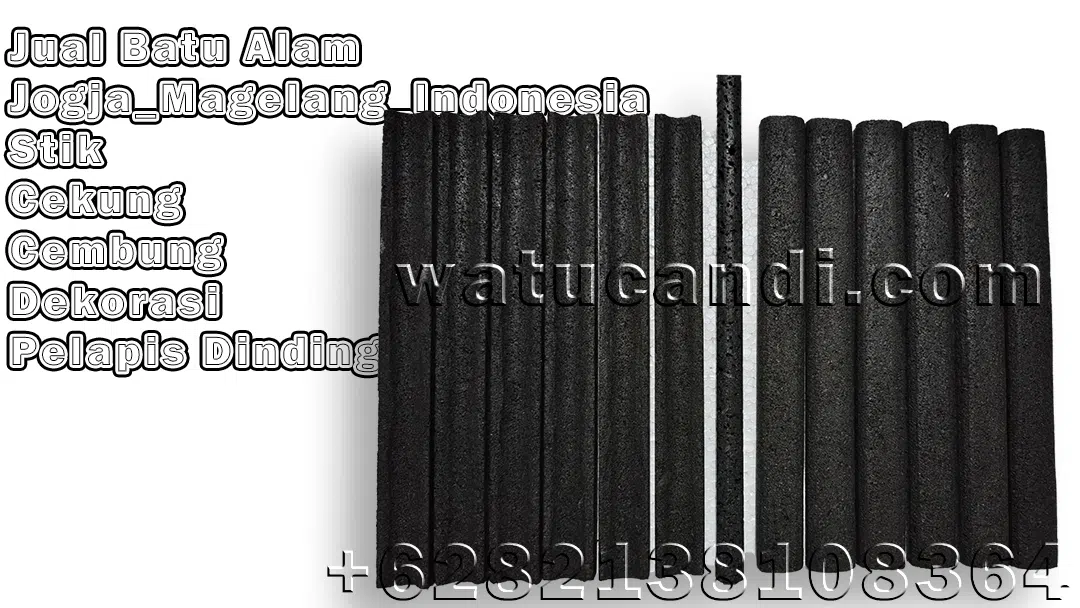
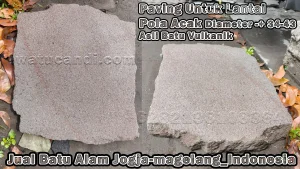
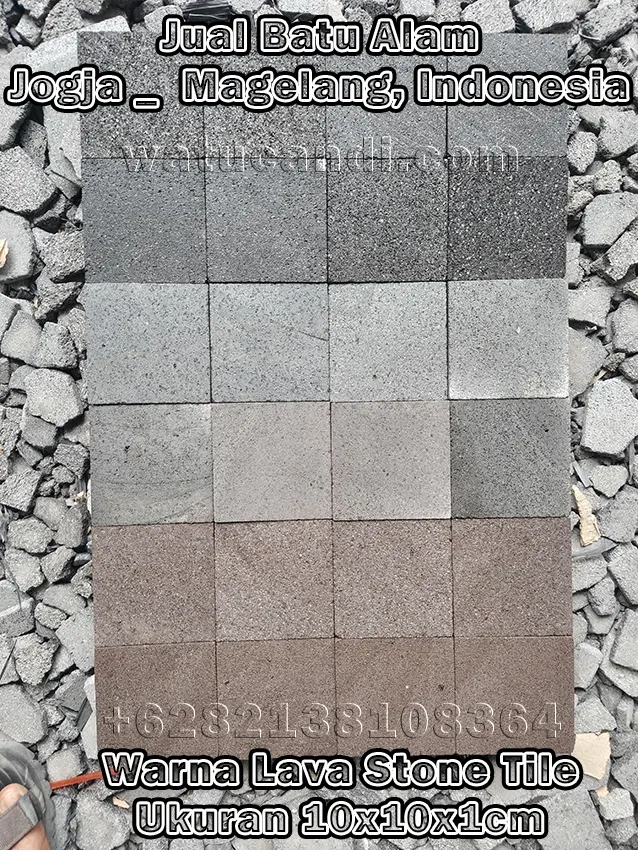
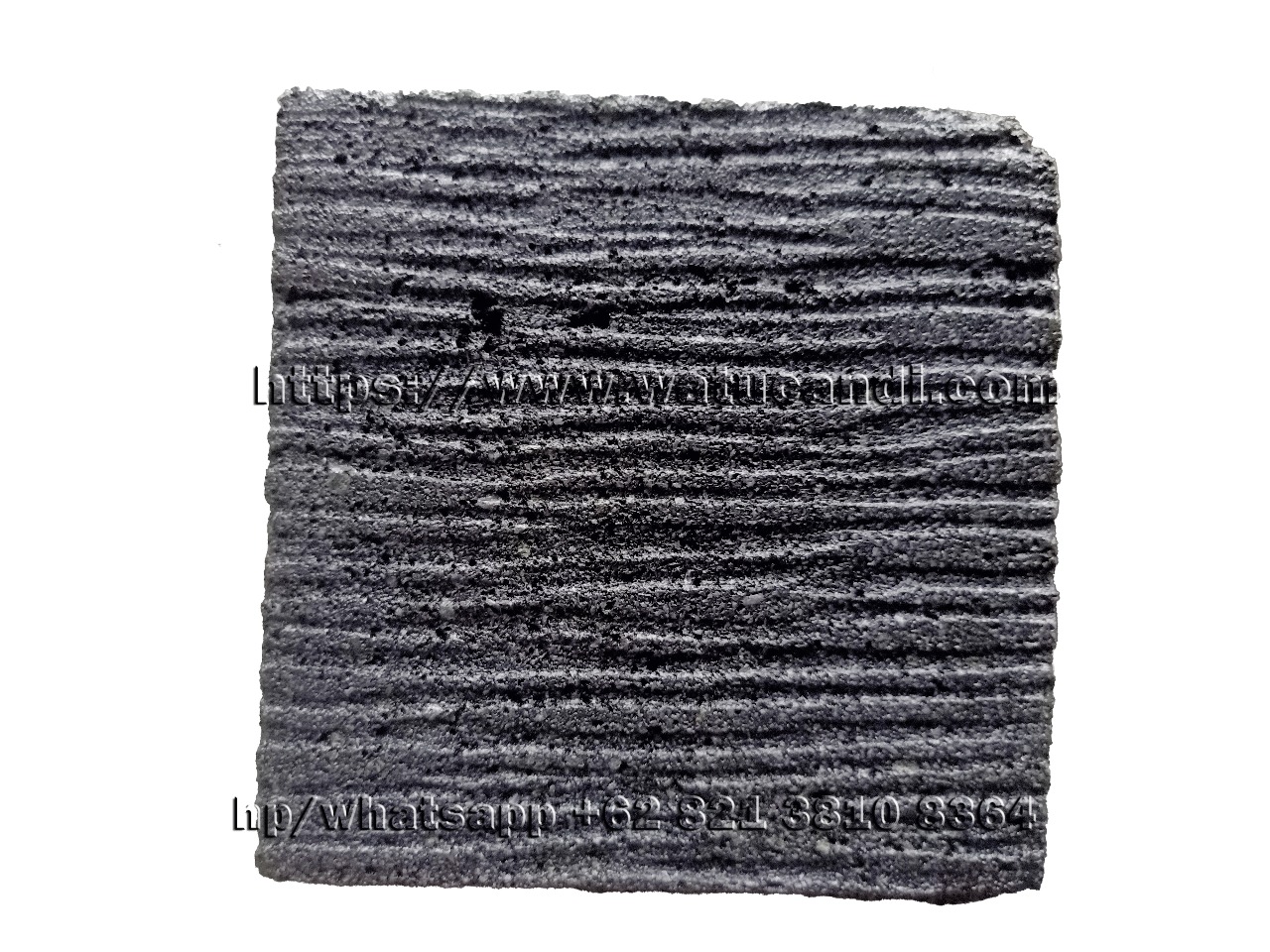
Lava stone semi-carved is a type of natural stone tile derived from the lava deposits of Mount Merapi, better known as temple stone (batu candi). This material has been used since ancient kingdoms to build magnificent temples, thanks to its outstanding strength and distinctive dark gray color. Today, temple stone is processed into modern tiles with a decorative touch in the form of semi-carved line engravings made using high-precision machines.
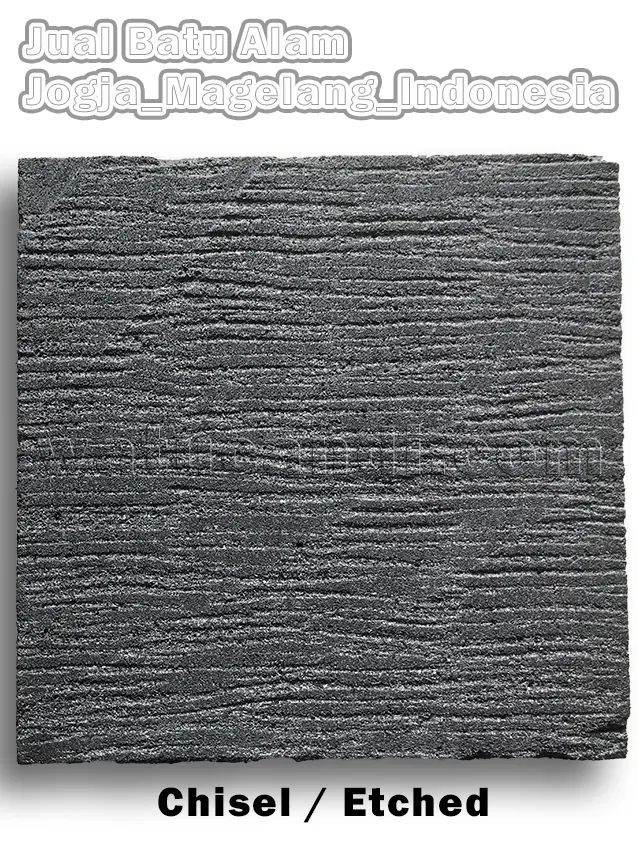
Unlike manual carving done entirely by artisans’ hands, the semi-carved technique produces irregular elongated line motifs in terms of spacing, depth, and length yet remains neat and flat on the surface. The final result is a stone tile that mimics the aesthetic of traditional carving but with better size consistency and flatness. This makes lava stone semi-carved an ideal choice for those wanting a classic temple-like ambiance without abandoning the practicality of modern construction.
This product is widely known among architects, interior designers, and contractors as a wall and floor cladding solution that combines historical value, stone carving art, and contemporary manufacturing technology. Watucandi.com, as a trusted temple natural stone provider, offers various sizes and semi-carved finishes that can be tailored to residential, commercial, and hospitality project needs.
2. Visual Characteristics and Unique Texture of Semi-Carved Stone
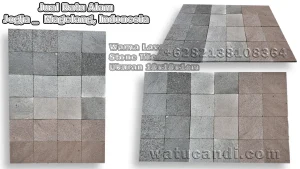
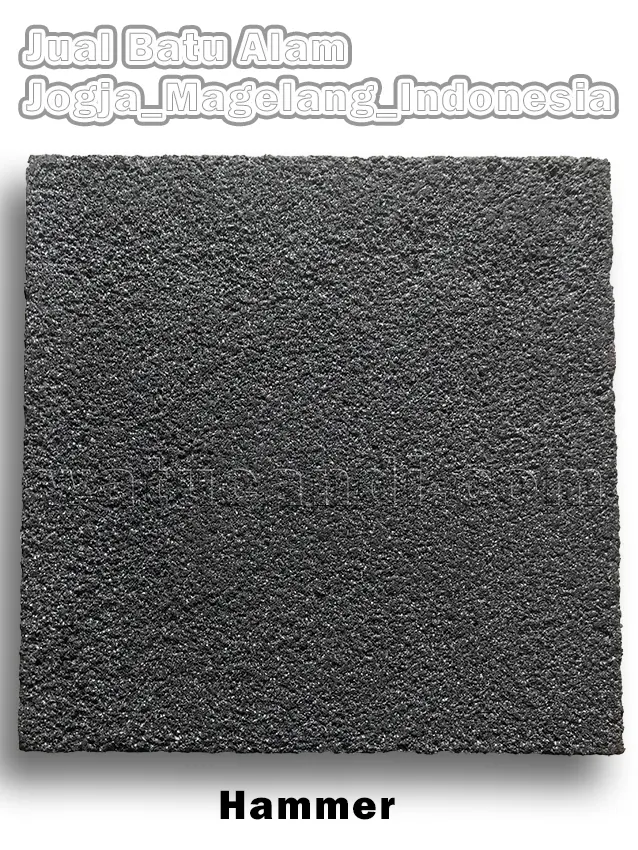
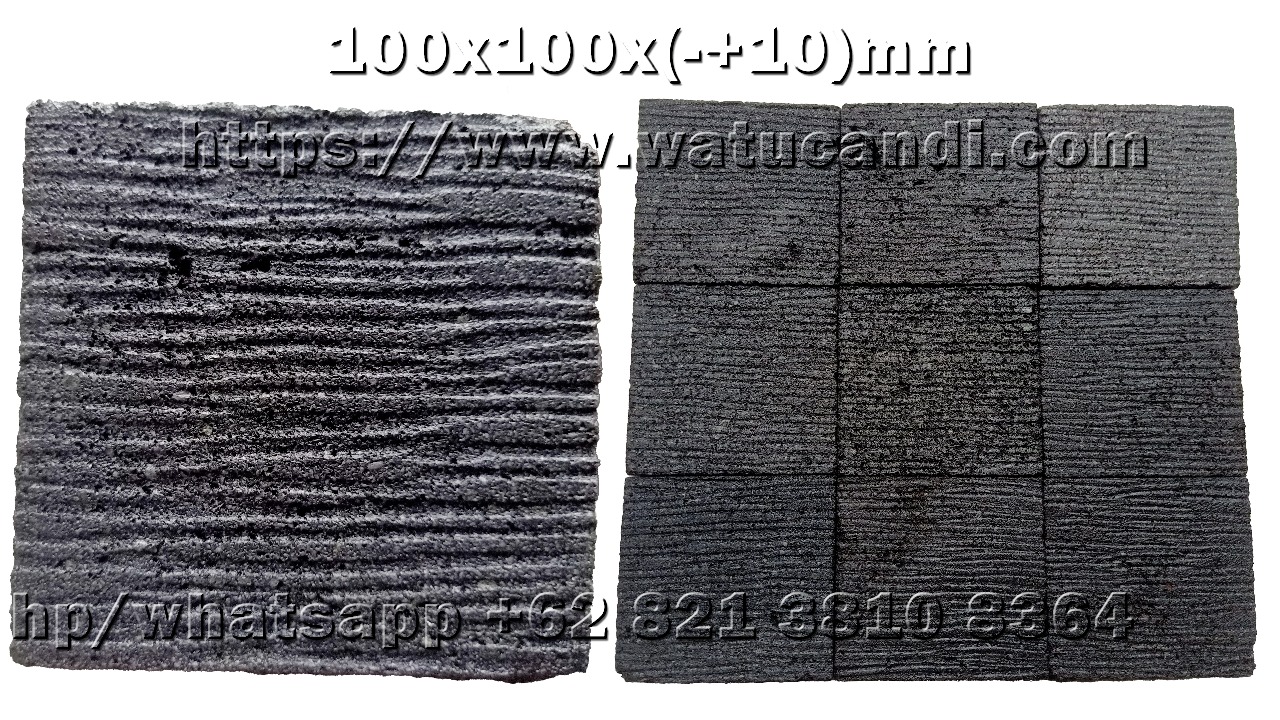
One glance at a lava stone semi-carved tile will instantly remind you of ancient temple floors and walls. The base color of the stone is natural blackish gray that sometimes has a slight gradation towards charcoal or brownish gray, depending on the quarry block and natural oxidation process. This tone is born from the dense, homogeneous mineral composition of solidified lava.
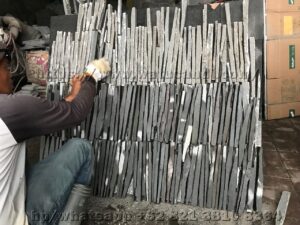
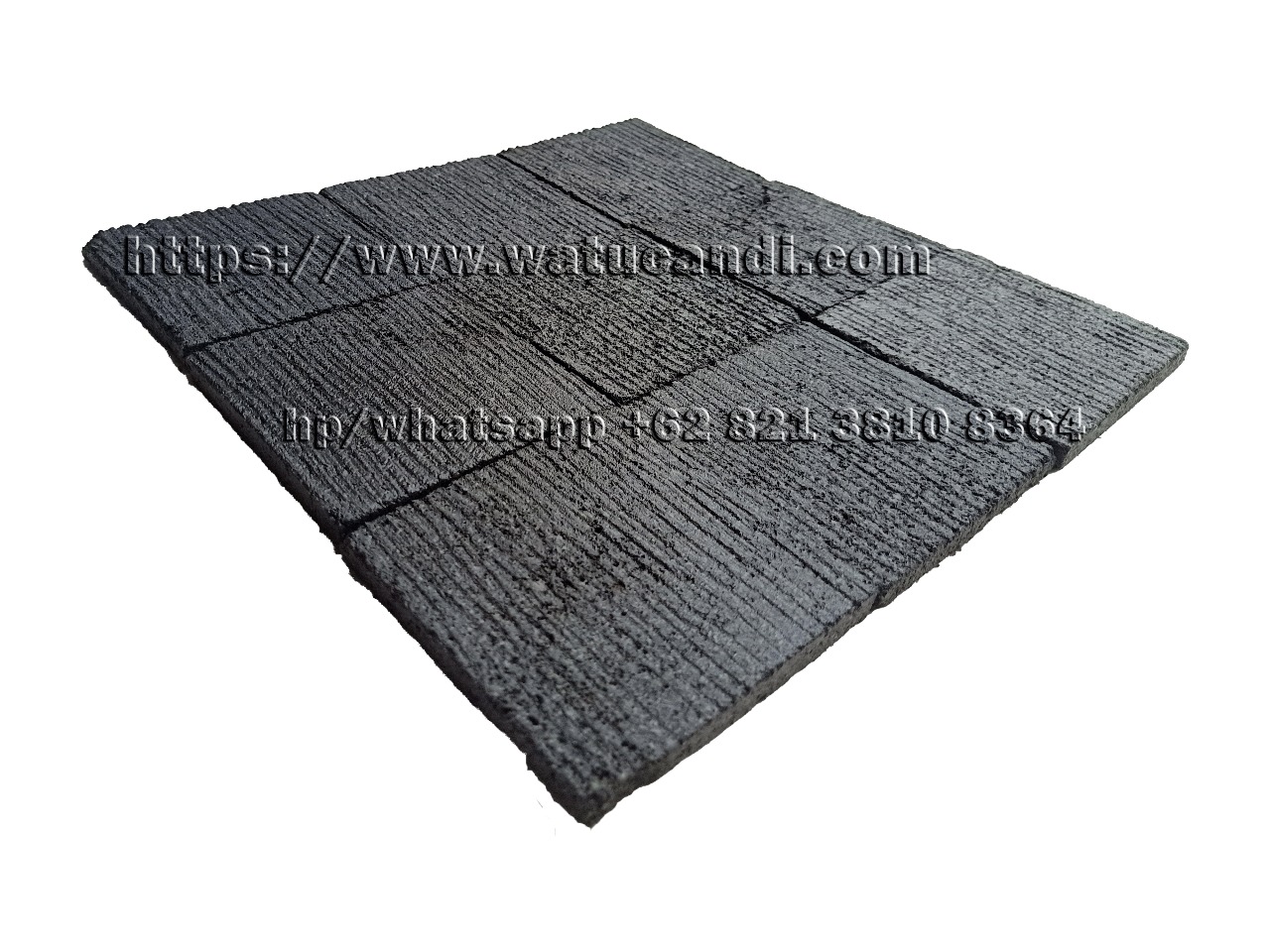
The semi-carved line motif is the main attraction. Each tile has elongated grooves worked by machine tools, creating a random yet aesthetic pattern. The lines do not penetrate the entire surface only a few millimeters thus retaining the stone’s structural strength. When installed in large numbers, the arrangement of lines creates an illusion of dynamic texture that enlivens the wall or floor.
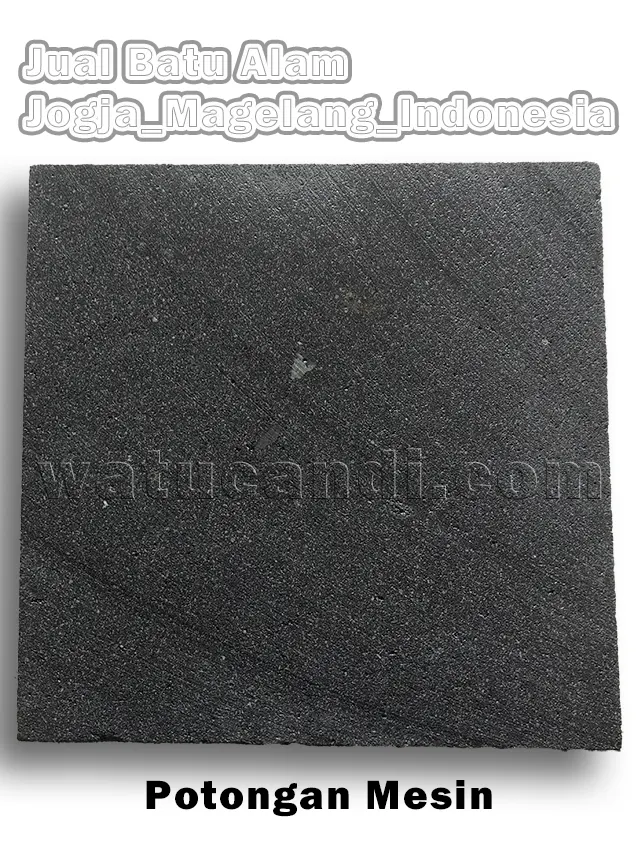
The tile surface after the semi carved process remains macro-level flat, making installation easier and producing a comfortable surface to walk on (for floor applications). The tile edges are cut with precision cutting machines (gang saw or circular saw) resulting in sharp right angles and uniform sizes. This is the fundamental difference from hand-carved stone which tends to have imperfect thickness and edge shapes.
Overall, the visual characteristics of lava stone semi carved can be summed up in three words: natural, masculine, and textured. It is highly suitable for those desiring rustic-industrial, tropical contemporary, or even Japandi concepts that prioritize natural materials with an artisanal touch.
3. Differences Between Lava Stone Semi-Carved and Traditional Hand-Carved Temple Stone
Although they appear similar, there are significant differences between lava stone semi-carved tiles and temple stone worked by manual/traditional carving. Here is a comparison table:
| Aspect | Lava Stone Semi-Carved | Traditional Hand-Carved Stone |
|---|---|---|
| Working Method | Using special engraving machine, random yet controlled pattern | Hand chiseling by artisans, each piece unique |
| Surface Flatness | Very flat, suitable for floors | Tends to be wavy, more suitable for decorative walls |
| Dimensional Precision | High; tolerance ±1 mm | Low; thickness and size can vary 5–10 mm |
| Production Efficiency | Mass and fast | Slow, depends on skill and number of artisans |
| Price | More affordable per square meter | More expensive due to labor intensity |
| Visual Impression | Semi-industrial artisanal | Very natural, strong “handmade” feel |
| Ease of Installation | Easy, due to precise and flat edges | Requires wider grout adjustment and extra leveling |
In other words, lava stone semi-carved is a bridge between tradition and modernity. You get the look of carved temple stone but with the practicality of factory made ready to install tiles. This is why this product is increasingly popular for large-scale projects such as hotels, restaurants, villas, and private residences.
4. Dimensions, Thickness, and Finishing Options
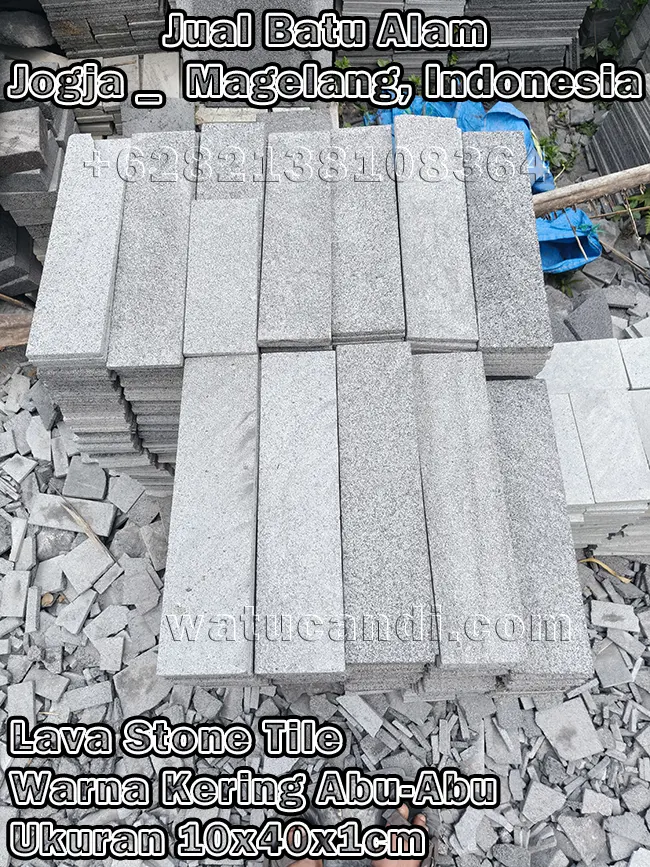
Size availability is very flexible. Based on Watucandi’s experience, some standard sizes frequently ordered include:
- 10×20 cm – thickness ±1.8–2 cm
- 10×30 cm – thickness ±1.8–2 cm
- 15×30 cm – thickness ±1.8–2 cm
- 20×20 cm – thickness ±1.8–2 cm
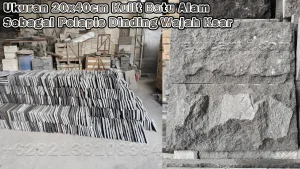
- 20×40 cm – thickness ±2–2.5 cm
- 30×30 cm – thickness ±2–2.5 cm
- 30×60 cm – thickness ±2.5–3 cm (usually for large floor areas)
- Custom sizes upon request
The thickness above is standard for wall and floor applications. For floors with high traffic loads such as commercial areas, a minimum thickness of 2.5 cm is recommended. Watucandi.com can adjust thickness according to project specifications.
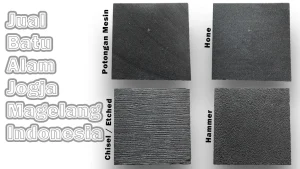
In addition to dimensions, available finishes include:
- Semi-Carved Natural (Unfilled) – the carved line surface is left natural without filler, giving a strong shadow accent. Suitable for accent walls.
- Semi-Carved Filled – voids and grooves are filled with matching or contrasting grout, then leveled. The result is smoother and easier to clean, recommended for floors.
- Semi-Carved Brushed – after engraving, the surface is brushed softly so the lines are gentler and sharp parts are reduced.
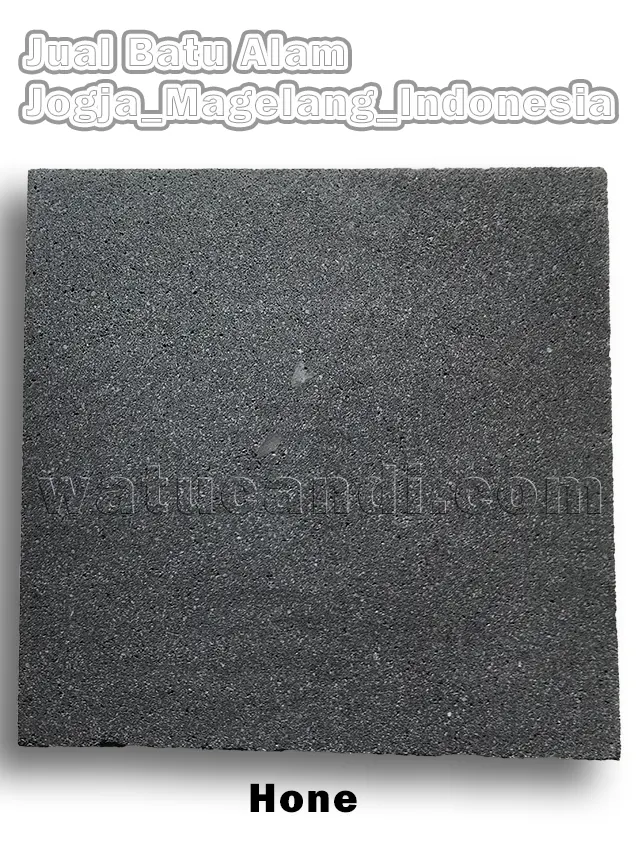
- Combination Flat & Carved – part of the tile surface is left naturally flat (flamed/honed) and another part is given a carved motif, creating more artistic geometric patterns.
Custom orders such as specific carving patterns, bevel angles, or special finishes are very possible through direct consultation with the Watucandi.com team.
5. Advantages of Lava Stone Semi-Carved Tiles
Why choose semi-carved natural stone tiles over alternative materials? Here are their comprehensive advantages:
5.1 High Durability and Long Lifespan
Lava stone is formed from solidified magma, resulting in stone with high density and hardness. This material withstands heavy loads, impacts, and extreme weather changes. It does not easily crack or break. With proper installation, lava stone semi-carved tiles can last for decades without significant quality degradation.
5.2 Water Resistant and Anti-Moss
The porosity of temple stone is naturally very low. When coated with a special natural stone sealer, the tiles become nearly waterproof. This prevents moss and mold growth, even in damp areas like bathrooms, swimming pools, or exterior walls frequently exposed to rain.
5.3 Naturally Anti-Slip (For Floors)
The semi-carved surface naturally creates a micro-texture that provides grip. This makes it a safe choice for bathroom floors, terraces, pool decks, and other wet areas. The anti-slip level can be adjusted by varying groove depth.
5.4 Timeless Classic Aesthetics
The dark gray color of temple stone is trend-proof. The semi-carved motif provides an exclusive touch that cannot be replicated by printed ceramic. Its beauty actually matures over time, similar to patina on natural materials.
5.5 Environmentally Friendly
Natural stone is a material taken directly from nature without harmful chemical processes. Its production process has minimal waste, and cut-off waste can be reused as mosaic or stone brush. Furthermore, the carbon footprint is lower compared to ceramic or porcelain production.
5.6 Design Variety and Flexibility
The ability to choose sizes, carving patterns, and finishes makes these tiles very flexible. They can be applied to almost all architectural styles: traditional Javanese, Balinese, contemporary, industrial, minimalist, and eclectic.
5.7 Competitive Pricing
Compared to hand-carved stone, the price of lava stone semi-carved is much more affordable due to production efficiency. When compared to granite or marble, the price is still lower with equally strong character. Pricing details will be discussed at the end.
5.8 Increased Property Value
Using natural stone as a decorative element has proven to increase property resale and rental value. The luxurious and exclusive impression of semi-carved natural stone walls or floors becomes a special attraction for potential buyers or guests.
6. Applications: Where Can These Tiles Be Installed?
The flexibility of lava stone semi-carved makes it a multi room solution. Here are details of common installation locations and some less conventional ideas:
6.1 Interior Walls
- Living room accent wall: Install as a focal point behind the sofa or TV. Choose a filled finish for easy dust cleaning.
- Master bedroom: As a 120 cm high wall headboard combined with spotlights to highlight the carved texture.
- Lobby and reception area: Creates a grand yet humble atmosphere.
- Corridor walls: Brick pattern installation with 10×30 cm size gives a castle hallway impression.
6.2 Exterior Walls
- Building facade: Full-height application or combination with stucco plaster, displaying a bold character.
- Fence and gate walls: Makes a solid statement from the first glance.
- Pillars and columns: Semi-carved finishing makes columns look like solid carved natural stone.
6.3 Interior Floors
- Family room and kitchen: Use 30×30 cm or 30×60 cm size with filled and polished line finishing for barefoot comfort.
- Bathroom: Choose a finish with deep enough texture for anti-slip, combined with epoxy grout for moisture resistance.
- Stairs and landings: Lava stone semi-carved stair treads are not only safe but also add industrial aesthetics.
6.4 Exterior Floors and Decking
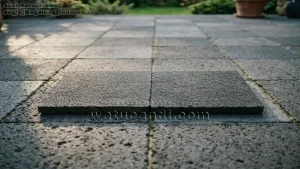
- Terraces, balconies, and rooftops: Heat resistant, non-slip when wet.
- Pool deck area: Ensure minimum thickness of 2 cm, installed with flexible adhesive and waterproof grout.
- Garden pathways: Small pieces arranged randomly (crazy paving) with wide grout adds a natural feel.
6.5 Special Applications
- Kitchen counter and backsplash: After applying a food-grade sealer, lava stone semi-carved can be a unique countertop surface. Ensure carved lines are filled to avoid becoming a dirt trap.
- Built-in furniture: Cabinet front panels or vanities clad with semi-carved stone, creating one-of-a-kind furniture.
- Project/address signage: Custom size with embossed logo or text on the stone.
There are no strict limits. As long as surface preparation and installation methods are correct, lava stone semi-carved will work optimally in almost any orientation and location.
7. Installation Guide for Lava Stone Semi-Carved Tiles
Correct installation determines long-term beauty and durability. Here are the standard steps recommended by the Watucandi.com team:
7.1 Tools and Materials Preparation
- Acclimatized lava stone semi-carved tiles (store in the installation area 24 hours prior)
- Natural stone adhesive (thinbed mortar) based on white or gray cement, recommended flexible type
- Clean water
- Soaking tub or sprayer
- Spacer/grout cross (3–5 mm for interior, 5–8 mm for exterior)
- Spirit level, string, tape measure, pencil
- Notched trowel size 8–10 mm
- Rubber mallet
- Grinder with diamond blade (for cutting)
- Cement or epoxy grout
- Brush or sponge for sealer application
7.2 Substrate Preparation
- The wall/floor surface must be clean, flat, and free of dust, oil, and dirt.
- For floors, ensure adequate slope towards the drain (for wet areas minimum 1%).
- New concrete substrate must be at least 28 days old and not excessively damp.
- If adhering to very smooth surfaces (old ceramic, exposed concrete), roughen the surface with a grinder or apply a bonding agent.
- On gypsum or fiber cement board walls, ensure the frame is strong enough to bear the tile load (around 30–50 kg/m²), use a special backer board.
7.3 Wet Installation Method
- Soak tiles in clean water for 5–10 minutes, then drain until the surface is damp (SSD – saturated surface dry). This prevents the stone from absorbing water from the adhesive too quickly.
- Mix adhesive according to the manufacturer’s instructions. Use a creamy consistency.
- Apply adhesive on the substrate using the flat side of the trowel, then comb with the notched side (unidirectional lines). Do not cover too large an area so the adhesive doesn’t dry before the tile is installed.
- Install tiles by pressing gently and slightly shifting to ensure perfect adhesion. Tap with a rubber mallet for leveling.
- Check flatness with a spirit level every 2–3 pieces, then insert spacers to maintain grout width.
- Cut tiles using a grinder. Sharp cut edges can be smoothed with a whetstone.
- Allow to harden for at least 24 hours before grouting.
7.4 Grouting
- Choose a contrasting grout color (light gray/white) to highlight tile shape, or a matching color (black/dark gray) for a blending effect.
- For wet areas and exteriors, use epoxy grout that is waterproof and mold-resistant.
- Apply grout with a rubber float, fill the gaps completely, clean excess grout from the tile surface before it dries.
- After the grout fully hardens (2–3 days for cement, 1 day for epoxy), clean remaining grout haze with water and a clean cloth.
7.5 Sealer Application (Protection)
- After installation is completely dry (3–7 days), apply a water-based or solvent-based natural stone sealer as recommended.
- The sealer will enhance the natural color, prevent stains, and ease maintenance. For exterior areas, choose a sealer with UV protection.
- Repeat sealer application every 1–2 years for maximum protection.
Important Note: Always perform a dry layout before bonding, especially for semi-carved motifs with random line directions. Adjust the orientation of each piece so that the grain lines connect or contrast as desired. The Watucandi.com team can assist with layout guidance if needed.
8. Long-Term Care and Protection
One common myth is that natural stone is difficult to maintain. In fact, lava stone semi-carved is very easy to care for as long as you know the method.
8.1 Daily/Weekly Cleaning
- Use a soft broom or vacuum cleaner for dry dust and dirt.
- For floors, mop with clean water and a little pH-neutral natural stone soap. Do not use acidic detergents, bleach, or dish soap containing softeners as they can leave a film and damage the sealer.
- Dry with a microfiber cloth to avoid water spots.
8.2 Dealing with Stubborn Stains
- Oil/food stains: immediately clean with an absorbent cloth, then use a special natural stone cleaner (poultice) if the stain has dried.
- Rust or mold stains: use a mild oxalic cleaner specifically for stone, rinse thoroughly.
- Never scrub with wire brushes or abrasive pads; just use a soft brush or sponge.
8.3 Periodic Maintenance
- Check grout condition every 6 months. Cement grout can crack and need repointing. Epoxy grout is more durable.
- After 1–2 years, the stone surface may appear slightly dull. Clean thoroughly, then reapply a thin sealer according to instructions. This will restore the natural luster and protection.
- For exterior tiles exposed to weather, do a light pressure wash once a year if moss builds up. Use low to medium pressure, not too close.
With these simple maintenance steps, the beauty of semi-carved stone will continue to shine for decades, even maturing in character over time.
9. Design Inspiration and Color Combinations
Lava stone semi-carved machine-engraved lines is a natural canvas that can be combined with other materials. Here are some ideas to spark your imagination:
9.1 Modern Industrial Style
- Dark gray semi-carved accent wall combined with black steel frames, polished cement floors, and brown leather furniture.
- Use 20×40 cm size installed horizontally to emphasize carved lines that reinforce the viewing direction.
- Add tropical greenery for vibrant contrast.
9.2 Tropical Rustic Concept
- Half-height semi-carved stone wall on the terrace, combined with thatched roofs, wooden floors, and river stones.
- Creamy white grout creates a grid that highlights each piece.
- Rattan pendant lights complete the natural harmony.
9.3 Japandi Minimalist
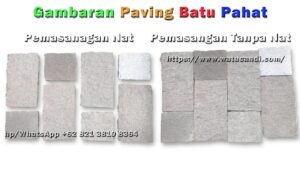
- Staggered brick format installation on the TV wall, without visible grout (dry stack look) with narrow 2 mm gap and matching grout.
- Surrounding wall paint color light gray or beige, white oak wood floors.
- The semi-carved motif provides subtle texture, in line with the “less is more” principle.
9.4 Eclectic Artisan
- Combine filled semi-carved tiles with other natural stone such as flat andesite or Jogja paras stone in one area, forming decorative motifs.
- Add LED strip spotlights behind the stone panel for a dramatic line shadow effect.
- Ethnic ceramic and copper metal decorations complement the look.
9.5 Cinematic Outdoor Areas
- 30×30 semi-carved unfinished pool deck floor, contrasting with blue pool water. At night, underwater light dances over the texture.
- Fence walls fully clad with 15×30 semi-carved tiles, adorned with dim wall lamps.
- Gate pillars formed from 20×40 stone arranged vertically, looking like monolithic blocks.
Don’t hesitate to request tile samples before deciding. The Watucandi.com team can send a few sample pieces so you can see and feel the actual texture and color, while trying out various compositions and lighting on site.
10. Comparison with Other Natural Stone Materials
Understanding the position of lava stone semi-carved among other materials will help you make the best choice.
| Material | Color Character | Texture | Price (per m²) | Maintenance | Suitable For |
|---|---|---|---|---|---|
| Lava Stone Semi-Carved | Natural dark gray | Regular machine engraving | Affordable–mid | Low | Indoor/outdoor walls & floors |
| Flat Andesite Stone | Light gray/blackish | Smooth, slightly porous | Cheap | Very low | Carport floors, walls |
| Paras Jogja Stone | Yellowish white | Smooth porous | Cheap–mid | High (stains easily) | Interior walls & carvings |
| Local Marble (Ujung Pandang, etc.) | Variation (cream, white) | Smooth glossy | Expensive | High | Indoor floors, tabletops |
| Granite | Black, speckled | Smooth hard | Very expensive | Low | Floors, countertops |
| Hand-Carved Temple Stone | Dark gray | Uneven hand carving | Expensive | Medium | Accent walls, pillars |
| Stone-Pattern Ceramic | Digital imitation | Molded, slippery | Cheapest | Very low | Walls, dry floors |
From the table above, lava stone semi-carved occupies the “sweet spot”: natural aesthetics comparable to carved stone, friendlier price, and low maintenance. It’s no wonder this product is highly sought after for large-scale projects prioritizing a premium look without breaking the budget.
11. Price, Cost Factors, and How to Order
What is the actual price of lava stone machine-engraved lines (semi-carved natural stone)? The price varies greatly depending on:
- Size and thickness – larger and thicker, more expensive per square meter.
- Finishing – standard unfilled is cheaper, filled or brushed is slightly more expensive due to additional processing.
- Order volume – bulk purchases usually receive progressive discounts.
- Shipping location – transportation costs are calculated separately. Watucandi.com is based in the Yogyakarta/Central Java area, close to material sources, so base prices are very competitive.
- Custom orders – non-standard patterns or dimensions will incur additional setup fees.
For illustration, in 2025 the retail price of lava stone semi-carved size 10×20 cm ranges from IDR 185,000 – 220,000/m², while 20×40 cm size can be in the range of IDR 245,000 – 285,000/m², depending on carving complexity and finishing. These prices exclude grout, adhesive, sealer, and installation labor. You can see the latest price details and offers directly on the product page: Lava Stone Temple Stone Semi-Carved Price. The information there is always updated according to market conditions.
How to Order:
- Visit the Watucandi.com website and select the semi-carved natural stone category.
- Determine the size, square meter quantity, and finishing type.
- Contact via WhatsApp or the provided contact form for stock consultation, wholesale price negotiation, and shipping cost estimation.
- The team will send an invoice and proceed with production after agreement. Processing time is usually 1–2 weeks for standard quantities.
- Delivery throughout Indonesia using trucks or ships, with secure wooden packing.
Tip: Order about 5–10% extra from the net requirement as a reserve for cutting and damage anticipation. Leftover tiles can be stored for future repairs.
12. Frequently Asked Questions (FAQ)
Q: Do these tiles get hot when installed outdoors?
A: The dark color of temple stone does absorb heat, but its thickness and mass prevent the heat from lasting long. At sunset, the surface temperature quickly drops. For unshaded areas, you can choose a lighter finish or combine with plants.
Q: Can they be used for bathroom floors without worrying about slipping?
A: Absolutely. The semi-carved texture naturally provides grip. Ensure correct floor slope and choose an unfilled or brushed finish for maximum grip.
Q: Does the grout get dirty and moldy quickly?
A: If using epoxy grout, you don’t need to worry. Epoxy grout is waterproof, anti-mold, and easy to clean. Slightly more expensive, but worth it for long-term investment.
Q: Can I install them myself (DIY)?
A: For those experienced in installing ceramic tiles, semi-carved stone installation is actually similar. The challenge is just the heavier weight. It’s recommended for small areas only. For large areas, leave it to professional tilers for neat and consistent results.
Q: Is the color of each production batch the same?
A: Since it’s natural stone, minor variations between batches are normal. To maintain visual uniformity, it’s best to order the entire need at one time. The Watucandi.com team always blends tiles from multiple blocks during production to make color transitions smoother.
Q: Can the tiles be applied on a dry installation system (e.g., on a steel frame)?
A: Yes, but it requires careful construction calculations. Special brackets or integrated facade systems are commonly used. Consult with us so we can recommend the right system.
13. Conclusion
Lava stone semi-carved is the perfect manifestation of cultural heritage successfully adapted for modern architectural needs. With natural volcanic gray color and precise semi-carved line engravings, this tile offers a combination of strength, aesthetics, and economic value. Suitable for interior and exterior wall and floor cladding, this product has proven itself in various prestigious projects.
Through this article, we have thoroughly covered characteristics, advantages, installation techniques, maintenance, and design inspiration. Now it’s time for you to bring a temple touch into your living space. Visit Watucandi.com now, discover the complete catalog, and realize your dream concept. Our team is always ready to help provide the best solutions for your natural stone needs.
semi carved natural stone, lava stone tile, temple stone tile, natural stone floor, natural stone wall, semi carved temple stone, semi carved stone price, Mount Merapi natural stone, watucandi, buy natural stone, natural stone wall cladding, non-slip floor, stone wall design, interior natural stone, exterior natural stone, machine carved stone, modern temple stone, carved line tile, Jogja natural stone, cheap natural stone, outdoor wall natural stone, carport floor natural stone, semi carved finish, stone line motif, natural stone texture, temple stone decoration, terrace natural stone, natural stone pool deck, kitchen backsplash stone, stone tile Indonesia, natural stone wall, lava stone semi carved,