'%3E%3Cpath%20stroke='%23000'%20stroke-width='4'%20d='m-35-37-13%2020m5%203%2013-20m5%203-13%2020m63%2042%206-9m1-2%206-9m5%203-6%209m-1%202-6%209m5%203%206-9m1-2%206-9m-96%200%2013%2020m5-3-6-9m-1-2-6-9m5-3%2013%2020m63-42-6-9m-1-2-6-9m5-3%2013%2020m5-3-6-9m-1-2-6-9'/%3E%3Ccircle%20r='24'%20fill='%23cd2e3a'/%3E%3Cpath%20fill='%230047a0'%20d='M0%200a12%2012%200%201%201%2020%2013%2024%2024%200%201%201-40-26A12%2012%200%201%200%200%200'/%3E%3C/g%3E%3C/svg%3E)


'/%3E%3Cpath%20fill='%23b2b2b2'%20d='M241%20382q0%2016%2017%2026%2017%2011%2042%2011t42-11q16-11%2017-26V269H241'/%3E%3Cpath%20fill='%239f7e00'%20d='M241%20379q0%2014%208%2023%209%209%2021%209%2014%200%2021-9%209-9%209-23V269h-59'/%3E%3Cpath%20d='M241%20339v-70h59v110q0%2014-9%2023l-6%205v-68h-15v72q-8%200-14-4v-68zm59%2040c0%2022%2015%2032%2029%2032%2021%200%2030-18%2030-32v-40h-59'/%3E%3Cpath%20fill='%239f7e00'%20d='M266%20277v5h2v12h-3v-5h2v-5h-9v5h2v5h-4v9h3v18h-5v10h34v-10h-5v-18h3v-9h-4v-5h2v-5h-9v5h2v5h-3v-12h2v-5zm42%20101q0%2010%206%2017%206%206%2015%207%2010-1%2016-7%206-7%206-17v-29h-43'/%3E%3Ccircle%20fill='%230044ad'%20cx='329.5'%20cy='372'%20r='6'/%3E%3Cellipse%20fill='%230044ad'%20cx='300'%20cy='340'%20rx='16'%20ry='21'/%3E%3C/svg%3E)



Natural stone has long been a favorite in the world of architecture and interior as well as exterior design. The uniqueness of its texture, color variations, and resistance to weather make this material the top choice for those who want a home with a natural nuance yet still elegant. However, the beauty of natural stone does not come on its own; it requires special care so that its original character remains preserved and does not deteriorate quickly. In this comprehensive guide, we will thoroughly discuss natural stone care tips, ranging from selecting the right coating, application techniques, to cleaning strategies based on installation location.
Investing in quality materials like premium natural stone products from WatuCandi must be balanced with proper care knowledge. Without adequate maintenance, stone pores can absorb dirt, moss, and rainwater which causes discoloration or even cracking due to water freezing inside the stone cavities. Let’s look at the following detailed steps to ensure your property investment remains high in value.
Understanding the Importance of Coating and Natural Stone Sealers

The first and most crucial step in natural stone care is the use of a sealer or what is often called a stone sealer or coating. The main function of this layer is not just to beautify the appearance, but to form a microscopic protective layer that covers the stone pores. Natural stones such as andesite, lava, candi stone, to limestone have a porous structure that is vulnerable to absorbing liquids. Without a sealer, oil stains, acid rain, or fine dust will enter the stone structure and be difficult to clean.
The market offers various brands of stone paint or coating with varying price ranges. From economical products to high-quality acrylic resin or polyurethane-based sealers. Although the prices differ, the main goal remains the same: enhancing the aesthetic color of the stone to make it look more “alive” and providing extra protection against weather elements. Some products are designed to give a wet look effect that intensifies the stone color to become darker and more contrasting, while other products are formulated to maintain a natural matte appearance without drastically changing the original color.

The choice of coating type must be adjusted to the type of stone. For example, for volcanic rocks like andesite and lava stone, penetrating sealers are highly recommended because they can soak deep into the pores. Meanwhile, for softer limestone or limestone, a sealer is needed that is not only water-resistant but also resistant to light abrasion.
Correct Techniques for Applying Natural Stone Sealer
The quality of the final result of natural stone care depends heavily on the application technique. Many homeowners complain that the coating peels off quickly or is uneven, whereas the main problem often lies in immature surface preparation. Here are standard industry procedures for applying natural stone sealer:
- Initial Cleaning: After installation is complete, ensure the stone surface is completely clean of cement residue, construction dust, or oil. Cement residue stuck due to worker negligence must be scraped slowly using a blunt tool or mild acid cleaner (with caution). A dirty surface will hinder the absorption of the coating.
- Drying Process: This is the stage that is most often ignored. Natural stone must be allowed to dry perfectly for 1-3 days after washing. Stone conditions that are still damp or wet will trap water vapor under the coating layer, which can later cause mold to grow behind the sealer layer or make the coating become cloudy (blushing).
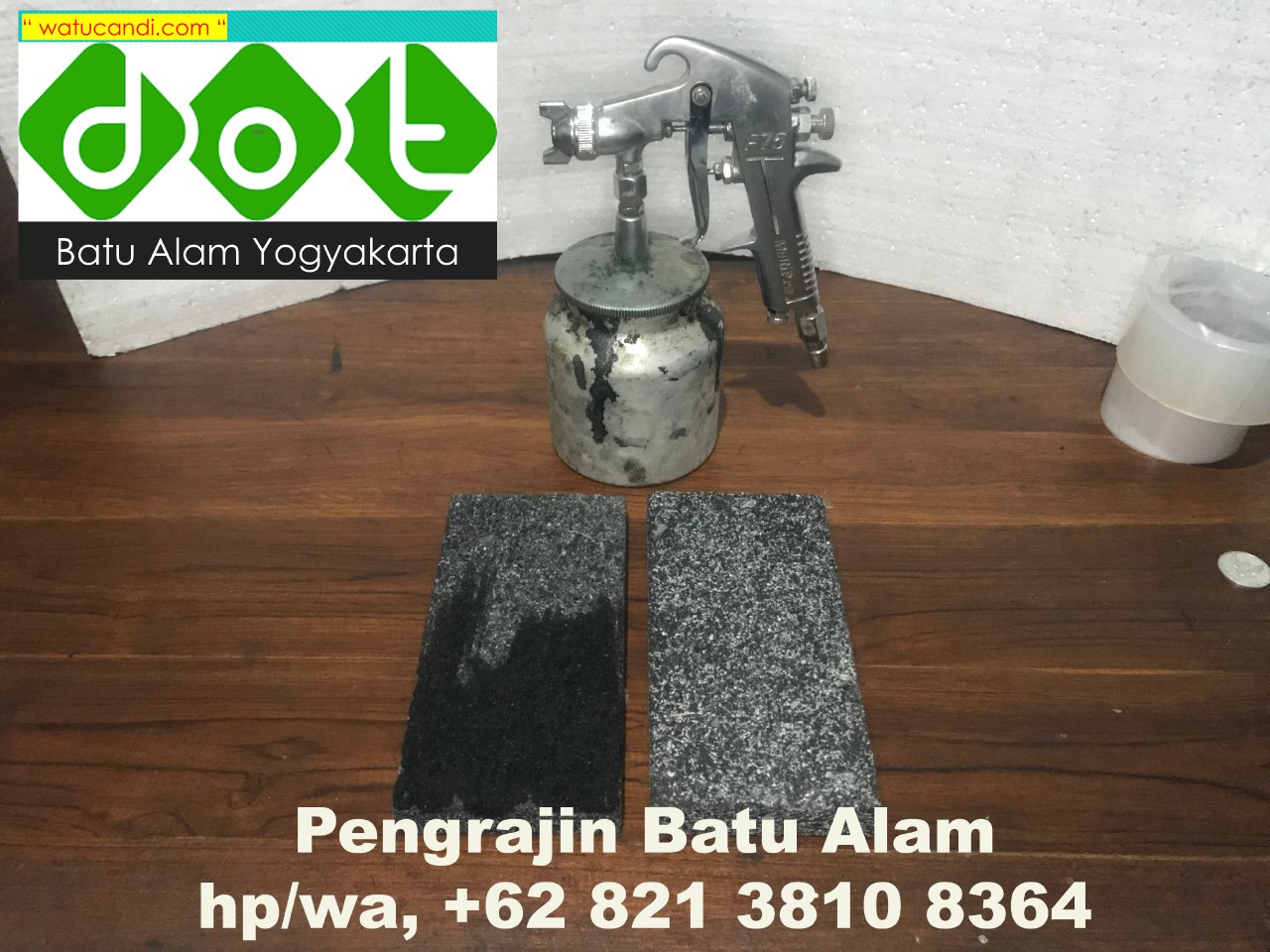
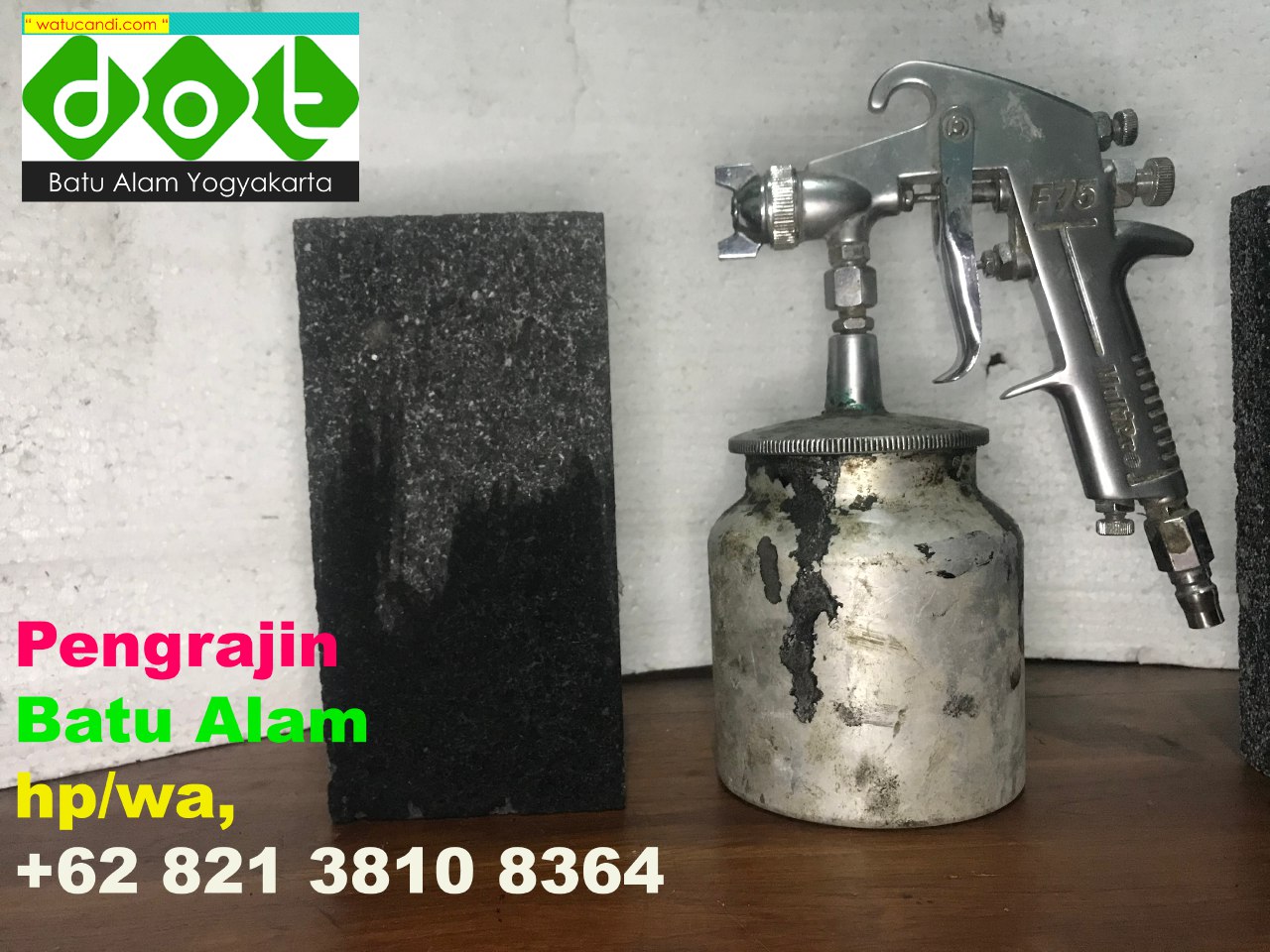
- Base Layer Application: Use a brush, foam roller, or spray machine (sprayer) to apply the coating. Start with a thin layer as a base. Ensure the liquid enters all crevices and stone textures, especially if you are using stone with a rough surface like chiseled stone or split face.
- Second and Third Layers: For maximum results and long-term durability, repeat the application 2-3 times. Wait for each layer to dry before adding the next layer. This ensures that the saturation of the stone pores reaches an optimal point.
- Curing Period: After the last application, let the stone dry for at least 1 x 24 hours. Avoid contact with water, rain, or foot traffic during this period so that the sealer layer can harden and bond strongly with the stone structure.
Understanding Coverage Rate and Material Efficiency
In calculating maintenance budget needs, it is important to understand the coverage rate of the natural stone sealer. Generally, one liter of quality coating can cover an area between 3 to 5 square meters. This figure is an estimate and is heavily influenced by two main factors: the type of natural stone and the application method.
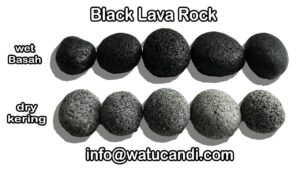
Natural stone with large and rough pore textures like black lava stone or raw candi stone will absorb more liquid compared to stone with a smooth surface like honed marble or palimanan. In addition, the applicator’s expertise also plays a role; using a sprayer tends to be more material-efficient than a brush if done with the right technique, but a brush provides deeper penetration results on complex textures.
Long-Term Benefits of Using Sealer
Why bother coating natural stone? The answer lies in durability and aesthetics. Acrylic resin or siloxane-based sealers work by soaking in and forming a protective network inside the stone cavities. The main benefits include:
- Color Enhancement: Restores and sharpens the original stone color that may have faded due to direct UV exposure.
- Anti-Moss and Mold: By closing the pores, rainwater cannot be retained inside the stone, thereby reducing the risk of green or black moss growth which often appears in the rainy season.
- Ease of Cleaning: Dust and dirt only stick to the surface of the slippery coating layer, so it can be cleaned just by rinsing with water or wiping it, without needing a hard brush.

Care Strategies Based on Installation Location
Not all natural stones receive the same treatment. The environment where the stone is installed determines the type of dirt and damage risks faced. Here is a specific guide for natural stone care based on its function:
1. Natural Stone Care in Terrace and Front Yard Areas
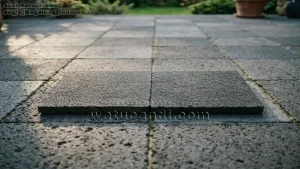
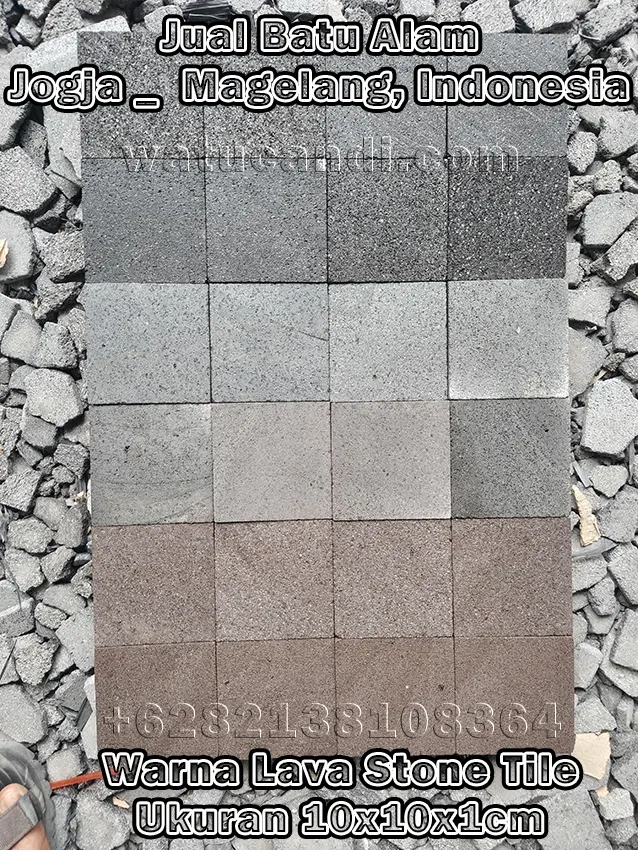
This area is the zone with the highest traffic and most extreme weather exposure. Street dust, rainwater, and footprints are its main enemies. For areas like this, the use of sturdy Merapi lava paving stone is highly recommended.
- Routine Cleaning: Sweep or spray water once a week to remove dust accumulation. Dust that accumulates for a long time can become abrasive when stepped on.
- Avoid Harsh Chemicals: Do not use acid-based floor cleaners or strong bleach routinely as they can erode the coating layer and fade the stone color. Use pH-neutral liquid soap if necessary.
- Spill Stain Handling: If there are spills of motorcycle oil, sauce, or colored drinks, immediately absorb with a cloth or tissue before it soaks in. Even though it is coated, stains left too long still have the potential to penetrate the protective layer.
2. Natural Stone Care in Garden and Landscape Areas
Natural stone in the garden often comes into direct contact with soil and vegetation. The main risks are plant root growth and excessive soil moisture. Consider using lava stone tiles for garden walls that are resistant to humid conditions.
- Use Ground Cover: Provide distance or use mulch/geotextile between the soil and stone to prevent direct moisture transfer and moss growth from below.
- Vegetation Pruning: Ensure climbing plants or shrubs do not touch the stone surface continuously. Rotting leaves on top of the stone can leave yellowish-brown stains that are difficult to remove.
3. Interior Natural Stone Care (Floor and Indoor Walls)
Indoors, natural stone is more protected from the weather, but vulnerable to domestic stains and furniture scratches. The aesthetic of green stone tiles or white paras stone is often used here for a luxurious impression.
- Furniture Protectors: Always use rubber or felt pads under the legs of tables, chairs, or heavy cabinets to prevent scratches on the stone surface, especially if using polished or honed finishes.
- Clean Liquids Immediately: Spills of coffee, tea, or red wine can leave permanent stains on porous stones like travertine or limestone if not wiped immediately.
4. Natural Stone Care Around Swimming Pools
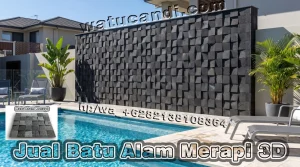
The swimming pool environment is the biggest challenge for natural stone due to the combination of water, chemicals (chlorine), and sunlight. The stone must have anti-slip properties and chemical resistance. Products like lava stone tiles for swimming pools are specifically designed for these conditions.
- Rinse After Chlorine Exposure: Pool water containing high chlorine can accelerate coating degradation. Rinse the pool deck area with fresh water regularly to neutralize chemical levels.
- Prevent Slipperiness: Clean algae or moss that may grow in the gaps between stones immediately. Use a plastic brush, not wire wool, to avoid scratching the stone texture.
Conclusion: Consistency Is Key
Natural stone care is not a one-time job, but a long-term commitment. By understanding the characteristics of the material you own, whether it is local vs precision green stone, black andesite, or white paras. You can choose the most effective maintenance method. Check the condition of the coating at least once a year. If water no longer forms beads (beading) on the stone surface when sprayed, it is a sign that the protective layer has thinned and needs to be reapplied.
With proper care, natural stone will continue to display its natural charm, add aesthetic value, and increase the comfort of your home for years to come. For further inspiration regarding types of natural stone and their applications, feel free to explore our complete collection at WatuCandi online store or follow our latest updates via social media to get the latest design ideas.
natural stone care, natural stone coating, how to clean natural stone, natural stone sealer, interior design tips, andesite natural stone, merapi lava stone, garden maintenance, swimming pool natural stone, building maintenance,