


'%3E%3Cpath%20stroke='%23000'%20stroke-width='4'%20d='m-35-37-13%2020m5%203%2013-20m5%203-13%2020m63%2042%206-9m1-2%206-9m5%203-6%209m-1%202-6%209m5%203%206-9m1-2%206-9m-96%200%2013%2020m5-3-6-9m-1-2-6-9m5-3%2013%2020m63-42-6-9m-1-2-6-9m5-3%2013%2020m5-3-6-9m-1-2-6-9'/%3E%3Ccircle%20r='24'%20fill='%23cd2e3a'/%3E%3Cpath%20fill='%230047a0'%20d='M0%200a12%2012%200%201%201%2020%2013%2024%2024%200%201%201-40-26A12%2012%200%201%200%200%200'/%3E%3C/g%3E%3C/svg%3E)


'/%3E%3Cpath%20fill='%23b2b2b2'%20d='M241%20382q0%2016%2017%2026%2017%2011%2042%2011t42-11q16-11%2017-26V269H241'/%3E%3Cpath%20fill='%239f7e00'%20d='M241%20379q0%2014%208%2023%209%209%2021%209%2014%200%2021-9%209-9%209-23V269h-59'/%3E%3Cpath%20d='M241%20339v-70h59v110q0%2014-9%2023l-6%205v-68h-15v72q-8%200-14-4v-68zm59%2040c0%2022%2015%2032%2029%2032%2021%200%2030-18%2030-32v-40h-59'/%3E%3Cpath%20fill='%239f7e00'%20d='M266%20277v5h2v12h-3v-5h2v-5h-9v5h2v5h-4v9h3v18h-5v10h34v-10h-5v-18h3v-9h-4v-5h2v-5h-9v5h2v5h-3v-12h2v-5zm42%20101q0%2010%206%2017%206%206%2015%207%2010-1%2016-7%206-7%206-17v-29h-43'/%3E%3Ccircle%20fill='%230044ad'%20cx='329.5'%20cy='372'%20r='6'/%3E%3Cellipse%20fill='%230044ad'%20cx='300'%20cy='340'%20rx='16'%20ry='21'/%3E%3C/svg%3E)



Living Space Redefined: Masterpiece of Interior Design with Artisanal Furniture and Natural Stone from Mount Merapi
Living Space Redefined is a revolutionary concept in interior design that combines the beauty of handmade artisanal furniture with the luxury of natural stone walls and natural stone floors. This concept is not just a passing trend, but rather a design philosophy that restores the essence of naturalness, warmth, and character to the spaces where we live. In a world increasingly dominated by synthetic materials and mass-produced furniture, bringing natural elements into living spaces becomes a statement of classy and conscious lifestyle.
This article will take you deep into how Living Space Redefined works through the perfect blend of handcrafted furniture, natural stone walls, and volcanic stone floors. We will explore every aspect from material selection, design philosophy, arrangement techniques, to maintenance. With this comprehensive guide, you will have the knowledge to create a living space that is not only visually beautiful, but also functional, comfortable, and reflective of your personality.
Table of Contents
- Introduction: The Living Space Design Revolution
- The Philosophy Behind Living Space Redefined
- Starting with a Neutral Color Palette: The Foundation of Calm
- The Magic of Natural Stone Walls: Character and Texture
- Volcanic Stone Floors: A Solid yet Elegant Foundation
- Choosing Artisanal Furniture That Complements the Space
- Natural Materials in Furniture: Wood, Leather, and Metal
- Incorporating Texture and Pattern: Adding Visual Dimension
- Lighting: The Key to Creating Atmosphere
- Choosing Artwork That Complements the Space
- Living Plants: Organic Elements That Refresh
- Layout and Flow: Creating Harmony
- Pairing Merapi Stone with Wood Furniture: A Classic Combination
- Design Styles for Living Space Redefined
- Natural Stone Wall and Floor Care
- Artisanal Furniture Care
- Living Space Inspiration from Around the World
- Common Mistakes to Avoid
- Future Trends: Sustainable Living Spaces
- Frequently Asked Questions (FAQ)
- Conclusion: Your Living Space, Your Story
Introduction: The Living Space Design Revolution
Imagine stepping into a room where every element speaks of authenticity. Solid natural stone walls radiating timeless character. Cool volcanic stone floors underfoot giving a sensation of being connected to the earth. Solid wood furniture handcrafted displaying natural grain and the artisan’s touch. This is the essence of Living Space Redefined.
This concept was born from the human need for authenticity in an increasingly artificial world. We spend most of our time indoors, and the spaces we inhabit have a direct impact on our mental health, productivity, and happiness. A well-designed space is not just a shelter, but also a place that inspires, calms, and celebrates life.
Living Space Redefined is not about following rigid rules or the latest trends. It is about creating a personal space that reflects who you are and what you value. It is about choosing materials that have stories, volcanic stone from the slopes of Mount Merapi that is thousands of years old, teak wood that has undergone years of natural drying, or handmade stone furniture carved with precision by artisans who have inherited techniques from generation to generation.
In an era where homes often look uniform due to following the same trends, Living Space Redefined offers a way out. It is an invitation to slow down, to appreciate beauty in natural imperfection, and to create a home that truly becomes a reflection of yourself. This article will be your complete guide in the journey of redesigning living spaces, from philosophical concepts to practical tips you can apply immediately.
The Philosophy Behind Living Space Redefined
Before we dive into technical and practical aspects, it is important to understand the philosophical foundation underlying the Living Space Redefined concept. This philosophy is rooted in several key principles that distinguish it from conventional interior design approaches.
Wabi-Sabi: Beauty in Imperfection. This Japanese aesthetic concept celebrates beauty that is imperfect, impermanent, and incomplete. In the context of living spaces, this means appreciating natural cracks in stone, irregular wood grain, or the patina that forms over time on furniture. Natural stone with its authentic texture is actually more valued because of its unique imperfections.
Biophilia: The Innate Connection with Nature. Humans have an innate need to connect with nature. Biophilic design brings natural elements into living spaces, through natural materials, plants, natural light, and views to the outside. Stone walls and volcanic stone floors are the perfect embodiment of this principle, bringing texture and earth energy directly into your home.
Slow Design: Intentional Slowing Down. In a fast-paced world, slow design invites us to slow down and be more conscious in creating spaces. This means choosing furniture made by hand in time-consuming processes, not mass-produced items that are quickly assembled. Each piece of handmade stone and wood furniture carries the energy and time invested by its artisan.
Material Authenticity. This philosophy emphasizes the importance of using materials in their most honest form. Stone is allowed to display its natural texture, wood shows its original grain, metal develops a natural patina. There is no attempt to hide or engineer the original character of the material. Rough-faced stone floors become the primary choice precisely because of their honesty in displaying natural character.
Starting with a Neutral Color Palette: The Foundation of Calm
To create a cohesive and calming environment, start with a neutral color palette for your walls and flooring. A neutral color palette is the foundation of the Living Space Redefined concept. This does not mean the room has to be boring or monotonous, on the contrary, a neutral palette creates the perfect canvas for natural elements to shine.
Natural stone walls and floors already have strong character with their texture and color variations. Choosing neutral colors for walls that are not clad in stone will help balance the space and allow furniture to stand out. Stone walls can be quite bold, so choosing neutral shades for other walls can help balance the room and let the furniture become the focal point.
Recommended Neutral Color Spectrum:
- Warm White: Not sterile white, but white with a slight touch of cream or ivory. Perfectly paired with dramatic black lava stone.
- Soft Gray: Creates a smooth transition between stone walls and other elements. Choose gray with warm undertones to avoid a cold impression.
- Cream and Beige: These earthy colors strengthen the connection with nature and create an inviting atmosphere.
- Taupe: A sophisticated blend of gray and brown, ideal for transitional style spaces.
The key to a successful neutral palette is tonal variation. Do not use one flat color for the entire room. Instead, play with different color nuances, walls slightly lighter, floors slightly darker, furniture in between. This creates depth and dimension without sacrificing cohesiveness.
The Magic of Natural Stone Walls: Character and Texture
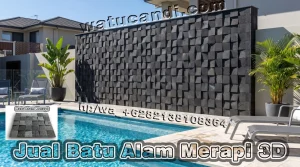
Natural stone walls are the most dramatic and character-rich element in the Living Space Redefined concept. No two stone walls are identical, each stone has its own color, texture, and unique pattern, creating a natural work of art that serves as the backdrop of your living space.
Why Choose Natural Stone Walls?
First, stone walls provide texture that cannot be imitated by paint or wallpaper. Lava stone from Mount Merapi has natural pores and varied surfaces, creating a play of light and shadow that constantly changes throughout the day. Second, natural stone is an extremely durable material, it will not fade, peel, or deteriorate over time. In fact, natural stone becomes more beautiful with age, developing a character that only time can provide.
Third, stone walls are excellent natural insulators. Stone stores heat during the day and releases it slowly at night, helping maintain a stable room temperature. This is not only comfortable but also energy efficient. Fourth, stone walls create a permanent impression of solidity that no other material can provide. This gives a sense of security and protection that is invaluable in a dwelling.
Volcanic Stone Floors: A Solid yet Elegant Foundation
If stone walls are the frame, then stone floors are the foundation, literally and figuratively, of the Living Space Redefined concept. Floors are the surface we step on most often, and the sensation underfoot has a powerful subconscious impact on how we perceive a room.
The Excellence of Merapi Volcanic Stone Floors:
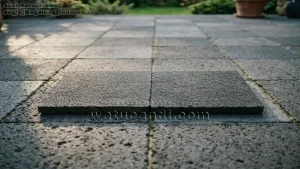
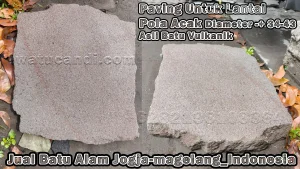
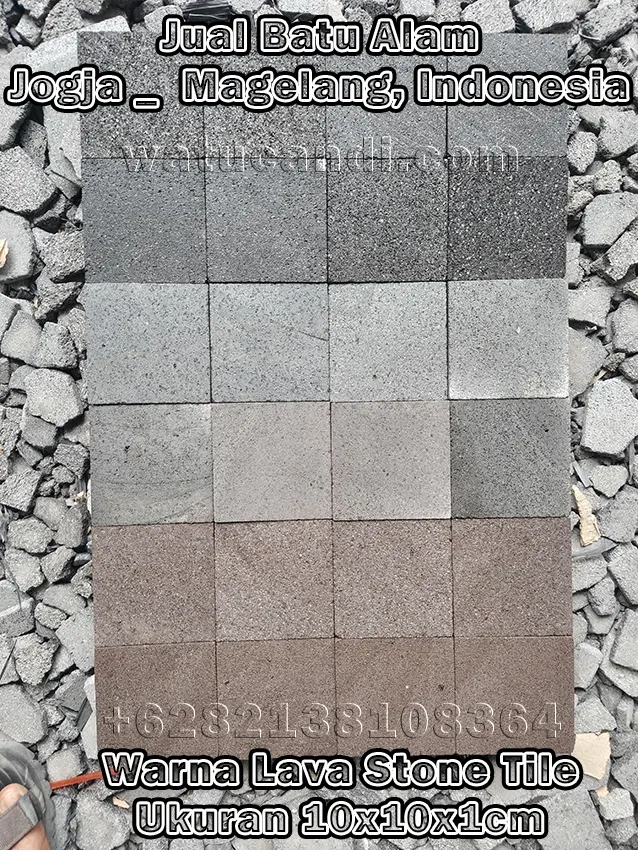
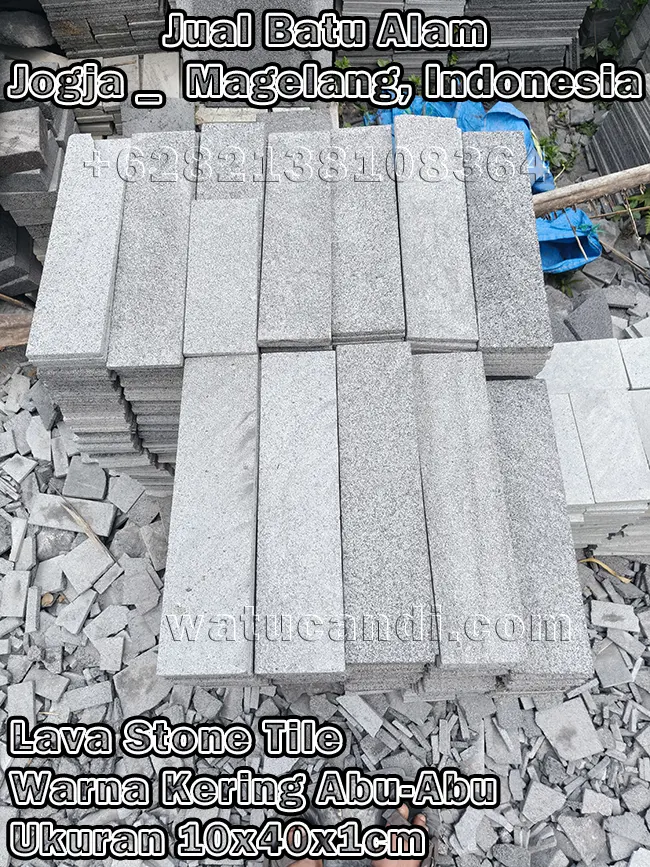
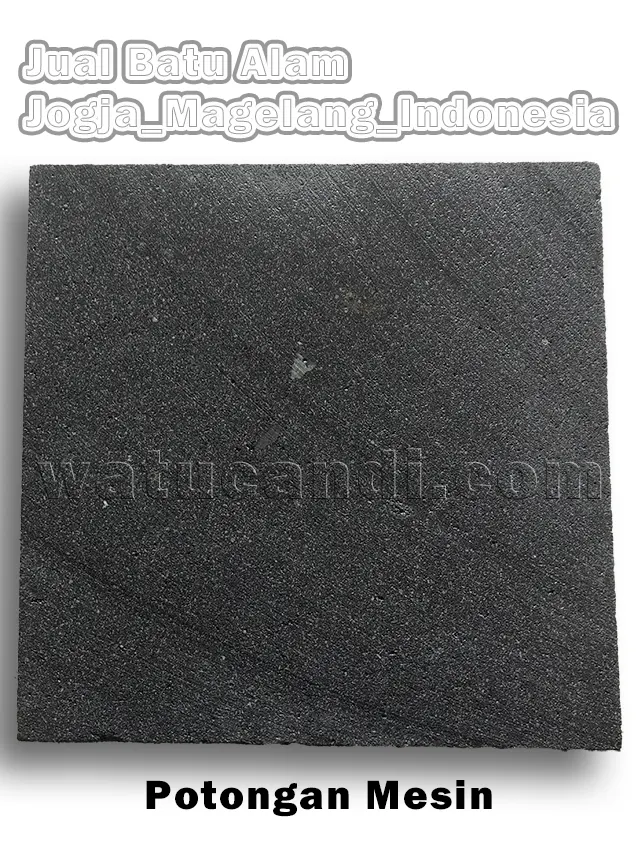
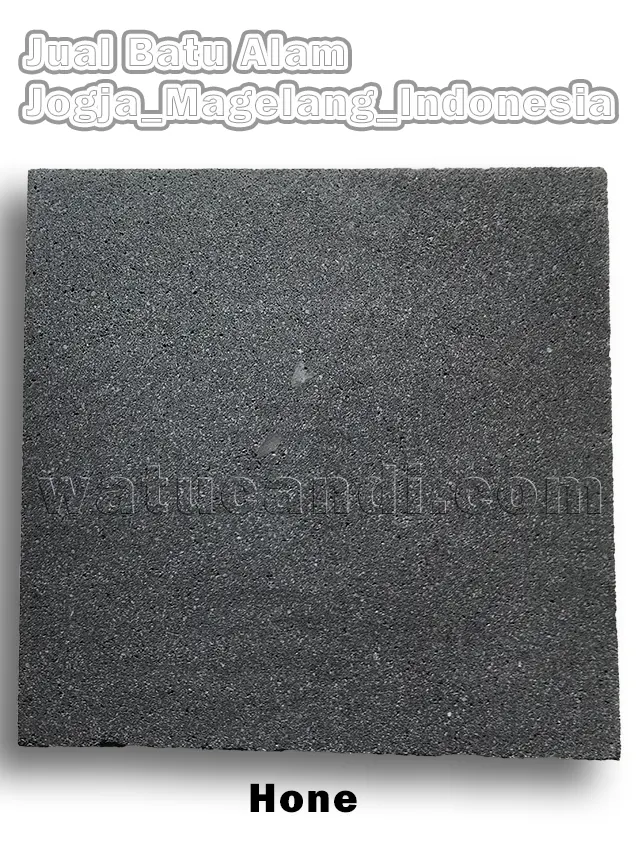
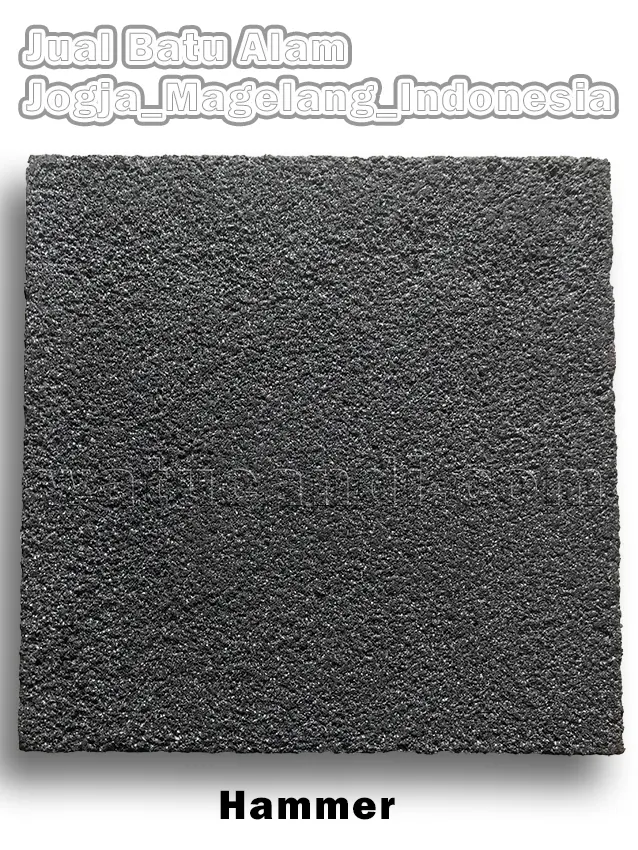
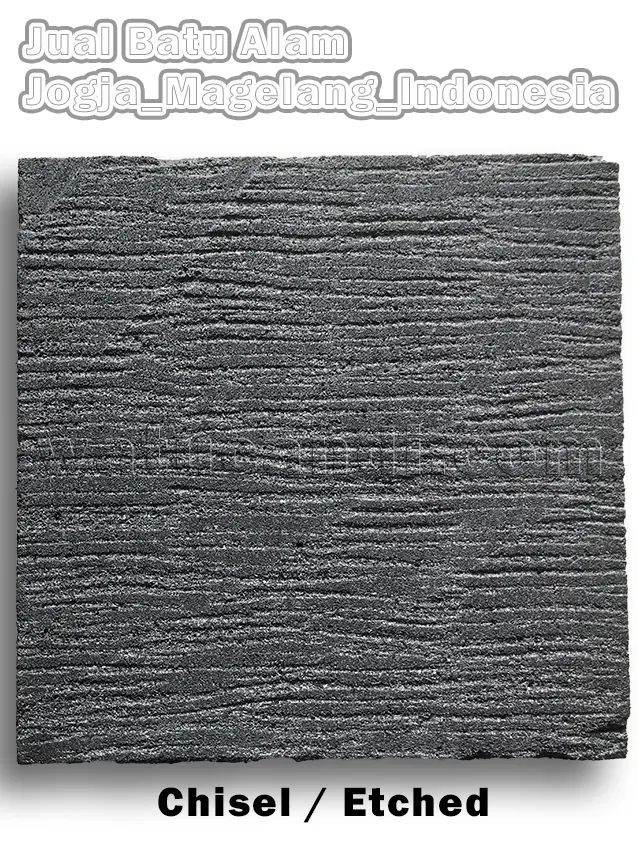
Lava stone floors from Mount Merapi have natural anti-slip properties thanks to their porous texture. This is very important for safety, especially in tropical regions where floors can become slippery due to humidity. Additionally, volcanic stone has unique thermal properties, it stays cool underfoot even on hot days, providing natural comfort without excessive air conditioning.
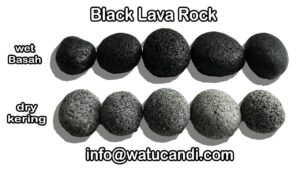
From an aesthetic perspective, volcanic stone floors offer a wide color spectrum from almost silver light gray to dramatic deep black. The natural variations in each tile create a surface that is alive and dynamic, far from the monotonous impression of ceramic or vinyl floors. Black lava stone tiles are particularly popular for creating stunning contrasts with light wood furniture or white walls.
Choosing Artisanal Furniture That Complements the Space
When selecting artisanal furniture for your living space, it is important to choose pieces that complement the overall aesthetic of the space. Artisanal furniture is not merely a functional object, it is a design statement, the fruit of skills honed over years, and the embodiment of the slow design philosophy.
Look for furniture that is made from natural materials like wood, leather, or metal and has clean lines and simple shapes. This will help create a cohesive and unified look in the space. Furniture with overly complicated lines or excessive ornamentation can clash with the strong character of stone walls and floors.
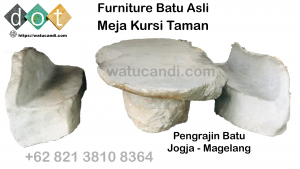
Handmade stone furniture such as tables and chairs from Merapi lava stone is a very authentic choice. Each piece is carved directly from volcanic stone boulders, creating furniture that is not only beautiful but also truly unique. No two pieces are the same, guaranteeing that your living space has a character that cannot be imitated.
Natural Materials in Furniture: Wood, Leather, and Metal
In the Living Space Redefined concept, the selection of furniture materials is just as important as the selection of wall and floor materials. Each material brings its own character, texture, and story to the room.
Solid Wood: Irreplaceable Warmth. Wood is the natural partner of stone. Where stone provides strength and permanence, wood provides warmth and softness. Choose wood with beautiful grain, such as teak, mahogany, or suar, and let its natural beauty be the center of attention. Handcrafted solid wood furniture, especially those using traditional joinery techniques like mortise and tenon, is not only beautiful but will also last for several generations.
Leather: Luxury That Ages Gracefully. Leather-upholstered sofas or chairs are investments that will become more beautiful over time. Genuine leather develops a patina, a natural sheen formed from use, that gives unique character to each piece. Choose earthy colors like dark brown, caramel, or black to complement the neutral palette and stone materials.
Metal: Subtle Industrial Accents. Metal, especially in the form of table legs, mirror frames, or lamps, provides an interesting contrast with the warmth of wood and the texture of stone. Choose metal with a matte finish or that is intentionally left to develop a natural patina. Copper and brass are perfect for warm color schemes, while black steel or wrought iron complements industrial aesthetics.
Incorporating Texture and Pattern: Adding Visual Dimension
To add visual interest and depth to the space, consider incorporating texture and pattern through your furniture and decor choices. A room that only relies on neutral colors without texture variation will feel flat and uninviting.
This might include a woven rug, patterned throw pillows, or decorative objects with intricate designs or textures. A thick, plush rug on a stone floor creates a pleasant contrast between hard and soft. Cushions made of linen, chunky knit wool, or velvet add layers of comfort to a wood or leather sofa.
Lighting: The Key to Creating Atmosphere
Proper lighting is key when it comes to creating a comfortable and inviting living space. In the Living Space Redefined concept, lighting is not just about function, it is a tool to shape atmosphere, highlight texture, and create depth.
Consider incorporating both overhead lighting and task lighting to ensure that the space is well-lit and functional. However, do not stop there. Accent lighting, such as spotlights directed at a stone wall, a floor lamp creating an intimate reading corner, or candles providing a warm flickering glow, are elements that transform a room from merely bright to atmospheric.
Choosing Artwork That Complements the Space
Finally, when selecting artwork for your living space, consider how it will interact with the stone walls and artisanal furniture. Artwork is the finishing touch that gives personality to a room, it is the most personal expression of your taste and experiences.
Look for pieces that complement the overall aesthetic of the space and add visual interest and texture to the walls. On a stone wall, artwork with a simple frame and bold colors can be an interesting contrast. On a neutral wall, textured artwork such as paintings with thick impasto or fiber art add a dimension that complements the stone texture on the other side of the room.
Living Plants: Organic Elements That Refresh
Nothing brings a space to life like living plants. In the Living Space Redefined concept, plants are the final bridge connecting the interior with the natural world outside. Fresh green provides a beautiful contrast with the neutral palette and stone textures, while the organic shapes of plants soften the firm lines of furniture.
Layout and Flow: Creating Harmony
A good furniture layout allows comfortable conversation and smooth movement. In Living Space Redefined, the layout should respect the natural features of the room, such as a stone accent wall or window views, and create clear functional zones.
Pairing Merapi Stone with Wood Furniture: A Classic Combination
There is no more harmonious combination in interior design than stone and wood. Both are natural materials that perfectly complement each other: stone provides strength, stability, and texture, while wood provides warmth, softness, and color. Merapi lava stone with its dark color creates stunning contrasts with golden teak wood or rich mahogany.
Design Styles for Living Space Redefined
The Living Space Redefined concept can be adapted into various design styles:
- Modern Industrial: Exposed brick walls or black lava stone, reclaimed wood furniture, black metal accents.
- Contemporary Tropical: Warm-toned andesite stone, teak wood furniture, abundant greenery.
- Japandi (Japanese-Scandinavian): Minimalist neutral palette, light wood furniture, stone walls as subtle accents.
- Rustic Modern: Rough textured stone, solid wood furniture, a fireplace as the center of the room.
Natural Stone Wall and Floor Care
One of the advantages of natural stone is its minimal maintenance requirements. However, proper care will ensure its beauty lasts for decades. For stone floors, simply sweep and mop with clean water regularly. Avoid acidic or bleach-based cleaners that can damage the stone surface. Apply a sealer every 1 to 2 years to protect against stains.
Artisanal Furniture Care
Artisanal furniture, whether made of wood or stone, requires different care from mass-produced furniture. For wood furniture, avoid direct sunlight exposure that can cause discoloration. Use a damp cloth for cleaning and apply wood oil periodically to maintain the natural moisture of the wood. For stone furniture, care is even simpler. Simply wipe with a damp cloth. The beauty of stone furniture is that it does not require recoating, anti-termite treatment, or other special care. It will remain beautiful for several generations with minimal maintenance.
Living Space Inspiration from Around the World
From villas in Bali that combine paras stone walls with teak wood furniture, to industrial lofts in New York that combine exposed brick walls with metal and leather furniture, the Living Space Redefined concept has diverse expressions around the world. In Japan, traditional houses use natural stone as a foundation and wood as the main structure, creating calm and harmonious spaces. In Scandinavia, stone is used as an accent in a clean neutral palette, paired with light wood furniture and cozy textiles.
Common Mistakes to Avoid
- Too Much Stone: Using stone on all walls and floors can make the room feel like a cave. Balance it with other materials.
- Neglecting Lighting: Stone can absorb light. Ensure adequate lighting, especially in areas with dark stone walls.
- Disproportionate Furniture: Furniture that is too small will be lost in a room with strongly characterized stone walls.
- Neglecting Comfort: Beauty should not sacrifice comfort. Add cushions, rugs, and adequate lighting.
Future Trends: Sustainable Living Spaces
Moving forward, Living Space Redefined will become increasingly relevant as awareness of sustainability grows. Natural materials like stone and solid wood have a lower carbon footprint compared to synthetic materials, especially if sourced locally. Artisanal furniture made to last a lifetime reduces furniture waste, which is a global environmental problem. By choosing Indonesian natural stone and furniture made by local artisans, you not only create a beautiful space but also contribute to the local economy and the preservation of valuable traditional techniques.
Frequently Asked Questions (FAQ)
Q: Do stone walls make the room feel cold?
A: No, quite the opposite. Stone is a natural insulator that stores heat and releases it slowly, helping maintain a stable room temperature.
Q: Can I install stone walls myself?
A: Although DIY is possible, natural stone installation is best left to professionals to ensure a neat and long-lasting result.
Q: Are stone floors safe for children?
A: Yes, especially stone with natural texture that provides anti-slip grip. Add rugs in play areas for extra comfort.
Q: How much does it cost to create a living space with this concept?
A: Costs vary depending on the type of stone, room size, and furniture chosen. However, this is a long-term investment because quality materials and furniture will last for decades.
Conclusion: Your Living Space, Your Story
Living Space Redefined is more than just a design concept, it is a philosophy of life. It is about choosing quality over quantity, authenticity over imitation, and timelessness over fleeting trends. By following the tips in this article, you can create a beautiful and functional living space that showcases the beauty of natural materials like stone and wood, while also incorporating your personal style and taste.
Start with a neutral color palette, choose artisanal furniture that complements the space, add texture and pattern, proper lighting, and artwork that speaks to you. The result is a space that is not just a place to live, but a place you truly call home, a space that tells your story through every material, every piece of furniture, and every detail you have consciously chosen.
Explore the collection of Indonesian natural stone and artisanal furniture to begin your journey of redefining your living space today.
Tags: living space redefined, natural interior design, artisanal furniture, natural stone walls, volcanic stone floors, Mount Merapi stone, solid wood furniture, biophilic design, wabi sabi interior, neutral color palette, living space lighting, interior artwork, indoor plants, room layout, stone and wood combination, modern industrial style, contemporary tropical style, japandi style, natural stone care, artisanal furniture care, sustainable interior design, Indonesian handmade furniture, black lava stone, andesite stone, watucandi, handmade stone furniture, natural stone flooring, interior design tips,



One thought on “Living Space Redefined”