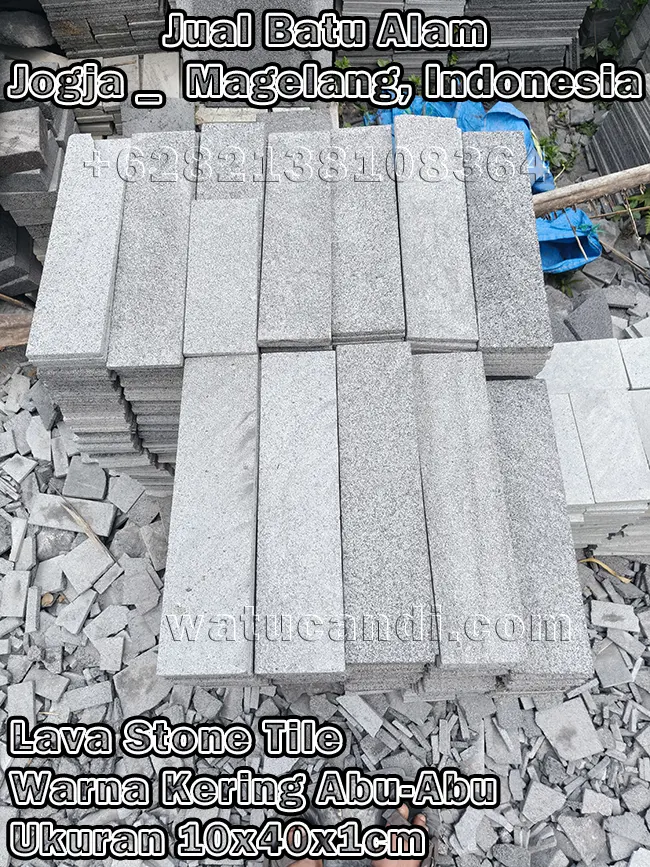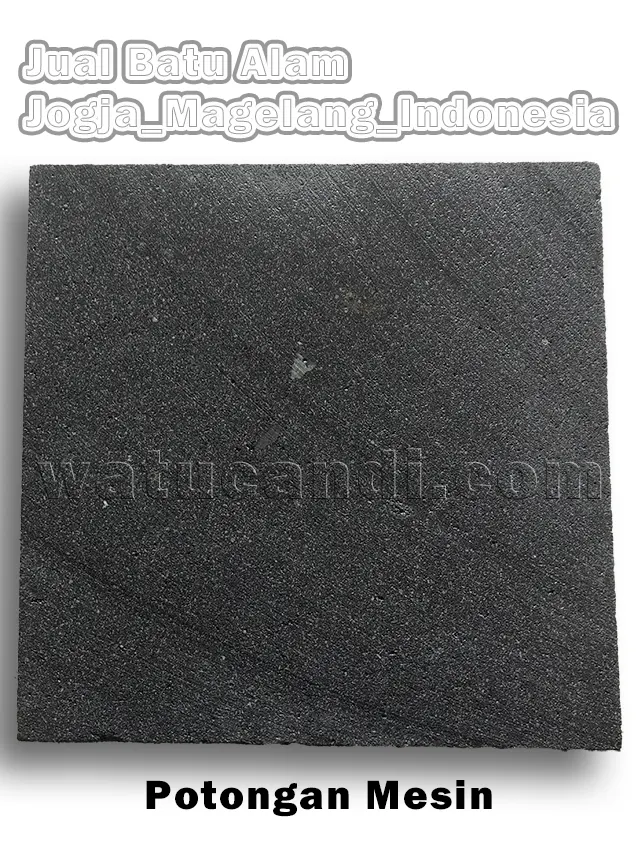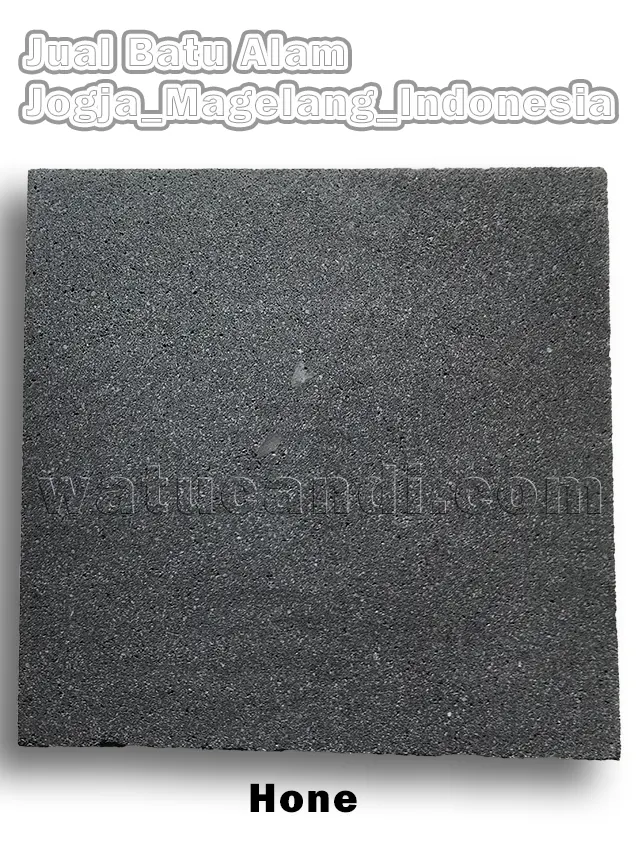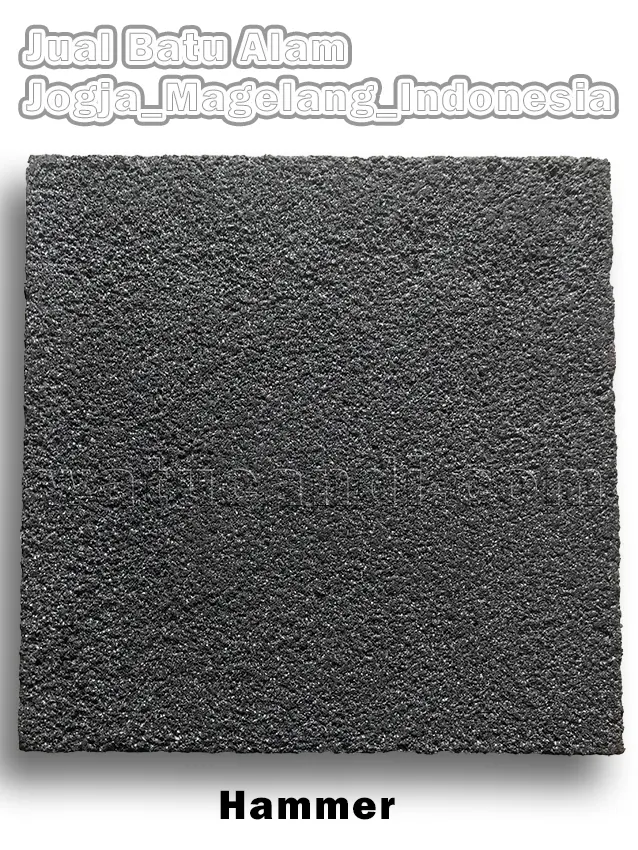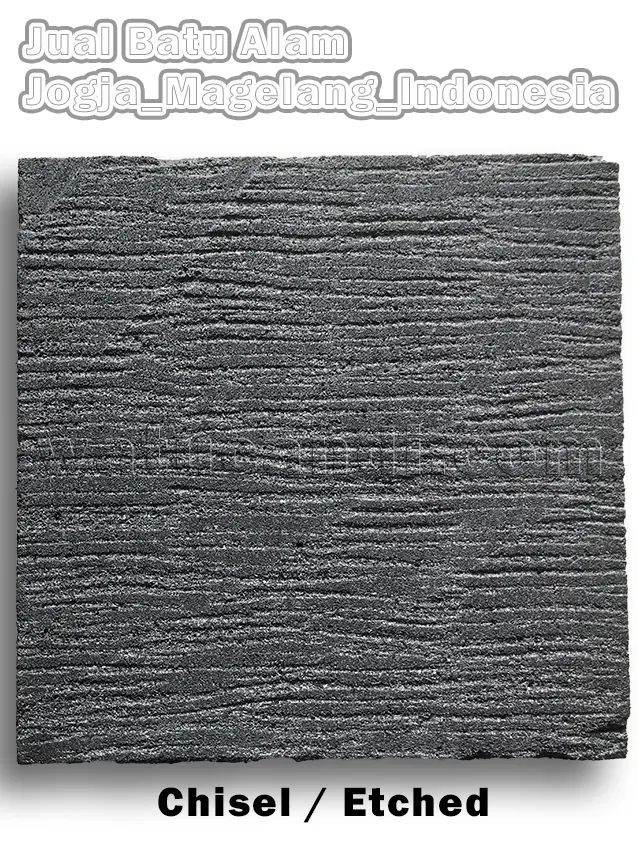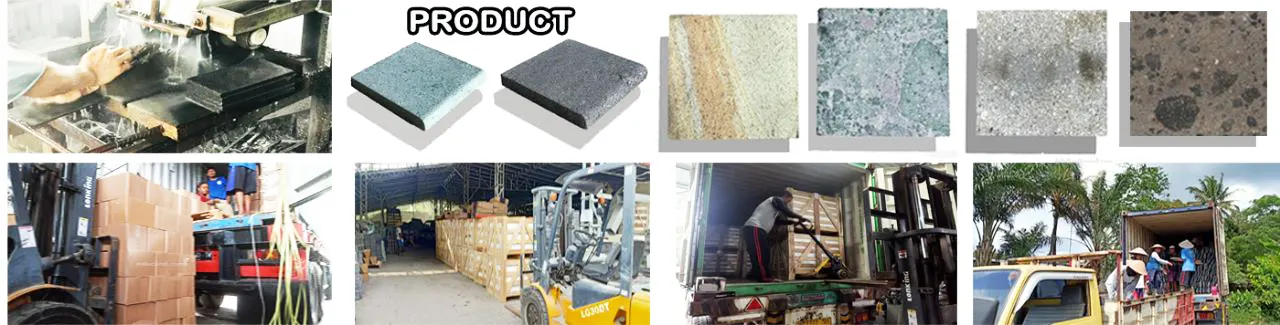

Discover premium lava stone floor (temple stone) hand-carved from Mount Merapi volcanic rock. Ideal for homes, hotels, resorts, and heritage sites like Borobudur Temple. Offers exceptional durability, natural anti-slip texture, artistic hand-carved motifs, and easy maintenance. Perfect for indoor and outdoor applications including terraces, gardens, pool surrounds, and walkways. Available in various sizes and custom carvings. Elevate your space with the timeless beauty of Indonesian natural stone.
Hand-Carved Lava Stone (Temple) Flooring
Handcrafted lava stone flooring (Mount Merapi Temple Stone), especially when hand-carved, presents a perfect blend of art, tradition, and functionality. This material not only delivers distinctive aesthetic beauty but also represents Indonesia’s rich artistic cultural heritage. In this article, we will explore in depth about lava stone as a Natural Stone flooring choice, its manufacturing process, advantages, and applications in various projects, including the restoration of historical sites such as Borobudur Temple.
Table of Contents
- What is Lava Stone or Temple Stone?
- Manufacturing Process of Hand-Carved Lava Stone Flooring
- Advantages of Hand-Carved Lava Stone Flooring
- Applications of Hand-Carved Lava Stone Flooring: From Homes to Historical Sites
- Unmatched Artistic Touch
- Choosing and Maintaining Hand-Carved Lava Stone Flooring
- Conclusion
What is Lava Stone or Temple Stone?
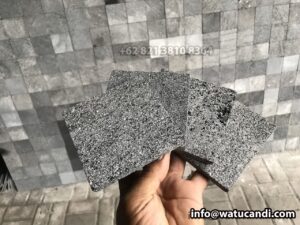
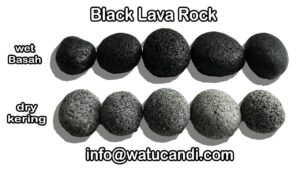
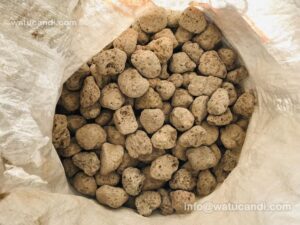
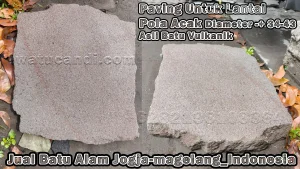
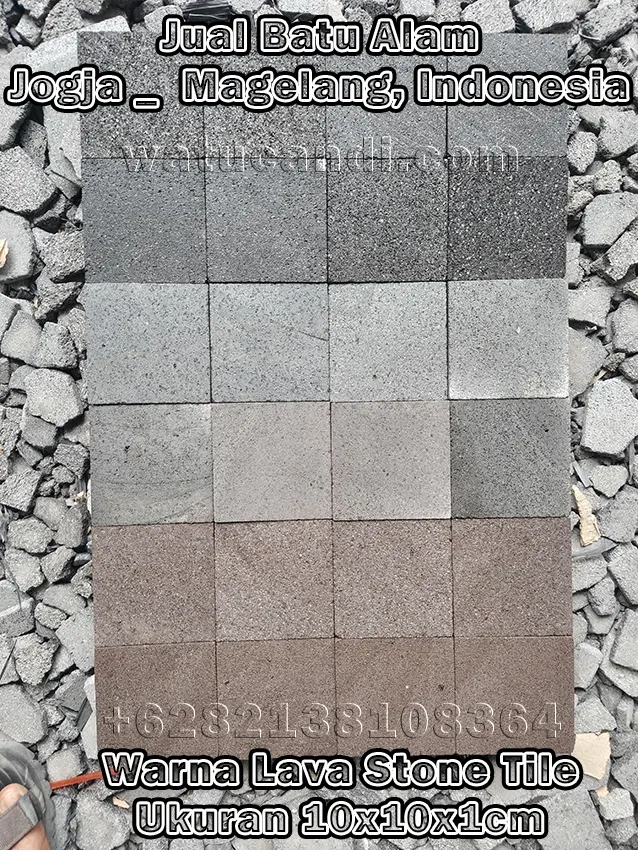
Geologists classify lava stone, also popularly known as black temple natural stone, as a volcanic rock. Its formation process involves volcanic lava flows cooling and hardening over thousands of years. You can easily find this material around the slopes of Mount Merapi, precisely in the border area of Yogyakarta and Magelang, Central Java. Its distinctive feature stands out: a deep black color with natural pores that provide a unique texture. No wonder our ancestors have used this stone since the kingdom era to build magnificent temples, including Borobudur and Prambanan, which are evidence of this material’s eternity.
The abundant availability of lava stone in nature means craftsmen around Mount Merapi utilize it as their primary raw material. They transform it into various crafts, from floor paving, wall ornaments, to art sculptures. Each piece of lava stone possesses a uniqueness that cannot be uniform because it forms naturally. This very uniqueness becomes its main selling point. No two pieces are identical, so the floor you install always presents its own character.
Manufacturing Process of Hand-Carved Lava Stone Flooring
One of the most interesting aspects of hand-carved lava stone flooring is its production process, which still relies on the hand skills of craftsmen. Unlike modern stone flooring mass-produced by automatic machines, each piece of hand-carved lava stone flooring is a work of Natural Stone Flooring art that craftsmen meticulously work on.
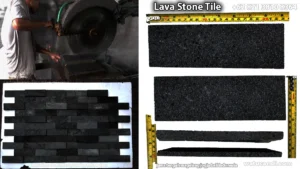
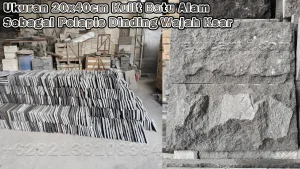
Craftsmen begin this process by selecting quality lava stone boulders. They choose stones with uniform density and color. After that, they manually cut the stone into slabs of certain sizes. The most crucial stage is the surface carving. Using traditional tools like chisels and hammers, craftsmen create a rough texture that is not only visually beautiful but also functions as anti-slip. This hand touch is what distinguishes hand-carved lava stone flooring from machine-made products—every chisel stroke has depth and a pattern you cannot identically replicate.
This manual work process indeed takes longer, but the results are well worth it. You will get flooring with a unique surface of high aesthetic value. The surface you carve is not perfectly flat, creating a stunning three-dimensional effect when light hits it. Moreover, the strong and durable nature of volcanic stone makes it a long-term investment for both residential and commercial buildings.
Advantages of Hand-Carved Lava Stone Flooring
Why do many architects and homeowners choose hand-carved lava stone flooring? Here are its advantages:
- Extraordinary Durability: Lava stone is a very strong volcanic material. It withstands heavy loads, extreme weather changes, and wear. No wonder conservators chose this stone for the pedestrian paths in the Borobudur Temple area that thousands of tourists walk on every day.
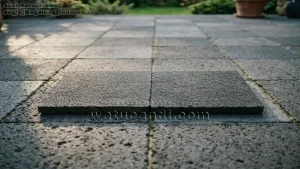
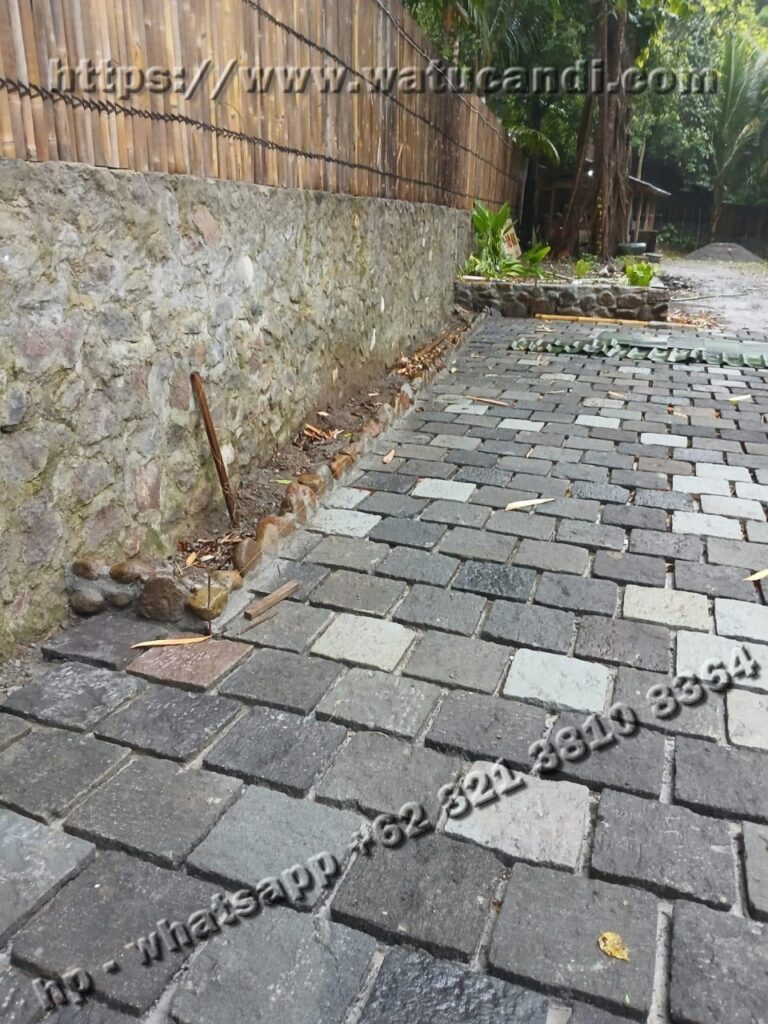
- Natural Anti-Slip Texture: The surface you carve manually creates a rough texture that provides excellent grip. This makes it an ideal choice for outdoor areas such as gardens, yards, and pool edges that are often slippery due to water.
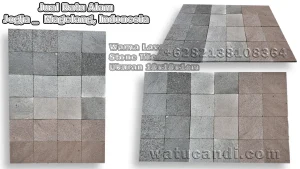
- Unique and Artistic Aesthetics: You will not find two identical pieces. Natural variations in black, gray, and slight brown hints provide an organic character that artificial materials find hard to imitate. Every installation of hand-carved lava stone flooring is a work of installation art.
- Environmentally Friendly: Craftsmen use traditional tools with minimal energy. The material comes from nature and you can recycle it. There are no high carbon emissions like in ceramic or concrete production.
- Historical and Cultural Value: Installing hand-carved lava stone flooring in your home means you participate in preserving Indonesia’s cultural heritage. The same stone that our ancestors used to build temples that are now the nation’s pride.
- Easy Maintenance: You only need to clean it with water and a light brush. Lava stone does not require complicated chemical maintenance. Its natural color actually becomes more beautiful with age.
Applications of Hand-Carved Lava Stone Flooring: From Homes to Historical Sites
The flexibility of hand-carved lava stone makes it suitable for various needs. In residential environments, you often see this flooring adorning terraces, carports, garden paths, and areas around swimming pools. Its masculine and natural appearance gives a sturdy yet warm impression. Many interior designers have also started using it for living rooms with industrial or tropical styles, creating an interesting contrast with modern furniture.
Outside homes, hand-carved lava stone flooring has also become a primary choice for commercial areas such as restaurants, hotels, and resorts. Its durability against high traffic makes it a wise investment. Additionally, the natural nuance it presents strongly supports the trending eco-tourism concept.
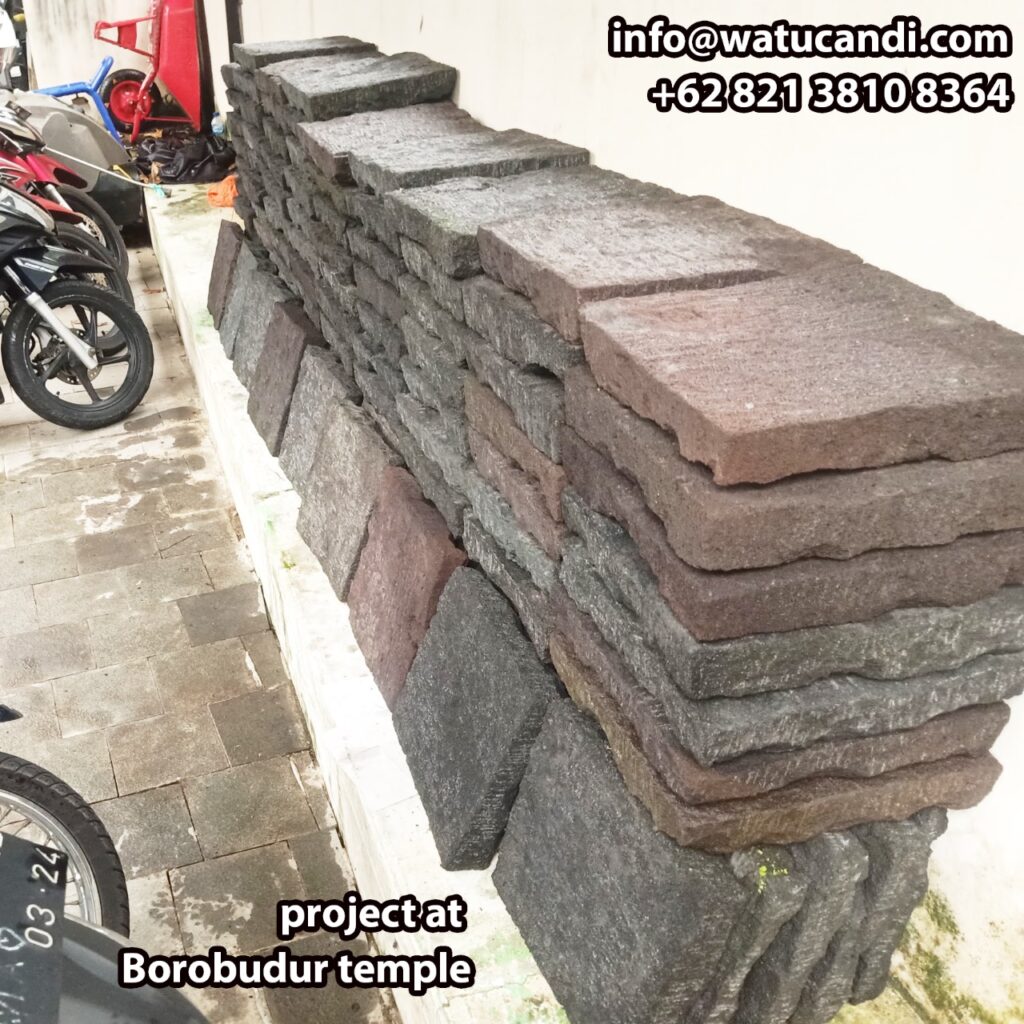
One of the most prestigious projects using hand-carved lava stone flooring is the rehabilitation of the pedestrian area at Borobudur Temple. Conservation experts chose lava stone as the paving material for the temple’s walkways and courtyards. This was not without reason: besides harmonizing with the temple’s original material, hand-carved lava stone has a texture safe for pedestrians while remaining aesthetic. This project proves that traditional materials can meet international conservation standards as well as modern functional needs.
The delivery of hand-carved natural lava stone (Temple Stone) to Borobudur Temple in Magelang, Central Java, became an important milestone. The rehabilitation work on the temple building used this stone as paving for pedestrian walkways and courtyards. This demonstrates how much the government and conservation experts trust the quality of hand-carved lava stone as a material that is not only beautiful but also consistent with historical values.
Unmatched Artistic Touch
You will appreciate hand-carved lava stone flooring mainly because of its artistic touch that machines cannot replicate. Every carving is born from skilled hands that have inherited this expertise through generations. In the stone craft centers of Magelang and Yogyakarta, you can witness firsthand how craftsmen patiently transform volcanic boulders into mesmerizing floor pieces.
This carving process is not just physical work, but also an expression of art. Craftsmen often add traditional motifs or random textures that create visual depth. The result is flooring that not only serves as a stepping surface but also as a decorative element enriching the space.
For those who appreciate authenticity and craftsmanship, hand-carved lava stone flooring is the perfect choice. You are not just buying a product but also supporting the sustainability of the local craft industry that is part of Indonesia’s cultural identity.
Choosing and Maintaining Hand-Carved Lava Stone Flooring
If you are considering using hand-carved lava stone flooring, there are several things you need to pay attention to. First, ensure you get the stone from a trusted source. Good quality lava stone shows a relatively uniform color, pores that are not too large, and does not crack easily. Second, entrust the installation to professional workers experienced with natural stone. Proper installation will ensure the floor is level, strong, and long-lasting.
Maintaining hand-carved lava stone flooring is very easy. For daily cleaning, you simply sweep or vacuum dust. If necessary, mop with clean water and a little mild soap. Avoid using harsh chemicals that can damage the stone surface. For outdoor areas, you can occasionally spray it with low-pressure water to remove moss or sticking dirt.
Over time, lava stone will develop a natural patina that actually adds character. Many homeowners deliberately let their lava stone “age” naturally to get an authentic antique look. With minimal maintenance, your hand-carved lava stone flooring will remain beautiful for decades.
Conclusion
Hand-carved lava stone (Temple) flooring is a perfect blend of nature’s strength and human skill. This material carries the long history of Indonesian civilization, while offering a durable, safe, and artistic flooring solution. Whether for private residential projects, commercial ones, or restoration of historical sites like Borobudur Temple, hand-carved lava stone has proven itself as a timeless choice.
By choosing hand-carved lava stone flooring, you not only invest in beauty and comfort but also help preserve Indonesia’s cultural heritage to keep it alive. Every step on the hand-carved lava stone floor is a journey through time, connecting us with the glory of the past while stepping firmly into the future.
If you are interested in using hand-carved lava stone flooring in your project, make sure to consult with a trusted natural stone provider. Get quality products directly from craft centers in Yogyakarta and Magelang, and realize your dream floor full of character.
Tags: lava stone floor, temple stone floor, hand-carved lava stone, black temple stone, natural stone paving, volcanic stone floor, natural stone craft, magelang natural stone, yogyakarta natural stone, hand-carved stone floor, borobudur temple project, pedestrian lava stone, anti-slip natural stone, garden stone floor, outdoor stone floor, merapi lava stone, stone craft center, indonesian natural stone, watucandi,