'%3E%3Cpath%20stroke='%23000'%20stroke-width='4'%20d='m-35-37-13%2020m5%203%2013-20m5%203-13%2020m63%2042%206-9m1-2%206-9m5%203-6%209m-1%202-6%209m5%203%206-9m1-2%206-9m-96%200%2013%2020m5-3-6-9m-1-2-6-9m5-3%2013%2020m63-42-6-9m-1-2-6-9m5-3%2013%2020m5-3-6-9m-1-2-6-9'/%3E%3Ccircle%20r='24'%20fill='%23cd2e3a'/%3E%3Cpath%20fill='%230047a0'%20d='M0%200a12%2012%200%201%201%2020%2013%2024%2024%200%201%201-40-26A12%2012%200%201%200%200%200'/%3E%3C/g%3E%3C/svg%3E)


'/%3E%3Cpath%20fill='%23b2b2b2'%20d='M241%20382q0%2016%2017%2026%2017%2011%2042%2011t42-11q16-11%2017-26V269H241'/%3E%3Cpath%20fill='%239f7e00'%20d='M241%20379q0%2014%208%2023%209%209%2021%209%2014%200%2021-9%209-9%209-23V269h-59'/%3E%3Cpath%20d='M241%20339v-70h59v110q0%2014-9%2023l-6%205v-68h-15v72q-8%200-14-4v-68zm59%2040c0%2022%2015%2032%2029%2032%2021%200%2030-18%2030-32v-40h-59'/%3E%3Cpath%20fill='%239f7e00'%20d='M266%20277v5h2v12h-3v-5h2v-5h-9v5h2v5h-4v9h3v18h-5v10h34v-10h-5v-18h3v-9h-4v-5h2v-5h-9v5h2v5h-3v-12h2v-5zm42%20101q0%2010%206%2017%206%206%2015%207%2010-1%2016-7%206-7%206-17v-29h-43'/%3E%3Ccircle%20fill='%230044ad'%20cx='329.5'%20cy='372'%20r='6'/%3E%3Cellipse%20fill='%230044ad'%20cx='300'%20cy='340'%20rx='16'%20ry='21'/%3E%3C/svg%3E)


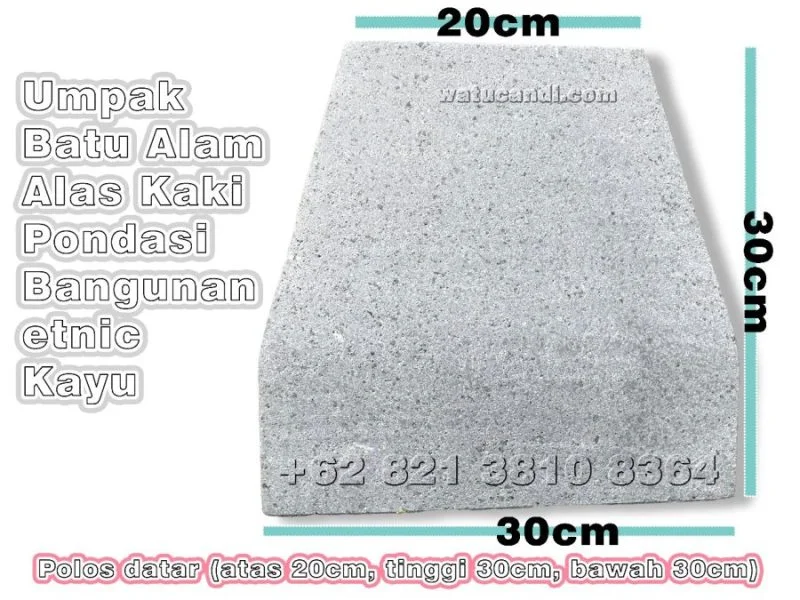
Discover Umpak Batu, the authentic natural stone pedestal from Mount Merapi, Indonesia. Used as a foundation for traditional wooden houses like Joglo and Gadang houses, this stone base protects wooden pillars from moisture, termites, and earthquakes. Available in andesite and lavastone materials with various motifs including plain, kawung, and lotus carvings. Durable, strong, and culturally significant. Perfect for ethnic architecture, luxury residences, and heritage buildings. Order custom sizes and motifs for your dream traditional house today.
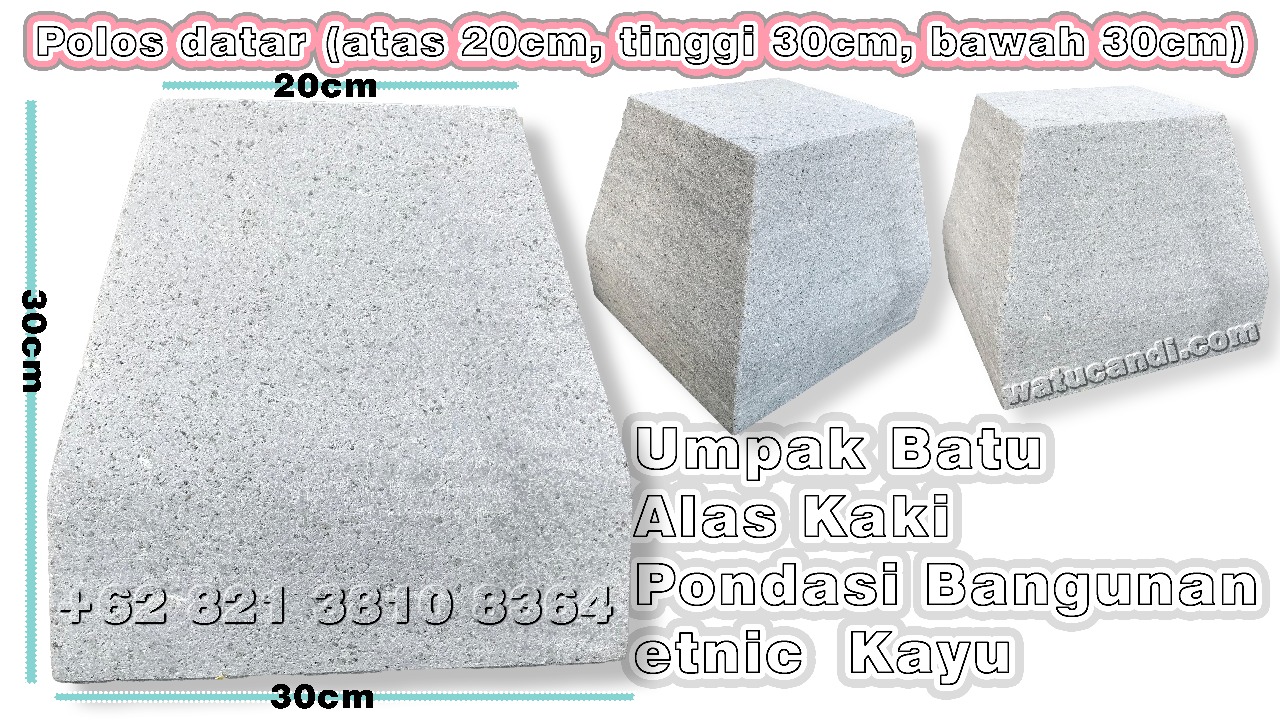
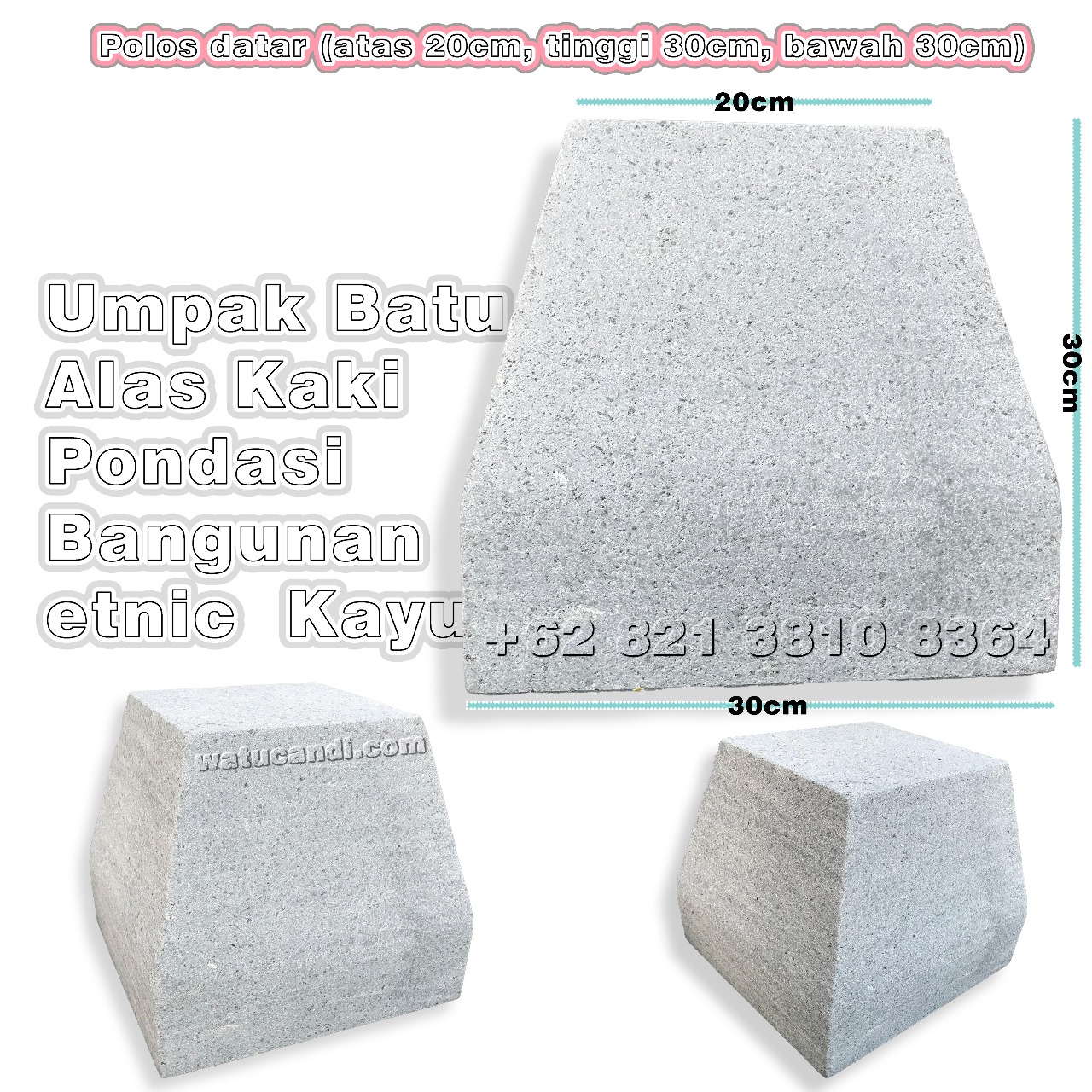
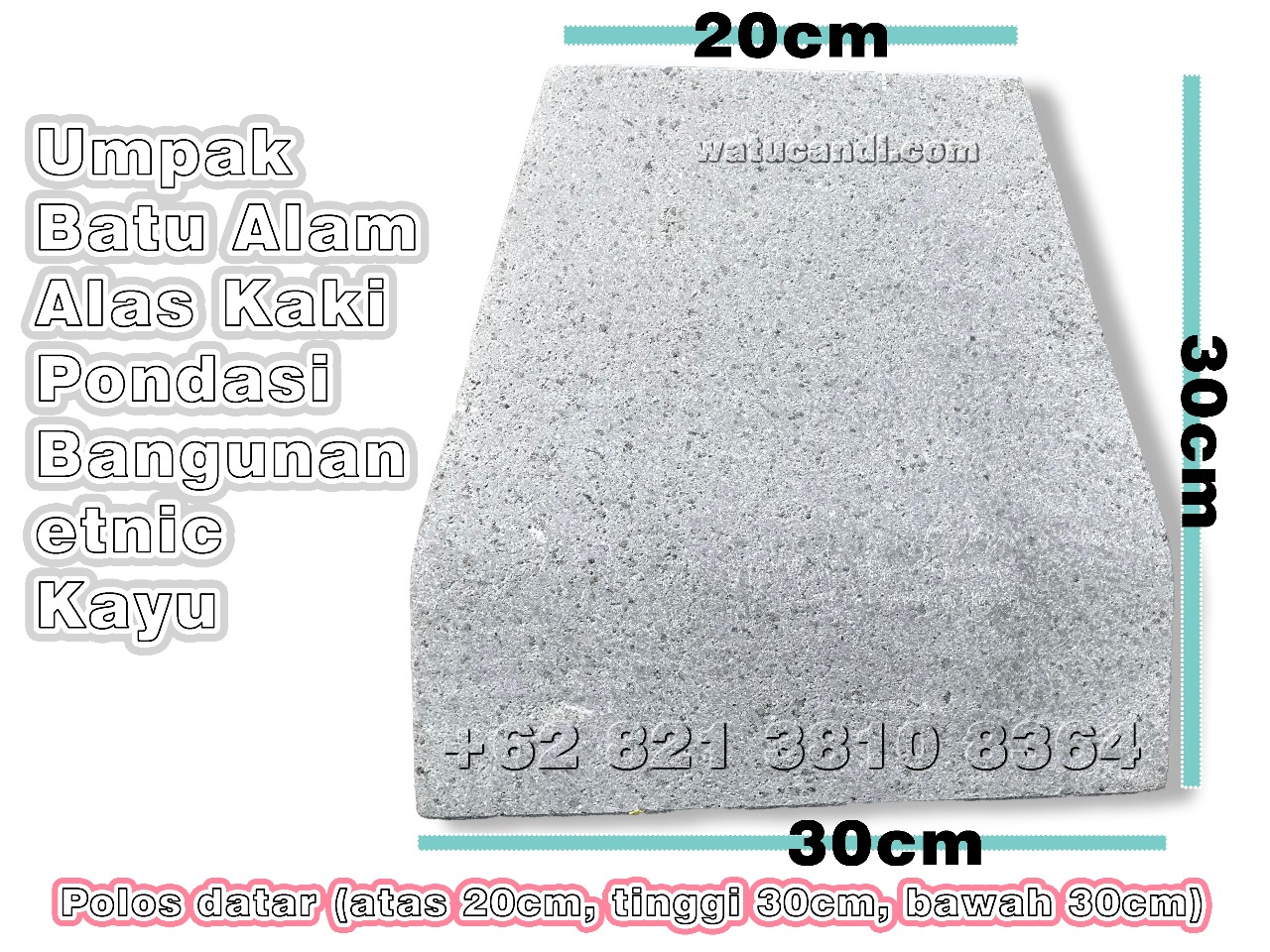
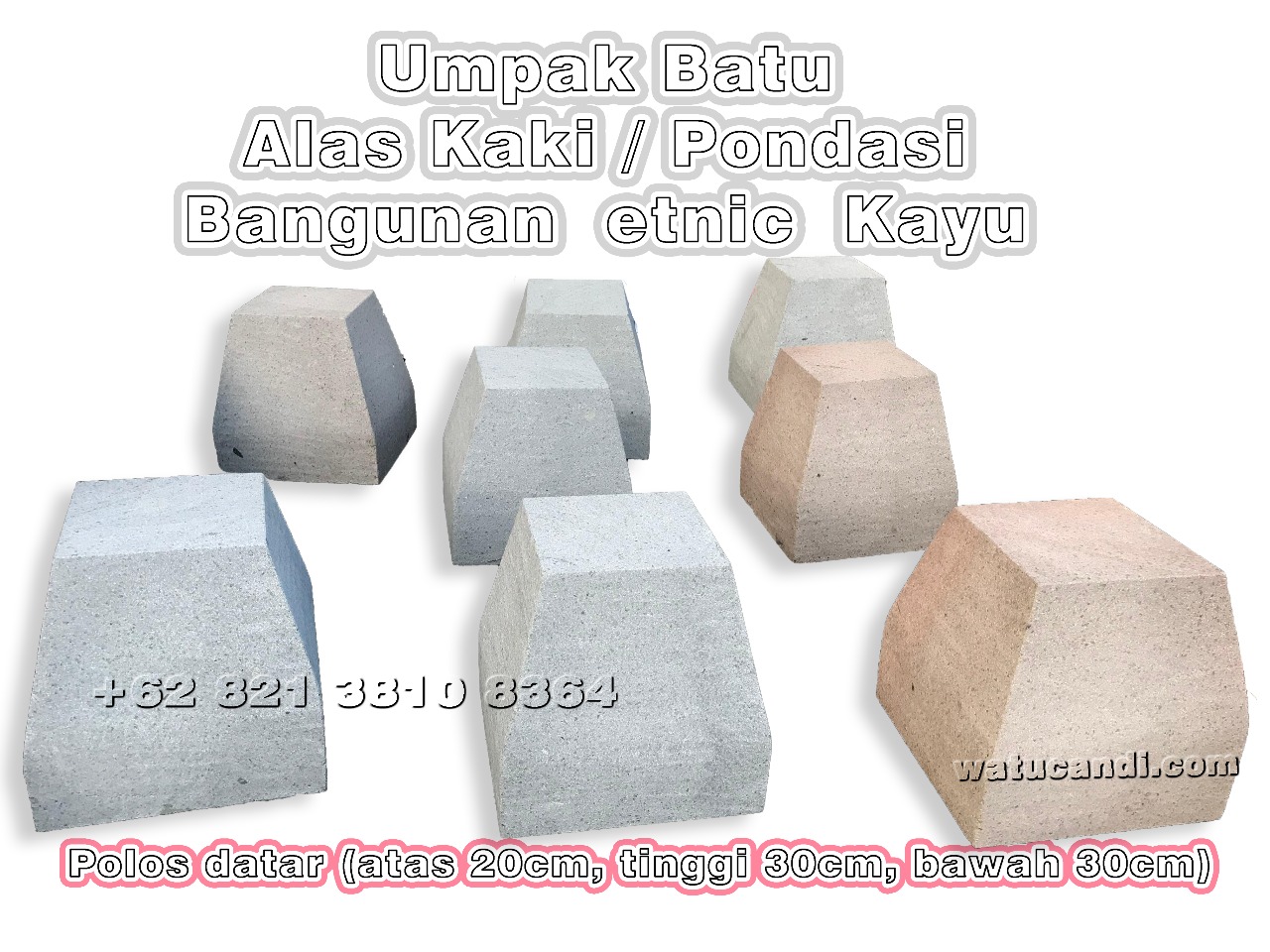
Getting to Know Umpak Batu: Natural Strength for Ethnic Wooden Buildings
Getting to Know Umpak Batu
1. What Is Umpak Batu?
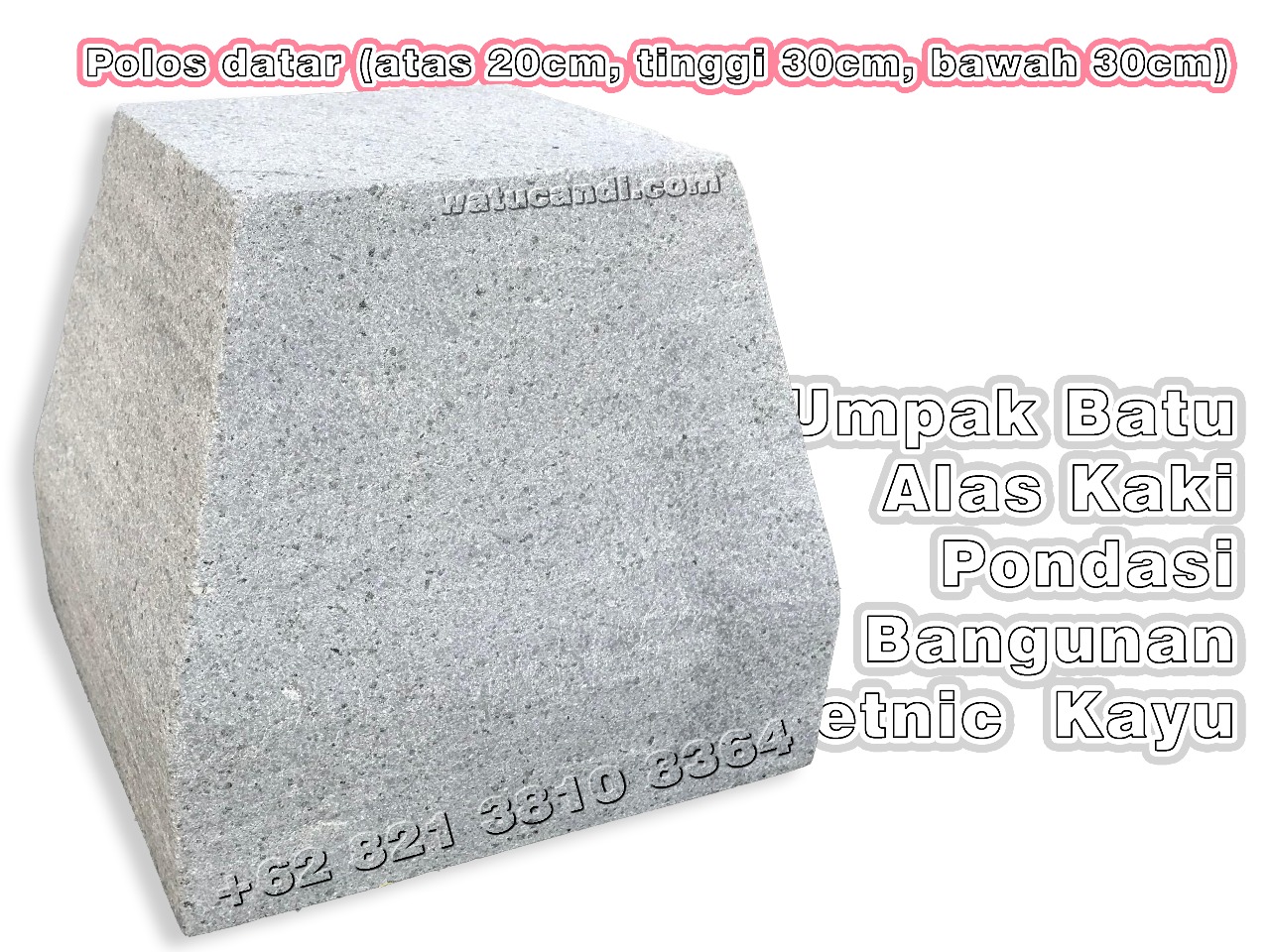
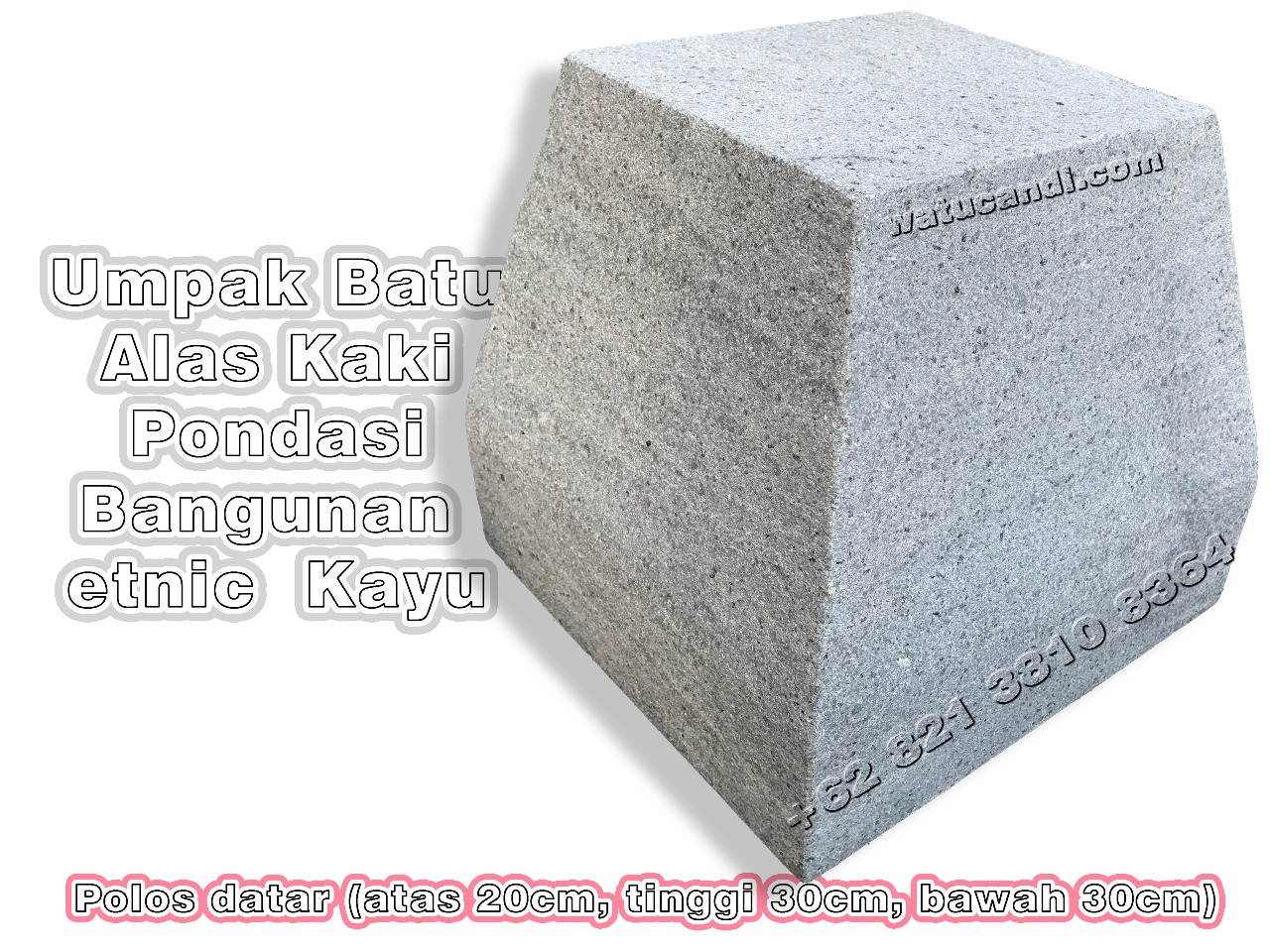
First of all, an umpak batu is a natural stone base that you install under the pillars of a wooden building. As is well known, since ancient times people have used umpak in traditional houses, temples, and old mosques. At watucandi.com, you can learn more about various types of authentic stone umpak for your traditional architectural needs. In other words, it functions like “feet” that support the pillars so they do not directly touch the ground. Moreover, its presence also serves as a marker of the homeowner’s social status.
A Brief History of Umpak in the Archipelago
It is known that the people of the archipelago have been familiar with umpak since the Hindu-Buddhist kingdom era. As evidence, you can see umpak in large temples like Prambanan.
Origin of the Word “Umpak”
Meanwhile, in Javanese, “umpak” means a base or pedestal. Subsequently, traditional architects widely used it in the world of traditional architecture.
Influence of Local Culture
Interestingly, each region shapes umpak according to local beliefs and environment. As a result, umpak possess their own distinctive characteristics.
Characteristics of Javanese Umpak
In particular, Javanese umpak are usually carved with meaningful geometric motifs. For example, you will find kawung and tumpal motifs as their main ornaments.
Example of Umpak at the Yogyakarta Palace
As an illustration, at the Yogyakarta Palace, craftsmen made large umpak with kawung and tumpal carvings. Thus, these carvings signify the owner’s high status.
2. Main Functions of Umpak Batu
A. Withstanding Building Load
First, the umpak distributes the weight of the pillars to the ground more evenly, preventing the building from sinking. In addition, the flared shape of the umpak at the bottom further strengthens load distribution.
B. Protecting Wood from Moisture
Second, with the umpak in place, wooden pillars are not exposed to groundwater. As a result, the wood becomes more durable and does not rot quickly. In line with this, the umpak also prevents termites from climbing up from the ground to the pillars.
C. Enhancing Stability During Earthquakes
Furthermore, the wide shape of the umpak at the bottom helps the building remain sturdy even when shaken. In fact, in earthquake-prone areas, the umpak plays a vital role as a vibration damper.
D. Aesthetic Value
Apart from its structural function, craftsmen carve umpak beautifully. Therefore, wooden houses look more luxurious and possess high artistic value.
3. Advantages of Natural Stone Umpak
Original Material from Mount Merapi
First of all, miners take this stone from the Mount Merapi area, Yogyakarta and Magelang. It is no wonder that this material is renowned for being strong and durable.
Types of Stone Used
Meanwhile, several choices of natural stone commonly used by craftsmen include:
Andesite Stone
For example, andesite has a dense texture and a natural grey colour.
Characteristics of Andesite
Specifically, this stone does not crack easily and withstands extreme weather changes. Moreover, its tight pores make it difficult for water to penetrate.
Natural Colour and Texture
In other words, dark grey with mineral specks gives it an elegant appearance. Not only that, a smooth final touch creates a luxurious impression without the need for artificial coatings.
Durability of Andesite
In fact, even when heavy rain pours, its surface remains intact. As proof, many ancient buildings layered with andesite still stand today.
Weather Resistance Test
For instance, craftsmen ensure andesite passes a water immersion test without damage. With these results, you can be confident in its durability in all seasons.
Lavastone (Temple Stone)
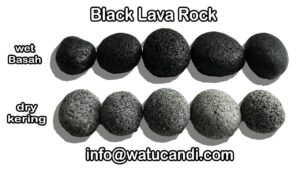
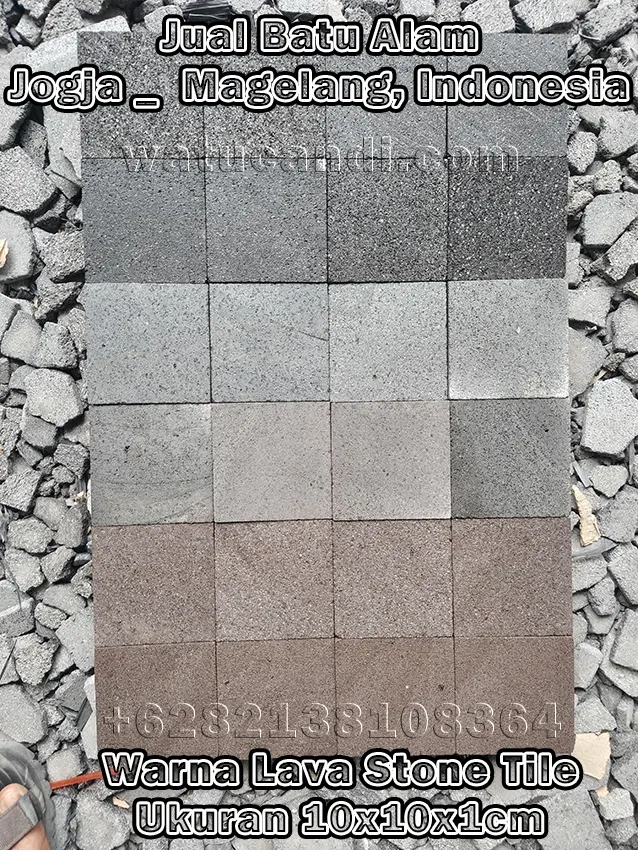
Next, lavastone has small pores that make it light yet still strong.
Uniqueness of Lavastone
For example, its colour is pitch black, and ancient temple builders often used it. As an illustration, Prambanan Temple uses a similar type of stone.
Advantages of Natural Stone Compared to Other Materials
In addition, natural stone will not rust. Moreover, termites will not damage it. Therefore, you can rely on its longevity for decades.
4. Traditional Motifs on Umpak
As previously mentioned, many umpak have carved motifs with deep meanings. For instance, here are two main motifs often encountered:
Geometric Motif: Kawung
First, this motif takes the form of a circle or ellipse with an inner filling.
Symbolic Meaning of Kawung
Basically, kawung symbolises justice and unparalleled leadership.
Justice and Leadership
In the palace, only high-ranking nobles were allowed to use the kawung motif. Thus, this motif became a marker of privileged status.
Motif Details
Generally, this motif consists of four circles meeting in the centre. Meanwhile, the diagonal lines between them reinforce the impression of balance.
Elliptical Circle Shape
Consequently, the circle depicts the balanced cycle of life. Therefore, kawung is often associated with the philosophy of harmony.
Plant Motif: Lotus Flower
Furthermore, the lotus is a symbol of purity and enlightenment.
Philosophical Meaning of the Lotus
Philosophically, this flower grows in muddy water yet remains clean, teaching a life of purity in any environment.
Application on Umpak
Frequently, craftsmen carve the lotus in the centre of the umpak to make it stand out. As a result, the eye is immediately drawn to this symbol.
Level of Carving Complexity
Indeed, some are plain, while others are very detailed with open petals. Furthermore, some are completed using three-dimensional carving techniques.
Examples in Traditional Houses
On the other hand, in Javanese traditional houses, people believe that the lotus brings blessings to the occupants. Thus, the installation of lotus-carved umpak becomes an important ritual.
5. How Umpak Batu Is Made
Manufacturing Steps
As is known, the process requires high precision. The stages are as follows:
1. Selection of Raw Stone
First of all, the craftsmen choose stones that are not cracked and have maximum density.
Criteria for a Good Stone
Ideally, the stone must be hard and not easily break during carving. Moreover, its colour should be uniform so that the final result is more beautiful.
Testing Density
Usually, craftsmen tap the stone lightly; a clear sound indicates a dense stone. Conversely, a dull sound means the stone is hollow and less suitable.
Simple Strike Test
In this way, if you strike a “raw” stone, it sounds almost like metal. Therefore, material selection is quick yet accurate.
2. Cutting and Initial Shaping
Then, they cut the stone to the basic size and shape it into a trapezoid or square.
Traditional Tools
For this, they use iron chisels and hammers made of teak wood. In addition, bamboo rulers help with precise measurements.
The Role of Carving Chisels
Meanwhile, small chisels are used for motif details, while large chisels shape the body of the umpak. With this division of tasks, work efficiency increases.
Measurement Precision
As a result, each side is measured repeatedly to make it symmetrical. Thus, the resulting umpak is always precise.
3. Carving the Motif (Optional)
If a motif is desired, they first draw it with charcoal, then carve it slowly. During this process, patience is key so that the motif is not flawed.
6. Traditional Buildings That Use Umpak Batu
Joglo House (Java)
For example, the Joglo House has main pillars that people call saka guru.
Position of Umpak in the Joglo
In this case, the builders place the umpak under the four saka guru to support the entire roof.
Saka Guru
As is known, these pillars are the most important part of the joglo. Therefore, the umpak supporting them are made even stronger.
Size of Umpak for Saka Guru
With such a size, its diameter can reach 40–50 cm, and its height 30–40 cm, so the roof load can be supported without problems.
Example at the Surakarta Palace
There, craftsmen carve umpak intricately with kawung and dragon motifs. Furthermore, a natural protective layer is added so that its beauty lasts.
Gadang House (West Sumatra)
Meanwhile, the Gadang House has tall and large pillars. A trapezoidal umpak supports them.
Typical Shape of Gadang Umpak
Distinctively, its shape is rectangular with simple line carvings. Nevertheless, its strength is no less than that of intricately carved umpak.
Geometric Line Motif
In other words, this motif symbolises fertility and the unity of the clan. So, each stroke carries a deep social message.
7. Ordering and Specifications of Umpak Batu
General Specifications
The standard specifications are as follows:
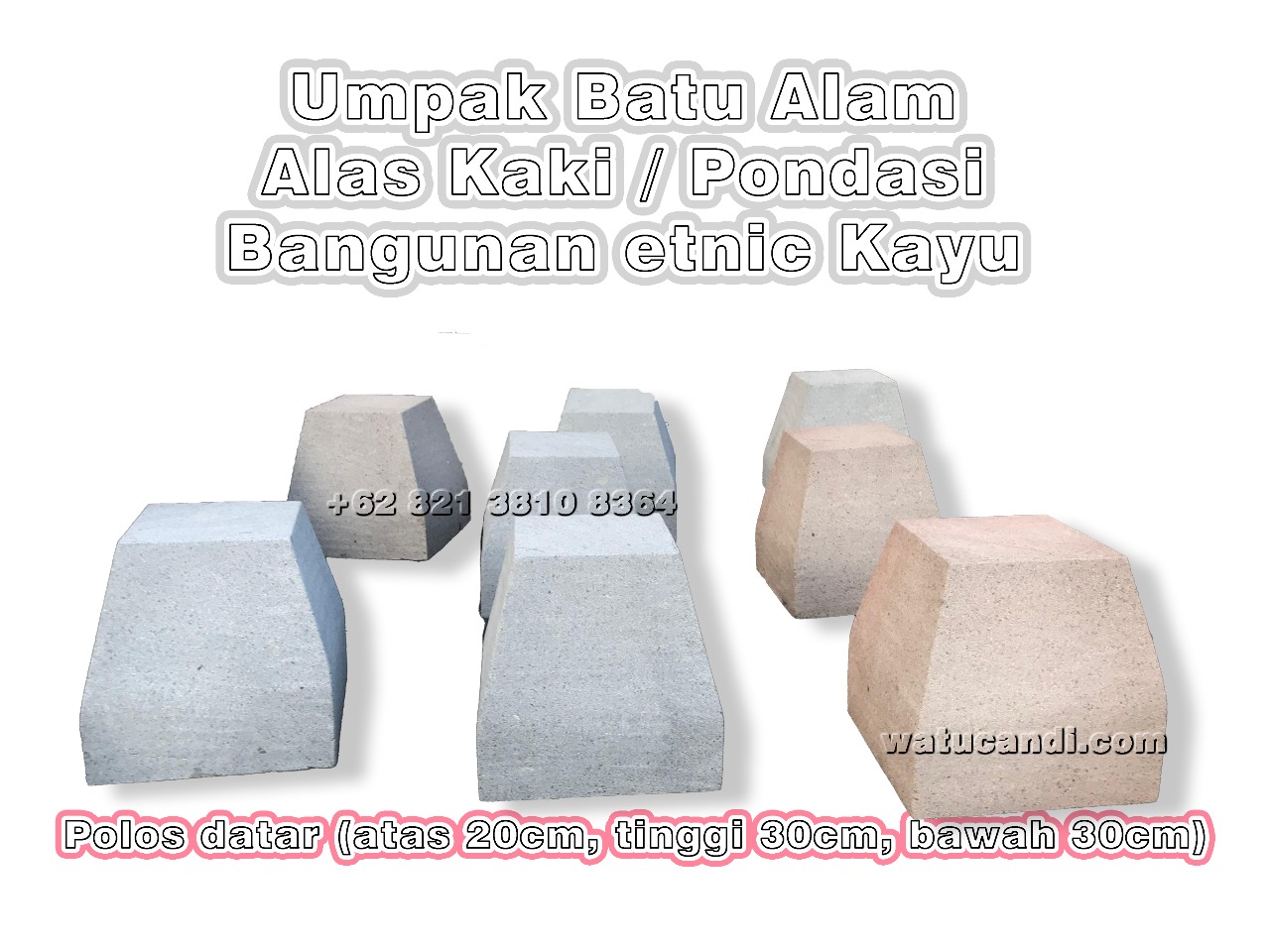
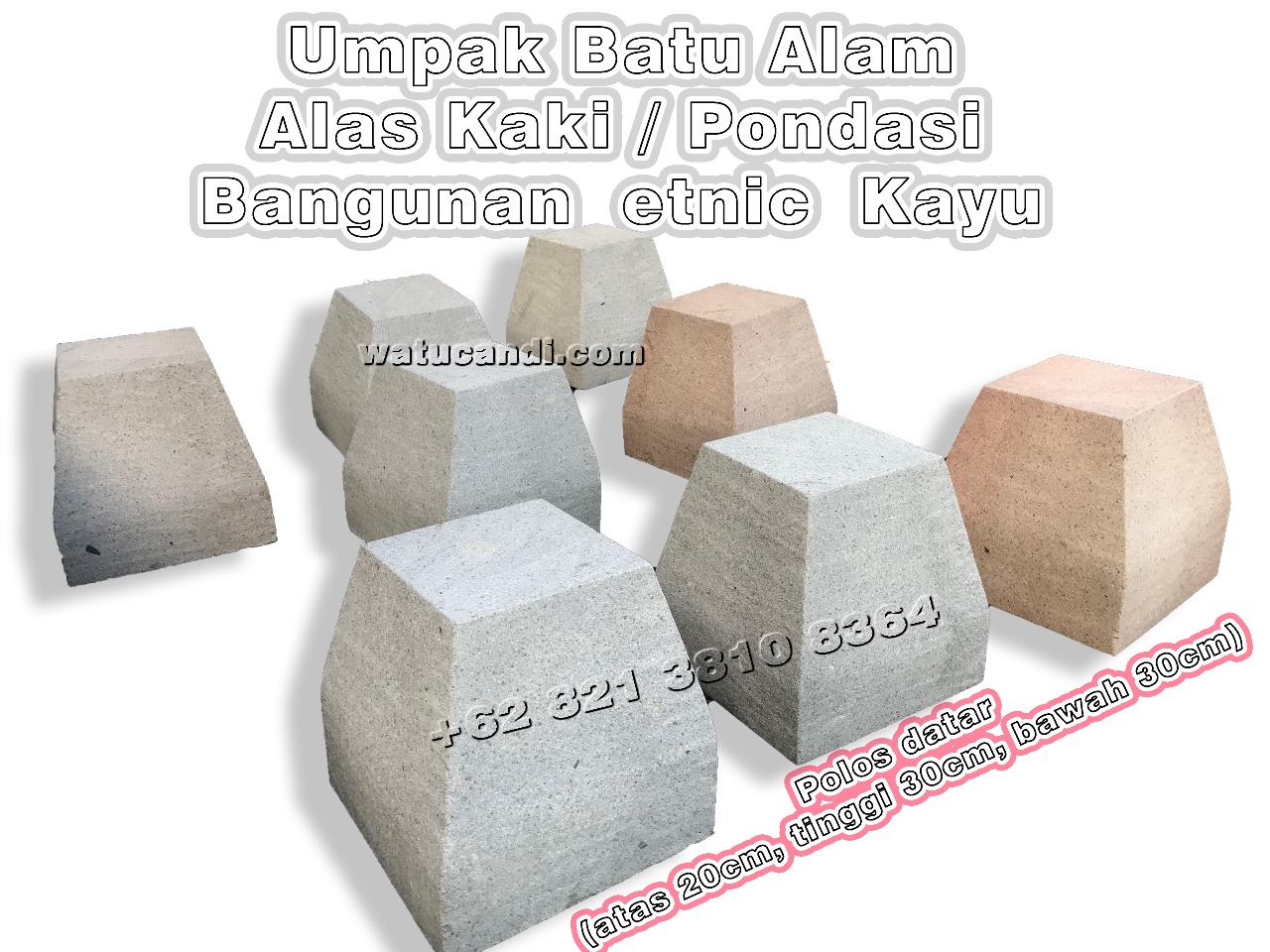
- Standard size: top 20 cm, height 30 cm, bottom 30 cm.
- Material: andesite stone, lavastone, and sandstone from Mount Merapi.
- Motif: smooth plain, lined plain, traditional carving, and custom.
How to Order
To place an order, simply:
- Phone: +62 821 3810 8364
- Visit the official website watucandi.com or go directly to our natural stone shop to see the complete collection of umpak and other natural stone products.
Moreover, we ship throughout Indonesia (shipping costs are borne by you). In fact, you can consult first to get the umpak that best matches your house design. Explore various models of stone umpak, from plain to traditional carvings, at our online shop and find the one most suitable for your ethnic house concept.
8. Conclusion
It is clear that natural stone umpak is not merely a pillar foundation. More than that, it is a cultural heritage that combines strength, function, and beauty. Therefore, by choosing umpak directly from the original craftsmen of Mount Merapi, you not only obtain the best quality but also support the preservation of local wisdom. Ultimately, your dream ethnic wooden house will become even more luxurious and durable.
#StonePedestal #NaturalStone #EthnicWoodHouse #TraditionalArchitecture #JogloHouse #AndesiteStone #StoneCraftsmanship #LuxuryLiving #JogjaNaturalStone #LocalWisdom
Stone Pedestal, Natural Stone, Ethnic Wood House, Traditional Architecture, Joglo House, Andesite Stone, Stone Craft, Luxury Residence, Jogja Natural Stone, Local Wisdom, Natural Stone Shop, Stone Products, WatuCandi.com.
Berikut adalah versi **Bahasa Inggris** dari artikel “Mengenal Umpak Batu” dengan tautan **watucandi.com** dan **watucandi.com/shop/** yang disematkan secara alami, serta tag SEO di luar kode.
“`html
Getting to Know Umpak Batu: Natural Strength for Ethnic Wooden Buildings
1. What Is Umpak Batu?
First of all, an umpak batu is a natural stone base that you install under the pillars of a wooden building. As is well known, since ancient times people have used umpak in traditional houses, temples, and old mosques. At watucandi.com, you can learn more about various types of authentic stone umpak for your traditional architectural needs. In other words, it functions like “feet” that support the pillars so they do not directly touch the ground. Moreover, its presence also serves as a marker of the homeowner’s social status.
A Brief History of Umpak in the Archipelago
It is known that the people of the archipelago have been familiar with umpak since the Hindu-Buddhist kingdom era. As evidence, you can see umpak in large temples like Prambanan.
Origin of the Word “Umpak”
Meanwhile, in Javanese, “umpak” means a base or pedestal. Subsequently, traditional architects widely used it in the world of traditional architecture.
Influence of Local Culture
Interestingly, each region shapes umpak according to local beliefs and environment. As a result, umpak possess their own distinctive characteristics.
Characteristics of Javanese Umpak
In particular, Javanese umpak are usually carved with meaningful geometric motifs. For example, you will find kawung and tumpal motifs as their main ornaments.
Example of Umpak at the Yogyakarta Palace
As an illustration, at the Yogyakarta Palace, craftsmen made large umpak with kawung and tumpal carvings. Thus, these carvings signify the owner’s high status.
2. Main Functions of Umpak Batu
A. Withstanding Building Load
First, the umpak distributes the weight of the pillars to the ground more evenly, preventing the building from sinking. In addition, the flared shape of the umpak at the bottom further strengthens load distribution.
B. Protecting Wood from Moisture
Second, with the umpak in place, wooden pillars are not exposed to groundwater. As a result, the wood becomes more durable and does not rot quickly. In line with this, the umpak also prevents termites from climbing up from the ground to the pillars.
C. Enhancing Stability During Earthquakes
Furthermore, the wide shape of the umpak at the bottom helps the building remain sturdy even when shaken. In fact, in earthquake-prone areas, the umpak plays a vital role as a vibration damper.
D. Aesthetic Value
Apart from its structural function, craftsmen carve umpak beautifully. Therefore, wooden houses look more luxurious and possess high artistic value.
3. Advantages of Natural Stone Umpak
Original Material from Mount Merapi
First of all, miners take this stone from the Mount Merapi area, Yogyakarta and Magelang. It is no wonder that this material is renowned for being strong and durable.
Types of Stone Used
Meanwhile, several choices of natural stone commonly used by craftsmen include:
Andesite Stone
For example, andesite has a dense texture and a natural grey colour.
Characteristics of Andesite
Specifically, this stone does not crack easily and withstands extreme weather changes. Moreover, its tight pores make it difficult for water to penetrate.
Natural Colour and Texture
In other words, dark grey with mineral specks gives it an elegant appearance. Not only that, a smooth final touch creates a luxurious impression without the need for artificial coatings.
Durability of Andesite
In fact, even when heavy rain pours, its surface remains intact. As proof, many ancient buildings layered with andesite still stand today.
Weather Resistance Test
For instance, craftsmen ensure andesite passes a water immersion test without damage. With these results, you can be confident in its durability in all seasons.
Lavastone (Temple Stone)
Next, lavastone has small pores that make it light yet still strong.
Uniqueness of Lavastone
For example, its colour is pitch black, and ancient temple builders often used it. As an illustration, Prambanan Temple uses a similar type of stone.
Advantages of Natural Stone Compared to Other Materials
In addition, natural stone will not rust. Moreover, termites will not damage it. Therefore, you can rely on its longevity for decades.
4. Traditional Motifs on Umpak
As previously mentioned, many umpak have carved motifs with deep meanings. For instance, here are two main motifs often encountered:
Geometric Motif: Kawung
First, this motif takes the form of a circle or ellipse with an inner filling.
Symbolic Meaning of Kawung
Basically, kawung symbolises justice and unparalleled leadership.
Justice and Leadership
In the palace, only high-ranking nobles were allowed to use the kawung motif. Thus, this motif became a marker of privileged status.
Motif Details
Generally, this motif consists of four circles meeting in the centre. Meanwhile, the diagonal lines between them reinforce the impression of balance.
Elliptical Circle Shape
Consequently, the circle depicts the balanced cycle of life. Therefore, kawung is often associated with the philosophy of harmony.
Plant Motif: Lotus Flower
Furthermore, the lotus is a symbol of purity and enlightenment.
Philosophical Meaning of the Lotus
Philosophically, this flower grows in muddy water yet remains clean, teaching a life of purity in any environment.
Application on Umpak
Frequently, craftsmen carve the lotus in the centre of the umpak to make it stand out. As a result, the eye is immediately drawn to this symbol.
Level of Carving Complexity
Indeed, some are plain, while others are very detailed with open petals. Furthermore, some are completed using three-dimensional carving techniques.
Examples in Traditional Houses
On the other hand, in Javanese traditional houses, people believe that the lotus brings blessings to the occupants. Thus, the installation of lotus-carved umpak becomes an important ritual.
5. How Umpak Batu Is Made
Manufacturing Steps
As is known, the process requires high precision. The stages are as follows:
1. Selection of Raw Stone
First of all, the craftsmen choose stones that are not cracked and have maximum density.
Criteria for a Good Stone
Ideally, the stone must be hard and not easily break during carving. Moreover, its colour should be uniform so that the final result is more beautiful.
Testing Density
Usually, craftsmen tap the stone lightly; a clear sound indicates a dense stone. Conversely, a dull sound means the stone is hollow and less suitable.
Simple Strike Test
In this way, if you strike a “raw” stone, it sounds almost like metal. Therefore, material selection is quick yet accurate.
2. Cutting and Initial Shaping
Then, they cut the stone to the basic size and shape it into a trapezoid or square.
Traditional Tools
For this, they use iron chisels and hammers made of teak wood. In addition, bamboo rulers help with precise measurements.
The Role of Carving Chisels
Meanwhile, small chisels are used for motif details, while large chisels shape the body of the umpak. With this division of tasks, work efficiency increases.
Measurement Precision
As a result, each side is measured repeatedly to make it symmetrical. Thus, the resulting umpak is always precise.
3. Carving the Motif (Optional)
If a motif is desired, they first draw it with charcoal, then carve it slowly. During this process, patience is key so that the motif is not flawed.
6. Traditional Buildings That Use Umpak Batu
Joglo House (Java)
For example, the Joglo House has main pillars that people call saka guru.
Position of Umpak in the Joglo
In this case, the builders place the umpak under the four saka guru to support the entire roof.
Saka Guru
As is known, these pillars are the most important part of the joglo. Therefore, the umpak supporting them are made even stronger.
Size of Umpak for Saka Guru
With such a size, its diameter can reach 40–50 cm, and its height 30–40 cm, so the roof load can be supported without problems.
Example at the Surakarta Palace
There, craftsmen carve umpak intricately with kawung and dragon motifs. Furthermore, a natural protective layer is added so that its beauty lasts.
Gadang House (West Sumatra)
Meanwhile, the Gadang House has tall and large pillars. A trapezoidal umpak supports them.
Typical Shape of Gadang Umpak
Distinctively, its shape is rectangular with simple line carvings. Nevertheless, its strength is no less than that of intricately carved umpak.
Geometric Line Motif
In other words, this motif symbolises fertility and the unity of the clan. So, each stroke carries a deep social message.
7. Ordering and Specifications of Umpak Batu
General Specifications
The standard specifications are as follows:
- Standard size: top 20 cm, height 30 cm, bottom 30 cm.
- Material: andesite stone, lavastone, and sandstone from Mount Merapi.
- Motif: smooth plain, lined plain, traditional carving, and custom.
How to Order
To place an order, simply:
- Phone: +62 821 3810 8364
- Visit the official website watucandi.com or go directly to our natural stone shop to see the complete collection of umpak and other natural stone products.
Moreover, we ship throughout Indonesia (shipping costs are borne by you). In fact, you can consult first to get the umpak that best matches your house design. Explore various models of stone umpak, from plain to traditional carvings, at our online shop and find the one most suitable for your ethnic house concept.
8. Conclusion
It is clear that natural stone umpak is not merely a pillar foundation. More than that, it is a cultural heritage that combines strength, function, and beauty. Therefore, by choosing umpak directly from the original craftsmen of Mount Merapi, you not only obtain the best quality but also support the preservation of local wisdom. Ultimately, your dream ethnic wooden house will become even more luxurious and durable.
#StonePedestal #NaturalStone #EthnicWoodHouse #TraditionalArchitecture #JogloHouse #AndesiteStone #StoneCraftsmanship #LuxuryLiving #JogjaNaturalStone #LocalWisdom
Stone Pedestal, Natural Stone, Ethnic Wood House, Traditional Architecture, Joglo House, Andesite Stone, Stone Craft, Luxury Residence, Jogja Natural Stone, Local Wisdom, Natural Stone Shop, Stone Products, WatuCandi.com
Stone Pedestal, Natural Stone, Ethnic Wood House, Traditional Architecture, Joglo House, Andesite Stone, Stone Craft, Luxury Residence, Jogja Natural Stone, Local Wisdom, Natural Stone Shop, Stone Products, WatuCandi, Umpak Batu, Stone Base, Wooden House Foundation,